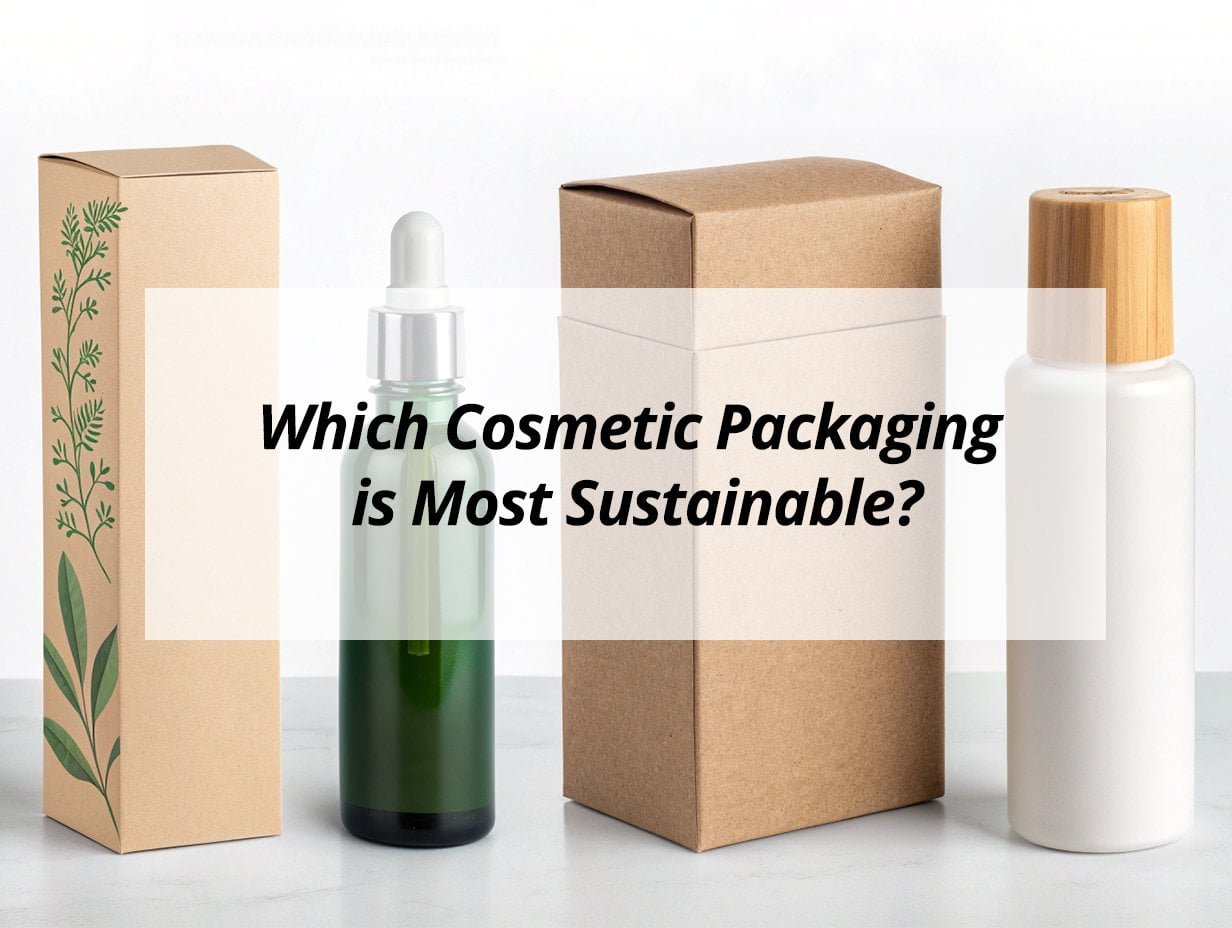
Packaging reflects brand image, ensuring product protection and consumer appeal.
Lipstick packaging typically utilizes materials like metal and sturdy plastics for durability and luxury. For creams, glass jars and PET plastics are popular due to their stability and protective qualities. Sustainable options are also gaining traction, offering recyclable and biodegradable solutions.
Choosing packaging involves balancing function and aesthetics for lipstick and cream, enhancing both form and effectiveness.
What type of packaging is used for lip balm?
Lip balm packaging1 is more than just practical—it’s a key part of the product’s identity. Good packaging protects the product while enhancing user convenience and marketability.
Lip balm typically employs compact packaging like twist-up tubes or small tins. These ensure user-friendly application and effective protection against environmental factors, maintaining product quality and longevity.
Lip Balm Packaging
The challenge with lip balm packaging is to find a balance between functionality and brand storytelling. Here’s what to consider:
Key Considerations for Lip Balm Packaging
Materials and Environmental Impact:
- Plastic Tubes: Lightweight and versatile, offering various shapes and colors.
- Metal Tins: Provide a premium feel and durability.
- Eco-Friendly Options2: Paper-based or biodegradable plastics are gaining popularity.
Design Elements:
- Twist-Up Mechanisms3: Ensure ease of use and hygiene.
- Airtight Seals: Maintain product freshness and stability.
- Portable Sizes: Enhance convenience for on-the-go consumers.
Sustainability and Branding
Sustainability is a selling point. Recyclable materials enhance brand loyalty and attract eco-conscious consumers. Consider innovative packaging ideas that highlight brand values and environmental commitment.
What type of packaging is used in cosmetics?
In cosmetics, packaging is not just a protective shell—it's a powerful marketing tool that affects consumer perception and buying decisions.
Cosmetic packaging4 typically uses materials such as glass, metal, and high-quality plastics. This allows for a wide array of designs, enhancing both visual appeal and practical functionality.
Cosmetic Packaging Types
The right packaging protects the product and aligns with consumer expectations. Here’s a closer look at different packaging types:
Types of Cosmetic Packaging
| Product Type | Common Materials | Key Features |
|---|---|---|
| Lipsticks | Metal tubes, Plastic tubes | Durability, Luxury feel |
| Cream Jars | Glass jars, PET bottles | Stability, Light protection |
| Skincare Products | HDPE bottles, Airless pumps | Hygienic dispensing, Lightweight |
Design and Material Considerations
- Lipstick Packaging Material: Choose between metal for luxury or plastic for economy.
- Cream Packaging Design: Glass jars offer premium appeal, while PET provides shatter-resistance.
- Innovation in Design: Use diverse colors, embossing, and unique shapes to stand out.
Ecosystem Consciousness
With increasing demand for environmentally responsible solutions, cosmetic packaging ideas must include sustainable options. Brands that integrate recyclable materials and eco-friendly designs can achieve a competitive advantage.
What is lipstick packaging called?
In the beauty world, lipstick packaging is more than utilitarian—it's part of the consumer experience and an extension of the brand.
Lipstick packaging is commonly referred to as a "lipstick tube," consisting of materials like metal or durable plastic. It is designed to provide robustness, aesthetic appeal, and simple functionality with mechanisms like twist-ups for easy application.
Lipstick Packaging Design
Designing lipstick packaging demands an understanding of market trends and consumer preferences. Here’s how:
Lipstick Packaging Material Choices
- Metal Casing: Offers a premium aesthetic with a strong tactile feel.
- Plastic Tubes: Economical, customizable, and lightweight.
- Acrylic Options: Known for their high clarity and elegant appearance.
Essential Design Elements
- Functional Mechanisms5: Twist-up designs facilitate effortless usage.
- Secure Closures: Prevents spill and maintains product integrity.
- Customization Opportunities: Personalized prints and colors enhance branding.
Strategic Approach to Packaging
Understanding consumer demands such as sustainability in packaging impacts purchasing decisions. Introducing recyclable and biodegradable materials can set your product apart in a competitive environment.
What are the sustainable packaging options for cosmetics?
The shift towards sustainability in cosmetics is more than a trend—it's a necessary evolution driven by consumer awareness and responsibility.
Sustainable packaging includes recyclable materials like glass, biodegradable plastics, and innovative designs that reduce waste. These options cater to eco-friendly brands striving to minimize environmental impact while maintaining product quality.
Sustainable Packaging Strategies
Embracing sustainability involves both innovative material choices and conscious design strategies. Here’s how to navigate this landscape:
Sustainable Packaging Options
| Material | Benefits | Considerations |
|---|---|---|
| Glass | Recyclable, Premium feel | Heavier, Fragile |
| Biodegradable Plastics | Low environmental impact | Must maintain functionality |
| Recycled Materials | Reduces waste, Cost-effective | Quality and durability checks |
Implementation Strategies
- Minimalist Design: Less is more. Minimize materials usage with sleek, functional designs.
- Refillable Formats6: Encourage sustainability by promoting repeat use.
- Consumer Engagement7: Transparent communication about sustainability efforts builds trust.
For cosmetic packaging manufacturers and small businesses looking to appeal to eco-conscious markets, integrating sustainable practices can significantly enhance brand image and consumer loyalty.
My Insights: Which Packaging Materials Suit Lipstick vs Cream Products?
Struggling to choose the best packaging materials for your cosmetics? Tailor your choice to lipstick and cream products to enhance protection and appeal.
Lipstick benefits from durable, lightweight materials like aluminum and plastic, while creams thrive in protective glass or PET plastic containers.
Material Selection for Cosmetics
Lipstick Packaging
- Materials: Aluminum and high-quality plastics (PP, PET) ensure durability and a premium feel, often incorporating recyclable options.
- Key Features: Lightweight, with mechanisms that resist oil and wax interactions, ensuring product longevity.
| Material | Benefit | Considerations |
|---|---|---|
| Aluminum | Premium look, recyclable | Cost, weight concerns |
| Plastic (PP/PET) | Versatile, lightweight | Brand customization options |
Cream Packaging
- Materials: Glass and PET plastic or acrylic provide stability and a premium appearance, with bioplastics emerging for sustainability.
- Key Features: Withstands moisture, preserves product integrity, and offers user-friendly access.
| Material | Benefit | Considerations |
|---|---|---|
| Glass | Premium, stable | Heavy, impact-prone |
| PET Plastic | Lightweight, durable | Recyclability and cost |
Select materials that align with your brand values, ensuring both aesthetic appeal and functional efficiency for your lipstick and cream products.
Conclusion
Choosing the right packaging for lipsticks and creams is vital for blending functionality, aesthetic appeal, and sustainability. In a competitive market, these considerations ensure that your product not only attracts but retains consumer interest.
-
Explore how effective lip balm packaging enhances user experience and brand identity. ↩
-
Discover innovative eco-friendly packaging solutions that appeal to conscious consumers. ↩
-
Find out how twist-up designs enhance hygiene and ease of use for lip balm. ↩
-
Learn about the various materials that enhance both functionality and aesthetics in cosmetics. ↩
-
Find out how functional mechanisms improve the usability of lipstick packaging. ↩
-
Learn how refillable packaging can promote sustainability and reduce waste. ↩
-
Discover strategies for brands to effectively communicate their sustainability efforts to consumers. ↩