
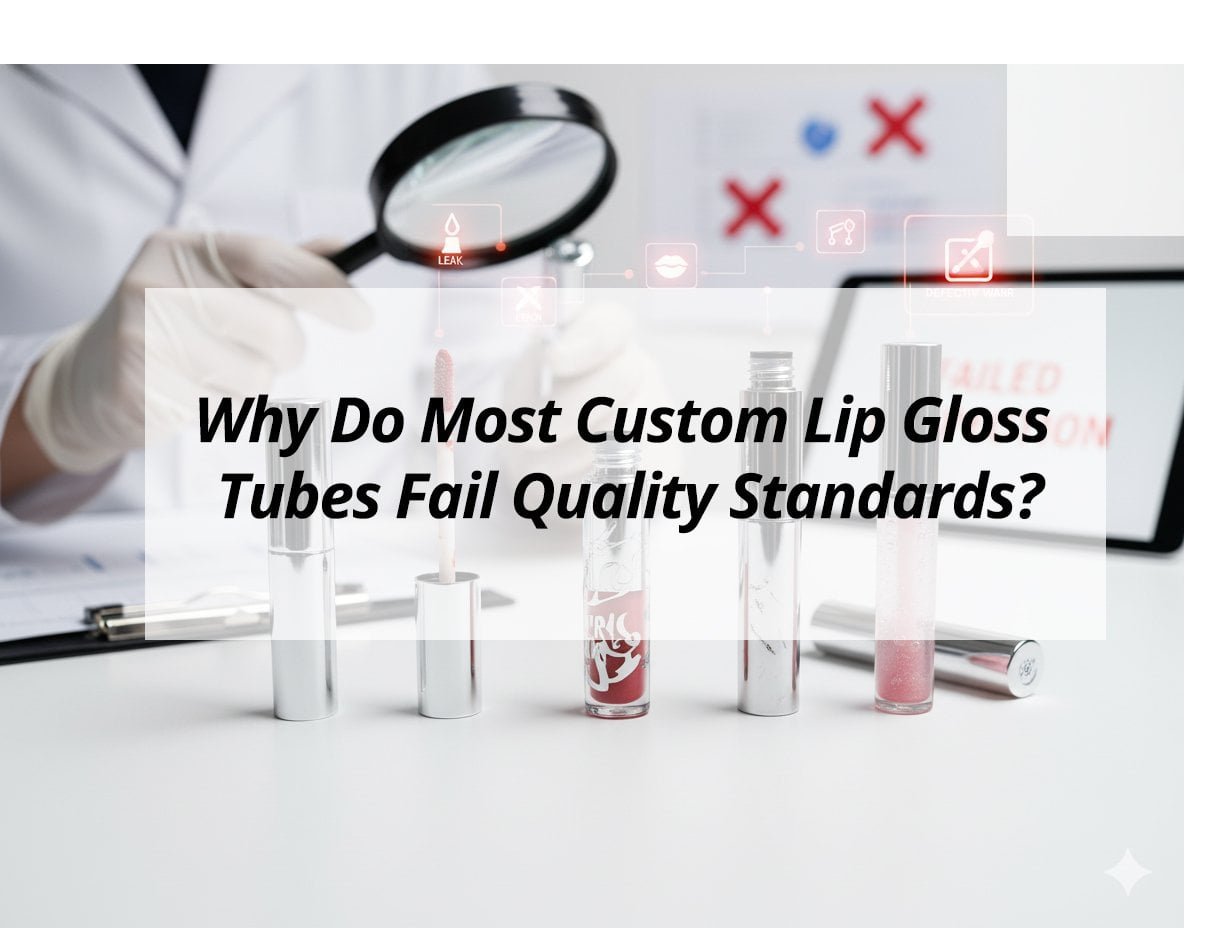
Lip gloss tubes can often look perfect but fail quality tests. This is a headache for brand managers.
Custom lip gloss tubes frequently fail quality checks due to variations in material quality, flawed manufacturing techniques, and lack of thorough testing. Ensuring consistency demands partnering with dependable suppliers, implementing stringent quality control measures, and rigorous testing to meet expected standards and enhance brand reputation.
Quality is not just about looks. It’s about reliability and durability in use. When tubes fail, they can impact brand reputation and customer experience. Let's explore why these failures happen and what can be done.
How long do lip gloss tubes last?
Deciding when a tube is past its prime can be perplexing, yet it's crucial for maintaining the quality of your beauty products.
Most lip gloss tubes have a shelf life of 1 to 2 years. This duration depends on the quality of materials used and proper storage conditions1, including keeping them away from extreme temperatures and direct sunlight.
Understanding the lifespan of lip gloss tubes is key to ensuring product freshness and safety. Materials like plastic degrade over time, which affects the product inside. By focusing on high-quality suppliers, we can ensure the longevity of our products and maintain brand trust.
Factors Affecting Shelf Life
-
Material Quality
- High-quality materials last longer and resist degradation.
- Biodegradable options may have a reduced lifespan, requiring more frequent replacements.
-
Storage Conditions
- Exposure to extreme heat or cold can warp materials.
- Direct sunlight may cause the tube to deteriorate and compromise the gloss inside.
-
Consumer Usage
- Frequent opening and closing can wear down the mechanism.
- Contamination can occur if not handled hygienically.
Ensuring a long shelf life involves choosing durable materials and storing them properly. As a brand, we must educate consumers about the importance of correct storage to enhance product performance.
What to do with old lip gloss tubes?
Responsible disposal can be confusing, but it's essential for sustainability and customer satisfaction.
Old lip gloss tubes should be recycled or repurposed to reduce environmental impact. Consider separating components for recycling, or upcycle them for creative uses like DIY projects.
Disposing of old lip gloss tubes responsibly helps reduce environmental waste. Many tubes are made from non-biodegradable materials, but recycling programs can give them a new life. Here's how you can make an eco-friendly choice:
Recycling and Upcycling Options
-
Recycling Programs
- Check local facilities for specific requirements and capabilities.
- Often, caps and tubes need to be separated as they might be made from different materials.
-
Creative Upcycling
- Use tubes for crafting such as small storage containers or artistic projects like jewelry holders.
- DIY projects could involve painting and decorating the tubes for personal use.
Educating consumers about recycling options and offering incentives for returning used packaging can foster brand loyalty while contributing to environmental sustainability.
What are lip gloss tubes made of?
The composition of lip gloss tubes is often overlooked, yet it's a fundamental aspect of quality.
Lip gloss tubes are typically made from materials like plastic, acrylic, and sometimes aluminum. Each material presents unique benefits and challenges concerning durability, cost, and environmental impact.
The choice of material directly influences the quality and sustainability of lip gloss tubes. As manufacturers, understanding these materials helps us choose the best options for our products.
Material Insights
| Material | Benefits | Challenges |
|---|---|---|
| Plastic | Lightweight, cost-effective | Non-biodegradable, can be less strong |
| Acrylic | Durable, clear appearance | Expensive, less flexible design |
| Aluminum | Eco-friendly, recyclable | Limited flexibility with complex designs |
Key Considerations
-
Environmental Impact
- Opt for recyclable or biodegradable materials when possible.
- Educate consumers on proper disposal to enhance sustainable practices.
-
Functional Design
- Design should enable ease of use and prevent product waste.
- Compatibility with various gloss formulas ensures quality performance.
-
Brand Alignment
- Material choices should reflect brand values, whether focused on luxury or sustainability.
- Consistency in material quality supports brand reputation.
Choosing the right material depends on balancing cost, durability, and environmental impact. Education and careful selection are crucial for quality production.
How to properly clean a lip gloss tube?
Keeping lip gloss tubes clean may seem trivial, but it’s crucial for hygiene and product quality.
Properly cleaning a lip gloss tube involves removing all product residue, using mild soap and water, and thoroughly drying the inside and outside before refilling or recycling.
Cleanliness is not just about appearance; it's about ensuring the safety and effectiveness of the product. Proper cleaning extends the life of the tube and prevents contamination.
Cleaning Steps
-
Empty the Tube
- Ensure no product remains inside, using tools if necessary.
- Gently remove residual gloss with a cotton swab.
-
Clean Thoroughly
- Use mild soap and warm water for cleaning.
- Avoid harsh chemicals that can degrade material or leave residues.
-
Dry Completely
- Allow tubes to air dry completely to prevent moisture buildup.
- Inspect for any lingering moisture that might cause mold or bacteria growth.
Best Practices
- Regular Maintenance: Encourage consumers to clean tubes regularly to maintain hygiene.
- Educate: Provide clear instructions on cleaning methods for different materials.
Proper cleaning practices help maintain product integrity and warmth. By educating customers, we uphold our commitment to quality and hygiene.
My insights: Why Most Custom Lip Gloss Tubes Fail Quality Standards
Frustrated with failing lip gloss tubes? Explore why many custom designs miss quality standards.
Custom lip gloss tubes often fail due to low-quality materials, poor sealing, and manufacturing defects. Issues include leakage, incompatibility with formulas, mechanical failures, and inadequate testing, which undermine consumer confidence and usability.
Understanding Quality Failures in Lip Gloss Tubes
Material and Manufacturing Challenges:
- Material Quality: Low-grade plastics can crack, leak, or contaminate products.
- Manufacturing Defects: Poor construction leads to issues like rough edges and misaligned mechanisms.
Design and Compatibility:
- Sealing and Leakage: Poor seal design leads to leaks; inner stoppers and tamper-evident seals are crucial for protection.
- Formula Compatibility: Incompatibility contributes to product separation or adhesion inside tubes.
Testing and Quality Control:
- Quality Assurance: Rigorous testing, including ISO certifications, is vital for maintaining standards.
- Sampling and Usability Tests: Physical samples and usability tests identify potential issues before production.
Comparison Table
| Aspect | Causes of Failure |
|---|---|
| Material and Manufacturing | Low-quality materials, poor construction |
| Design and Compatibility | Sealing issues, formula incompatibility |
| Testing and Quality Control | Lack of strict testing and sampling |
Addressing these issues through better materials, design improvements, and rigorous quality control can significantly enhance the reliability of custom lip gloss tubes.
Conclusion
Understanding the complexities of custom lip gloss tubes ensures we maintain high quality and customer satisfaction. From material choice to cleaning practices, every step counts toward excellence.
-
Proper storage conditions can significantly extend the life of your beauty products. ↩