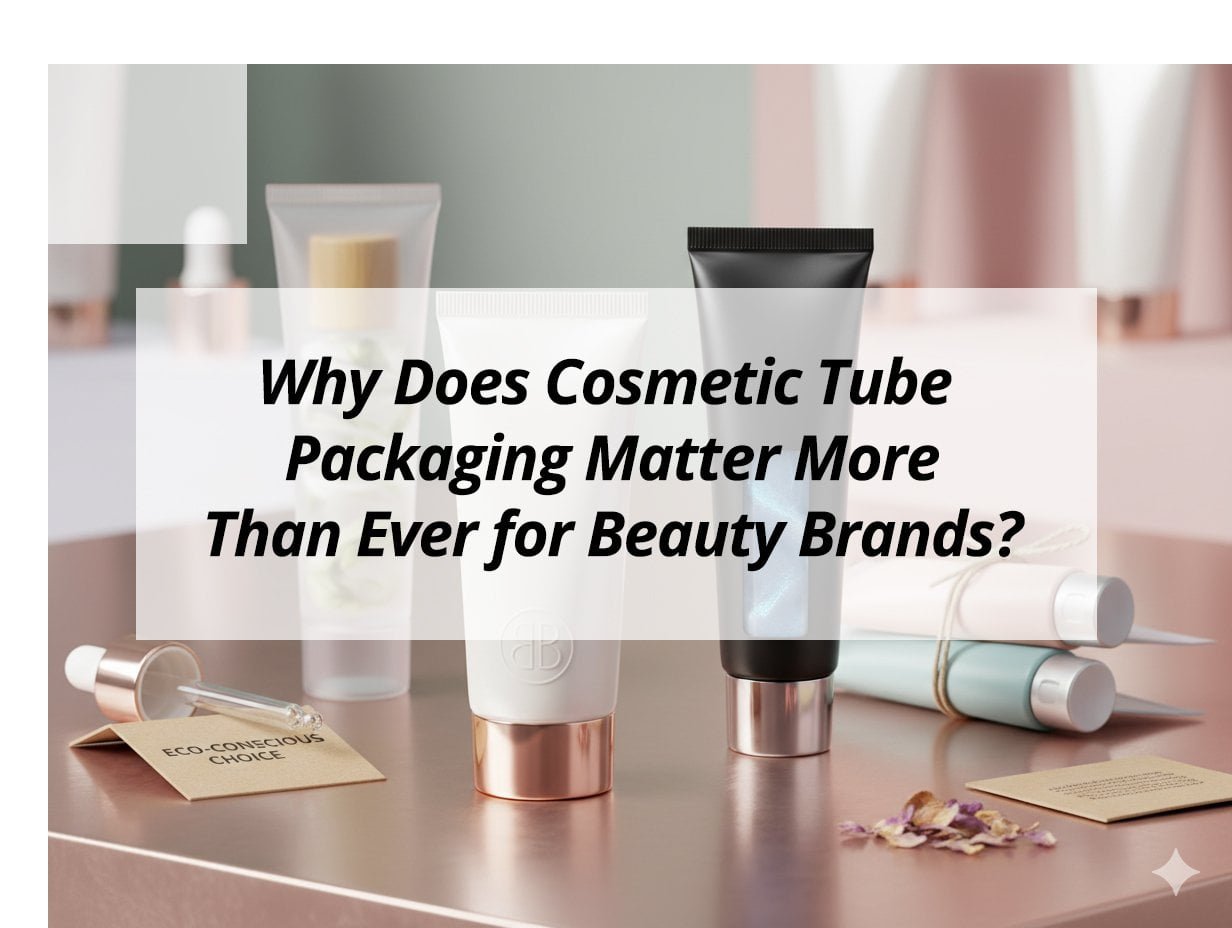
The beauty market is highly competitive. Brands must capture consumer attention quickly. Effective cosmetic packaging, especially tubes, is now a critical asset for brand differentiation. It helps to convey brand identity and connect with consumers effectively.
Cosmetic tubes are important because they protect the product and attract consumers. They serve as a direct representation of a brand's quality and values. Well-designed packaging enhances brand recall and builds consumer trust, which can lead to increased sales and stronger brand loyalty.
First impressions are essential in consumer markets. For beauty brands, packaging often represents the initial consumer interaction. This first contact can significantly influence purchase decisions, making careful attention to cosmetic tube design a strategic imperative.
Why is Packaging Important in Cosmetics?
Many brands struggle for visibility in a crowded market. A high-quality product inside may go unnoticed if its external presentation fails to engage the consumer. Therefore, packaging is not merely a container; it functions as a powerful marketing and sales instrument.
Cosmetic packaging is important as it safeguards the product, communicates brand identity, and sways consumer purchasing choices. It ensures product integrity, provides necessary information, and creates a memorable brand experience. This allows products to stand out in a competitive beauty landscape.
Consumers often evaluate products based on their packaging first. Packaging conveys significant information about a brand. For beauty products, the visual, tactile, and even auditory qualities of the tube can send strong signals. A well-designed tube can elevate the perceived value of a product, suggesting a commitment to quality. It also assists consumers in determining if a product aligns with their preferences. A sleek, minimalist design might appeal to consumers seeking natural products, while vibrant, colorful packaging might attract a younger demographic.
Key Roles of Cosmetic Packaging
- Protection: The primary function is to shield the product from damage, contamination, and degradation. For instance, airless pump bottles extend the freshness of sensitive formulations.
- Information: Packaging provides essential product details. It lists ingredients, usage instructions, and safety warnings. This enables consumers to make informed choices.
- Brand Identity: Packaging is integral to a brand's aesthetic and feel. It employs colors, fonts, and logos to establish a consistent brand image. Consumers should recognize a brand instantly upon seeing its packaging.
- Differentiation: In a market with numerous options, distinctive packaging helps a product stand out. A unique tube design can capture a consumer's attention on a crowded shelf.
- Marketing Tool: Packaging can highlight promotions, special offers, or QR codes. It can narrate a brand's values, such as environmental consciousness.
- Consumer Experience: The process of opening and using a product contributes to the overall consumer experience. User-friendly packaging enhances satisfaction and encourages repeat purchases.
Packaging Impact on Purchasing Decisions
| Factor | Description |
|---|---|
| Visual Appeal | Attractive designs, appealing colors, and clear branding draw consumer interest. A visually pleasing tube can make a product appear more luxurious. |
| Tactile Feel | The texture and material of the tube are significant. A soft-touch finish or a substantial glass bottle can communicate quality. Consumers often engage tactilely with products before purchase. |
| Functionality | Easy-to-open closures, precise applicators, and leak-proof designs improve the user experience. Difficult-to-use packaging can lead to consumer frustration. |
| Sustainability | A growing number of consumers prioritize eco-friendly packaging. Recyclable tubes or refillable options can influence purchase decisions, reflecting a significant market trend. |
| Information | Clear labeling regarding ingredients, benefits, and usage instructions builds trust. Consumers require comprehensive knowledge about products applied to their skin. |
| Perceived Value | High-quality packaging often implies a high-quality product within, even if the price point is similar to less appealing alternatives. This perception influences consumer judgment. |
In What Ways Can Packaging Be Used Strategically?
Strategic packaging goes beyond aesthetics. It involves making informed choices that support business objectives. It integrates seamlessly with marketing plans, considers logistical efficiency, and targets specific consumer segments effectively.
Packaging can be used strategically by aligning its design with brand principles, targeting specific consumer demographics, and enhancing product utility. It serves as a tool for market differentiation, brand narrative, and promoting environmental responsibility. Strategic packaging also optimizes supply chain logistics and improves the overall consumer experience, encouraging recurring purchases.
When developing packaging, a strategic approach is crucial. Simply selecting an appealing color is insufficient. It requires considering the entire business framework. How does packaging integrate into the marketing strategy? Does it facilitate shipping? Does it resonate with the ideal consumer? For instance, a brand focused on natural ingredients should reflect this in its packaging through simple designs, earthy tones, and sustainable materials. This consistency reinforces brand trust. For the luxury market, packaging must convey premium quality through material weight, finish, and the unboxing experience.
Aligning Packaging with Business Goals
- Brand Messaging: Packaging acts as a silent sales representative, communicating the brand's narrative. Playful brands might use bright, whimsical tubes, while elegant brands would opt for sleek, sophisticated designs.
- Target Audience: Understanding the intended consumer is vital. Younger demographics may prefer trendy, colorful designs, whereas older consumers might favor classic, refined appearances. Packaging needs to appeal to the specific quality and value expectations of the target market.
- Competitive Advantage: Analyzing competitor packaging can reveal opportunities for differentiation. Unique dispensing mechanisms or more sustainable materials can provide a distinct market edge.
- Cost Efficiency: Balancing quality with cost management is essential for profitability. Sourcing competitive yet high-quality packaging is a key consideration.
- Sustainability Goals: Consumer demand for environmentally friendly products is increasing. Implementing recyclable or refillable packaging can be a significant selling point, demonstrating brand responsibility.
- Logistics and Distribution: Packaging design impacts storage and shipping efficiency. Durable packaging minimizes damage during transit, which is critical for international distribution.
Strategic Packaging Elements
| Element | Strategic Consideration |
|---|---|
| Material Choice | Materials communicate distinct messages. Glass conveys luxury. Plastic offers versatility and cost-effectiveness. Recycled materials appeal to environmentally aware consumers. Selecting the appropriate tube material is fundamental. |
| Design & Shape | Unique shapes can attract attention. Ergonomic designs improve handling and usability. For example, a travel-friendly size enhances product appeal for mobile consumers. |
| Color Palette | Colors evoke emotions and associations. Blues suggest tranquility, reds suggest intensity. Consistent use of brand colors strengthens identity. Color selection requires careful consideration. |
| Typography | The font style on packaging affects readability and brand perception. A sophisticated font suggests luxury; a playful font suggests lightheartedness. |
| Labeling | Clear, concise, and compliant labeling is crucial. Highlighting key benefits or unique selling propositions is important. Ensuring all mandatory information, such as ingredients and instructions, is present is a compliance requirement. |
| Functionality | Easy opening, precise dispensing, and secure closure improve the user experience. An airless pump tube may be ideal for a serum, while a squeeze tube suits a lotion. |
| Customization | Offering customized logos enables brands to establish unique identities. This is significant for buyers seeking to prominently display their brand. |
What Are the Trends in Cosmetic Packaging?
The beauty industry is dynamic, and packaging trends evolve rapidly. Staying current with these trends is vital for brand relevance. For buyers, understanding current trends ensures access to the most desirable and up-to-date products.
Current trends in cosmetic packaging emphasize sustainability, minimalist aesthetics, and personalization. Consumers increasingly seek eco-friendly materials such as PCR plastics and refillable options. There is also a strong movement towards transparent ingredient information and distinctive, visually engaging designs that stand out both online and in retail environments.
Market observations frequently reveal these trends. Brands are exploring innovative approaches. For example, there is a widespread shift away from excessive packaging towards simpler designs. This movement addresses both aesthetic preferences and environmental concerns. Consumers prefer to purchase from brands demonstrating environmental responsibility. Personalization is another significant trend. Consumers desire products that feel unique to them, achieved through custom labels or special limited-edition packaging.
Dominant Cosmetic Packaging Trends
- Sustainability: This is a predominant trend across the industry.
- Recycled Materials: The use of PCR (Post-Consumer Recycled) plastics is widespread, reducing waste.
- Refillable Packaging: Brands offer products in containers designed for refilling, minimizing single-use plastic.
- Biodegradable Materials: Exploration into packaging that naturally decomposes is ongoing.
- Reduced Plastic: Efforts are made to decrease overall plastic usage or substitute it with materials like glass, bamboo, or aluminum.
- Minimalism and Simplicity: Clean lines, subdued colors, and straightforward designs are popular, conveying purity and sophistication. This trend often correlates with reduced packaging waste.
- Personalization and Customization: Consumers appreciate products that feel unique.
- Custom Logos: Customizable logos are essential for brand identity.
- Limited Editions: Special packaging for seasonal events or collaborations generates consumer excitement.
- DIY & Modular Packaging: Some brands provide components that consumers can assemble or combine.
- Transparency: Consumers demand comprehensive information about product ingredients and manufacturing processes.
- Clear Labeling: Detailed ingredient lists and certifications are crucial.
- Visible Products: Transparent packaging sometimes allows the product to be seen, highlighting its natural appearance or texture.
- E-commerce Friendly Packaging: With the rise of online shopping, packaging needs to withstand shipping and present well digitally.
- Lightweight Designs: Reduces shipping expenses.
- Durable Materials: Prevents damage during transit.
- Unboxing Experience: Packaging designed to make opening a product a special event.
Packaging Trends Driving Consumer Choices
| Trend | Consumer Benefit |
|---|---|
| Eco-Friendly Materials | Alleviates environmental concerns, supports responsible brands, and contributes to ecological preservation. Many consumers actively seek these options. |
| Refillable Options | Offers long-term cost savings, reduces waste, and engages consumers in sustainability efforts. This often encourages repeat purchases. |
| Minimalist Design | Perceived as sophisticated, clean, and often linked to natural or high-quality ingredients. It offers a sense of refined simplicity. |
| Personalization | Establishes a unique connection with the brand, making the product feel more exclusive and tailored to individual preferences. This fosters deeper brand relationships. |
| Transparency | Builds trust, enables informed purchasing decisions, and ensures product safety and ethical sourcing. Consumers value honesty in branding. |
| Functional Packaging | Enhances ease of use, prevents spills, and extends product longevity. A well-designed, reliable tube significantly improves daily product utility. |
Which is the Most Recent New Trend in Packaging and Labeling?
The beauty industry is constantly innovating. One current trend is rapidly gaining momentum, integrating several modern consumer demands. It transforms how brands consider packaging lifespan and product narrative.
The most recent new trend in packaging and labeling is the integration of "smart" and "connected" packaging, alongside a strong focus on circularity. This includes QR codes or NFC tags that offer augmented reality experiences, detailed product information, and refill reminders. It also emphasizes fully traceable and reusable packaging systems, moving towards a truly circular economy.
Smart packaging has undergone significant evolution. Labels are now becoming interactive. For example, scanning a QR code on a lipstick tube could display a video tutorial on application or provide a detailed journey of the product from manufacturing to consumer. This level of transparency and engagement aligns with current consumer expectations, transforming the product from a simple container into an experience. This trend also strongly supports the concept of a circular economy, where packaging is designed for easy reuse, refilling, or recycling.
Key Aspects of Smart & Circular Packaging
- Connected Packaging: This involves using technology to link physical packaging with digital content.
- QR Codes: These are increasingly prevalent, leading to product websites, social media, or virtual try-on features.
- NFC (Near Field Communication) Tags: These allow consumers to tap their smartphone to the packaging for immediate information, such as product authenticity verification or personalized content.
- Augmented Reality (AR): Some brands use AR to enable virtual makeup try-ons by scanning the product, providing an interactive and engaging experience.
- Circularity and Reuse Models: This focuses on designing packaging for a continuous lifecycle, thereby reducing waste.
- Refill Stations: Brands are establishing locations where consumers can replenish empty containers.
- Return & Reuse Programs: Consumers return empty packaging for cleaning and refilling by the brand.
Modular Systems: Packaging designed with interchangeable or refillable components.
- Enhanced Traceability: This involves tracking the origin and destination of products and their packaging.
- Blockchain Technology: Some premium brands utilize blockchain to provide a verifiable history of their products and packaging.
- Digital Product Passports: A digital record attached to each product, detailing its materials, manufacturing process, and recycling instructions.
Benefits of the Latest Trends
| Benefit | Description |
|---|---|
| Increased Engagement | Connected packaging creates interactive experiences, making the brand more memorable and engaging for the consumer. This can significantly enhance brand loyalty. |
| Enhanced Transparency | Consumers can access more comprehensive information about ingredients, sourcing, and sustainability efforts, fostering trust and loyalty. This addresses concerns about information accuracy. |
| Stronger Sustainability | Circular models substantially reduce waste and environmental impact, appealing to the growing segment of eco-conscious consumers. This is a significant market advantage for many brands. |
| Personalized Experience | Digital content can be customized to individual preferences, making the consumer feel more valued. This enables deeper brand-consumer connections. |
| Improved Authenticity | Smart tags can help verify product genuineness, combating counterfeit goods. This is crucial for maintaining brand reputation. |
| Data Collection | Brands can gather valuable insights into consumer behavior through tracking scans and interactions. This data informs future product development and marketing strategies. |
My Insights: Strategic Packaging Decisions for Beauty Brands: Why Your Cosmetic Tube Matters More Than Ever
Is your beauty brand struggling to stand out? Discover how strategic cosmetic tubes can boost your brand’s appeal.
Cosmetic tubes are key to brand differentiation, offering innovative design, sustainability, and enhanced user experiences. They drive consumer appeal, support precise branding, and strengthen loyalty, becoming vital for strategic brand positioning.
Elevating Your Brand with Cosmetic Tubes
Why Tubes Are Essential
- Brand Expression: Tubes are a primary branding tool, shaping consumer perception and loyalty through design and materials.
- Sustainability and Eco-Friendly Options: Choose PCR and bio-based materials for reduced environmental impact and enhanced brand ethics.
Tube Feature Highlights
| Strategic Goal | Design Choices | Importance |
|---|---|---|
| Premium Positioning | Soft-touch, foil finishes | Signals quality and justifies pricing. |
| Social Virality | Bold colors, photogenic designs | Enhances shareability and reach. |
| Functionality | Advanced applicators, airless tech | Supports claims and enhances user experience. |
Embrace innovative tube designs and sustainable materials to align with modern consumer demands, elevating your brand’s market presence and creating lasting impact.
Conclusion
Cosmetic tube packaging is a vital asset for any beauty brand. Strategic packaging decisions attract consumers, build brand trust, and drive business growth. Prioritizing packaging quality and innovative design can significantly influence a brand's market success.