
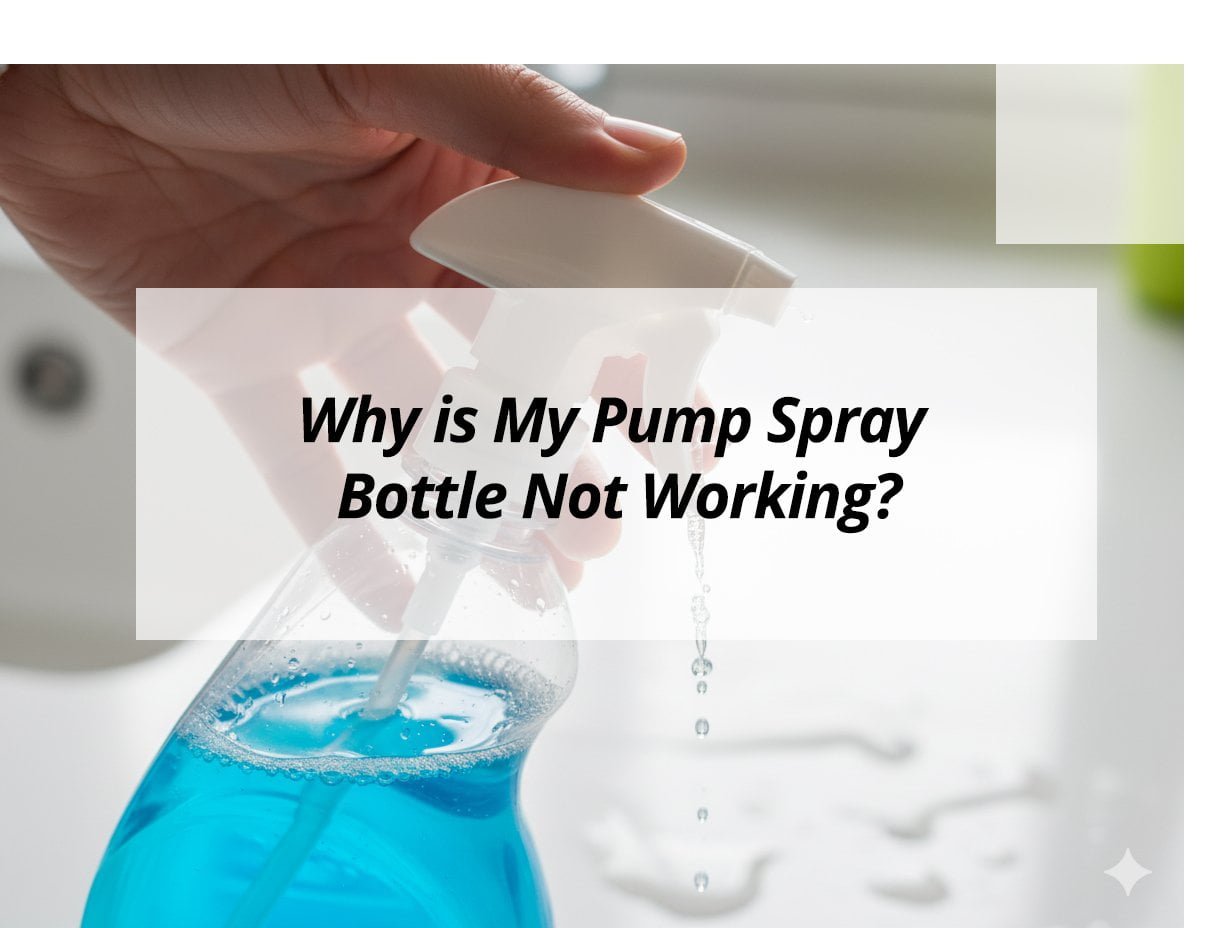
Struggling with a spray bottle that refuses to pump can be frustrating and disrupt your routine. Don't let it get you down.
A spray bottle can malfunction due to clogs, pressure issues, or faulty parts. To fix this, clean the nozzle, check for air leaks, and ensure all components are assembled correctly to restore functionality and ensure a hassle-free user experience.
Understanding the potential causes of a malfunctioning spray bottle can save you time and money. Let's explore how you can get it working again.
How do you fix a spray bottle that won't pump?
It can be annoying when a spray bottle1 doesn't work, especially when you need it most. Figuring out the issue is the first step.
To fix a bottle that won't pump, start by cleaning the nozzle and ensuring the dip tube isn't clogged. Disassemble and clean parts to restore functionality.
Begin by unscrewing the nozzle and rinsing it with warm water to remove any residues. Use a thin needle to clear blockages within the nozzle. Check the dip tube for clogs by running water through it. Reassemble the parts, ensuring that everything fits snugly. Such simple steps often resolve the issue, allowing the pump spray bottle to function properly once more.
Troubleshooting Steps
- Check Nozzle: Clean with warm water or a needle.
- Inspect Dip Tube: Ensure it's clear and unblocked.
- Reassemble Carefully: Secure all parts tightly.
Why is my sprayer pump not pressurizing?
A sprayer that doesn’t pressurize can disrupt your workflow. It’s vital to identify why it’s not building pressure.
The main reasons a sprayer pump won’t pressurize include air leaks, faulty seals, or damaged gaskets. Ensuring airtight seals and replacing worn parts can solve the issue.
Examine all connections for air leaks, as these will prevent pressure build-up. Tighten seals and replace any worn gaskets. Pay attention to the trigger mechanism, as a faulty spring may also cause pressure loss. Regular maintenance can prevent these issues and keep your sprayer performing optimally.
Diagnosing Pressure Problems
- Air Leaks: Check all connections.
- Gaskets and Seals: Replace if worn or damaged.
- Trigger Mechanism: Inspect for faulty parts.
Why is my pump bottle not working?
When your pump bottle stops working, it can be an unexpected disruption. Let's identify the common causes.
A pump bottle may fail due to clogs, a broken spring, or an improperly seated dip tube. Clearing debris and checking mechanical components can often resolve the problem.
Start by cleaning the pump components to remove any blockages. Evaluate the spring mechanism to see if it's broken, replacing if necessary. Ensure the dip tube is properly seated within the bottle, allowing liquid to be drawn up effectively. These steps are simple yet effective in restoring functionality.
Key Troubleshooting Points
- Clogs: Regular cleaning to prevent buildup.
- Spring Mechanism: Check and replace broken parts.
- Dip Tube: Confirm proper seating and alignment.
How to get an aerosol sprayer to work again?
An aerosol sprayer that doesn’t spray can be particularly frustrating. Getting it to work again is often straightforward.
If your aerosol sprayer stops working, check the nozzle for clogs and shake the can to resettle contents. Cleaning and ensuring proper storage are essential for smooth operation.
Begin by removing the nozzle and soaking it in warm water to clear blockages. Shake the can well to redistribute its contents, as separation can occur. Store the product at recommended temperatures to ensure the formula remains effective. Regular maintenance of the nozzle and proper usage will help prolong the sprayer’s lifespan.
Ensuring Aerosol Functionality
- Nozzle Maintenance: Regular cleaning.
- Proper Shaking: Helps resettle contents.
- Storage Conditions: Maintain optimal temperatures.
My insights: Troubleshooting Issues with Your Pump Spray Bottle
Frustrated with your spray bottle not working? Discover common issues and simple fixes to restore its functionality.
If your pump spray bottle isn't working, it may be due to clogs, trapped air, or mechanical problems. Clean the nozzle, release trapped air, and check for mechanical wear to resolve the issue.
Addressing Common Pump Spray Bottle Problems
1. Nozzle Clogs:
- Cause: Debris or dried residue blocking the nozzle.
- Solution: Remove the nozzle, soak it in warm water or vinegar, and clear using a pin.
2. Air Blockages:
- Cause: Trapped air after refilling.
- Solution: Pump the mechanism several times without the nozzle to release air, ensuring the dip tube reaches the liquid.
3. Mechanical Issues:
| Issue | Description | Fix |
|---|---|---|
| Pump Malfunction | Stiffness or damage affecting operation | Inspect for cracks, lubricate, and check seals |
| Improper Alignment | Components not aligned, disrupting function | Realign and secure parts |
| Liquid Levels | Low levels hindering proper priming | Refill to ensure sufficient liquid reach |
4. Additional Considerations:
- Thick Liquids: May require dilution for smoother operation.
- Mineral Deposits: Can be cleared with regular cleaning to prevent clogs.
By identifying these common issues and employing straightforward fixes, you can quickly restore the efficiency and functionality of your pump spray bottle.
Conclusion
Understanding common problems with spray bottles and sprayers can help maintain their functionality. Simple troubleshooting tips can often resolve issues quickly and efficiently.
-
Explore this link to understand various problems and solutions related to spray bottles. ↩