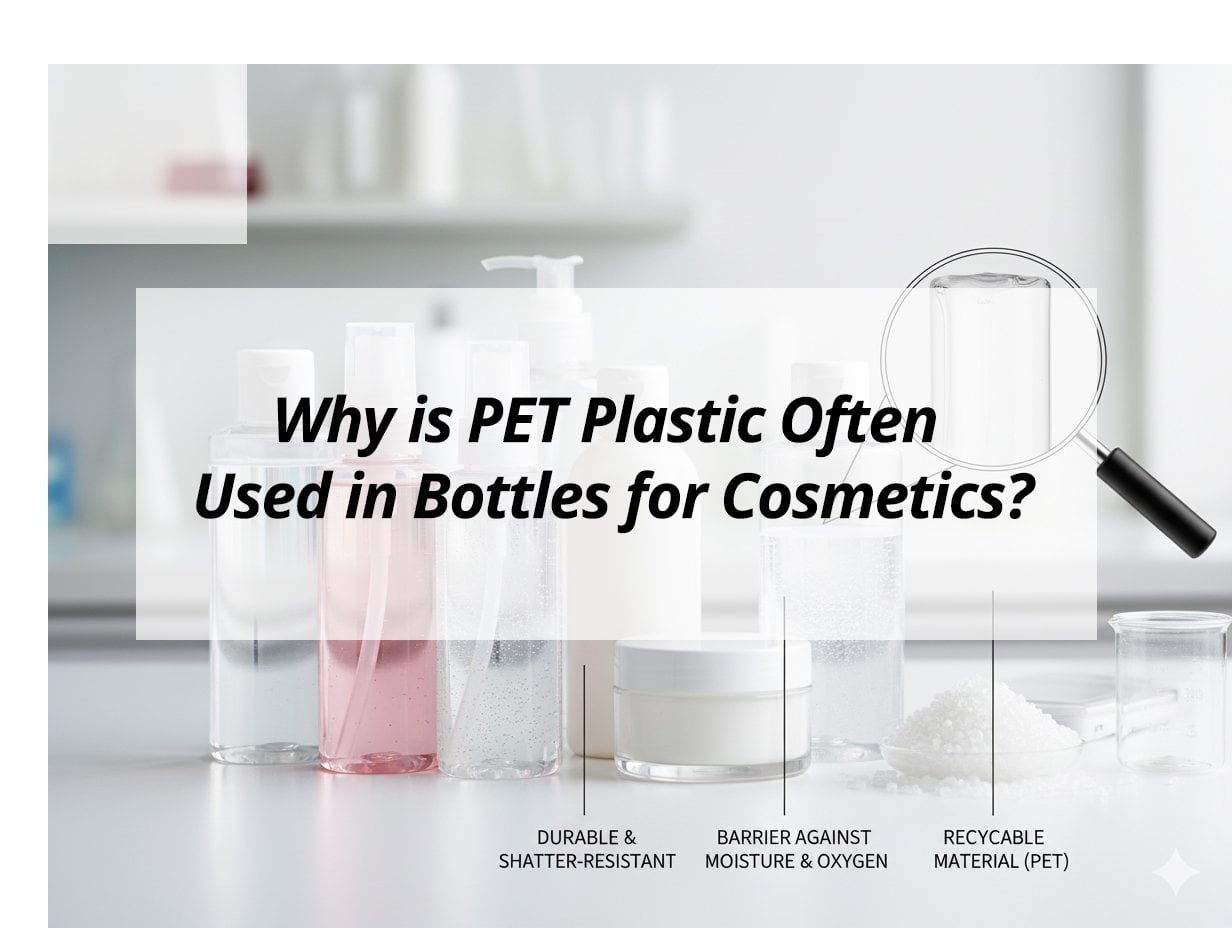
Curious why your favorite face cream comes in a PET bottle? PET plastic is a staple in the cosmetic industry for good reason!
PET plastic is often used in cosmetic bottles because it is durable, lightweight, and preserves product integrity. It's a safe and cost-effective choice that meets diverse packaging needs, ensuring products remain uncontaminated and fresh, which is essential for consumer safety and satisfaction.
PET has become the industry's go-to packaging material, but why is it preferred over other types? Let's delve into its safety and functionality.
Is PET plastic safe for cosmetics?
Worried about the safety of plastics in your cosmetics?
PET plastic is considered safe for cosmetic use as it is non-toxic, resistant to chemicals, and because it effectively protects the contents from contamination. Its composition ensures that it doesn't leach harmful substances into products, maintaining consumer safety.
PET’s reliability in containing products without compromising safety is a primary reason why cosmetic companies favor it.
Understanding PET’s Safety Features
PET plastic1’s safety for cosmetic use comes down to several key features:
Chemical Resistance2
-
Non-reactive: PET doesn’t react with most cosmetic ingredients, safeguarding against alterations in product composition.
-
Barrier Properties: Acts as a strong barrier against moisture and oxygen, preventing contamination and preserving product integrity.
Material Composition
-
Non-toxic Ingredients: PET is made from materials that are proven safe and widely tested for various applications.
-
Approval Standards: Meets global safety standards, ensuring consumer trust and product reliability.
Safety Versus Alternatives
-
PET: Offers high safety with minimal reaction to products and widespread global approval, making it a trusted choice for cosmetic packaging.
-
BPA-Free Plastics: Provides moderate safety with a greater likelihood of interaction with cosmetic ingredients, and approval varies by region.
Understanding these features highlights why PET stands out in the cosmetic industry. Its safety and effectiveness make it a preferred choice among manufacturers and consumers alike.
Why is PET used for plastic bottles?
Ever wondered why PET is everywhere in packaging?
PET plastic’s use in bottles is driven by its lightweight nature, affordability, and excellent durability. These qualities make it ideal for manufacturers seeking cost-effective solutions for diverse product needs without compromising quality.
PET bottles are highly versatile, meeting a wide range of cosmetic packaging requirements.
Exploring PET’s Advantages
PET’s prominent use in bottles is attributable to its numerous beneficial properties:
Efficiency and Cost
-
Lightweight Design: Significantly lowers transportation costs for bulk shipments. Its ease of transport and distribution enhances operational efficiency.
-
Cost-Effectiveness: Offers economical benefits, allowing for affordable mass production without sacrificing quality.
Durability and Versatility
-
Impact Resistance: Strong yet flexible, PET bottles withstand drops and impacts, ensuring product safety throughout handling.
-
Design Options: Easily molded into various shapes and sizes, providing versatile packaging options for brand differentiation.
Comparing Packaging Materials
| Property | PET | Glass | Metal |
|---|---|---|---|
| Weight | Lightweight | Heavy | Medium |
| Cost | Low | High | Medium |
| Durability | High | Fragile | High |
PET’s blend of cost efficiency and durability make it a strategic choice in competitive markets.
What are the disadvantages of PET bottles?
Considering the downside of using PET?
While PET plastic offers many benefits, it also poses challenges such as environmental impact and limitations in heat resistance. Proper disposal and recycling are crucial to minimize its footprint and the potential for microplastic pollution.
Understanding these drawbacks is essential for both manufacturers and consumers who prioritize sustainable practices.
PET Bottles' Downsides
Despite its advantages, PET plastic faces several disadvantages:
Environmental Concerns
-
Pollution Risk: Improper disposal can lead to environmental issues, contributing to plastic pollution. Efforts in recycling and sustainability are critical to address these impacts.
-
Recycling Challenges: While recyclable, the process requires efficient systems to effectively manage waste.
Limitations in Use
- Heat Sensitivity: PET bottles are not suitable for high-temperature products. Exposure to excessive heat can cause deformation and compromise product safety.
Addressing Environmental Impact
-
Pollution Risk: Carries a high impact, but this can be mitigated through effective recycling programs.
-
Heat Sensitivity: Poses a moderate risk that can be managed with controlled storage conditions.
Balancing PET’s advantages with its environmental footprint involves active strategies for sustainable use and disposal.
Is PET plastic FDA approved?
Curious about PET's regulatory status?
PET plastic is FDA approved for use in food and cosmetic packaging, affirming its safety and reliability. This approval reinforces consumer confidence in products packaged in PET bottles as maintaining high safety standards.
FDA approval underlines PET’s safe use, supporting its widespread adoption in the industry.
Regulatory Assurance
FDA’s approval involves stringent testing and compliance with safety regulations:
Approval Process
-
Rigorous Evaluation: PET undergoes comprehensive testing to ensure it meets health and safety standards.
-
Consistency: Continuously reviewed and monitored for compliance, ensuring that products adhere to evolving regulations.
Consumer Trust
-
Transparency: FDA approval provides consumers clear assurance of safety in their purchases.
-
Brand Confidence: Enables brands to market confidently, highlighting regulatory compliance.
Regulatory Framework Insights
| Regulatory Body | Approval Status | Monitoring Practices |
|---|---|---|
| FDA | Approved | Continuous Evaluation |
| EU Standards | Approved | Periodic Review |
Understanding these factors emphasizes PET’s strong standing in safe packaging, fostering industry and consumer trust.
My insights: PET Plastic Often Used in Bottles for Cosmetics
Worried about your cosmetic packaging's durability and sustainability? Discover why PET plastic is the go-to choice for beauty brands.
PET plastic is favored for cosmetic bottles due to its lightweight nature, impact resistance, and high clarity. It’s durable, recyclable, offers strong barrier protection, and is compatible with various formulations, making it cost-effective and eco-friendly.
Advantages of PET Plastic in Cosmetic Packaging
Durability and Functionality3:
- Impact Resistance: PET is shatter-resistant, reducing product loss and damage.
- Chemical Compatibility: Does not react with cosmetic formulations, preserving product integrity.
Design and Aesthetic Appeal:
- Clarity and Transparency: Enables consumers to view the product, enhancing trust.
- Versatility: Customizable into various shapes and sizes for brand differentiation.
Sustainability and Cost-effectiveness:
- Recyclability: PET is easily recyclable, supporting eco-friendly initiatives.
- Lightweight: Reduces shipping costs and carbon footprint.
Functional Benefits:
| Feature | Benefit |
|---|---|
| High Clarity | Attractive product display |
| Strong Barrier | Protects against moisture and oxygen |
| Cost-effective Production | Reduces overall packaging expenses |
PET's combination of durability, aesthetic appeal, and sustainability makes it an ideal choice for cosmetics, providing brands with a practical and appealing packaging solution.
Conclusion
PET plastic is favored in cosmetics for its safety, cost-effectiveness, and durability, despite environmental concerns. Its FDA approval solidifies its reliability as a packaging material.
-
Explore the advantages of PET plastic in cosmetics, including safety and effectiveness, to understand its popularity. ↩
-
Learn how PET's chemical resistance preserves cosmetic integrity and enhances product safety. ↩
-
Explore the durability and functionality of PET plastic that make it ideal for cosmetic packaging. ↩