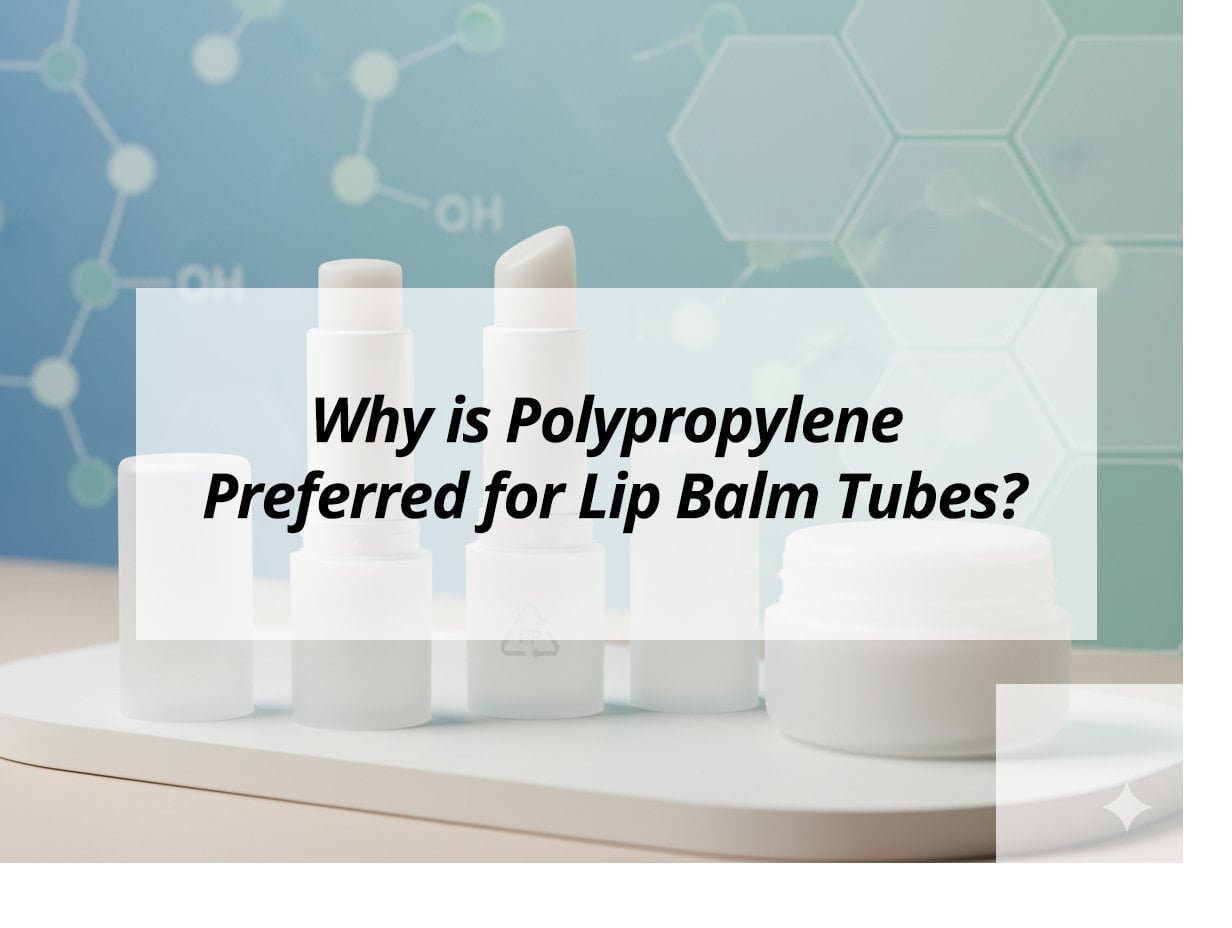
Choosing the right material for lip balm tubes is a critical decision for cosmetic brands. Many factors influence this choice, including product protection, user experience, and cost. Polypropylene frequently emerges as a leading material.
Polypropylene is a preferred material for lip balm tubes due to its balanced properties, including excellent chemical resistance, good impact strength, and a favorable cost-to-performance ratio. It provides a reliable barrier for the product, is safe for cosmetic applications, and allows for various design and manufacturing options, making it a versatile choice for packaging solutions.
The selection of packaging material directly impacts a product's integrity and market appeal. Understanding the characteristics of polypropylene helps clarify why it is so widely adopted for lip balm containers. This material helps ensure product safety and functionality.
What are the disadvantages of using polypropylene?
While polypropylene offers many benefits for lip balm tubes, it also has certain limitations. Acknowledging these drawbacks is essential for informed material selection and product development. No single material is perfect for every application.
Polypropylene's disadvantages include its susceptibility to UV degradation, which can lead to material weakening and discoloration over time. It can also present challenges in achieving high transparency and may have issues with certain bonding or printing processes without specific surface treatments. Its thermal expansion rate can also be a factor in designs requiring very tight tolerances across wide temperature ranges.
Considering these points helps mitigate potential issues in product design and performance. For instance, if a lip balm tube is intended for outdoor use, additional UV protection might be necessary. Recognizing these aspects allows for more effective packaging solutions.
UV Light Sensitivity
Polypropylene can degrade when exposed to ultraviolet (UV) light for extended periods. This degradation can result in the material becoming brittle, losing its mechanical strength, and experiencing discoloration. Such changes can affect both the integrity and appearance of the lip balm tube.
To counteract this, manufacturers may incorporate UV stabilizers into the polypropylene formula. This additive helps protect the plastic from the sun's harmful rays. Proper storage conditions also play a role in maintaining material quality.
Adhesion Challenges
The non-polar surface of polypropylene can make it challenging to bond with certain adhesives or to print on directly. This property means that standard glues or inks may not adhere effectively, which can impact labeling or decoration processes. Specialized primers or surface treatments, such as corona treatment, are often required.
These treatments alter the surface of the plastic, allowing for better adhesion of inks, coatings, and labels. This ensures that branding and product information remain clear and durable on the tube.
Thermal Expansion
Polypropylene exhibits a relatively high coefficient of thermal expansion. This means its dimensions can change noticeably with fluctuations in temperature. For applications requiring precise fits, such as multi-component packaging or mechanisms, significant temperature variations could lead to issues like loosening or warping.
Designers must account for this property by incorporating appropriate tolerances. This helps ensure that components fit correctly and function as intended across the expected temperature range during manufacturing, shipping, and consumer use.
Clarity Limitations
Compared to some other plastics like PET or polystyrene, polypropylene typically offers lower transparency. It often appears translucent or somewhat cloudy rather than crystal clear. This characteristic might be a drawback if a product's visual appeal heavily relies on the consumer being able to see the contents distinctly.
However, advancements in polypropylene grades can offer improved clarity. For many lip balm applications, a translucent finish is acceptable or even desired for its aesthetic. The choice depends on the specific visual requirements of the product.
Which is better, polystyrene or polypropylene conical tubes?
When evaluating polystyrene (PS) and polypropylene (PP) for conical tubes, their distinct properties guide the selection process. Both are polymers used in various applications, but their performance characteristics differ significantly, making each suitable for specific needs.
Polypropylene is generally considered superior for conical tubes requiring high durability, chemical resistance, and flexibility, often making it the preferred choice for laboratory or industrial applications. Polystyrene, conversely, excels in applications where optical clarity, rigidity, and a more economical cost for disposables are primary concerns. The choice between them depends on the specific functional and visual requirements of the conical tube.
Understanding the core differences between these materials helps in making an appropriate selection. The intended use, environmental conditions, and required lifespan of the tube are key factors in this decision-making process.
Key Differences Between Polystyrene and Polypropylene
| Feature | Polypropylene (PP) | Polystyrene (PS) |
|---|---|---|
| Durability | High impact strength, very durable | Brittle, lower impact strength, can crack easily |
| Flexibility | Flexible, can withstand bending | Rigid, less flexible, prone to snapping |
| Transparency | Translucent, semi-clear | High clarity, transparent, glass-like |
| Chemical Resist | Excellent resistance to many organic solvents and acids | Good for some acids and bases, poor for many organic solvents |
| Temperature | Higher heat deflection temperature, autoclavable | Lower heat resistance, not suitable for high heat |
| Cost | Moderate cost, good value for performance | Often lower cost for basic applications |
| Typical Use | Labware, reusable containers, caps | Disposable labware, clear display cases, food trays |
For conical tubes, especially those used in scientific or medical fields, attributes such as mechanical strength, resistance to chemical reagents, and sterilizability are often paramount. These requirements frequently position polypropylene as the more suitable material. The functional demands of the tube dictate which material is ultimately "better."
Should I avoid polypropylene?
The question of whether to avoid polypropylene arises in various contexts, often due to general concerns about plastics. However, for cosmetic packaging applications like lip balm tubes, polypropylene is a well-established and generally safe material.
There is no broad recommendation to avoid polypropylene, especially for cosmetic packaging where it offers significant advantages. It is a widely accepted and rigorously tested material. While concerns about plastics exist, polypropylene is considered stable and does not readily leach harmful chemicals. The decision to use or avoid it should be based on specific product requirements and material properties, rather than general misconceptions.
Careful consideration of the material's safety profile and performance characteristics is crucial. Polypropylene has been extensively evaluated and is approved for use in numerous consumer products. Its benefits often outweigh the generalized concerns.
Safety and Health Considerations
Polypropylene is recognized for its inertness, meaning it is not highly reactive with its contents. This makes it a safe choice for packaging personal care products, including lip balms. It does not contain BPA or phthalates, which are common concerns with other plastics. Its stability ensures that the cosmetic product remains uncontaminated.
Regulatory bodies worldwide approve polypropylene for direct contact with food and cosmetics. This approval highlights its safety profile in consumer applications.
Environmental Aspects
Polypropylene is a recyclable plastic, identified by the resin code "5." Its recyclability helps reduce its environmental footprint. However, the actual recycling infrastructure varies geographically. Promoting proper disposal and supporting recycling initiatives are important aspects of using polypropylene responsibly.
Manufacturers are also exploring options for using recycled polypropylene content in new packaging. This further enhances its sustainability credentials.
Performance in Cosmetic Packaging
For lip balm tubes, polypropylene offers a balance of properties that are highly desirable. It provides sufficient rigidity to protect the product, a smooth surface for branding, and resistance to the ingredients typically found in lip balms. Its cost-effectiveness also makes it an attractive option for large-scale production.
Alternative materials exist, but polypropylene often provides the most balanced solution regarding cost, performance, and safety for this specific application.
Which is better, polypropylene or polyethylene?
Polypropylene (PP) and polyethylene (PE) are both polyolefin plastics, widely used in packaging. They share some similarities but also possess distinct characteristics that make them suitable for different applications. Determining which is "better" depends entirely on the specific requirements of the product.
Polypropylene is generally preferred for applications demanding higher stiffness, greater heat resistance, and better scratch resistance, making it suitable for rigid containers, caps, and closures. Polyethylene, particularly high-density polyethylene (HDPE), is typically chosen for its flexibility, superior impact strength at lower temperatures, and excellent moisture barrier properties, ideal for squeezable bottles and films. For lip balm tubes, PP is often selected for its structural integrity and aesthetic finish, while PE might be considered if a softer, more squeezable container is desired.
The choice between PP and PE is driven by a detailed assessment of the product's functional needs, user interaction, and environmental exposure. Each material has unique strengths that make it optimal for particular roles.
Comparative Properties of PP and PE
| Feature | Polypropylene (PP) | Polyethylene (PE) |
|---|---|---|
| Stiffness/Rigidity | More rigid, higher tensile strength | More flexible, softer (especially LDPE) |
| Heat Resistance | Higher melting point, good for hot filling and sterilization | Lower melting point, less suitable for high heat |
| Scratch Resistance | Better resistance to surface scratching | Softer surface, more prone to scratching |
| Clarity | Translucent | Ranges from translucent (HDPE) to clear (LDPE) |
| Chemical Resistance | Good resistance to many acids, bases, and organic solvents | Excellent resistance to many chemicals |
| Impact Strength | Good impact resistance | Excellent impact resistance, especially at low temperatures |
| Density | Lower density, often lighter | Varies (HDPE is denser than PP, LDPE is less dense) |
For lip balm tubes, polypropylene's stiffness helps maintain the tube's shape and integrity, contributing to a premium feel. Its heat resistance is also beneficial during manufacturing and in various climates. If the design calls for a tube that offers a slight squeeze for product dispensing, certain grades of polyethylene might be explored. The ideal selection matches the material's properties to the desired product characteristics and functionality.
My Insights: Why is Polypropylene Preferred for Lip Balm Tubes?
Curious why polypropylene is the go-to choice for lip balm tubes? Discover the advantages that make it ideal for product packaging.
Polypropylene (PP) is favored for lip balm tubes due to its chemical resistance, durability, and cost-effectiveness. It withstands heat during filling, resists oils, and maintains product integrity, making it perfect for preserving lip balm quality.
The Advantages of Polypropylene in Lip Balm Packaging
Chemical and Temperature Resistance
Polypropylene's resistance to oils and chemicals ensures the tube doesn’t react with the balm. It also withstands high temperatures during the filling process, preventing deformation.
Durability and Cost-Effectiveness
PP is lightweight yet robust, providing impact resistance and longevity at a low cost. This makes it suitable for everyday handling without compromising quality.
| Aspect | Explanation |
|---|---|
| Chemical Resistance | Prevents reactions with oils and flavors, maintaining integrity |
| Temperature Tolerance | Withstands hot-filling processes without warping |
| Durability | Impact-resistant for daily use, ensuring longevity |
| Cost | Affordable due to low resin use, reducing production costs |
| Recyclability | Classified as recyclable, though actual rates vary |
Polypropylene's attributes align with consumer and manufacturing needs, supporting sustainability while delivering effective, attractive packaging.
Conclusion
Polypropylene is a strong contender for lip balm tube packaging. It offers a good balance of durability, chemical inertness, and cost-effectiveness. While there are some limitations, careful material selection addresses these.