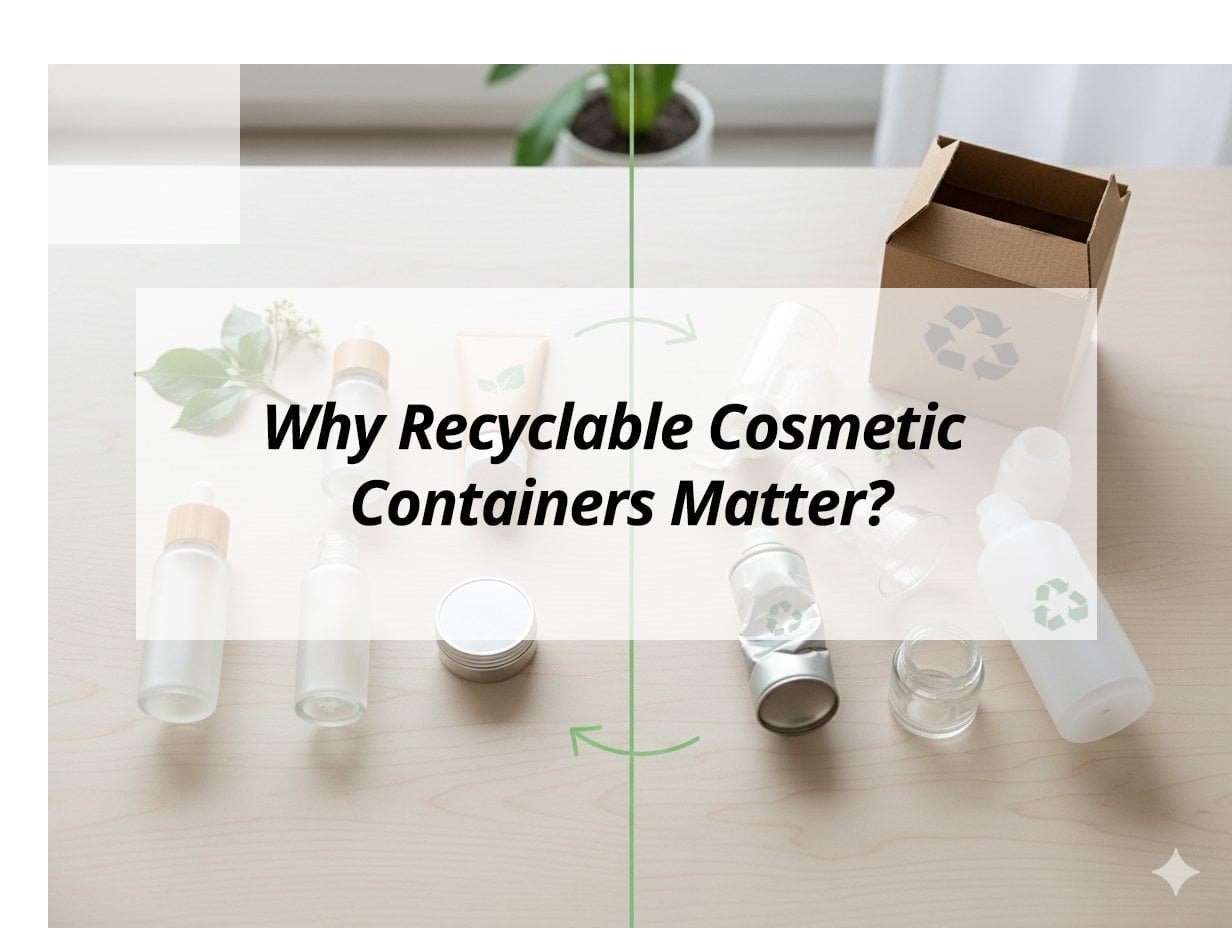
In an era where environmental consciousness is vital, the cosmetic industry is transforming its approach to packaging. With sustainability in focus, recyclable containers are becoming more essential. Why is this shift crucial?
Recyclable cosmetic containers reduce waste and conserve resources by utilizing sustainable materials. This approach helps minimize environmental impact and meets the increasing consumer demand for eco-friendly products, highlighting the importance of sustainable practices in the cosmetic industry.
Grasping the importance of recyclable packaging can empower both businesses and consumers to make informed, sustainable choices.
Can you recycle cosmetic containers?
The cosmetic industry utilizes diverse materials, each presenting unique recycling challenges. So, can these containers be effectively recycled?
Yes, many cosmetic containers can be recycled, but it requires proper sorting and cleaning. Containers made of glass, some plastics, and metals can often be recycled if local facilities accept them. Consumers must verify community guidelines1 for accurate disposal.
Understanding recycling nuances requires active participation from producers and conscientiousness from consumers.
Material Matters
Recycling cosmetic containers2 involves recognizing the materials and local recycling capabilities.
Common Recyclable Materials
- Glass: Often preferred due to its recyclability and retention of quality through numerous cycles.
- Aluminum: Fully recyclable and valuable, frequently used in cans and tubes.
- Certain Plastics: Plastics labeled with recycling codes 1 (PET) and 2 (HDPE).
Properly recycling demands consumers clean containers and detach non-recyclable parts. Brands should label clearly to guide users. Simplifying the recycling process can significantly boost participation rates.
Recycling is vital in minimizing waste and reducing the environmental footprint of the beauty sector. Awareness can drive both consumer and industry actions toward sustainable practices.
Why is it important to use recyclable packaging?
Utilizing recyclable packaging3 isn't merely an industry trend; it's a vital aspect of corporate responsibility toward the planet. But why is this importance so profound?
Using recyclable packaging reduces landfill waste, conserves resources, and curbs pollution. By transforming these materials into new forms, we can foster a circular economy, promoting sustainability within the industry.
The broad impact of recyclable packaging transcends individual products, resonating with ecological ambitions.
Benefits Beyond Waste Reduction
Recyclable packaging provides substantial benefits on various fronts:
Environmental Impact
- Waste Reduction: By opting for recyclable materials, landfill volumes and pollution are significantly decreased.
- Resource Conservation: Processing recycled materials often requires less energy than using raw resources.
| Impact | Benefits |
|---|---|
| Waste Reduction | Leads to fewer landfills and a cleaner environment. |
| Resource Conservation | Results in lower energy consumption and resource depletion. |
Economic and Brand Benefits
- Cost Efficiency: In the long haul, recycling programs can be more cost-effective than traditional waste disposal.
- Brand Reputation: As consumers lean towards brands that align with their ecological values, companies can boost loyalty by embracing sustainable practices.
Adopting recyclable packaging can play a substantial role in environmental protection, aligning businesses with consumer values and promoting a positive corporate image.
What impact does cosmetic packaging have on the environment?
Cosmetic packaging is often critiqued for its wide-ranging environmental impact. But just how significant is this influence?
Cosmetic packaging contributes to environmental degradation through non-biodegradable waste and resource-heavy production. A lack of proper recycling leads to many containers ending up in landfills or oceans, exacerbating ecological harm.
Comprehending these impacts can inspire improved practices and stimulate industry evolution.
Facing the Ecological Cost
The production and disposal of cosmetic packaging have extensive detrimental effects:
- Pollution Impact: Both landfills and oceans face increasing threats from packaging waste, which disrupts ecosystems and endangers wildlife.
- Toxic Chemicals: Some materials release harmful pollutants that poison soil and waterways as they break down.
Resource Depletion: Energy and water consumption in manufacturing stresses natural resources and adds to scarcity issues.
Recognizing these impacts emphasizes the need for sustainable innovation in packaging, motivating a shift toward renewable options.
Where do 79% of all plastic products end up?
The concerning statistics of plastic waste highlight an urgent global challenge. So, where does most of this waste actually go?
Alarmingly, 79% of all plastic products end up in landfills or the environment. This staggering figure reflects a recycling shortfall, leading to widespread ecological damage.
Addressing this issue requires coordinated industry actions to embrace sustainable improvements.
Navigating Plastic's Lifecycle
Examining the lifecycle and eventual fate of plastics emphasizes the critical need for change:
Lifecycle Analysis
- Initial Use: Valued for durability and convenience, plastics are widely used in various industries.
- End of Life: Poor recycling infrastructure and participation result in a landfill-heavy end.
| Stage | Description |
|---|---|
| Initial Use | Plastics provide long-lasting utility and convenience. |
| End of Life | Predominantly landfill-bound, putting ecological stress. |
Mitigation Strategies
- Recycling Investment: Enhance recycling facilities and capabilities to handle plastic waste more efficiently.
- Biodegradable Alternatives: Develop and promote plastics that can naturally decompose without causing harm.
This challenge isn't merely a momentary concern but a lasting responsibility that requires holistic efforts from industries and consumers alike.
My insights: Recyclable Cosmetic Containers Matter
Worried about the environmental impact4 of your beauty routine? Switching to recyclable cosmetic containers is a key step toward sustainable beauty.
Recyclable cosmetic containers significantly reduce environmental impact by minimizing landfill waste and conserving natural resources. They meet consumer demand for sustainable products, support regulatory compliance, and enhance brand reputation through responsible packaging practices.
The Importance of Recyclable Cosmetic Containers
Environmental Benefits:
- Waste Reduction: Recyclable containers decrease landfill overflow and support zero-waste initiatives by utilizing materials like PCR plastics and aluminum.
- Resource Conservation: These containers minimize reliance on virgin materials, reducing carbon emissions and conserving essential resources—energy and water.
Consumer and Market Demand:
- Eco-Conscious Appeal: Consumers prioritize brands offering sustainable packaging, fostering brand loyalty and positioning companies as environmental leaders.
- Innovative Design: Demand encourages developments like mono-material designs and refill systems, which streamline recycling processes.
Business Advantages:
- Regulatory Compliance and Image: Businesses benefit from meeting sustainability regulations and improving brand reputation without compromising aesthetics or performance.
- Circular Economy Support: Reusing materials contributes to a sustainable cycle, reducing the ecological footprint of beauty products.
| Aspect | Benefit |
|---|---|
| Waste Reduction | Cuts landfill waste |
| Resource Conservation | Saves energy and water |
| Consumer Appeal | Boosts brand loyalty |
| Circular Economy | Promotes material reuse |
Ultimately, recyclable cosmetic containers are essential for environmental responsibility and consumer satisfaction, driving both innovation and sustainability in the beauty industry.
Conclusion
Recyclable cosmetic containers are pivotal in advancing sustainable practices across the beauty industry, aiding in waste reduction and ecological conservation goals.
-
Find out how local recycling guidelines can help you dispose of cosmetic containers correctly. ↩
-
Explore this link to understand how to properly recycle cosmetic containers and contribute to sustainability. ↩
-
Learn about the significance of recyclable packaging in enhancing brand reputation and reducing waste. ↩
-
Discover the ecological consequences of cosmetic packaging and how to mitigate them. ↩