In the cosmetic industry, sustainability is becoming a game-changer. Brands must adapt to eco-friendly options to remain competitive.
PCR (Post-Consumer Recycled) plastic revolutionizes cosmetic packaging by minimizing environmental impact and enhancing sustainability. It's cost-effective and eco-friendly, allowing brands to attract environmentally conscious consumers while delivering high-quality packaging solutions that align with modern sustainability goals and consumer expectations for eco-responsibility.
Understanding the power of PCR plastic can set your brand apart. Let's delve into why it's the future.
What are the benefits of PCR packaging?
Sustainability is no longer optional; it's a necessity. How does PCR packaging1 help businesses achieve this?
PCR packaging significantly reduces landfill waste, conserves resources, and enhances brand image by appealing to eco-minded consumers, all while being cost-effective and meeting quality standards.
With sustainability at the forefront, let's explore how PCR packaging leads the way.
Understanding the Benefits of PCR Packaging
PCR packaging offers several advantages:
-
Environmental Savings2: Utilizing recycled materials helps reduce waste and energy consumption, contributing to a sustainable future.
-
Financial Efficiency3: PCR materials are often more affordable, allowing businesses to maintain competitive pricing without sacrificing quality.
-
- Market Appeal: Attracts eco-conscious consumers.
- Compliance: Aligns with evolving environmental regulations.
Incorporating PCR can give your brand a competitive edge. As consumers and regulations demand more sustainable practices, being a pioneer in this area can enhance reputation and consumer trust.
What are the 4 applications of plastic?
Plastic is versatile, yet often misunderstood. What are its primary applications?
Plastic serves critical roles in packaging, construction, automotive, and electronics due to its durability, flexibility, and cost-effectiveness, making it indispensable in modern industries.
Understanding plastic's applications helps in leveraging its benefits. Here's how it supports diverse sectors.
Exploring the Applications of Plastic
Plastic's versatility enables its use in:
-
Packaging: Essential for preserving product integrity, plastic packaging offers solutions that are lightweight and adaptable. Its design flexibility allows customized branding, making it a choice for many businesses.
-
Construction:
- Durability: Used in pipes, insulation, and fittings, plastic is a mainstay in modern construction for its longevity.
- Efficiency: Its lightweight nature decreases transportation costs and eases installation.
-
Automotive:
- Innovation: Lightweight components help improve fuel efficiency in vehicles.
- Safety: Durable plastic parts enhance safety features like airbags and bumpers.
-
Electronics:
Sector Function Circuit Boards Insulation and protection Device Casings Durability and lightweight options
Each application highlights plastic's essential role in our lives. Leveraging these benefits can drive efficiency and innovation, crucial characteristics that resonate with quality-sensitive customers like Mary.
What are the advantages of using plastic as a packaging material?
Despite controversies, plastic remains widely used. Why?
Plastic's strengths lie in its lightweight nature, durability, flexibility, and cost-effectiveness, making it a key player in packaging by ensuring products are protected, visually appealing, and affordable.
Plastic's role in packaging offers unparalleled benefits. Let's uncover why it continues to dominate.
Why Plastic Excels in Packaging
Plastic's packaging advantages include:
-
Material Efficiency: Easily molded into diverse shapes, providing endless design possibilities for different brands' aesthetic and functional needs.
-
Protection and Safety:
- Barrier Properties: Protects sensitive products like cosmetics.
- Resilience: Ensures product integrity during transport and storage.
-
Economic Impact:
- Cost Efficiency: Offers lower production and material costs.
- Scalability: Easily manufactured in large volumes to meet demand.
The practicality of plastic ensures it remains a staple in packaging solutions, benefiting brands aiming for scalability and efficiency. For companies targeting markets sensitive to both price and performance, these advantages offer essential support.
What is PCR cosmetic packaging?
Eco-conscious beauty is on the rise. How does PCR play a role?
PCR cosmetic packaging5 utilizes recycled consumer plastics, offering sustainable alternatives that reduce waste and maintain the high-quality aesthetics demanded by the cosmetic industry.
Understanding PCR in cosmetics can position your brand as eco-friendly leaders. Here's how it works.
The Impact of PCR in Cosmetic Packaging
PCR in the cosmetic sector is gaining traction due to:
-
Sustainability: By repurposing consumer waste, PCR reduces environmental impact right at the source. It emphasizes a circular economy that prioritizes reuse over disposal.
-
Quality and Customization:
- Aesthetics: PCR materials achieve the same visual standards as new plastics, allowing consistent branding.
- Functionality: Provides essential barriers needed for product preservation without sacrificing quality.
-
Brand Alignment:
Aspect Benefit Eco-Credentials Boosts market perception as a green brand. Consumer Engagement Appeals to the growing demographic of eco-aware customers.
Adopting PCR allows brands to meet the demands of an informed consumer base, ensuring an offer that’s both responsible and appealing. This can be particularly advantageous for those targeting environmentally conscious markets.
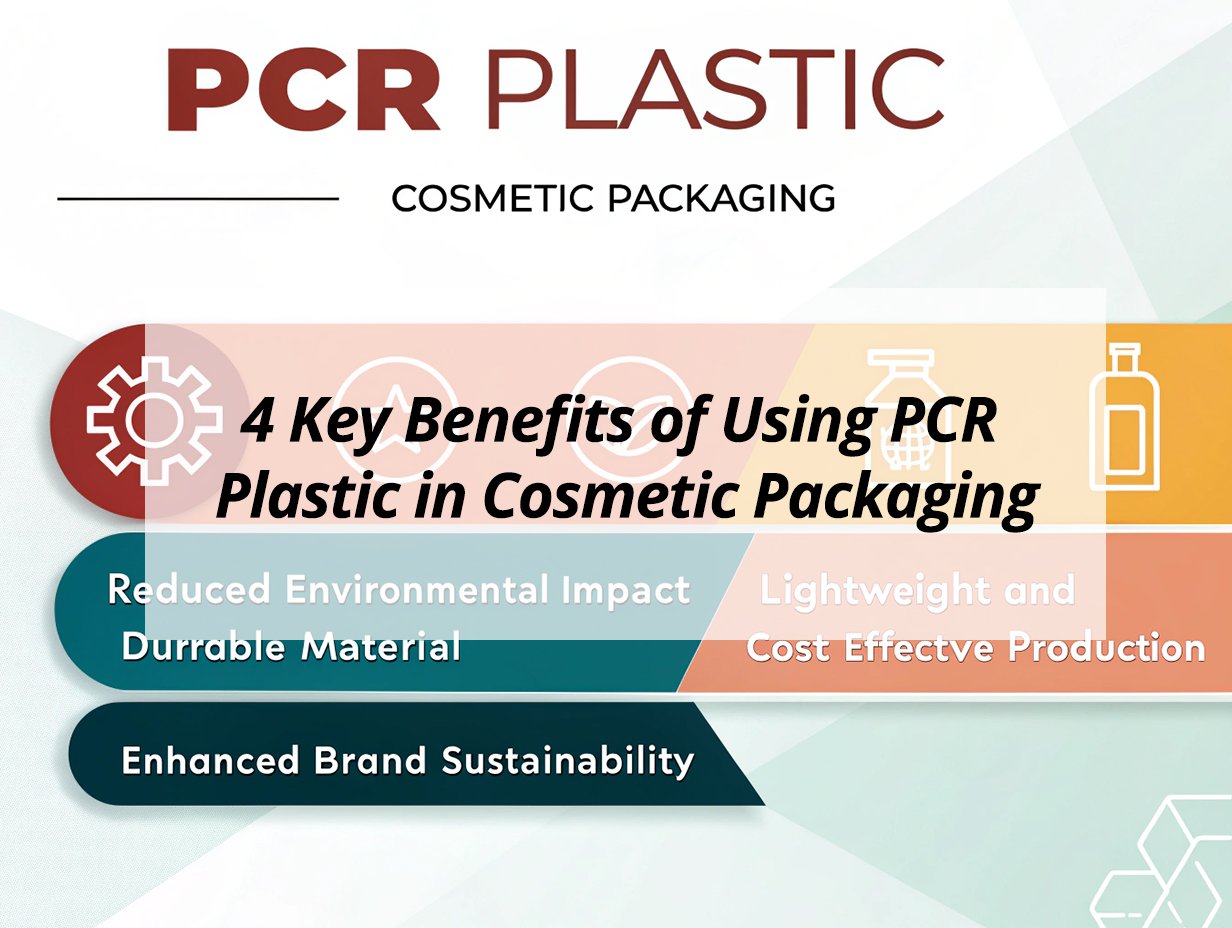
My insights: The Key Benefits of Using PCR Plastic in Cosmetic Packaging
Elevate your brand's sustainability while maintaining quality—discover the transformative benefits of PCR plastic in cosmetic packaging.
Using PCR plastic in cosmetic packaging reduces environmental impact, delivers performance comparable to traditional plastics, enhances brand perception, and supports circular economy initiatives. It's a smart choice for eco-conscious brands.
Key Benefits of PCR Plastic
PCR plastic offers transformative advantages for cosmetic packaging:
| Benefit | Description |
|---|---|
| Environmental Impact | Diverts plastics from landfills, reduces carbon emissions, and conserves resources. |
| Performance | Matches the durability and quality of virgin plastics, ensuring product safety. |
| Brand Enhancement | Aligns with consumer demand for sustainability, boosting brand loyalty. |
| Circular Economy | Promotes material reuse, helping meet regulatory and sustainability goals. |
Strategic Implications
-
Sustainability Leadership: By using PCR, brands demonstrate leadership in sustainability, attracting eco-conscious consumers and enhancing market position.
-
Quality Assurance: PCR materials provide reliable packaging performance, ensuring products are protected while supporting green initiatives.
-
Regulatory Compliance: With increasing environmental regulations, PCR plastic helps brands stay ahead of trends and capitalize on sustainable practices.
Adopting PCR plastic not only fulfills ecological and consumer demands but also strengthens brand reputation, making it a strategic choice for innovative cosmetic packaging solutions.
Conclusion
Embracing PCR plastic in cosmetic packaging offers a sustainable edge while meeting quality and cost demands. Brands leveraging this innovation can lead in eco-responsibility and consumer appeal.
-
Explore how PCR packaging can enhance sustainability and brand image while being cost-effective. ↩
-
Learn about the significant impact of using recycled materials on waste reduction and energy conservation. ↩
-
Discover how PCR materials can help businesses maintain competitive pricing without compromising quality. ↩
-
Understand how eco-friendly practices can attract eco-conscious consumers and enhance brand reputation. ↩
-
Understand how PCR cosmetic packaging utilizes recycled materials to create sustainable beauty products. ↩