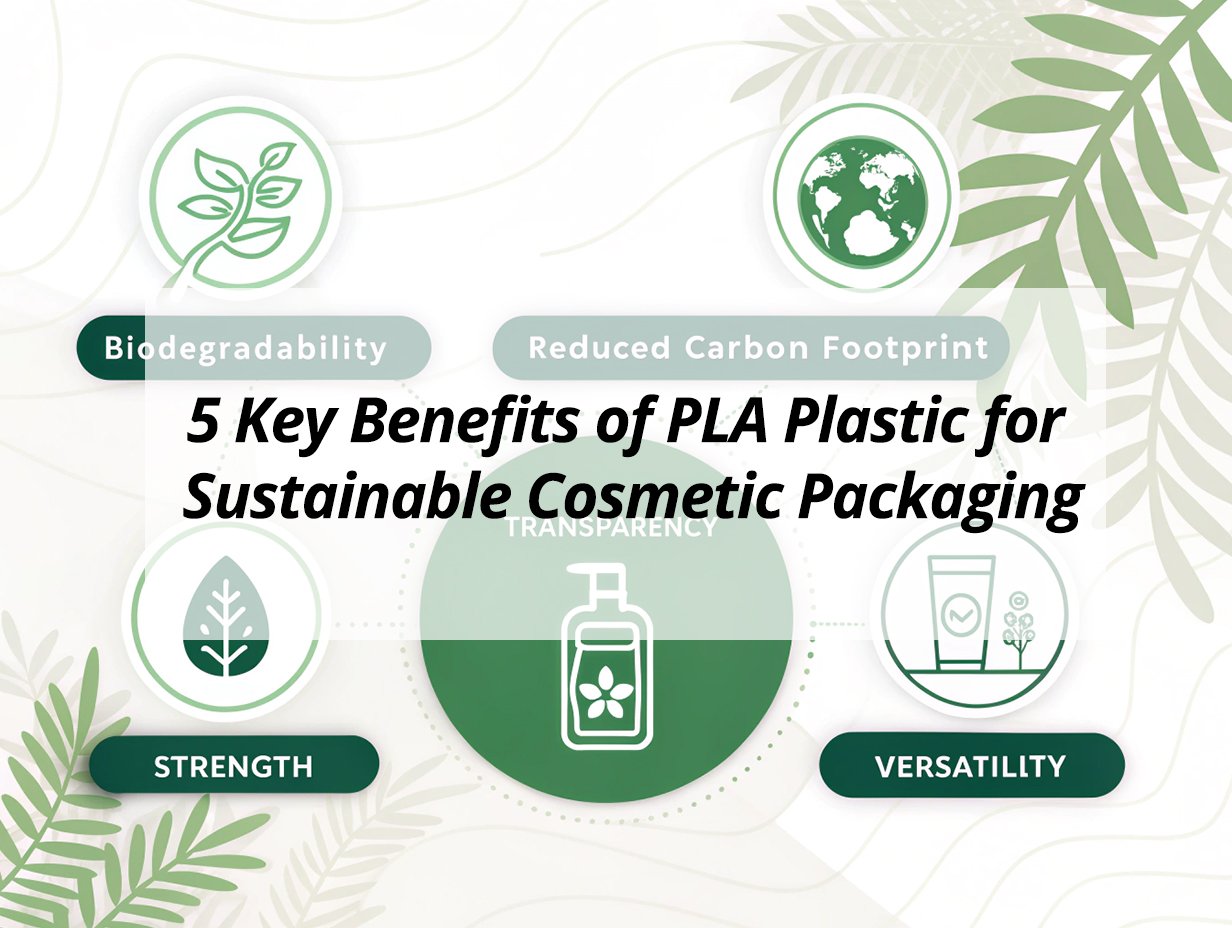
In an age where sustainability is crucial, choosing the right packaging material is vital.
PLA plastic, made from renewable resources such as corn starch, is a biodegradable option gaining popularity in cosmetic packaging. Its reduced environmental impact compared to traditional plastics makes it an ideal choice for brands focused on sustainability. PLA supports eco-conscious initiatives, offering a greener alternative in the industry.
PLA is gaining traction as a sustainable alternative. Let's explore why it's becoming essential for forward-thinking brands.
What are the advantages of PLA plastic?
Embracing eco-friendly materials can be overwhelming. Grasp the essentials of PLA to make informed choices.
PLA is derived from renewable resources and is biodegradable. It offers significant environmental benefits over petroleum-based plastics. It fits seamlessly into sustainability goals, showcasing a brand's commitment to the environment while maintaining packaging integrity.
The advantages of PLA to understand its role in sustainable practices:
Exploring the Advantages of PLA
Using PLA in packaging offers numerous benefits that align with modern-day eco-conscious values.
Renewable and Biodegradable
PLA originates from resources like corn, reducing fossil fuel dependency. It biodegrades under industrial composting conditions.
- Resource Origins: Renewable crops like corn starch
- Environmental Impact: Lower carbon emissions during production
Consumer Perception1
Consumers are driving demand for green products. PLA packaging enhances brand reputation among environmentally-aware customers.
- Perception: Seen as a greener option
- Reputation: Boosts brand image with sustainability
Summary Table
| Advantage | Description |
|---|---|
| Renewable Resources2 | Reduces reliance on fossil fuels. |
| Biodegradability | Breaks down in industrial composting settings. |
| Consumer Perception1 | Enhances eco-friendly brand image. |
Why is PLA good for packaging?
Packaging must align with environmental values today. PLA meets these needs effectively.
PLA offers transparency and durability, maintaining product quality while being eco-friendly. Its compostable nature helps reduce landfill waste, aligning with sustainable goals.
Understanding its packaging benefits can help leverage PLA advantages:
PLA's Packaging Suitability
PLA's properties make it an ideal choice for a variety of packaging needs.
Transparency and Durability3
PLA provides a clear, appealing look and is strong enough for various cosmetic applications.
- Look: Transparent, enhancing product display
- Strength: Durable under normal use
Reduced Landfill Impact4
As PLA is compostable, it contributes less to landfill waste.
- Compostability: Effective waste reduction
- Environmental Benefit: Lower landfill contributions
Key Properties Table
| Property | Benefit |
|---|---|
| Transparency | Enhances visual appeal. |
| Durability | Suitable for various cosmetic products. |
| Compostability | Reduces landfill waste. |
Is PLA a sustainable plastic?
Making sustainable choices is complex. PLA simplifies this process for eco-focused brands.
PLA stems from renewable plants and is an eco-conscious packaging choice. It's compostable and assists in lowering carbon footprints, aligning with global sustainability goals.
Exploring its sustainability helps in making informed material decisions:
Unpacking PLA's Sustainability
PLA's renewable nature and compostability underscore its sustainability credentials.
Composting and Lifecycle
PLA decomposes in industrial composting, reducing sustainability concerns associated with waste.
- Lifecycle: Completes an eco-friendly cycle from use to compost
- Industrial Composting: Supports responsible disposal
Carbon Footprint
PLA's production emits less greenhouse gases, enhancing its sustainable appeal.
- Emission Reduction: Lower greenhouse gas output
- Eco-Friendly Cycle: Completes a renewable lifecycle
Sustainability Insights Table
| Aspect | Explanation |
|---|---|
| Composting | Supports waste reduction through decomposition. |
| Greenhouse Gas Emissions | Lowered through production. |
| Lifecycle Completion | Starts and ends in eco-friendly ways. |
What are the benefits of plastic packaging?
Understanding plastic's role can guide better packaging decisions for your brand.
Plastic offers versatility and cost-effectiveness. PLA specifically adds an environmental edge, providing a sustainable balance between performance and planet-friendly practices.
Explore how PLA incorporates into the broader advantages of plastic packaging:
Analyzing Plastic Packaging Benefits
Plastic remains a fundamental packaging choice for various reasons.
Versatility and Cost
Its adaptability in design and production costs makes it a favorite across industries.
- Adaptability: Applies to numerous forms and functions
- Cost Efficiency: Affordable production and customization
Environmental Integration with PLA
PLA adds sustainability to the known benefits of plastic, bridging functionality with ecological consciousness.
- Sustainability Addition: Merges traditional benefits with eco-awareness
- Functional Balance: Offers performance without environmental compromise
Benefits Overview Table
| Benefit | PLA Enhancement |
|---|---|
| Versatility | Maintains adaptability with sustainability. |
| Cost Efficiency | Continues affordable options for brands. |
| Sustainability Inclusion | Combines environmental care with plastic utility. |
My insights: The Key Benefits of PLA Plastic for Sustainable Cosmetic Packaging
Explore how PLA plastic is revolutionizing cosmetic packaging with its eco-friendly features and stylish design versatility.
PLA plastic provides renewable, biodegradable, and compostable options for cosmetic packaging. It lowers carbon emissions, is non-toxic, and offers an attractive aesthetic, making it ideal for sustainable brand initiatives.
Advantages of PLA Plastic in Packaging
PLA (Polylactic Acid) plastic offers several benefits for sustainable cosmetic packaging:
| Benefit | Description |
|---|---|
| Renewable Resources | Made from plant-based materials like corn starch, reducing fossil fuel usage. |
| Biodegradability | Breaks down into non-toxic components under industrial composting, minimizing landfill waste. |
| Lower Carbon Footprint | Manufacturing emits less greenhouse gases compared to conventional plastics. |
| Non-Toxicity | Safe for product contact, FDA-approved, and doesn't leach harmful chemicals. |
| Aesthetic Appeal | Offers clarity and gloss, allowing for diverse and customizable packaging designs. |
Strategic Use in Cosmetics
- Marketing Benefits: Brands can leverage PLA’s eco-friendly properties in marketing campaigns, emphasizing sustainability.
- Design Flexibility: The clear and glossy finish enhances product presentation, catering to both beauty and environmental goals.
- Environmental Responsibility: Requires industrial composting facilities to achieve full biodegradability, highlighting the need for proper infrastructure.
PLA plastic is a compelling choice for cosmetic brands aiming to align with both aesthetic and environmental imperatives, making a positive impact on consumers and the planet.
Conclusion
PLA plastic offers renewable, durable, and environmentally conscious packaging solutions, harmonizing modern sustainability demands with traditional plastic benefits.
-
Understand how eco-friendly packaging can enhance brand image and attract environmentally-conscious customers. ↩ ↩
-
Explore how renewable resources like corn starch can reduce fossil fuel dependency and enhance sustainability. ↩
-
Discover how transparency and durability in packaging can improve product display and customer satisfaction. ↩
-
Find out how compostable materials contribute to waste reduction and support sustainable waste management. ↩