Plastic lotion bottles are common in homes and businesses. Many people wonder if these containers can be recycled. Understanding the recycling process for these bottles is important. It helps manage waste and supports environmental efforts.
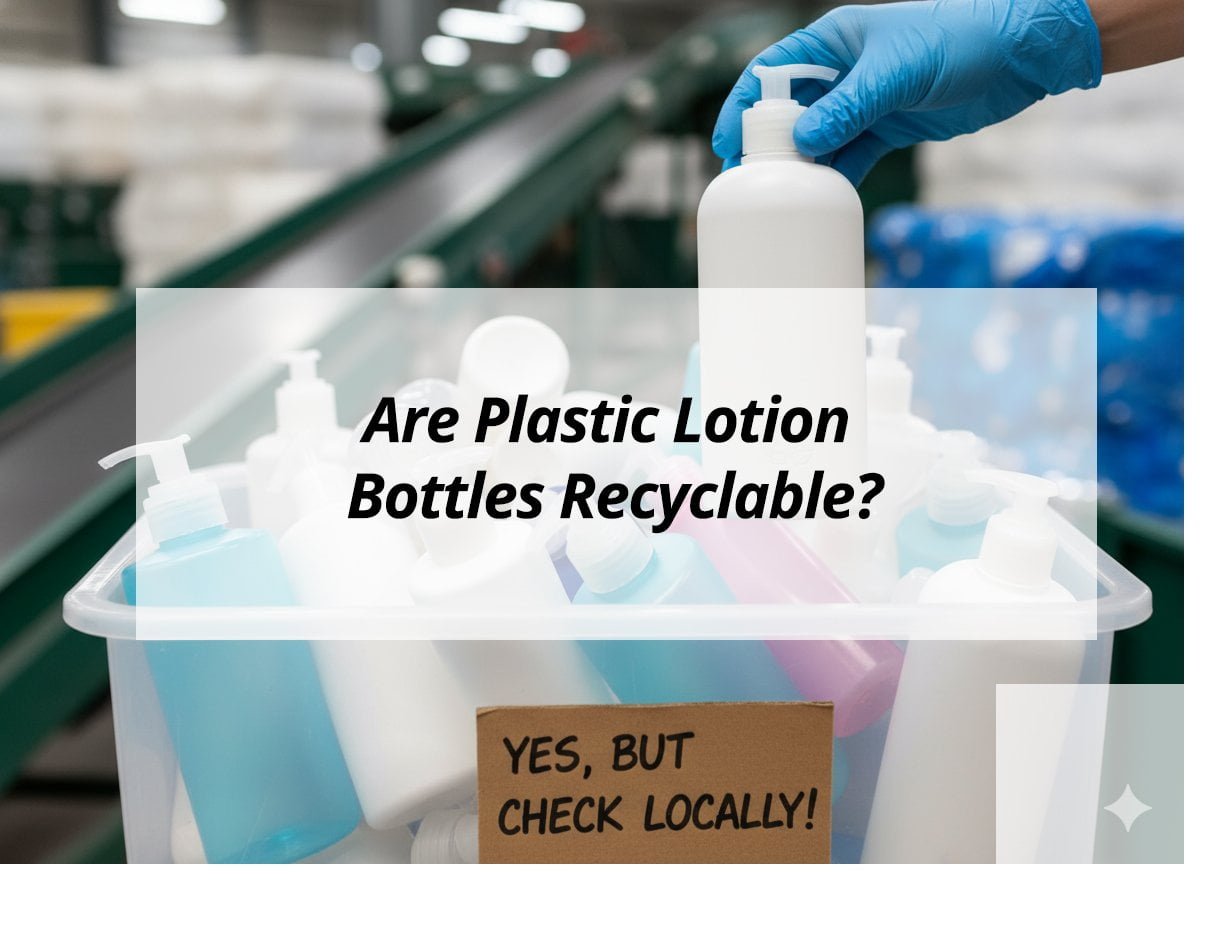
Most plastic lotion bottles are recyclable. To recycle them, check for a recycling code, typically a number inside a triangle, on the bottle's bottom. Plastics labeled 1 (PET) or 2 (HDPE) are widely accepted. Always rinse bottles to remove lotion residue, which prevents contamination in the recycling stream.
Determining the recyclability of plastic lotion bottles is key. This knowledge helps consumers and businesses make informed decisions. It supports proper waste management. Also, it aids in reducing landfill waste.
Are plastic lotion containers recyclable?
A common question is whether plastic lotion containers can be recycled. This depends on the type of plastic used. It also depends on how the container is prepared. Most plastic lotion containers can be recycled.
Plastic lotion containers are generally recyclable. Look for the recycling symbol, often a number from 1 to 7 within a triangle, on the base of the bottle. Plastics coded 1 (PET) and 2 (HDPE) are most commonly accepted by recycling facilities. Cleaning the container thoroughly before recycling is crucial to avoid contaminating other materials.
The ability to recycle plastic lotion containers is based on their material. Companies often use specific plastics for their bottles. These materials are chosen for their properties and common recyclability. Understanding these plastic types is the first step in successful recycling. Different plastics have different chemical structures. This affects how they are processed.
Understanding Plastic Types
Various types of plastic are used for containers. Each type has specific recycling guidelines.
- PET (Polyethylene Terephthalate): This plastic is clear and lightweight. It is often used for beverage bottles and some lotion bottles. It is widely recyclable. Recycled PET can become new bottles or fibers.
- HDPE (High-Density Polyethylene): This plastic is thicker and often opaque. It is used for milk jugs, detergent bottles, and many lotion bottles. HDPE is also widely recyclable. It can be turned into new bottles, pipes, or plastic lumber.
- PP (Polypropylene): This plastic is used for some caps and jars. It is becoming more recyclable in many areas. It is known for its durability and heat resistance.
- PVC (Polyvinyl Chloride): This plastic is less common for lotion bottles now. It is often not accepted in municipal recycling programs. It can pose challenges in the recycling stream due to its chemical composition.
- LDPE (Low-Density Polyethylene): This plastic is flexible. It is used for plastic films and bags. It is not typically used for rigid lotion bottles. It is rarely recycled with hard plastics.
The Importance of Cleaning
Cleaning plastic containers before recycling is essential. This step prevents problems in the recycling process.
| Reason for Cleaning | Impact if Not Cleaned |
|---|---|
| Prevents material contamination | Can lead to entire batches being rejected |
| Ensures quality of recycled product | Results in lower-grade materials |
| Reduces odors and pests | Attracts insects and bacteria at facilities |
| Facilitates sorting and processing | Improves efficiency of recycling machinery |
Residue from lotion can contaminate other recyclable materials. This can reduce the quality of the recycled plastic. If too much contamination occurs, the entire batch of recyclables might be sent to a landfill. Rinsing bottles thoroughly ensures that the collected plastic is clean. This allows it to be processed into new, high-quality products. Proper cleaning helps the entire recycling system function effectively.
What to do with an empty lotion bottle?
When a lotion bottle is empty, there are several actions you can take. These actions range from recycling to repurposing. Each choice contributes to waste reduction.
After emptying a lotion bottle, assess its recyclability by checking the plastic code, usually 1 or 2. If it's recyclable, rinse it thoroughly and place it in the appropriate bin. Alternatively, consider cleaning and reusing the bottle for other purposes, such as storing travel-sized liquids or crafting.
Handling empty lotion bottles properly is part of responsible waste management. Different options exist for these containers. The best choice depends on the bottle's material and local recycling rules. It also depends on whether the bottle can be reused. Thinking about these options helps minimize waste. It also gives items a second life.
Steps for Recycling Lotion Bottles
To properly recycle a lotion bottle, follow these simple steps carefully.
- Empty Contents Completely: Ensure all lotion is removed from the bottle. Use a spatula or allow it to drain if needed.
- Rinse Thoroughly: Use warm water to rinse the inside of the bottle. Shake it well to remove any residue.
- Remove Non-Recyclable Parts: Separate pumps, caps, and labels if required by local guidelines. Pumps often contain mixed materials and are generally not recyclable.
- Check Local Recycling Guidelines: Confirm what plastics your local facility accepts. Rules can vary by region.
- Place in Recycling Bin: Once clean and sorted, place the bottle in the designated recycling container.
Creative Ways to Repurpose Lotion Bottles
Reusing empty lotion bottles is an effective way to reduce waste. Many creative options exist for repurposing them.
- Travel Containers: Clean bottles can hold travel-sized shampoo, conditioner, or other liquids. This reduces the need to buy new travel-sized products.
- DIY Cleaning Supplies: Use empty spray bottles from lotion for homemade cleaning solutions. This helps organize household products.
- Craft Projects: Bottles can be transformed into art supplies for children. They can be painted or cut for various crafts.
- Small Item Storage: Use smaller bottles or jars to organize beads, buttons, or other small household items. This keeps spaces tidy.
- Refillable Dispensers: If possible, refill sturdy bottles with bulk-purchased lotions or soaps. This reduces plastic consumption over time.
Repurposing extends the life cycle of the packaging. It also reduces demand for new items. This approach is beneficial for both the environment and personal resourcefulness.
Can body lotion bottles be recycled?
Body lotion bottles are a common item in many households. Understanding their recyclability is important for consumers. Generally, most body lotion bottles can be recycled.
Body lotion bottles are typically recyclable if they are made from plastics such as PET (code 1) or HDPE (code 2). Always check the bottom of the bottle for the specific recycling symbol. Before recycling, it is essential to thoroughly clean the bottle to remove any lotion residue and to remove non-recyclable components like pumps.
The recyclability of body lotion bottles depends primarily on the type of plastic used in their manufacture. Many manufacturers choose plastics known for their recyclability to appeal to environmentally conscious consumers. Proper preparation of these bottles before placing them in recycling bins is crucial. This ensures they can be processed efficiently and effectively.
What Makes a Bottle Recyclable?
Several factors determine if a body lotion bottle is accepted for recycling. These factors are important for efficient waste processing.
- Plastic Resin Code: The number inside the recycling triangle indicates the type of plastic. Codes 1 (PET) and 2 (HDPE) are most commonly recycled.
- Cleanliness: Bottles free of product residue are preferred. Contaminated bottles can be rejected at recycling facilities.
- Local Infrastructure: The capabilities of your local recycling plant matter. Some facilities can process more types of plastic than others.
- Bottle Design: Bottles made from a single type of plastic are easier to recycle. Complex designs with multiple plastic types or mixed materials can be challenging.
Handling Different Parts of the Bottle
A typical body lotion bottle consists of several components. Each component may have different recycling requirements.
| Part of Bottle | Common Material | Recycling Advice |
|---|---|---|
| Bottle Body | PET, HDPE | Rinse thoroughly; recycle if marked 1 or 2 |
| Pump Mechanism | Mixed plastics, metal spring | Generally not recyclable due to complex materials; discard |
| Cap (twist-off) | PP, HDPE | Recycle if marked; may be recycled with the bottle or separately |
| Label | Paper, plastic | Usually acceptable if small; large plastic labels might need removal |
The pump mechanism, common on many body lotion bottles, often poses a recycling challenge. It usually contains a mix of different plastics, metal springs, and sometimes glass balls. These components are difficult to separate for recycling. Therefore, pumps are typically removed and discarded as general waste. This highlights the complexity of recycling multi-material products.
What is surprisingly not recyclable?
Many items commonly placed in recycling bins are actually not recyclable. This often leads to confusion and contamination in the recycling stream. Understanding these surprisingly non-recyclable items is important for effective recycling.
Many items frequently assumed to be recyclable are, in fact, not accepted by most municipal recycling programs. Common examples include plastic bags, which can clog machinery, Styrofoam, ceramics, and some types of glass like windows or mirrors. Always verify specific recycling guidelines with local waste management services, as acceptance criteria vary.
The list of non-recyclable items can be surprising. People often recycle based on assumptions. This can lead to issues at recycling facilities. Knowing what to exclude from recycling helps maintain the integrity of recycled materials. It also ensures that valuable resources are not wasted on sorting unrecyclable items.
Common Non-Recyclable Items
Here are several items often mistakenly placed in recycling bins that are generally not accepted.
- Plastic Bags and Film: These items are a major problem for recycling machinery. They get tangled in sorting equipment, causing breakdowns and delays.
- Styrofoam (Polystyrene): This includes foam cups, packing peanuts, and some food containers. It is difficult to recycle due to its lightweight nature and bulk.
- Ceramics and Pyrex: These materials are not the same as glass bottles. They have different melting points and chemical compositions, which can contaminate glass recycling.
- Window Glass and Mirrors: Unlike bottle glass, these items contain various coatings and chemicals. They cannot be recycled with standard glass containers.
- Food-Soiled Items: Items like greasy pizza boxes or paper towels with food residue contaminate paper and cardboard recycling. The food particles cannot be separated.
- Small Plastic Items: Small items such as plastic straws, cutlery, and unattached bottle caps are often too small for recycling equipment to sort effectively.
Why Are These Items Not Recyclable?
There are specific reasons why certain items are excluded from recycling programs. These reasons relate to processing, contamination, and material properties.
- Machinery Interference: Flexible plastics like bags can jam sorting machines. This causes operational downtime and repair costs.
- Contamination Risks: Food residue or non-compatible materials can lower the quality of recycled batches. This makes them unsuitable for new products.
- Material Composition: Items made from mixed materials are hard to separate. This makes them economically unfeasible to recycle.
- Lack of Market Demand: For some materials, there is no viable market for their recycled form. This means recycling facilities do not collect them.
- Safety Concerns: Broken glass or sharp objects can pose risks to workers at recycling plants.
Proper sorting by consumers is crucial. This helps recycling facilities operate smoothly. It prevents the diversion of otherwise recyclable materials to landfills due to contamination.
My Insights: Are Plastic Lotion Bottles Recyclable?
Confused about recycling lotion bottles? Find out how they can be recycled effectively and what barriers exist to sustainable disposal.
Plastic lotion bottles made from PET or HDPE are widely recyclable if cleaned and rinsed properly. However, caps and pumps may require separate processing due to mixed materials, affecting overall recyclability.
Understanding the Recyclability of Lotion Bottles
Types of Recyclable Plastics
- PET and HDPE: These are the most commonly accepted plastics for recycling, often marked with recycling symbols #1 and #2.
- Recycling Facilities: Variability in local recycling capabilities affects whether these materials are effectively processed.
Handling Caps and Pumps
| Component | Recommendation |
|---|---|
| Caps | Keep attached if made of the same material. |
| Pumps | Remove and discard unless part of a take-back program. |
Practical Steps to Enhance Recycling
- Check for Recycling Symbol: Ensure your lotion bottle has a #1 or #2 symbol.
- Clean and Rinse: Avoid contamination by ensuring bottles are emptied and rinsed.
- Local Guidelines: Verify your local program's acceptance of these materials.
Enhancing recycling awareness and following local guidelines can significantly improve the recyclability of lotion bottles, contributing to a more sustainable environment.
Conclusion
Most plastic lotion bottles are recyclable, especially those made from PET or HDPE, provided they are cleaned and prepared correctly. It is essential to check recycling codes and local guidelines. Also, be aware of items that are surprisingly not recyclable, such as plastic bags and Styrofoam. Adhering to these practices improves the efficiency and effectiveness of recycling efforts.