
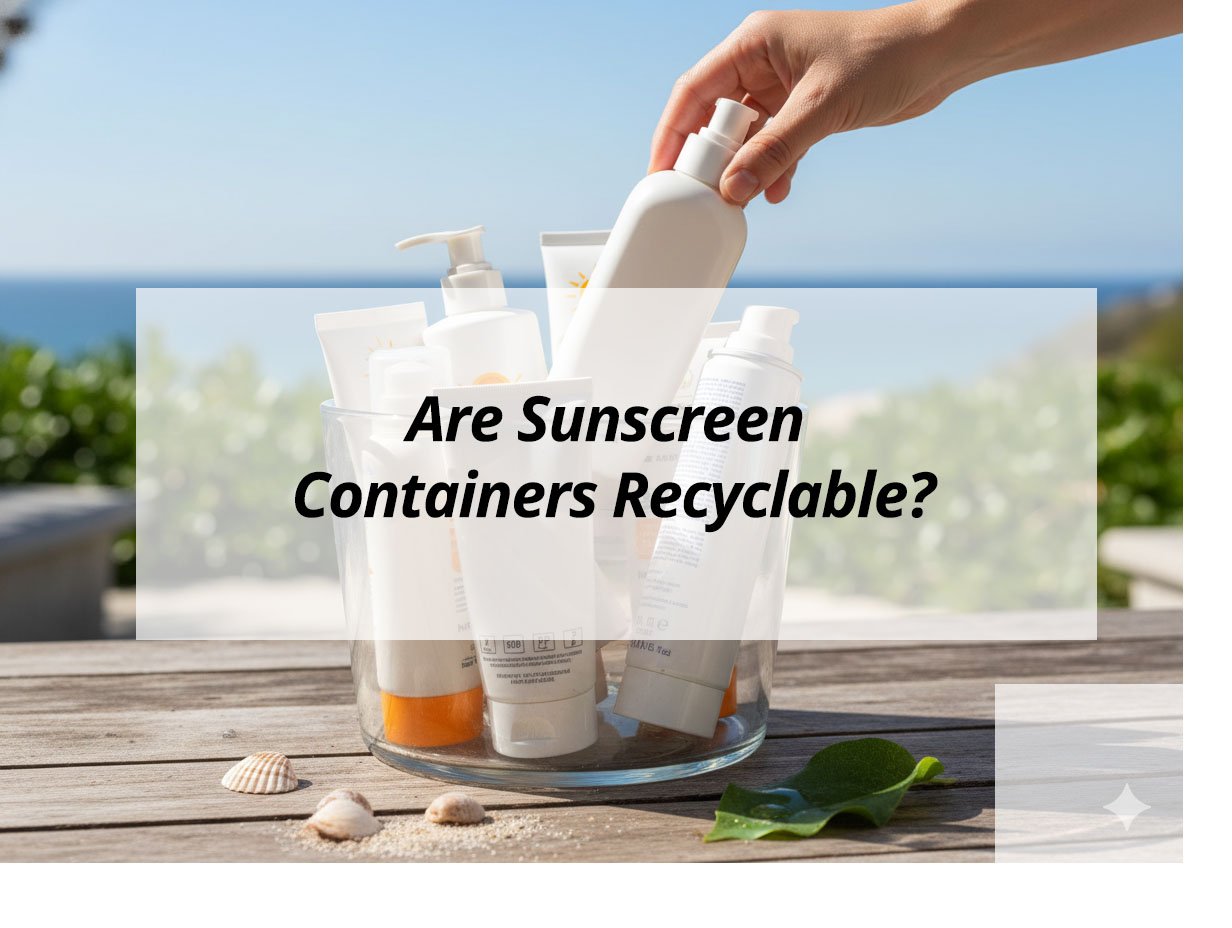
The recyclability of sunscreen containers is a frequent question. Understanding proper disposal methods is essential for environmental responsibility.
Many sunscreen containers are recyclable, but this depends on the specific plastic type and local recycling infrastructure. Consumers must check the container's recycling symbol and consult local waste management guidelines to ensure correct disposal, contributing to reduced landfill waste.
Navigating waste disposal can be complex. This guide clarifies the appropriate procedures for sunscreen containers.
How to Dispose of Sunscreen Bottles?
Disposing of empty sunscreen bottles correctly is a common concern. Effective waste management practices require specific steps.
To dispose of sunscreen bottles, first, empty and rinse them thoroughly. Identify the plastic type by the recycling symbol on the container. Then, adhere to your local recycling program's specific instructions, as acceptance varies by material and region, ensuring proper environmental stewardship.
Incorrect disposal methods can hinder recycling processes. Following established guidelines is crucial.
Understanding Sunscreen Bottle Materials
Sunscreen containers are manufactured from various plastic types. Each type has distinct recycling characteristics.
- HDPE (High-Density Polyethylene): Identified by the #2 symbol, HDPE is widely accepted in many recycling programs. It is commonly used for milk jugs and detergent bottles.
- PET (Polyethylene Terephthalate): Marked with a #1 symbol, PET is another commonly recycled plastic, frequently used for water and soda bottles.
- PP (Polypropylene): Represented by the #5 symbol, PP is utilized for some caps and tubes. Its recyclability is less universal than HDPE or PET, with acceptance varying geographically.
Steps for Proper Disposal
Adhering to a systematic approach ensures correct disposal.
- Empty Contents: Ensure all sunscreen product is removed from the container.
- Rinse Thoroughly: Clean the interior of the bottle with water to remove any residue. Clean containers improve recycling efficiency.
- Identify Recycling Symbol: Locate the triangular recycling symbol, which indicates the plastic resin code.
- Consult Local Guidelines: Recycling rules are not uniform. Local waste management authorities provide specific instructions.
- Municipal Websites: Official city or county waste management websites typically list acceptable materials.
- Recycling Facilities: Direct contact with local recycling centers can clarify specific acceptance policies.
- Dedicated Apps: Some municipalities offer digital tools to guide residents on recycling protocols.
| Material Type | Recycling Symbol | Typical Applications | Recycling Acceptance |
|---|---|---|---|
| HDPE | #2 | Milk jugs, detergent bottles | Widespread |
| PET | #1 | Water bottles, soda bottles | Widespread |
| PP | #5 | Bottle caps, yogurt cups | Variable |
Contaminated containers can compromise entire batches of recyclable materials. Proper cleaning is a vital step in the recycling chain.
What is Surprisingly Not Recyclable?
Many common household items are mistakenly placed in recycling bins. This can lead to significant issues in processing.
Several common items are surprisingly not accepted in standard curbside recycling programs, including plastic bags, greasy food containers, broken glass, ceramics, and textiles. These materials can contaminate recyclable batches, damage sorting machinery, or require specialized processing facilities not commonly available.
Misconceptions about recyclability can negatively impact the efficiency of recycling systems. Clarifying these points is important.
Common Non-Recyclable Items
Understanding materials that are typically excluded from general recycling streams helps prevent contamination.
- Plastic Bags and Film: These materials pose a significant challenge. They often jam and damage recycling machinery. Specialized drop-off points are required for their recycling.
- Ceramics and Heat-Resistant Glassware (e.g., Pyrex): Unlike standard glass bottles, these items have different chemical compositions and melting points. They contaminate glass recycling batches.
- Broken Glass: While intact glass bottles are recyclable, broken glass presents a safety hazard to workers and can contaminate other materials due to small fragments.
- Styrofoam (Polystyrene Foam): Most curbside programs do not accept Styrofoam due to its low density and high processing costs.
- Electronics (E-waste): Devices such as old cell phones, computers, and batteries contain hazardous materials and require specialized e-waste recycling facilities, not standard recycling bins.
Why Contamination Matters
Contamination refers to the presence of non-recyclable items mixed with true recyclables. This leads to several problems.
- Equipment Damage: Materials like plastic bags can entangle in sorting equipment, causing operational shutdowns and costly repairs.
- Batch Rejection: A recycling batch with significant contamination may be deemed unusable and diverted to a landfill, negating collection efforts.
- Increased Processing Costs: Recycling facilities incur additional expenses for manual sorting and contaminant removal, increasing the overall cost of recycling.
| Item Category | Reason for Exclusion | Recommended Disposal Method |
|---|---|---|
| Plastic Bags/Film | Machinery entanglement, low material value | Designated store drop-offs |
| Greasy Food Boxes | Food contamination, oil permeation | General waste (or composting clean parts) |
| Broken Glass | Safety hazard, quality degradation | General waste (securely wrapped) |
| Ceramics/Pyrex | Different material composition | General waste |
| Textiles/Clothing | Not processed by standard machinery | Donation, textile recycling programs |
Preventing contamination is a critical step in ensuring the viability and effectiveness of recycling initiatives.
What are 5 Things That Cannot Be Recycled?
Identifying items that are not recyclable through conventional means is crucial for effective waste management. Many items are frequently confused.
Five common items generally not accepted in curbside recycling programs include plastic shopping bags, pizza boxes with grease stains, broken drinking glasses or mirrors, ceramic dishes, and used clothing/textiles. These items either cause operational difficulties at recycling facilities or require specialized processing not available in standard systems.
Correctly categorizing waste prevents contamination and supports the recycling industry. This section clarifies common non-recyclables.
Understanding Non-Recyclables
A clear understanding of materials typically excluded from recycling helps optimize waste streams.
- Plastic Bags and Plastic Film: These lightweight materials are notorious for jamming recycling machinery. They prevent efficient sorting and processing of other materials.
- Greasy Pizza Boxes: While plain cardboard is recyclable, pizza boxes often contain grease and food residue. The oil contaminates the paper fibers, making them unsuitable for recycling.
- Broken Glass (Non-Container): Standard recycling systems are designed for intact glass bottles and jars. Broken glass from windows, mirrors, or drinking glasses has different chemical properties and can also pose a safety risk to workers.
- Ceramics and Pottery: Items like coffee mugs, plates, and decorative pottery are not glass. They are made from different materials that require much higher temperatures to melt and can ruin glass recycling batches if mixed.
- Clothing and Textiles: Used garments, rags, or linens should not be placed in recycling bins. These materials can tangle in machinery and require specialized textile recycling or donation for reuse.
Why These Items Are Excluded
The exclusion of these items is based on practical and technical considerations within recycling operations.
- Operational Interference: Plastic bags and textiles can physically impede the function of sorting equipment, leading to costly breakdowns and processing delays.
- Material Contamination: Food residue on paper products, like greasy pizza boxes, degrades the quality of the recycled pulp, making it unusable for new products.
- Chemical and Physical Differences: Non-container glass and ceramics have distinct compositions from packaging glass. Their inclusion can compromise the integrity of recycled glass.
- Safety Concerns: Sharp fragments from broken glass pose a significant risk of injury to recycling facility personnel.
- Specialized Processing Needs: Some materials, such as electronics or certain plastics, require specialized facilities that are not part of standard curbside collection.
| Item Type | Common Examples | Primary Reason for Exclusion | Environmental Impact (if mismanaged) |
|---|---|---|---|
| Plastic Film/Bags | Shopping bags, dry cleaning bags | Machinery damage, low quality | Increased landfill volume |
| Contaminated Paper | Greasy pizza boxes | Food residue, oil contamination | Reduces paper recycling yield |
| Non-Container Glass | Window glass, mirrors | Different chemical composition | Contaminates glass recycling |
| Ceramics | Coffee mugs, plates | Different melting points | Contaminates glass recycling |
| Textiles | Old clothes, rags | Machinery entanglement, not raw material | Increased landfill volume |
Understanding these exclusions is vital for maintaining the efficiency and effectiveness of recycling programs.
How Do I Dispose of Out of Date Sunscreen?
Expired sunscreen requires specific disposal methods to prevent environmental harm. Many are unaware of the correct procedure.
To dispose of out-of-date sunscreen, squeeze the contents into the general trash. Do not pour it down drains or flush it. The empty and rinsed container should then be sorted according to its plastic recycling symbol and local recycling guidelines. This prevents chemical contamination of water systems.
Improper disposal of personal care products can introduce chemicals into the environment. Following proper guidelines is important.
Risks of Improper Sunscreen Disposal
Sunscreen formulations contain various chemicals. Incorrect disposal can have negative ecological consequences.
- Waterway Contamination: Pouring sunscreen down a drain can introduce chemicals into sewage systems, potentially impacting aquatic ecosystems if wastewater treatment is insufficient.
- Soil Contamination: Discarding sunscreen directly into soil can lead to the leaching of chemicals, affecting soil quality and potentially groundwater.
- Septic System Disruption: For properties with septic systems, chemical substances from sunscreen can disrupt the microbial balance necessary for proper waste breakdown.
Best Practices for Expired Sunscreen
A systematic approach ensures the safe disposal of expired sunscreen and its packaging.
- Verify Expiration Date: Sunscreen typically has a shelf life of up to three years. Look for a printed expiration date or a "period after opening" (PAO) symbol, often a jar icon with a number followed by "M" (e.g., 12M for 12 months).
- Dispose of Product Contents:
- Small Quantities: For typical household amounts, squeeze the expired sunscreen directly into the regular household trash. It can be absorbed by other waste.
- Large Quantities: In rare cases of very large volumes, specialized household hazardous waste (HHW) facilities might be appropriate. Check local county waste services for such options.
- Clean the Container: Rinse the empty sunscreen bottle thoroughly with water to remove any remaining product residue.
- Recycle the Container: Once cleaned, the container can be processed for recycling. Identify the plastic resin code (#1, #2, #5 are common) and follow local recycling program guidelines. Aerosol spray cans of sunscreen may require separate handling and local hazardous waste guidelines should be consulted.
| Component of Sunscreen | Disposal Method | Rationale for Method |
|---|---|---|
| Expired Product | General household trash (contents) | Prevents environmental chemical release |
| Empty, Clean Bottle | Standard recycling (if accepted by type) | Reduces plastic waste, promotes circularity |
| Aerosol Cans | Specialized hazardous waste (local rules) | Contains propellants, specific handling |
Adhering to these disposal practices minimizes environmental impact and supports sustainable waste management.
My Insights: Understanding Sunscreen Container Recycling
Confused about recycling your sunscreen containers? Learn how to identify recyclable types and ensure proper disposal.
Sunscreen containers' recyclability depends on material and local guidelines. Plastics are often recyclable if clean and empty, but mixed-material containers may not be accepted. Specialized programs like TerraCycle provide alternative recycling solutions.
Navigating Sunscreen Container Recyclability
Types of Containers and Recycling Guidelines
| Container Type | Recyclability |
|---|---|
| Hard Plastic Bottles | Typically recyclable if clean, empty, and dry; remove pumps |
| Soft Squeezable Tubes | Often not curbside recyclable due to mixed materials |
| Aerosols | Not accepted curbside due to processing issues |
| Sticks | Usually disposed in trash |
Local Recycling Variations
Local programs differ significantly. Some cities accept all empty containers in specific recyclable bins, while others reject small or mixed-material containers. Always check local guidelines to ensure compliance.
Alternative Recycling Solutions
TerraCycle provides mail-back recycling for difficult-to-recycle items, including sunscreen containers. Retailers like Ulta may offer drop-off recycling bins. For more sustainable choices, consider refillable containers to reduce waste.
Sunscreen container recyclability requires understanding material types, local regulations, and alternative solutions, ensuring environmentally friendly disposal and resource conservation.
Conclusion
Many sunscreen containers are recyclable, but it depends on the specific material and local guidelines. Always ensure containers are empty and clean. Proper disposal prevents contamination and supports efficient recycling systems.