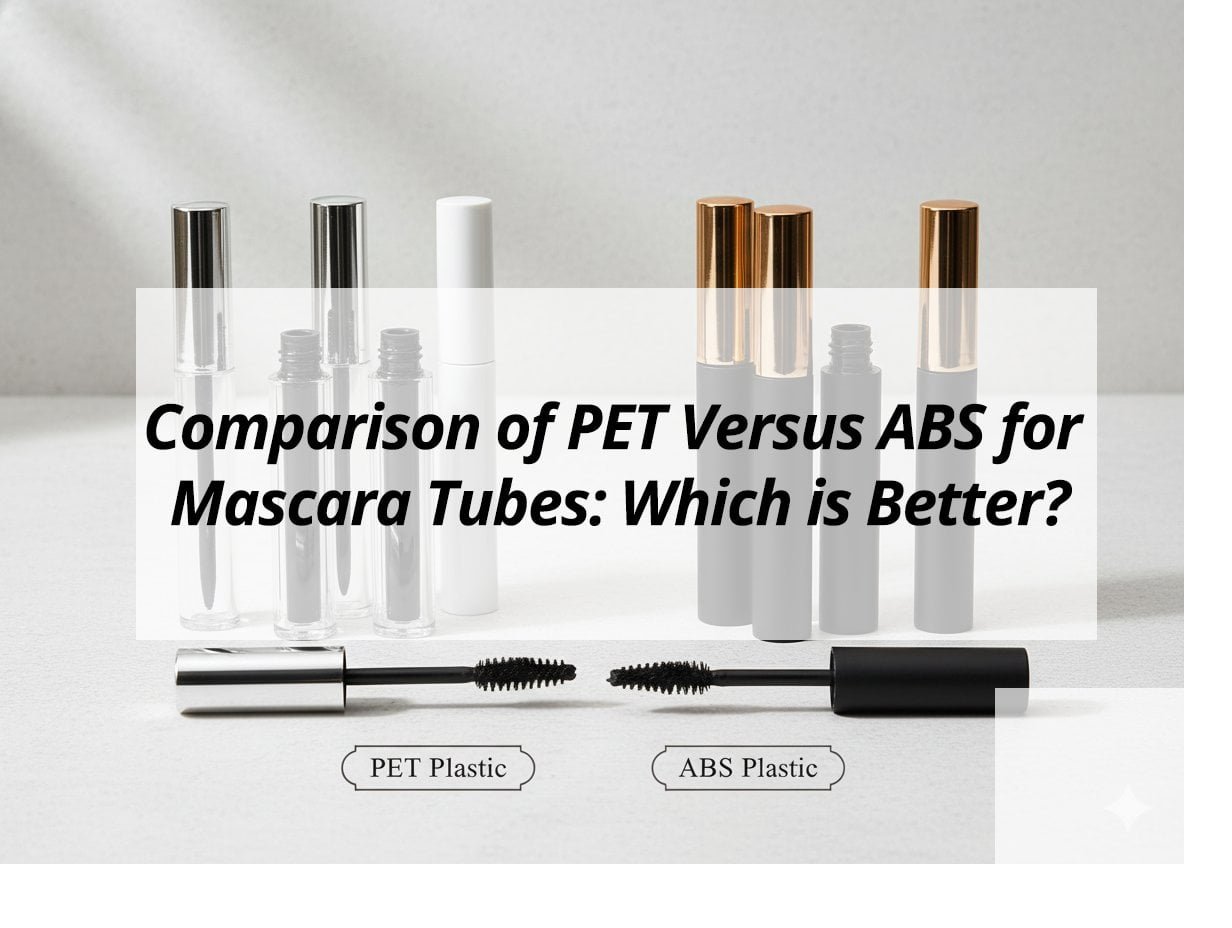
Navigating the world of mascara packaging can be challenging. Choosing between PET and ABS for tubes is crucial for ensuring quality and sustainability in cosmetic products.
PET is often preferred over ABS for mascara tubes. Its durability, transparency, and recyclability make it suitable for brands focusing on sustainability and appearance in packaging. PET’s ecological benefits and aesthetic appeal position it as a superior choice.
Understanding the strengths and weaknesses of both PET and ABS helps make informed choices for effective and sustainable mascara packaging options.
Is PET better than ABS?
Debating the merits of PET and ABS for cosmetic tubes can impact packaging decisions significantly, influencing brand reputation and customer satisfaction.
Yes, PET is generally considered better for mascara tubes. Its inherent properties, such as clarity and safety, make it easier to recycle compared to ABS. While ABS offers durability, PET's environmental benefits often lead to greater long-term advantages for brands aiming to minimize ecological impact.
Taking these factors into account helps businesses adopt sustainable practices, ensuring that packaging materials meet both aesthetic and environmental standards.
PET Versus ABS
PET and ABS are both popular choices, but how do they truly differ in function and sustainability? Understanding these differences is vital for effective packaging solutions.
Benefits of PET
- Transparency: Provides clear visibility, enhancing product presentation.
- Recyclability: Easy to recycle, minimizing environmental footprint.
- Durability: Resists wear and retains shape, ensuring product safety.
Benefits of ABS
- Strength: Offers solid structures that withstand pressure.
- Impact Resistance: Effective against physical damage, protecting products.
- Cost Efficiency: Generally cheaper initially, though potential long-term costs may arise.
Comparisons in Material Properties
| Property | PET | ABS |
|---|---|---|
| Transparency | High | Low |
| Recyclability | Excellent | Poor |
| Environmental Impact | Low | High |
PET’s transparency and recyclability can outweigh ABS's durability in cosmetic packaging. While ABS offers robustness, PET's environmentally friendly features and clarity give it a competitive edge in creating sustainable and visually appealing products.
What are the disadvantages of ABS plastic?
Exploring the drawbacks of ABS plastic is crucial for informed material choices in cosmetics, promoting a more responsible approach to packaging.
ABS plastic has notable disadvantages, including limited recyclability and environmental impact. Its heavy nature and cost inefficiency compared to alternatives are also potential drawbacks, affecting sustainability choices in cosmetic packaging. These factors often lead brands to reconsider its use in eco-conscious packaging designs.
Evaluating ABS's disadvantages aids businesses in making conscious decisions aligned with modern environmental and business needs, adopting strategies that favor sustainable development.
ABS Plastic Challenges
Understanding the challenges associated with ABS helps in making a balanced decision for packaging needs, ensuring alignment with modern sustainability goals.
ABS Plastic Weaknesses
| Weakness | Impact |
|---|---|
| Limited Recycling | Higher environmental cost |
| Heavy Material | Increased transportation costs |
| Cost Efficiency | Often less economical over time |
Environmental Considerations
- Limited Recycling Abilities: ABS isn't easily recycled, contributing to waste.
- Environmental Impact: Producing ABS involves substantial environmental costs.
Addressing the Drawbacks
- Weight Considerations: Heavier material impacts shipping costs.
- Sustainability Strategies: Focus on innovation in recycling methods to mitigate environmental impact.
These drawbacks make ABS less appealing for brands committed to environmental responsibility despite its strengths in durability and impact resistance, urging shifts towards more sustainable alternatives like PET.
What is PET and ABS material?
Understanding PET and ABS material fundamentally shapes packaging perception and choice, ensuring alignment with consumer needs and industry standards.
PET (Polyethylene Terephthalate) and ABS (Acrylonitrile Butadiene Styrene) are both popular plastics used in cosmetics. PET is known for its transparency and recyclability, while ABS is valued for its strength and resistance to impact. Each material offers distinct advantages in specific applications, making understanding both essential for effective packaging decisions.
Knowing the core properties of PET and ABS provides invaluable insights into their application in beauty packaging, influencing design and sustainability strategies.
PET and ABS Properties
Exploring the essence of PET and ABS delivers clarity in material choice for packaging, ensuring that decisions align with both environmental and consumer demands.
PET Material Properties
- Chemical Structure: Composed of terephthalic acid and ethylene glycol, promoting flexibility.
- Transparency: Glass-like clarity enhances visual appeal and consumer trust.
- Environmental Impact: Easier to recycle, supporting sustainability goals.
ABS Material Properties
- Chemical Structure: Includes acrylonitrile, butadiene, styrene polymers, contributing to rigidity.
- Durability: Robust construction withstands damage, ensuring product safety.
- Manufacturing Process: Involves extrusion, promoting material strength and impact resistance.
Material Impact on Packaging
- Aesthetic Value: PET’s clarity contributes to brand image.
- Environmental Considerations: PET’s recyclability supports eco-friendly branding.
PET’s chemical makeup supports sustainability better than ABS. Its transparency aligns with aesthetic requirements, while ABS’s structural integrity is better for impact-heavy applications. Understanding these nuances aids brands in selecting materials that match their sustainability and design objectives.
What is the difference between PET and PVC packaging?
Distinguishing PET from PVC in packaging is essential for effective material decision-making and achieving sustainability goals.
PET differs significantly from PVC, being more transparent, flexible, and recyclable. PVC's chemical properties pose environmental risks that PET mitigates, making PET a safer choice for long-term packaging solutions. These differences influence brands in adopting materials that align with environmental responsibility and consumer safety.
Understanding the contrasts between PET and PVC aids brands and manufacturers in optimizing packaging strategies to meet environmental and aesthetic standards.
PET and PVC Differences
Dissecting the differences between PET and PVC offers practical insights for packaging solutions, driving informed material selection.
PET vs PVC Features
| Feature | PET | PVC |
|---|---|---|
| Transparency | High | Moderate |
| Recyclability | Excellent | Poor |
| Environmental Impact | Low | High |
Environmental Concerns
- PVC’s Risks: Contains chlorine, affects recycling processes and contributes to pollution.
- PET’s Advantages: Easier to process and recycle, reducing ecological footprint.
Material Selection Strategies
- Safety Considerations: Opt for materials that minimize health risks.
- Recycling Practices: Innovate recycling techniques to address PVC’s environmental drawbacks.
PET's advantages in transparency and recyclability make it preferable over PVC, which can contribute to environmental degradation due to difficulties in recycling and chemical nature. Brands adopting PET enhance their commitment to eco-friendly practices and consumer safety.
My insights: Comparison of PET Versus ABS for Mascara Tubes
Choosing the right material for mascara tubes? Compare PET and ABS for the best performance and sustainability.
PET is lightweight, clear, and widely recyclable, making it ideal for sustainable mascara tubes. ABS offers toughness and a glossy finish, perfect for premium products. Consider your brand’s priorities in sustainability and design when choosing between PET and ABS.
Assessing PET and ABS for Mascara Tubes
Material Properties:
-
PET:
- Clarity and Weight: Lightweight and transparent, ideal for showcasing product quantity.
- Recyclability: Highly recyclable, appealing to eco-conscious consumers.
- Cost: Less expensive to produce, beneficial for cost-effective packaging.
-
ABS:
- Durability: Superior toughness and impact resistance, suitable for high-end finishes.
- Design Flexibility: Precise molding for intricate designs and glossy finishes.
- Chemical Resistance: Better resistance to certain chemicals, ensuring product safety.
Sustainability and Design:
- PET Sustainability: Popular due to its eco-friendly nature, supporting brands focused on reducing environmental impact.
- ABS Design: Attractive for luxury brands requiring a premium appearance.
Decision Factors:
| Aspect | PET | ABS |
|---|---|---|
| Clarity/Weight | High clarity, lightweight | Less transparent, heavier |
| Recyclability | Highly recyclable | Less recyclable |
| Finish/Design | Less glossy, more basic designs | Glossy, allows intricate, premium designs |
| Cost | More affordable | Higher initial cost |
Choosing between PET and ABS depends on prioritizing sustainability versus premium design qualities. Align your choice with brand values and market needs.
Conclusion
Choosing between PET and ABS for mascara tubes involves weighing transparency, recyclability, and environmental impact against durability and cost efficiency, encouraging informed and sustainable packaging decisions.