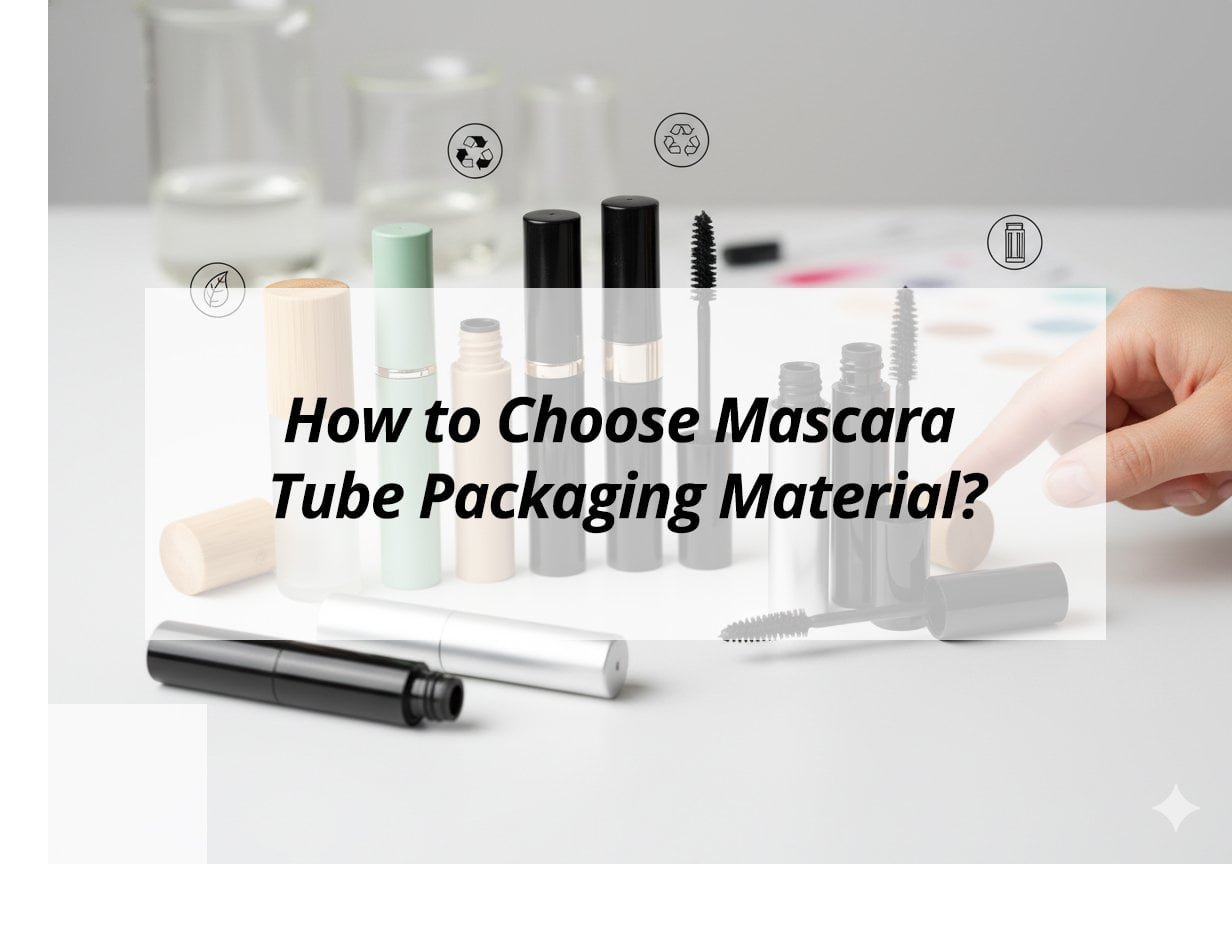
Finding the right mascara tube can be overwhelming due to diverse material choices and varying consumer expectations.
To choose the best mascara tube packaging material, consider durability, compatibility with product formulas, and aesthetic appeal. Selecting the right material ensures the product remains intact and appealing to consumers. Such thoughtful selection impacts both customer satisfaction and brand identity.
Choosing the right packaging is essential for ensuring product integrity, enhancing brand reputation, and meeting consumer expectations.
How to select packaging materials?
Navigating packaging choices involves analyzing multiple factors that influence product integrity1 and consumer appeal.
Selecting materials involves analyzing product needs, durability requirements, and brand image. By prioritizing these factors, brands ensure optimal product protection and customer satisfaction. Effective material selection also aligns with sustainability goals and regulatory standards, crucial for long-term success.
Factors to Consider
Choosing the right packaging materials2 is a strategic decision that influences brand perception and product quality. Here are critical aspects to evaluate:
Material Compatibility
-
Product Interaction: Analyze how the packaging interacts with the mascara formula to prevent chemical reactions and compromise product safety. For instance, inert plastics or metals are ideal for non-reactivity.
-
Safety Standards: Ensure the material complies with global health and safety regulations, safeguarding consumer health and brand reputation.
Aesthetic Appeal
-
Brand Image: The aesthetics of the packaging should mirror the brand's ethos. A sleek design may convey luxury while vibrant colors may appeal to a youthful demographic.
-
Customization Options: Materials that support diverse color palettes and design elements allow brands to maintain consistency in brand identity across product lines.
Cost and Supply Logistics
-
Cost-efficiency: Evaluate material cost against expected benefits, ensuring profitability without sacrificing quality.
-
Supplier Reliability: Prioritize suppliers with proven reliability in delivery and quality, mitigating risks of production delays.
Material Evaluation Criteria
| Factor | Considerations |
|---|---|
| Material Compatibility | Reactivity, Regulatory Compliance |
| Aesthetic Appeal | Brand Alignment, Customization Capabilities |
| Cost and Supply | Cost-effectiveness, Supplier Reliability |
By honing in on these areas, brands can make informed decisions that align with both operational needs and market trends.
What are the different types of tube packaging?
Understanding the variety of tube packaging3 options helps brands align choices with specific market demands and sustainability efforts.
Tube packaging varies from plastic and aluminum to glass. Each type offers unique benefits like durability, cost-effectiveness, and ecological impact, catering to different product and brand requirements. Selecting the right type is crucial for optimal product performance and consumer appeal.
Exploring Tube Packaging Types
Different materials present distinct properties that influence packaging decisions based on brand and consumer preferences:
Plastic Tubes
-
Advantages: Their lightweight nature and versatility make plastics ideal for varied designs. They can be molded into unique shapes and printed with vibrant graphics, enhancing shelf appeal.
-
Disadvantages: Environmental impact remains a major concern. Recycling challenges discourage some environmentally conscious consumers, pressing the need for biodegradable alternatives.
Aluminum Tubes
-
Advantages: Aluminum's natural properties provide excellent protection against light and air, essential for product longevity. It's also 100% recyclable, making it an ideal choice for brands focusing on sustainability.
-
Disadvantages: Performs better at higher costs compared to plastics, which can affect product pricing strategies.
Glass Tubes
-
Advantages: Glass offers unmatched clarity and luxury, appealing to high-end market segments. As a non-porous material, it ensures maximum product protection.
-
Disadvantages: Fragility and weight increase costs in production and shipping. Handling requires caution to prevent breakage.
Understanding these material dynamics enables brands to tailor their packaging to meet specific market needs and sustainability targets.
What are its ideal requirements as a packaging material?
Choosing a packaging material involves balancing protection, aesthetics, and environmental impact.
Ideal packaging material should be sturdy, visually appealing, and cost-effective. It must protect the product from damage and contamination while aligning with brand identity and sustainability goals. These elements enhance both consumer trust and product integrity.
Requirements for Ideal Packaging Material
We must delve into specific requirements that define an effective packaging choice:
Protection and Durability
-
Product Safety: The material must offer a robust barrier against physical damage, contaminants, and environmental elements like light or moisture. Such protection is critical to maintaining product quality throughout its lifecycle.
-
Long-lasting Appeal: It should resist wear and tear, retaining its aesthetic and functional qualities from production to consumer use.
Customization Capabilities
-
Design Flexibility: Materials need to support innovative designs, allowing brands to express their identity boldly and effectively through packaging.
-
Color and Finish Options: Providing a variety of aesthetic choices enhances consumer appeal, making the product stand out on shelves.
Environmental and Business Alignment
-
Eco-friendliness: As sustainability becomes a consumer expectation, materials should be recyclable or biodegradable to reduce environmental impact.
-
Cost Management: Finding a balance between cost and quality ensures that the materials contribute to profitability while meeting consumer standards.
By aligning these requirements, brands can ensure their packaging supports both brand success and environmental responsibility.
What are the different types of cosmetic boxes?
Cosmetic boxes play a crucial role in product presentation and protection, extending beyond tubes to incorporate diverse styles.
Cosmetic boxes vary widely, including folding cartons, rigid boxes, and corrugated boxes. Each type offers different aesthetic, protective, and cost attributes, suitable for various brand strategies. Selecting the right box type is essential for enhancing brand presence and product safety.
Understanding Cosmetic Box Types
Selecting appropriate cosmetic boxes involves assessing their specific advantages and implications:
Folding Cartons
-
Advantages: Cost-effective and easily customizable, folding cartons are ideal for intricate designs and special finishes that elevate brand aesthetics. Lightweight, they contribute to reduced shipping costs.
-
Disadvantages: They offer less structural strength, which may require supplementation with additional protective materials for fragile items.
Rigid Boxes
-
Advantages: Known for durability and premium appearance, rigid boxes elevate the perceived value of a product. Ideal for gift sets and high-end products, they are valued for protective qualities.
-
Disadvantages: Their bulkiness and cost can be limiting factors, especially for budget-conscious projects.
Corrugated Boxes
-
Advantages: Offer robust protection, particularly suitable for shipping over long distances. Environmentally friendly options are widely available, supporting eco-conscious initiatives.
-
Disadvantages: Less suited for retail displays compared to their more aesthetically appealing counterparts.
Understanding these box types aids in tailor-made packaging solutions that resonate with target audiences and meet operational needs.
My insights: Selecting the Right Mascara Tube Packaging Material
Confused about the best material for your mascara packaging? Discover how to choose a material that balances protection, sustainability, and brand alignment.
Choose mascara tube materials that protect the formula, prevent drying, and offer durability. Consider eco-friendly options that support airtight sealing and recyclability, such as PET, ABS, or aluminum, aligning with brand aesthetics.
Key Considerations for Mascara Tube Material
Material Types and Properties:
- Aluminum: Offers excellent protection against air and light, preserving formula stability and extending shelf life. Durable and recyclable, it suits eco-conscious and premium brands.
- Plastics (PP, PET, ABS): Versatile for branding, lightweight, and cost-effective. Might require specialized barriers to maintain formula stability.
- Laminated Tubes: Enhance barrier properties but complicate recycling due to mixed materials.
Selection Criteria:
- Compatibility and Protection: Use aluminum or laminates for sensitive formulas; ensure materials are compatible to maintain product integrity.
- Sustainability: Opt for monomaterial packaging for recyclability; consider recycled or bio-based content.
- Durability and Design Flexibility: Aluminum adds luxury and durability; plastics allow customization and weight efficiency.
Environmental and Consumer Trends:
Increasing focus on eco-friendly packaging highlights the importance of recyclable content and sustainable sourcing. Design with recyclable inks and matching materials to support recycling efforts.
Comparison Table
| Material | Benefits | Considerations |
|---|---|---|
| Aluminum | High protection, recyclable | Higher cost, less design flexibility |
| Plastics | Customizable, lightweight | May need barriers for stability |
| Laminated Tubes | Enhanced barrier | Complex recycling |
Choosing the right mascara tube material ensures product protection, aligns with brand values, and meets consumer eco-expectations.
Conclusion
Choosing the right mascara tube packaging material involves balancing durability, aesthetics, cost, and sustainability. Each choice impacts product safety and brand appeal, influencing consumer trust and market success.