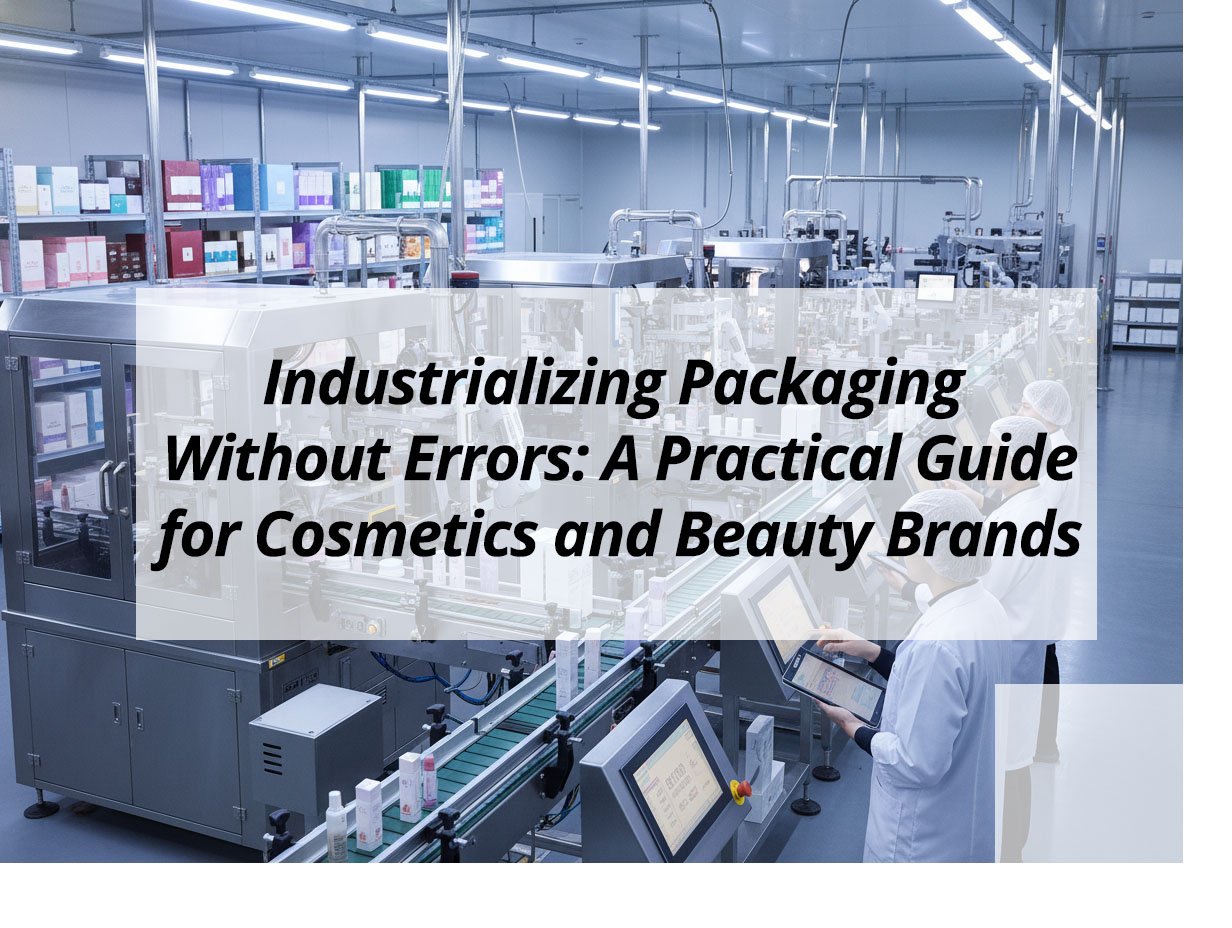
Developing cosmetic packaging can be complex. Brands often face challenges in quality and consistency. Avoiding mistakes is crucial for product success. This guide offers practical steps to streamline the packaging process.
Successfully industrializing cosmetic packaging demands careful planning and execution to prevent common errors. This guide outlines key considerations for brands, focusing on sustainable choices, correct material selection, and embracing innovation. It aims to help businesses ensure packaging integrity, meet regulatory standards, and enhance brand appeal throughout the entire production cycle.
The process of bringing a packaging design to mass production involves many stages. Each stage requires attention to detail. This article explains how to manage these steps effectively. It helps brands achieve their packaging goals without major setbacks.
What is the most sustainable cosmetic packaging?
Many brands want to be eco-friendly. Choosing sustainable packaging is a key part of this. However, defining "most sustainable" can be difficult due to many factors.
The most sustainable cosmetic packaging typically integrates materials with high recyclability, renewability, or biodegradability, such as post-consumer recycled (PCR) plastics, glass, aluminum, or bamboo. True sustainability considers the entire product life cycle, from resource extraction and manufacturing to transport and end-of-life disposal, aiming to minimize environmental impact at every stage.
When considering sustainable options, brands evaluate different materials and their environmental footprints. This often involves looking beyond the initial cost to the long-term benefits and impacts.
Understanding Sustainable Packaging Attributes
Sustainable packaging encompasses various characteristics. These attributes help define how environmentally friendly a packaging choice truly is.
- Recyclability: The ability of a material to be reprocessed into new products. Materials like glass and aluminum are highly recyclable.
- Recycled Content: Using materials that have already been recycled, such as PCR plastic. This reduces demand for virgin resources.
- Renewability: Materials derived from natural resources that can be replenished, like bamboo or certain bio-plastics.
- Biodegradability/Compostability: Materials that can naturally decompose into harmless substances.
- Reduced Weight/Size: Lighter or smaller packaging often means lower transportation emissions.
Common Sustainable Materials in Cosmetics
Different materials offer varying degrees of sustainability. Brands select based on product needs and environmental goals.
| Material | Environmental Benefits | Considerations |
|---|---|---|
| PCR Plastics | Reduces virgin plastic use, lowers carbon footprint | Limited number of recycling cycles for some types |
| Glass | Infinitely recyclable, inert, premium feel | Heavier, more fragile, higher transport costs |
| Aluminum | Infinitely recyclable, lightweight, durable | Energy-intensive production, can dent |
| Bamboo/Wood | Renewable, biodegradable, natural aesthetic | Sourcing ethics, durability for certain products |
| Mon-materials | Easier to recycle as components are not mixed | May require specific manufacturing processes |
Strategies for Implementing Sustainable Packaging
Integrating sustainable practices requires a holistic approach. It impacts design, sourcing, and consumer communication.
- Life Cycle Assessment (LCA): Conduct an LCA to understand the environmental impact of different packaging options from raw material to disposal.
- Design for Recyclability: Create packaging with single materials or easily separable components to improve recycling rates.
- Promote Refill and Reuse: Develop refillable packaging systems to extend the life of primary containers and reduce waste.
- Transparent Communication: Clearly inform consumers about the packaging's sustainable features and proper disposal methods.
What is the correct packaging for cosmetics?
Selecting the correct packaging for cosmetic products is crucial. It involves balancing product integrity, user experience, and market appeal, while adhering to industry standards.
The correct cosmetic packaging ensures the product's safety, stability, and efficacy throughout its shelf life, preventing contamination and degradation. It must also comply with all relevant regulations, provide an efficient and pleasant user experience, and reflect the brand's identity effectively. This involves choosing appropriate materials, dispensing systems, and designs for the specific cosmetic formulation.
Brands must consider multiple aspects beyond just appearance. The functionality and protective qualities of packaging are paramount to product success and consumer satisfaction.
Key Functions of Cosmetic Packaging
Cosmetic packaging serves several vital functions. These go beyond simply holding the product.
- Product Protection: Shields the product from external factors like light, air, moisture, and microbial contamination, preserving its integrity and shelf life.
- Containment: Safely holds the product, preventing leaks or spills, which is especially critical for liquid or semi-liquid formulations.
- Information Conveyance: Provides essential information to consumers, including ingredients, usage instructions, warnings, and regulatory details.
- Dispensing: Allows for controlled and hygienic application of the product, enhancing the user experience.
- Brand Presentation: Acts as a silent salesperson, attracting consumers and communicating brand values and aesthetics.
Essential Selection Criteria
Choosing the right packaging involves a systematic evaluation of various factors.
| Criteria | Description | Example Consideration |
|---|---|---|
| Product Compatibility | Packaging material must not react with or degrade the cosmetic formula. | Acids in a product might corrode certain metals. |
| Barrier Properties | Ability to protect from oxygen, UV light, and moisture. | Opaque bottles for light-sensitive ingredients. |
| Dispensing Mechanism | Ease and hygiene of product application. | Pump for serums, spray for toners, wand for mascara. |
| Durability | Packaging must withstand shipping, handling, and consumer use. | Drop tests for glass bottles. |
| Regulatory Compliance | Adherence to local and international packaging and labeling laws. | Correct labeling of ingredients and net content. |
Impact of Inappropriate Packaging
Poor packaging choices can lead to significant problems for brands.
- Product Spoilage: Inadequate barrier protection can lead to oxidation, microbial growth, or evaporation, rendering the product unusable.
- Customer Dissatisfaction: Leaking products, broken dispensers, or difficult-to-open packaging frustrate consumers.
- Brand Damage: Perceived low quality due to packaging can harm a brand's reputation and sales.
- Recall Risks: Non-compliance with regulations can result in costly product recalls and legal issues.
What are the innovations in beauty packaging?
The beauty industry is dynamic. Packaging innovations constantly emerge. These developments aim to address consumer demands for sustainability, convenience, and enhanced brand interaction.
Innovations in beauty packaging are largely driven by advancements in sustainable materials, smart technology integration, and improvements in user experience. This includes widespread adoption of refillable and recyclable designs, the development of new biodegradable and bio-based materials, and the use of airless systems for product preservation. Additionally, interactive packaging with QR codes or NFC tags is providing enhanced transparency and direct consumer engagement.
Brands are increasingly looking for packaging solutions that not only protect their products but also offer a competitive edge in a crowded market. This pushes the boundaries of traditional packaging design and functionality.
Key Areas of Packaging Innovation
Innovations are transforming how beauty products are packaged and consumed. Several areas show significant progress.
- Sustainable Solutions: Efforts to reduce environmental impact remain a primary focus.
- Smart Packaging: Integrating technology for enhanced functionality and consumer engagement.
- User Experience (UX) Enhancement: Designing packaging that is more intuitive, hygienic, and satisfying to use.
Innovations in Sustainable Packaging Materials
New materials and systems are making packaging more environmentally friendly.
| Innovation | Description | Environmental Benefit |
|---|---|---|
| Refill Systems | Permanent outer packaging with replaceable inner cartridges. | Reduces waste, encourages reuse, lowers carbon footprint |
| Bio-based Plastics | Derived from renewable biomass sources like corn starch or sugarcane. | Less reliance on fossil fuels, can be compostable |
| Ocean Plastic Packaging | Plastics recovered from oceans or coastlines, then recycled. | Addresses plastic pollution, creates demand for collected waste |
| Waterless Product Formats | Solid or concentrated products requiring less or no water, enabling smaller packaging. | Reduces packaging size and weight, lowers transport impact |
Advancements in Smart and Interactive Packaging
Technology is making packaging more than just a container.
- QR Codes/AR: Provide access to product information, virtual try-ons, tutorials, or loyalty programs via smartphone scans.
- NFC (Near Field Communication) Tags: Enable quick data transfer for authentication, product tracking, or personalized content.
- Sensory Packaging: Materials designed to offer unique tactile experiences, such as soft-touch coatings or textured surfaces.
Enhancements in User Experience
Packaging innovations also focus on making products easier and safer to use.
- Airless Dispensing Systems: Prevent product exposure to air, extending shelf life and ensuring complete product evacuation.
- Precision Applicators: Integrated brushes, rollers, or droppers designed for targeted and hygienic application.
- Child-Resistant Closures: Safety features for products that could be harmful if ingested by children.
Which material is often used in cosmetic packaging to convey a sense of luxury?
In cosmetic packaging, certain materials are consistently chosen to evoke luxury. These materials enhance the perceived value and sophistication of the product through their tactile and visual properties.
Glass and various metals, particularly aluminum, zamac, and sometimes gold-plated elements, are predominantly used in cosmetic packaging to convey a sense of luxury. Glass offers substantial weight, clarity, and a classic, elegant aesthetic, making products feel premium. Metals provide a cool, smooth touch, a sleek finish, and a perception of durability and high quality, often used for caps, accents, or entire primary containers.
The choice of material is not merely functional; it is a critical part of a brand's marketing strategy. It communicates quality, exclusivity, and a premium experience to the consumer.
The Allure of Glass in Luxury Packaging
Glass is a timeless material for luxury cosmetics. Its inherent qualities contribute significantly to a high-end feel.
- Weight and Substance: The density of glass provides a satisfying weight in hand. This communicates quality and makes the product feel more substantial and valuable.
- Clarity and Brilliance: Transparent glass allows the product itself to be seen, showcasing its color and texture. This transparency can convey purity and sophistication.
- Cool Touch: The cool temperature of glass upon handling adds a refreshing, clean sensation that is often associated with high-quality skincare and beauty products.
- Versatility in Design: Glass can be molded into various shapes, frosted, colored, or decorated with intricate designs, offering extensive customization options for unique brand identities.
The Sophistication of Metals
Metals bring a modern and robust luxury appeal to cosmetic packaging.
| Metal Type | Characteristics in Luxury Packaging | Common Applications |
|---|---|---|
| Aluminum | Lightweight, recyclable, offers a sleek, metallic sheen; can be anodized in various colors. | Caps, tubes, small jars, spray bottles |
| Zamac (Zinc Alloy) | Heavy, offers a cold touch, highly moldable for intricate designs, can be plated. | Heavy caps, compact cases, lipstick mechanisms |
| Gold/Silver Plating | Applied as a finish to plastic or metal components for ultimate opulence and shine. | Decorative rings, caps, brand logos |
| Stainless Steel | Durable, corrosion-resistant, provides a clean, modern, and sturdy feel. | Roll-on applicators, sometimes outer casings |
Complementary Materials and Finishes for Luxury
Beyond primary materials, finishes and secondary elements also play a role in creating a luxurious impression.
- Thick-Walled Plastics: Engineered plastics with increased wall thickness can mimic the weight and feel of glass, providing a durable and more cost-effective alternative while maintaining a premium look.
- Soft-Touch Coatings: Applied to plastic or glass, these coatings offer a velvety texture that enhances tactile luxury.
- Metallic Accents and Foiling: Gold or silver hot stamping and metallized elements on labels or directly on packaging add sparkle and prestige.
- Magnetic Closures: Provide a satisfying click and a secure seal, enhancing the overall user experience and perception of quality.
My Insights: Error-Free Industrial Packaging for Beauty Brands
Struggling with packaging errors in cosmetics production? Learn how to industrialize processes for seamless, error-free packaging.
To industrialize cosmetic packaging without errors, adopt controlled workflows and automated systems. Focus on material selection, quality checks, and digital tracking. Combine regulatory and manufacturing discipline to minimize recalls and optimize launches.
Streamlining Error-Free Packaging Processes
Key Steps to Industrialize Packaging
| Focus Area | Actions |
|---|---|
| Quality Control | Implement stage-gate processes and in-process checks |
| Automated Systems | Use automation for labeling and monitoring |
| Material Selection | Ensure formula-pack compatibility before artwork finalization |
Common Mistakes to Avoid
Avoid choosing packaging solely for aesthetics; prioritize functionality for oils, actives, and closures to prevent leaks and clogs. Prevent ad hoc label revisions by maintaining standardized master data for claims and barcodes.
Optimizing Production Workflow
Combine regulatory requirements with manufacturing precision. Ensure controlled labels, tested packaging, documented inspections, and automation for repeat tasks. Real-time monitoring can catch deviations early, optimizing efficiency and reducing waste.
This comprehensive approach enhances reliability, speeds up launches, and minimizes errors across cosmetic and beauty packaging processes. For further guidance, consider creating SOPs or checklists tailored to specific production needs.
Conclusion
Industrializing cosmetic packaging without errors requires careful attention to detail. Focus on sustainable materials, correct functional design, and embrace innovations. Selecting materials that convey luxury further elevates brand perception.