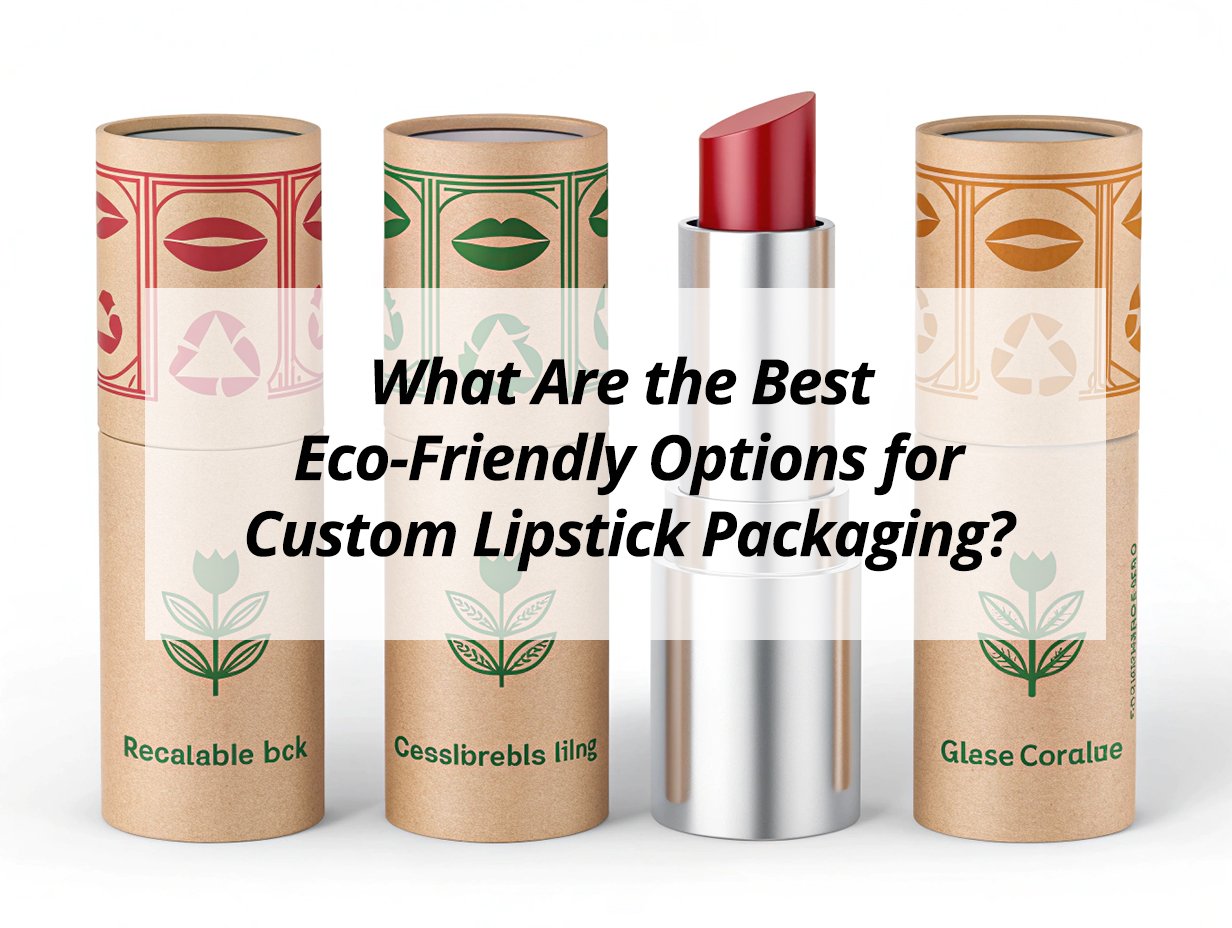
Sustainability is not just a trend; it's a necessity. The beauty industry is increasingly under pressure to develop packaging that meets ecological standards without compromising on beauty or functionality.
Eco-friendly lipstick packaging ranges from refillable cases and bamboo materials to recycled components and innovative bioplastics. These solutions meet environmental goals while maintaining aesthetics and usability.
Let's explore eco-friendly lipstick packaging that aligns with sustainability. Discover effective strategies combining branding impact with environmental responsibility.
What is the best eco-friendly packaging for cosmetics?
Navigating the world of sustainable materials can be overwhelming. How can brands find materials that align with their eco-conscious goals without compromising brand identity?
Bamboo and recycled materials emerge as top choices for eco-friendly cosmetic packaging. These materials are biodegradable, recyclable, and align with environmental efforts.
Eco-friendly packaging involves careful choices of materials that have both consumer appeal and sustainability. Here are some of the most effective options available today.
Key Material Options
-
Bamboo Packaging1: Bamboo is sustainable, biodegradable, and visually appealing. It's perfect for brands wanting to project natural aesthetics.
-
Recycled Materials2: Using recycled materials like aluminum or PCR plastic helps reduce reliance on new resources, aligning with sustainable manufacturing practices.
Small Perspective: By choosing materials like bamboo and recycled components, brands not only enhance their environmental credentials but also create appealing products that resonate with eco-conscious consumers.
| Material Type | Benefits |
|---|---|
| Bamboo | Biodegradable, stylish aesthetics |
| Recycled Materials | Reduce waste, promote sustainability |
What is the most environmentally friendly packaging?
In the quest for the most environmentally friendly packaging, brands face the challenge of balancing functionality with sustainability. Which materials stand out?
Recycled aluminum and PCR plastics are leading choices for environmentally friendly packaging due to their size efficiency, recyclability, and durable nature.
Choosing recycled aluminum and PCR plastics for packaging offers tremendous benefits. These materials are not only strong and durable but also contribute positively to a brand's sustainable image.
Recycled and PCR Materials
-
Recycled Aluminum3: This material is lightweight, highly recyclable, and offers printability options that enhance branding efforts.
-
PCR Plastics4: These plastics are made from recycled materials, reducing demand for new plastics and supporting a more sustainable product lifecycle.
Small Perspective: By opting for recyclable and durable materials like aluminum, brands can achieve both sustainability and market competitiveness, appealing to environmentally conscious consumers.
| Option | Advantages |
|---|---|
| Recycled Aluminum | Lightweight, highly recyclable, versatile |
| PCR Plastics | Reduces new plastic usage, sustainable lifecycle |
What are the alternatives to plastic packaging for cosmetics?
As environmental concerns mount, finding alternatives to plastic packaging becomes crucial for the cosmetics industry. But what options truly provide a sustainable solution?
Paperboard and bioplastics present strong alternatives to traditional plastic packaging, providing eco-friendly and efficient solutions while maintaining functionality.
To replace conventional plastics, innovative materials like paperboard and bioplastics offer effective solutions. These options are essential for shaping the future of sustainable cosmetics packaging.
Paper-based and Bioplastic Options
-
Paperboard Tubes5: These serve as viable plastic alternatives with their biodegradable qualities, providing an eco-friendly aesthetic that appeals to conscious consumers.
-
Bioplastics: Crafted from renewable resources, bioplastics offer a compostable solution that reduces reliance on fossil fuels.
Small Perspective: Transitioning to renewable materials like paperboard and bioplastics signifies a strong commitment to sustainability while maintaining cosmetic quality.
| Option | Benefits |
|---|---|
| Paperboard | Biodegradable, attractive to consumers |
| Bioplastics6 | Renewable, compostable, sustainable choices |
What are the 7 R's of sustainable packaging?
The journey toward sustainable packaging involves understanding and implementing key principles. The challenge is weaving these seamlessly into brand strategies.
The 7 R's – Reduce, Reuse, Recycle, Refuse, Rethink, Repair, and Replace – offer comprehensive guidance for sustainable packaging practices, promoting a more circular economy.
Incorporating the 7 R’s into packaging strategies encourages brands to rethink their approaches critically and innovatively. By adopting these principles, they can ensure long-term sustainability that aligns with modern consumer expectations.
Key Principles
-
Reduce: Focus on using minimal resources and materials to decrease environmental impact.
-
Reuse: Design packaging that withstands multiple uses and offers added consumer value.
-
Recycle: Ensure easy recyclability and engage in waste reduction efforts.
Small Perspective: Adopting the 7 R's allows brands to innovate and meet sustainability objectives, fostering positive consumer engagement and loyalty.
| Principle | Action |
|---|---|
| Reduce | Minimize material use, boost efficiency |
| Reuse | Improve packaging longevity, consumer value |
| Recycle | Simplify recycling processes |
My insights: The Best Eco-Friendly Options for Custom Lipstick Packaging
Looking to create sustainable lipstick packaging without compromising quality? Discover how innovative materials and designs are revolutionizing the cosmetics industry.
Eco-friendly lipstick packaging options include refillable tubes, biodegradable materials like bamboo, recycled plastics, aluminum casings, and minimalist designs. These solutions reduce waste, align with zero-waste initiatives, and cater to eco-conscious consumers.
The shift towards sustainability in lipstick packaging is driven by innovative materials and practices. Refillable tubes minimize single-use waste, promoting long-term eco-friendly habits. Biodegradable options like bamboo and paperboard provide natural aesthetic appeal and effective decomposition, reducing landfill pressure.
Key Materials and Design Options
-
Aluminum Casings: These offer durability and recyclability, providing a premium feel and excellent barrier properties.
-
Recycled Plastics: Using post-consumer resin reduces new plastic production while maintaining performance.
-
Bioplastics: Made from renewable resources, these offer a lower carbon footprint and appeal to eco-conscious buyers.
-
Minimalist Designs: Reduce material usage and promote clear end-of-life pathways for packaging.
Table of Packaging Innovations:
| Material | Pros | Cons |
|---|---|---|
| Bamboo & Paperboard | Renewable, biodegradable | Potential moisture sensitivity, cost |
| Refillable Systems | Reduces waste, consumer buy-in | Higher upfront cost |
| Recycled Plastics (PCR) | Cost-effective, familiar performance | Limited color options, consumer perception |
| Aluminum Casings | Durable, high-end feel, recyclable | Heavier, potential coating issues |
These advancements not only bolster sustainability but also enhance brand positioning by aligning with modern consumer values and demands for eco-friendly practices.
Conclusion
Choosing eco-friendly lipstick packaging requires careful material selection and strategic planning. By integrating principles like the 7 R's and utilizing materials such as bamboo and recycled plastics, brands can align with consumer values and enhance brand loyalty, contributing positively to a sustainable future.
-
Explore how bamboo packaging enhances sustainability and brand aesthetics in cosmetics. ↩
-
Learn about the impact of recycled materials on reducing waste and promoting eco-friendly practices. ↩
-
Discover the benefits of recycled aluminum for sustainability and branding in the cosmetics industry. ↩
-
Find out how PCR plastics help reduce new plastic usage and support a sustainable lifecycle. ↩
-
Understand the eco-friendly benefits of paperboard tubes in cosmetics packaging. ↩
-
Explore how bioplastics offer a renewable and compostable solution for sustainable packaging. ↩