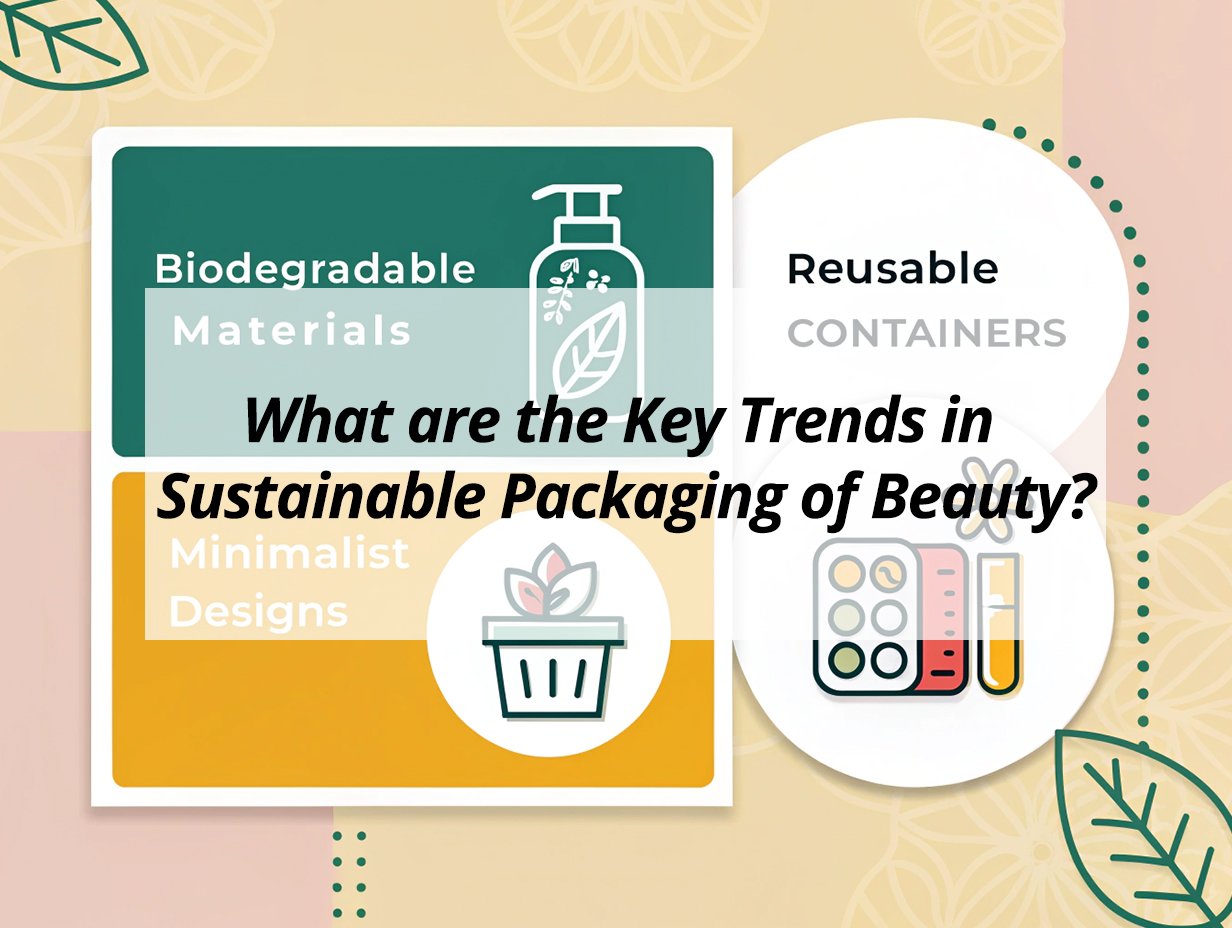
The beauty industry is embracing sustainability at a rapid pace. As consumer awareness grows, the demand for eco-friendly packaging solutions becomes imperative.
In beauty, sustainable packaging emphasizes reducing waste and carbon footprints. Emerging trends include refillable designs, biodegradable materials, and minimalist aesthetics.
This evolution is crucial for the environment and brands looking to meet consumer expectations. Let’s explore the transformative landscape of sustainable packaging in detail.
What are the sustainable packaging options for cosmetics?
The choices brands make in packaging significantly influence their environmental impact. So what are the key options available today?
Brands are increasingly turning to biodegradable, plastic-free, and recycled materials to forge a sustainable path forward. Reusable systems are central to reducing waste.
Exploring these options reveals how businesses are balancing responsibility with consumer desires for green products. Each option underlines a commitment to sustainability and innovation.
Biodegradable Materials1
Biodegradable materials are redefining eco-packaging by using nature-friendly resources.
-
Bamboo and Molded Fiber: These options provide a sustainable alternative to plastic. Used for jars and cartons, they reduce waste while maintaining aesthetic appeal.
-
Natural Elements: They not only decrease environmental footprints but also align with consumer preferences for organic materials.
Reusable and Refillable Systems2
Adopting reusable systems shifts packaging from linear to circular, reducing single-use impacts.
-
Examples: Refillable jars and in-store refill stations engage consumers while reducing waste significantly.
-
Circular Economy Benefits3: These systems support sustainability by keeping materials in use and out of landfills.
| Sustainable Choice | Benefits |
|---|---|
| Biodegradable | Natural, less wasteful materials |
| Reusable/Refillable | Reduces impact, enhances loyalty |
What are the 7 R's of sustainable packaging?
Understanding the principles that underpin sustainable decisions is crucial. What are the 7 R's guiding these efforts?
The 7 R's – Reduce, Reuse, Recycle, Refuse, Rethink, Repair, and Replace – form the core of sustainable packaging strategies. Applying these principles supports a circular economy.
These principles offer a roadmap to eco-conscious decision-making, aligning business practices with environmental goals.
Detailed Exploration of the 7 R's
Let's delve into how each principle contributes:
-
Reduce: Cutting excess materials minimizes environmental impact.
-
Reuse: Packaging designed for repeated use extends product life and reduces waste.
-
Recycle: Utilizes recyclable materials, aiding in waste management.
-
Refuse: Avoid unnecessary packaging, promoting minimalism.
-
Rethink: Innovate to find more sustainable solutions.
-
Repair: Encourages fixing rather than discarding.
-
Replace: Swap harmful materials for eco-friendly options.
| Principle | Action |
|---|---|
| Reduce | Decrease material use, increase efficiency |
| Reuse | Design for multiple uses |
| Recycle | Focus on recyclable content |
By integrating these principles, businesses can enhance their environmental impact and brand value.
What is sustainability in the beauty industry?
Sustainability is reshaping every aspect of beauty. What precisely does this entail?
Sustainability in beauty focuses on eco-conscious products and packaging. It involves practices that minimize harm and promote long-term ecological balance.
This movement is about fostering positive change and responsibility throughout the product lifecycle, deeply integrating sustainable principles into brand ethos.
Key Aspects of Sustainability
Sustainability in beauty touches on several vital areas:
Material Selection4
Choosing eco-friendly materials like bamboo and recycled plastics is crucial.
- Benefits: They offer a lower environmental footprint and appeal to conscientious consumers.
Production Processes5
Efforts to curb carbon footprints and improve efficiency are essential.
- Technologies: Renewable energy sources are explored to power production lines.
Consumer Education6
Educating consumers about eco-friendly practices fortifies their participation.
- Strategies: Clear labeling and recycling guides support consumer understanding and engagement.
By weaving these aspects into their frameworks, businesses can align more closely with sustainable values.
| Aspect | Description |
|---|---|
| Material Selection | Eco-friendly options |
| Production Processes | Low-impact manufacturing |
Which of the following is an emerging trend in sustainable packaging?
The landscape of sustainable packaging is ever-evolving. What are the most exciting emerging trends?
Key emerging trends include biotechnology for sustainable materials, smart packaging tech, and the use of ocean-recovered plastics. These innovations drive a more sustainable future.
These advancements showcase the industry's dedication to environmental responsibility and innovative solutions.
Innovations in Biotechnology and Smart Packaging
Biotech solutions offer promising paths for reducing waste.
- Bio-based Plastics: Engineered to decompose naturally, mitigating environmental impact.
Smart packaging engages consumers with interactive features. - Technology: QR codes with recycling information offer greater consumer empowerment.
Ocean-Recovered Plastics7
Reclaiming ocean plastics for packaging cleans habitats and supplies raw materials.
- Focus: Reduces plastic waste, transforming it into attractive packaging.
- Small Perspective: These innovations symbolize progress in eco-packaging, unveiling new avenues for sustainable development within the beauty industry.
My Insights: Key Trends in Sustainable Packaging of Beauty
Want to future-proof your beauty brand? Embrace groundbreaking sustainable packaging trends transforming the industry.
The top trends in sustainable beauty packaging include refillable systems, biodegradable materials, minimalist designs, recycled content, and more. These innovations reduce waste while maintaining premium aesthetics and meeting consumer demand for eco-friendly options.
Sustainable Packaging Trends
Innovative and Eco-Friendly Approaches
-
Refillable Systems: Reduce waste by allowing easy product refills. This trend supports a premium brand image when paired with elegant packaging design.
-
Biodegradable and Compostable Materials: Materials that naturally decompose, enhancing eco-responsibility. Bioplastics and compostable films cater to regions with developed waste infrastructure.
| Trend | Description | Benefits |
|---|---|---|
| Refillable Systems | Easy-to-refill packaging | Reduces single-use waste |
| Biodegradable Materials | Naturally decompose | Eco-friendly, waste-reducing |
Enhancing Consumer Engagement
-
Recycled Content: Incorporates post-consumer materials to lessen virgin material demand. Clearly labeled packaging communicates sustainability to consumers.
-
Transparency and Education: Involves on-pack material information and QR codes for recyclability guidance, strengthening consumer trust and compliance with regulations.
| Trend | Description | Benefits |
|---|---|---|
| Recycled Content | Uses post-consumer materials | Supports circular economy |
| Transparency & Education | Material info and disposal guides | Increases trust and regulatory alignment |
To align your brand with these trends, consider how each can integrate into your product lines, enhancing both sustainability and customer engagement.
Conclusion
Sustainable packaging trends are shaping the beauty industry, driving brands toward eco-friendly practices that improve their environmental impact and attract sustainability-minded consumers.
-
Explore how biodegradable materials can significantly reduce environmental impact in cosmetics packaging. ↩
-
Learn about innovative systems that promote sustainability and reduce waste in the beauty industry. ↩
-
Explore how a circular economy can transform packaging practices and reduce waste. ↩
-
Discover how choosing the right materials can lower environmental footprints in the beauty industry. ↩
-
Explore how efficient production processes can enhance sustainability in the beauty sector. ↩
-
Learn how educating consumers can foster participation in sustainable practices. ↩
-
Learn about the innovative use of ocean plastics in creating eco-friendly packaging solutions. ↩