Businesses often look for ways to adopt sustainable practices without increasing costs. Finding affordable eco-friendly lip balm packaging is a key challenge in the cosmetic industry. This article explores cost-effective sustainable material options.
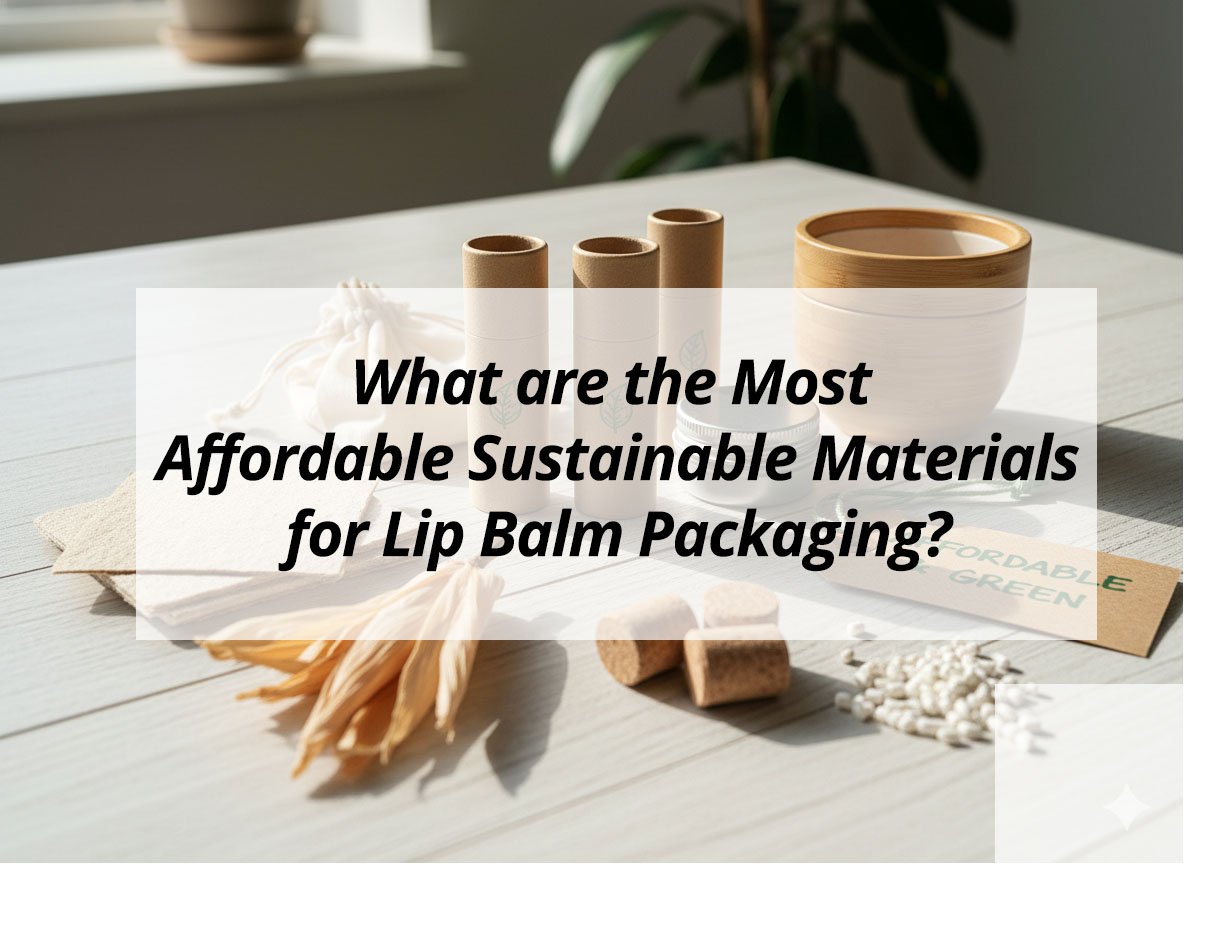
The most affordable sustainable materials for lip balm packaging frequently include Post-Consumer Recycled (PCR) plastics, paperboard, and sometimes bamboo. These choices provide a balance between environmental benefits and economic viability. They enable brands to minimize their environmental footprint and reduce waste within budget limitations.
A comprehensive understanding of sustainable packaging involves examining its entire life cycle. This includes raw material sourcing, manufacturing, and end-of-life disposal. Informed decisions lead to more sustainable outcomes.
What is the Most Environmentally Friendly Packaging Material?
Determining the "most" environmentally friendly packaging material is complex. Its environmental impact depends on numerous factors, such as production methods, transportation distances, and recyclability.
The most environmentally friendly packaging material typically depends on its complete life cycle analysis. Materials like Post-Consumer Recycled (PCR) content, sustainably sourced paper, bamboo, and glass are strong contenders. Each offers advantages in reducing reliance on virgin resources, enhancing recyclability, or biodegradability, making them effective choices for eco friendly lip balm packaging.
Selecting the optimal material requires evaluating multiple criteria. For example, while glass is highly recyclable and reusable, its weight increases transportation emissions. Conversely, lightweight paper tubes may be single-use but demand less energy for shipping.
Factors in Packaging Material Life Cycles
Every material undergoes a life cycle, encompassing raw material acquisition, manufacturing, distribution, consumer use, and disposal.
- Resource Origin: Are materials derived from renewable sources like bamboo or non-renewable resources?
- Production Energy: How much energy is consumed during manufacturing? Are harmful substances involved?
- Logistics Impact: How does packaging weight influence fuel consumption during transport?
- Consumer Interaction: Is the packaging easily recyclable or reusable by the end-user?
- Disposal Outcome: Does the material biodegrade, get recycled, or contribute to landfill waste?
Here is an overview of common eco-friendly materials:
| Material Type | Advantages | Disadvantages | Common Applications |
|---|---|---|---|
| PCR Plastic | Utilizes existing plastic, reduces virgin material. | Still a plastic, recyclability limits vary. | Various cosmetic items, wholesale lip balm tubes. |
| Paperboard | Biodegradable, often recyclable, renewable. | Less durable, requires protective liners for oils. | Dry products, secondary packaging, custom lip balm tubes. |
| Bamboo | Rapidly renewable, biodegradable, natural aesthetic. | Potentially higher cost, availability can be limited. | Premium eco-friendly cosmetic products. |
| Glass | Highly recyclable, reusable, inert. | Heavy, fragile, increases shipping expenses. | Balms in jars, high-quality formulations. |
The Role of PCR Plastics in Sustainability Efforts
PCR plastics represent a significant advancement in sustainable packaging. They incorporate plastics that have been collected, processed, and re-manufactured, thereby reducing the demand for new plastic production and minimizing waste. When clients seek wholesale lip balm tubes, PCR options are frequently recommended due to their environmental benefits and cost-effectiveness. This approach supports sustainability objectives without substantial cost increases.
Why Paperboard is Gaining Popularity
Paperboard is increasingly favored for lip balm packaging. It is lightweight, biodegradable, and typically recyclable. This material can offer a competitive advantage in terms of cost and environmental impact. Custom lip balm tubes made from paperboard provide a distinct visual appeal. However, an internal barrier is necessary to prevent oil-based lip balms from seeping through the material.
Is it Legal to Sell Homemade Lip Balm?
Individuals producing lip balm at home often inquire about the legality of selling their products. Selling homemade lip balm is permissible, provided specific regulations are met. These regulations are designed to ensure product safety and consumer protection.
Selling homemade lip balm is legal, but it requires adherence to specific governmental health and safety regulations. These typically include mandates for accurate labeling, hygienic manufacturing practices, full ingredient disclosure, and sometimes business or facility registration. Compliance with these rules ensures the product's safety and legal market presence for businesses utilizing eco friendly lip balm packaging.
Understanding relevant local laws is crucial, as regulations vary by jurisdiction. Cosmetic packaging suppliers often observe the strictness of these requirements for their business clients, who rely on compliant and certified packaging.
Understanding Cosmetic Product Regulations
All cosmetic products, including lip balms, are subject to regulatory guidelines. These regulations cover:
- Ingredient Safety: Only approved and safe ingredients can be used. Certain ingredients may be prohibited or restricted.
- Manufacturing Standards: Production must occur in a clean, controlled environment to prevent contamination.
- Labeling Requirements: Labels must accurately list ingredients, net quantity, warning statements, and manufacturer contact information.
- Marketing Claims: Product claims must be truthful and not misleading (e.g., avoiding unsubstantiated therapeutic claims).
| Regulatory Category | Key Compliance Points | Importance for Manufacturers |
|---|---|---|
| Ingredient Approval | Use only safe and permitted substances. | Essential for consumer health and legal compliance. |
| Good Manufacturing Practices (GMP) | Maintain clean facilities, adhere to hygiene, implement quality control. | Guarantees product purity, consistency, and safety. |
| Labeling Precision | Clear ingredient list, net weight, manufacturer details. | Builds consumer confidence, meets legal obligations. |
| Claim Substantiation | Avoid unsupported medical or exaggerated cosmetic claims. | Prevents consumer deception and regulatory penalties. |
| Business Registration | Some jurisdictions require specific business or product registrations. | Ensures legal operation and oversight. |
The Importance of Proper Labeling for Eco Friendly Lip Balm Packaging
Accurate labeling is paramount for selling lip balm. It informs consumers about the product's contents and origin. For eco friendly lip balm packaging, labels can also highlight sustainable features, such as the use of custom lip balm tubes made from recycled content. This transparency appeals to environmentally conscious consumers. High-quality labeling is recognized as a mark of product integrity in the industry.
Sourcing Packaging for Regulatory Compliance
For businesses, selecting packaging that aids in regulatory compliance is vital. Packaging components must be safe and suitable for cosmetic applications. For instance, wholesale lip balm tubes are engineered for precision, contributing to product safety and extended shelf life. Ensuring material compatibility with the lip balm formulation is a critical aspect of compliance.
What Materials are Used to Make Lip Balm?
Lip balm is formulated from specific components to achieve its protective and moisturizing properties. Understanding these base materials helps in selecting appropriate packaging.
Lip balm primarily consists of waxes (such as beeswax, candelilla wax, or carnauba wax), oils (like coconut oil, shea butter, or jojoba oil), and sometimes plant-based butters (e.g., cocoa butter). These components collectively form a protective barrier for the lips. Flavorings, colorants, and essential oils are often added. The selection of these ingredients also influences the most suitable type of eco friendly lip balm packaging.
Ingredients must be dermatologically safe and stable throughout the product's shelf life.
Fundamental Ingredients in Lip Balm Formulations
Waxes and oils form the foundational components of most lip balms.
- Waxes: These provide structural integrity and firmness to the balm. They are crucial for creating a physical barrier on the lips.
- Beeswax: A common natural wax of insect origin.
- Candelilla Wax: A plant-derived, vegan alternative.
- Carnauba Wax: Another plant-based wax, valued for its hardness.
- Oils/Butters: These contribute moisturizing and nourishing properties, ensuring a smooth, spreadable texture.
- Coconut Oil: Known for its moisturizing benefits.
- Shea Butter: Highly nourishing and restorative.
- Jojoba Oil: Mimics the skin's natural sebum.
- Cocoa Butter: Imparts richness and aids in texture.
Ingredient Influence on Packaging Selection
The specific formulation of lip balm impacts packaging requirements. For example, a softer balm might necessitate a more rigid tube or a jar, while a firmer balm is suitable for standard wholesale lip balm tubes.
- Oil Concentration: Higher oil content may require specialized liners in paper tubes to prevent product leakage.
- Product Consistency: Softer formulations need packaging capable of maintaining its shape and containing the product.
- Additive Compatibility: Certain essential oils or fragrances can interact with specific plastic types over time, making material compatibility a key consideration.
Considering product ingredients is essential when discussing custom lip balm tubes or other cosmetic packaging. For instance, highly acidic ingredients necessitate specific plastic choices to prevent material degradation, ensuring product and packaging integrity.
Is Lip Balm Sustainable?
Assessing the sustainability of lip balm extends beyond its packaging. It encompasses the environmental impact of its ingredients and production methods.
The sustainability of lip balm is determined by multiple factors, including the ethical and environmental impact of its ingredients (e.g., sustainably harvested waxes, organic oils), the eco friendly lip balm packaging employed, and the manufacturing processes. Prioritizing natural, ethically sourced ingredients and packaging that is recycled, recyclable, or biodegradable significantly enhances a lip balm's overall sustainability.
A truly sustainable product considers its entire value chain, from raw material sourcing to final disposal. Consumer demand for such products is increasing.
Sustainable Sourcing for Lip Balm Ingredients
Sustainable ingredient sourcing involves:
- Ethical Harvesting: Are ingredients obtained in ways that avoid environmental damage or exploitative labor practices? For beeswax, this means supporting responsible beekeeping.
- Organic Certification: Are oils and butters cultivated without synthetic pesticides or fertilizers?
- Local Procurement: Can ingredients be sourced regionally to minimize transportation-related emissions? This is often more feasible for smaller-scale producers.
The Impact of Eco Friendly Lip Balm Packaging
Packaging plays a critical role in a product's sustainability profile. Using eco friendly lip balm packaging demonstrates a brand's commitment to environmental stewardship.
- Waste Reduction: Packaging made from PCR materials or easily recyclable options reduces landfill contributions.
- Carbon Footprint Mitigation: Lightweight materials like paperboard or certain plastics lower transportation emissions.
- Renewable Resources: Materials like bamboo are derived from rapidly regenerating plant sources.
Highlighting the use of wholesale lip balm tubes made from PCR plastic can enhance a brand's sustainable image. It reflects a responsible approach to product delivery.
My Insights: Affordable Sustainable Materials for Lip Balm Packaging
Seeking economical and eco-friendly lip balm packaging? Explore the best sustainable materials that balance cost and environmental impact.
Recycled paperboard and kraft paper tubes are the cheapest sustainable options for lip balm packaging. These materials are biodegradable, compostable, and recyclable, making them ideal for cost-effective, eco-conscious production.
Evaluating Cost and Sustainability in Lip Balm Packaging
Cheapest Sustainable Options
| Material | Cost | Sustainability Attributes |
|---|---|---|
| Kraft Paper Tubes | Low | Biodegradable, recyclable, often purchased in bulk |
| Recycled Paperboard | Low | Compostable, recyclable, cost-effective substitute for plastics |
| Cardboard/Kraft Hybrids | Low | Affordable, with potential for compostable/recyclable features |
Comparisons with More Expensive Alternatives
While aluminum and plant-fiber tubes offer premium sustainability and aesthetic appeal, they typically come with higher costs. Kraft paper remains the most affordable, especially beneficial for brands focusing on budget-friendly sustainability.
Practical Implementation
Choosing plain kraft paper push-up tubes maximizes sustainability and cost efficiency. Premium finishes or branding can be added selectively to enhance market appeal. For brands prioritizing both low cost and environmental responsibility, recycled paper-based options prove to be an optimal choice.
Understanding the economic and environmental benefits of each material ensures informed decisions in sustainable packaging.
I'm here to help! If you have any more questions or need further assistance, feel free to ask.
Conclusion
Selecting affordable sustainable materials for lip balm packaging requires evaluating cost, environmental impact, and regulatory compliance. PCR plastics, paperboard, and bamboo offer viable eco-friendly alternatives. A holistic understanding of ingredient sourcing and product life cycle is crucial for achieving true lip balm sustainability.