Feeling overwhelmed by the myriad of skincare packaging choices? You're not alone; finding the perfect packaging is crucial for product success.
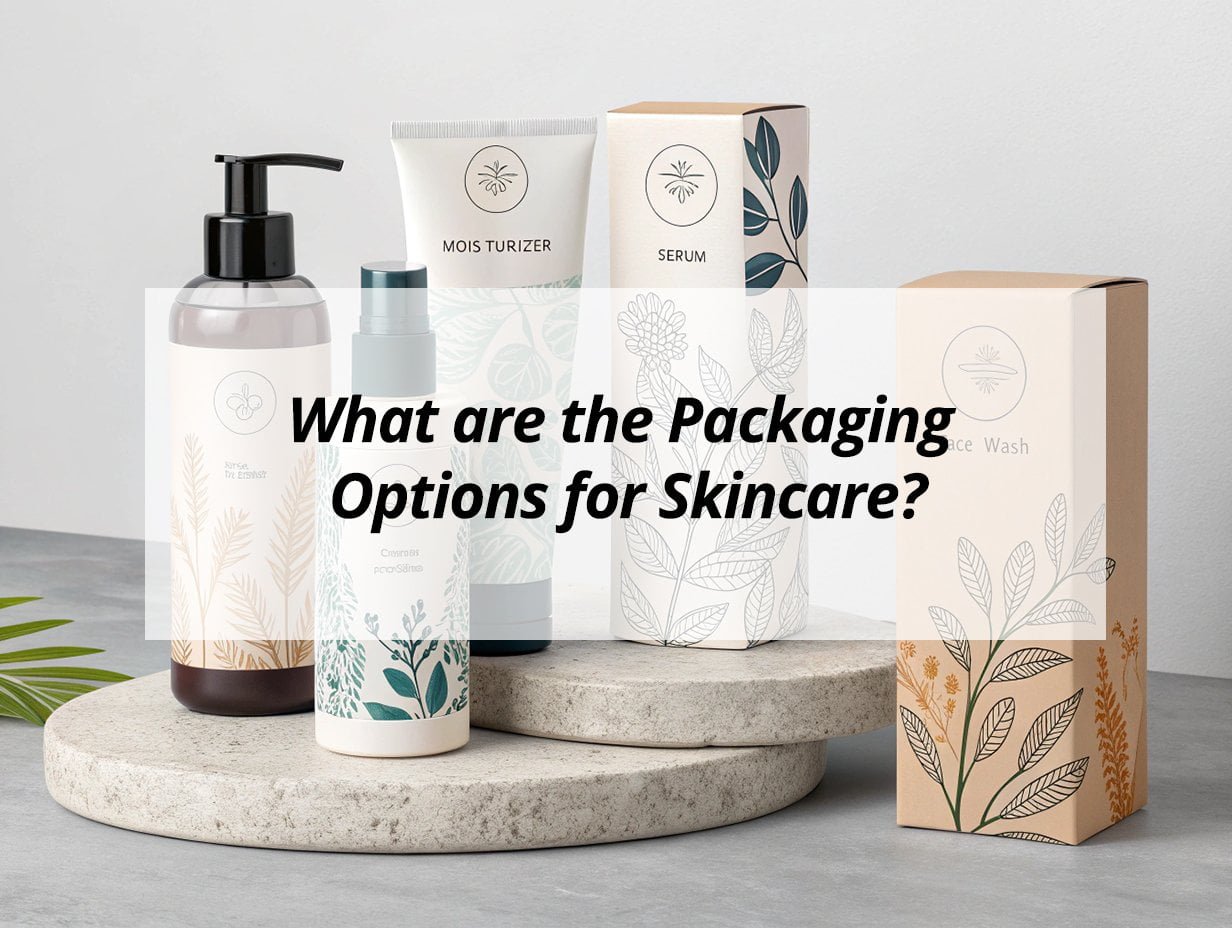
Skincare packaging includes bottles, jars, tubes, and pumps, each catering to specific needs. Bottles offer precision, jars provide easy access, tubes ensure portability, and pumps prevent contamination. Selecting the right type enhances product appeal, brand image, and consumer satisfaction, balancing protection with visual allure.
Choosing the right packaging not only affects the product’s shelf life but also influences consumer engagement. Dive in to discover more.
What is the best packaging for skincare products?
Finding the right packaging can be challenging with so many options available. How do you choose the best one?
The best packaging for skincare products combines functionality and aesthetics. Ideal options include airless pumps for serums, glass jars for creams, and recyclable materials for eco-friendly appeal. This ensures product protection and enhances brand perception.
Choosing optimal packaging requires balancing practical needs with brand identity, making a lasting impact on consumers.
Packaging Selection
Selecting the best packaging involves a nuanced approach based on product needs.
Factors to Consider
- Product Compatibility: Ensure the packaging material is suited to the product type, like avoiding reactive materials with essential oils.
- Brand Aesthetics: Choose designs that align with brand identity, such as luxury cosmetic packaging wholesale1 for upscale brands.
- Sustainability: Opt for eco-friendly options, which appeal to environmentally conscious consumers.
Common Packaging Types
| Packaging Type | Benefits | Ideal For |
|---|---|---|
| Airless Pumps | Prevent oxidation | Serums, lotions |
| Glass Jars | Premium look, non-reactive | Creams, balms |
| Plastic Tubes | Lightweight, cost-effective | Sunscreen, cleansing gels |
| Metal Tins | Durable | Balms, ointments |
Understanding these factors helps choose wisely and meets consumer expectations.
What are the 4 types of packaging?
Navigating the world of packaging can feel overwhelming. Let’s simplify it by breaking it down into four basic types.
The four main types of packaging are primary, secondary, tertiary, and quaternary. Each serves a unique role, from protection to branding and storage, ensuring product safety and enhancing consumer interaction.
Understanding these categories helps streamline your decision-making process, improving both functionality and appeal.
Packaging Types
Let’s explore each type of packaging to understand its unique contributions.
Detailed Breakdown
-
Primary Packaging:
- Purpose: Directly holds the product.
- Examples: Cream jars, lotion bottles.
- Benefits: Protects the product from contaminants.
-
Secondary Packaging:
- Purpose: Groups primary packages.
- Examples: Boxes for skincare sets.
- Benefits: Facilitates branding and information dissemination.
-
Tertiary Packaging:
- Purpose: Bulk handling and storage.
- Examples: Pallets, shipping containers.
- Benefits: Protects during transportation.
-
Quaternary Packaging:
- Purpose: Additional protection.
- Examples: Shrink wraps.
- Benefits: Ensures safety during bulk shipping.
Understanding these layers helps optimize packaging strategies for better logistics and brand communication.
What are the different types of skincare containers2?
Skincare containers come in various forms, each suited to different product types. How do these containers differ?
Skincare containers include bottles, jars, tubes, and pumps. Each type offers unique advantages like ease of use, preservation, and portability. Choosing the right container enhances product experience and usability.
The right container choice enhances user experience and preserves product integrity, a critical factor in customer satisfaction.
Skincare Containers
Exploring the variety of containers available helps demystify the selection process.
Container Types and Their Uses
-
Bottles:
- Material: Glass, plastic.
- Use: Liquids like toners.
- Advantage: Clear visibility of the product.
-
Jars:
- Material: Glass, acrylic.
- Use: Creams, gels.
- Advantage: Easy access to product.
-
Tubes:
- Material: Plastic, laminated.
- Use: Masks, pastes.
- Advantage: Portability and controlled dispensing.
-
Pumps:
- Material: Plastic, stainless steel.
- Use: Serums, lotions.
- Advantage: Hygienic, prevents contamination.
Selecting containers based on these characteristics ensures the product remains effective and appealing.
Which skincare brand has the best packaging?
Ever wondered which brand stands out with its packaging? The right choice can set a brand apart.
Several skincare brands are known for exceptional packaging, such as Aesop, known for minimalist design, and Drunk Elephant, recognized for bright, user-friendly packaging. Effective packaging strengthens brand identity and increases product appeal.
Brand packaging can significantly influence consumer perception and loyalty. Let’s see what makes these brands special.
Standout Skincare Brands
Understanding how top brands excel in packaging offers valuable insights.
Notable Brands and Their Strategies
-
Aesop:
- Design: Simple, apothecary-style.
- Materials: Amber glass bottles.
- Benefit: Projects sophistication and heritage.
-
Drunk Elephant:
- Design: Vibrant, modern.
- Materials: Colorful, recyclable plastic.
- Benefit: Appeals to a youthful demographic.
-
The Ordinary:
- Design: Minimalist, scientific.
- Materials: Clear glass bottles.
- Benefit: Highlights product transparency and efficacy.
These brands excel by aligning packaging design with brand values, enhancing overall consumer experience.
My insights: The Packaging Options for Skincare
Discover diverse skincare packaging options that enhance product protection, user experience, and brand sustainability, creating lasting impressions in a competitive market.
Skincare packaging options include glass bottles, plastic tubes, pump dispensers, airless containers, aluminum tins, paperboard boxes, refillable jars, sachets, and biodegradable materials3. Each offers unique benefits aligning with product protection and sustainability goals.
Primary Packaging Options
Material Choices and Functions
- Glass Bottles: Offer premium feel and recyclability, ideal for serums and oils.
- Plastic Tubes: Lightweight and flexible, used for lotions and creams.
- Airless Containers: Preserve product integrity by preventing air exposure.
- Aluminum Tins: Durable, protecting creams and balms from external damage.
| Packaging Type | Key Features | Common Uses |
|---|---|---|
| Glass Bottles | Premium, recyclable | Serums, oils |
| Plastic Tubes | Flexible, lightweight | Lotions, creams |
| Airless Containers | Prevent contamination | Sensitive formulations |
| Aluminum Tins | Durable | Balms, creams |
Additional Options
- Refillable Jars: Promote sustainability and reduce waste.
- Sachets: Convenient for single-use applications, ideal for samples.
Secondary Packaging and Sustainability
- Paperboard Boxes: Eco-friendly options providing extra protection and branding space.
- Biodegradable Materials: Reducing environmental impact while maintaining appeal.
Choosing the right packaging involves balancing aesthetic, functional requirements, and eco-friendly solutions to align with your brand's values and consumer demands. These options help enhance shelf appeal, protect formulations, and nurture brand loyalty.
Conclusion
Selecting the right skincare packaging involves balancing functionality with aesthetic appeal. From bottles to innovative designs, smart packaging choices can elevate your brand and enhance consumer satisfaction.