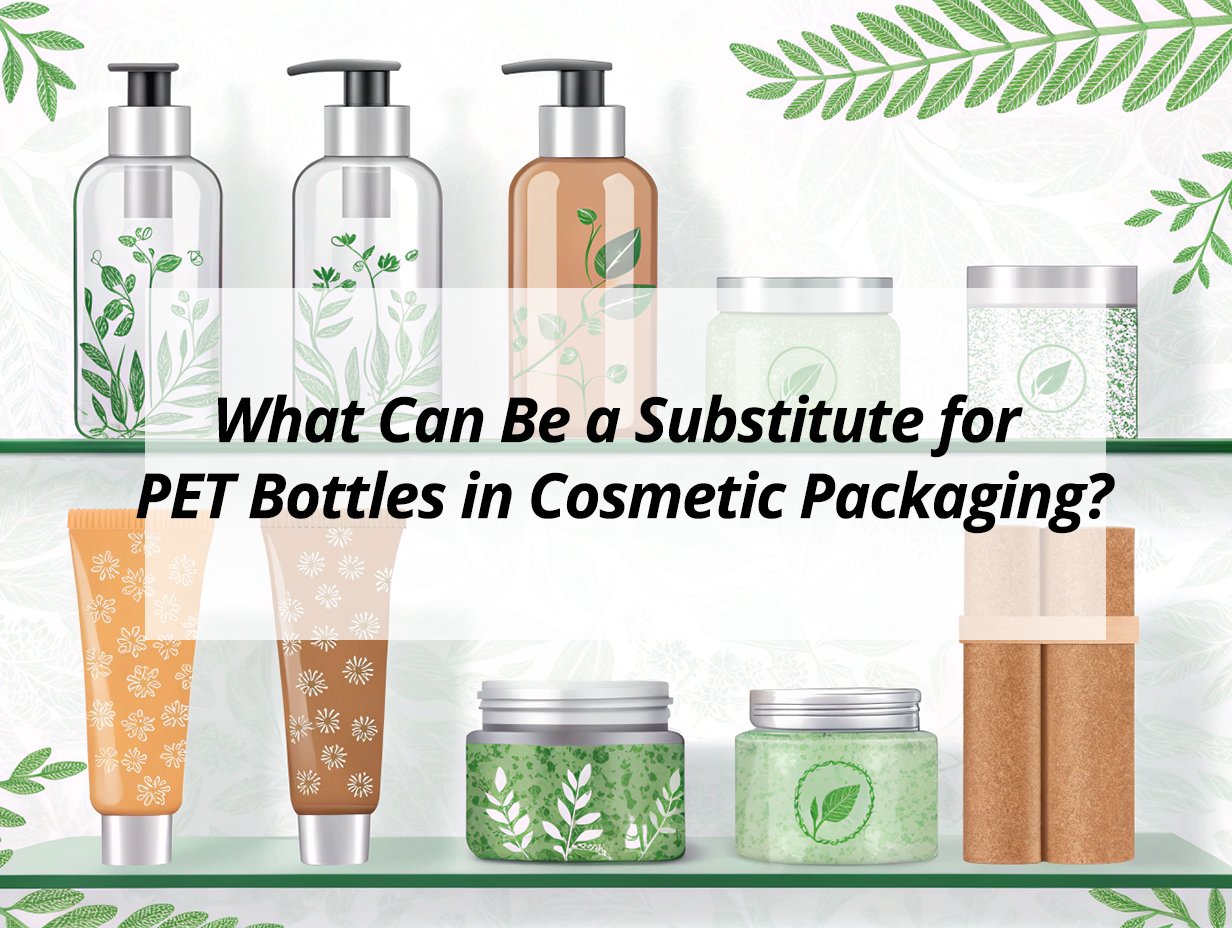
Addressing the mounting issues of plastic waste in cosmetic packaging requires exploring alternatives that not only protect the products but also uphold environmental responsibilities. Companies are turning to innovative solutions that align with eco-friendly values while maintaining product integrity and appeal.
Several viable substitutes for PET bottles in cosmetic packaging are available, each offering unique advantages. Choosing the best one depends on the product type, brand positioning, sustainability objectives, and performance needs.
Shifting towards sustainable packaging is essential for brands aiming to reduce their environmental impact. Let's explore how various materials can meet both consumer demands and sustainability goals, creating opportunities for brand growth.
What is the alternative to plastic in cosmetic packaging?
The quest for sustainable packaging1 has led brands to seek materials that can replace plastics while ensuring quality and style. Alternatives such as glass and aluminum provide promising opportunities to elevate brand identity and reduce environmental impact2.
Glass provides a premium, recyclable option, while aluminum offers a durable and lightweight alternative, making them ideal eco-friendly packaging choices for beauty products.
Understanding the nuances of glass and aluminum as packaging materials involves assessing their benefits and limitations to determine the perfect fit for specific product lines.
Glass as a Packaging Material
-
Pros:
- Excellent barrier to air and light, preserving product integrity.
- Highly recyclable, aligning with eco-friendly goals.
- Offers a luxurious appearance, enhancing brand perception for high-end products.
-
Cons:
- Heavier than other materials, contributing to higher transport emissions.
- Fragile, posing risks of breakage during handling and shipping.
-
Ideal Uses:
- Serums, oils, and high-end creams where premium perception is paramount.
Aluminum Insights
-
Pros:
- Lightweight and sturdy, reducing transportation costs and emissions.
- Good barrier properties, protecting against environmental factors.
- Highly recyclable, supporting sustainability objectives.
-
Cons:
- Higher production costs compared to plastics.
- May require liner compatibility checks to avoid product contamination.
-
Ideal Uses:
- Travel containers, single-dose applications for liquids or gels.
Incorporating glass and aluminum requires balancing cost considerations with environmental benefits, ensuring that the packaging supports both brand identity and consumer preferences.
What can be used in place of plastic bottles?
To minimize plastic usage and enhance sustainability, brands are looking at biodegradable materials3 such as PLA and recyclable options4 like HDPE to replace conventional plastic bottles.
Biodegradable PLA and HDPE containers offer viable solutions, combining compostability and recyclability to fulfill eco cosmetic packaging needs.
Transitioning from traditional plastics to biodegradable options involves a comprehensive understanding of material properties and the associated environmental benefits.
Polylactic Acid (PLA)5
-
Pros:
- Derived from renewable resources, reducing dependence on fossil fuels.
- Compostable under specific conditions, offering a reduced waste footprint.
-
Cons:
- Composting requires industrial facilities, not widely available for consumer disposal.
- Mechanical properties may differ from PET, affecting product performance.
-
Ideal Uses:
- Dispensable products like lotions and shampoos, marketed as sustainable.
High-Density Polyethylene (HDPE)6
-
Pros:
- Recyclable, fitting into existing waste management systems.
- Maintains performance similar to PET, facilitating a smoother transition.
-
Cons:
- Relies on robust recycling streams, requiring consumer participation for effectiveness.
-
Ideal Uses:
- Refillable containers, mainstream products seeking to reduce virgin plastic use.
By understanding the capabilities and limits of these materials, brands can align packaging solutions with broader environmental objectives while ensuring consumer satisfaction and product performance.
What are some alternatives to plastic packaging?
Eco-friendly packaging innovation continues to evolve, with renewable resources like bamboo and sugarcane offering substantial environmental benefits, while materials like cardboard tubes7 provide functional and sustainable solutions.
Materials like bamboo, sugarcane, and cardboard tubes contribute to a sustainable narrative, offering diverse eco-packaging solutions for different product types.
Incorporating natural and biodegradable materials into packaging strategies requires strategic alignment with brand sustainability goals and consumer expectations.
Innovative Materials Table
| Material | Benefits | Limitations | Usage |
|---|---|---|---|
| Bamboo | Renewable and biodegradable, unique aesthetic | Limited usage scope | Inserts, sleeves, or containers |
| Sugarcane | Reduces fossil fuel reliance | Performance variations | Sustainable marketed products |
| Cardboard | Recyclable and compostable | Not for liquid storage | Balms, solid products |
Through careful selection and application of these materials, brands can articulate their commitment to sustainability and innovation, fostering consumer loyalty and driving market differentiation.
What are the eco-friendly packaging materials for cosmetics?
Advanced sustainable packaging solutions like cellulose-based materials and seed-paper showcase the synergy between ecological responsibility and innovative design, enabling brands to offer compelling narratives through packaging choices.
Innovative materials such as cellulose-based solutions and seed-paper packaging provide an exciting opportunity to deliver truly eco-friendly packaging for beauty products.
Exploring advanced materials unveils potential pathways to enrich brand stories and deepen consumer connections through eco-friendly packaging.
Eco-Friendly Innovations
| Material | Pros | Cons | Ideal Uses |
|---|---|---|---|
| Cellulose-Based | Compostable, strong sustainability message | Requires specific disposal streams | Single-use sachets, sample packaging |
| Seed-Paper | Unique, interactive consumer experience | Primarily for outer packaging | Promotional packs, limited editions |
By leveraging innovative materials that align with consumer values and environmental trends, brands can elevate their packaging offerings, achieving a balance between functionality, aesthetics, and sustainability.
My Insights: A Substitute for PET Bottles in Cosmetic Packaging?
Seeking eco-friendly alternatives to PET bottles for your cosmetics? Explore innovative materials that balance sustainability, aesthetics, and functionality.
Substitute options for PET bottles in cosmetic packaging include glass, aluminum, biodegradable plastics, paper-based containers, and bamboo. These materials offer diverse benefits like recyclability, premium appeal, and environmental friendliness.
Alternatives
Key Substitutes
- Glass: Offers a luxurious look and is infinitely recyclable. Ideal for premium products but heavier and more fragile.
- Aluminum: Lightweight, durable, fully recyclable, and provides a modern aesthetic.
- Biodegradable Plastics: Made from renewable resources, designed to decompose naturally.
- Bamboo: Eco-friendly, biodegradable, and offers a natural appearance for caps or accents.
| Material | Benefits | Considerations |
|---|---|---|
| Glass | Premium, recyclable | Heavy, fragile |
| Aluminum | Lightweight, durable, recyclable | Higher material cost |
| Biodegradable Plastics | Eco-friendly, renewable | Variable barrier performance |
| Bamboo | Natural, biodegradable | May need combination with other materials |
Evaluation Criteria
- Barrier Properties: Essential for product protection.
- Recyclability: Align with local recycling capabilities.
- Cost: Balance sustainability with economic feasibility.
- Consumer Perception: Match material choice with branding strategy.
Selecting the right substitute involves assessing your cosmetic product's specific needs, including formulation compatibility, regional recycling infrastructure, and desired aesthetic to achieve both performance and sustainability.
Conclusion
Embracing substitutes for PET bottles in cosmetic packaging offers significant opportunities to enhance environmental responsibility and foster innovation. By carefully choosing materials that resonate with brand goals and consumer desires, companies can effectively navigate the evolving landscape of eco-friendly packaging solutions.
-
Explore how sustainable packaging can enhance brand identity and reduce environmental impact. ↩
-
Understand the relationship between packaging choices and their environmental consequences. ↩
-
Learn about biodegradable options that can help brands minimize plastic usage and enhance sustainability. ↩
-
Discover recyclable materials that support eco-friendly practices in the beauty industry. ↩
-
Understand how PLA can reduce dependence on fossil fuels and offer compostable solutions. ↩
-
Find out how HDPE maintains performance while fitting into recycling systems. ↩
-
Discover how cardboard tubes provide functional and sustainable solutions for cosmetics. ↩