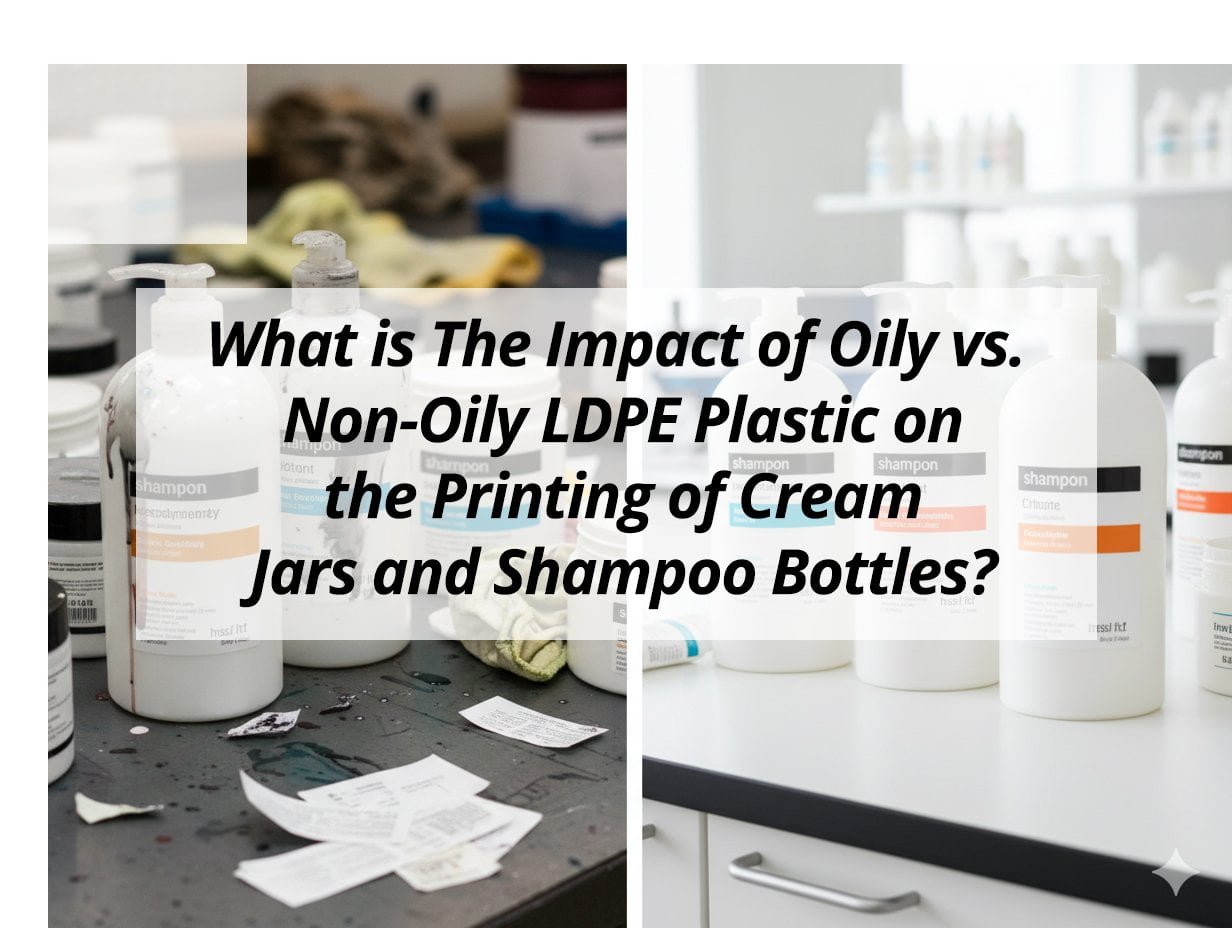
Are you struggling with inconsistent print quality on your cream jars or shampoo bottles? The plastic type might be the issue. Understanding the difference between oily and non-oily LDPE plastic is crucial for effective printing.
Choosing the right LDPE plastic type is essential for achieving high-quality, durable printing on cosmetic packaging like cream jars and shampoo bottles. Oily LDPE can cause ink adhesion problems and blurry designs, while non-oily LDPE ensures a smooth, lasting finish. This selection directly affects product presentation and brand image.
Understanding the right material helps ensure packaging aesthetics and performance. This knowledge is key for anyone involved in cosmetic packaging sourcing or production. Let's explore these important differences.
What is the best material for shampoo bottles?
Are you looking for the best material for shampoo bottles? The right choice impacts both product integrity and visual appeal. An incorrect material selection can lead to significant functional and aesthetic problems.
The most suitable material for shampoo bottles often depends on factors such as cost, durability, chemical compatibility, and desired appearance. HDPE is a primary choice due to its strength, resistance to chemicals, and cost-effectiveness. PET is another strong option, especially for clear or high-end products, providing good barrier properties and transparency.
Selecting the optimal material involves more than just picking a plastic. It requires matching the plastic's properties to the shampoo's formulation and the brand's specific requirements. For example, some oil-based shampoos may require specific plastic types to prevent material degradation or discoloration over time.
Key Material Considerations for Shampoo Bottles
Choosing materials for shampoo bottles requires careful evaluation. Many factors need consideration.
- Chemical Compatibility: Does the plastic react adversely with the shampoo ingredients? This is critically important. Certain ingredients, such as specific essential oils or strong detergents, can degrade some plastics or cause leaching. Thorough testing is always necessary.
- Barrier Properties: Can the plastic protect the shampoo from external elements like oxygen or UV light? Effective barrier properties help maintain product freshness. They prevent premature spoilage of the shampoo.
- Durability and Impact Resistance: Will the bottle withstand handling during shipping and daily consumer use? Shampoo bottles need to be robust. They are frequently exposed to drops or impacts.
- Aesthetics and Design Flexibility: Can the plastic achieve the desired visual outcome? Clear bottles allow product visibility. Colored bottles offer protection for light-sensitive ingredients. The material fundamentally influences the bottle's tactile and visual characteristics.
- Cost-Effectiveness: Is the chosen material within the allocated budget? Cost is consistently a significant factor. The aim is to achieve good quality within financial constraints.
- Recyclability: Is the plastic easily recyclable after use? Many consumers prioritize sustainability. Opting for recyclable materials can enhance a brand's public image.
Comparing Common Plastics for Shampoo Bottles
Let's examine the most common options. Each material presents specific advantages and disadvantages.
| Material Type | Pros | Cons | Typical Use Cases |
|---|---|---|---|
| HDPE | Durable, chemical resistant, cost-effective | Opaque, limits product visibility | Standard shampoo, conditioner, lotions |
| PET | Clear, good barrier, widely recyclable | Less impact resistant than HDPE, higher cost | Premium shampoo, clear body washes |
| PP | Good hinge property, heat resistant | Less durable than HDPE, limited clarity | Caps, closures, some smaller bottles |
| LDPE | Flexible, suitable for squeeze bottles | Less rigid than HDPE/PET, can have surface oiliness | Squeeze tubes, very flexible bottles |
| PVC | Clear, flexible, inexpensive | Environmental concerns, decreasing usage | Older bottle designs, highly specific applications |
When considering packaging for premium skincare lines, transparency is often desired to showcase the product. However, for high-volume, standard shampoos, the reliability and cost-effectiveness of HDPE are frequently prioritized, demonstrating that different product categories often require distinct packaging material strategies.
Why is HDPE used for shampoo bottles?
Have you ever considered why High-Density Polyethylene (HDPE) is a prevalent choice for shampoo bottles? This material's widespread use is attributed to its distinct advantages.
HDPE is extensively used for shampoo bottles due to its excellent balance of properties. It demonstrates significant durability, resistance to numerous chemicals commonly found in shampoos, and cost-efficiency for large-scale production. Its inherent rigidity also allows for stable bottle designs, facilitating ease of handling and effective retail display.
The widespread adoption of HDPE as a standard material for various bottles, including shampoo containers, marked a significant improvement in packaging reliability. Prior to its common use, issues such as leaks and container failures during transportation were more frequent. The implementation of HDPE packaging notably reduced instances of product damage.
The Advantages of HDPE for Packaging
HDPE possesses numerous favorable characteristics. It is a highly effective and reliable plastic.
- Durability and Strength: HDPE exhibits high strength. It resists cracks and impacts effectively. This ensures that shampoo bottles maintain their integrity, even if dropped during use. This is a considerable benefit for consumers.
- Chemical Resistance: Shampoos contain diverse chemical compounds. HDPE demonstrates resistance to most of these. This helps maintain the product's stability and efficacy. It also prevents degradation of the bottle material.
- Cost-Effectiveness: HDPE is economical to produce. Its manufacturing processes are efficient for mass production. This contributes to maintaining competitive pricing for consumer products.
- Lightweight: HDPE bottles are light in weight. This reduces transportation costs. It also offers convenience for consumers in daily use.
- Recyclability: HDPE is a widely recyclable plastic material. It is identified by the recycling code "2". This is an important factor for brands and consumers who prioritize environmental sustainability.
- Good Moisture Barrier: It effectively contains moisture within the bottle. This prevents the shampoo from drying out prematurely. It also acts as a barrier against external moisture ingress.
Understanding HDPE Properties
Let's examine the specific characteristics that distinguish HDPE.
| Property | Description | Benefit for Shampoo Bottles |
|---|---|---|
| Density | High (0.941-0.965 g/cm³) | Provides a strong, rigid structural form |
| Melt Temperature | High (120-130°C) | Capable of withstanding hot filling procedures |
| Chemical Resistance | Excellent against acids, bases, and alcohols | Compatible with the majority of shampoo formulations |
| Water Vapor Transmission Rate | Low | Minimizes product evaporation and external contamination |
| Transparency | Ranges from translucent to opaque | Protects light-sensitive ingredients, enables diverse coloring |
For products sensitive to light, such as dark-colored shampoos, the inherent opacity of HDPE bottles can be a beneficial feature. This property naturally shields the contents from light exposure, contributing to product stability and preserving its visual qualities on retail shelves. This can be a critical detail for product longevity.
Why are shampoo bottles made of plastic?
Have you ever considered the widespread use of plastic for shampoo bottles? This choice is deliberate. Plastic offers distinct advantages that other materials often lack.
Shampoo bottles are predominantly manufactured from plastic due to its optimal combination of lightness, durability, cost-effectiveness, and design versatility. Plastic prevents breakage in wet environments such as bathrooms, facilitates efficient transportation, and can be molded into various shapes and sizes to meet brand aesthetics and functional requirements.
The adoption of plastic for shampoo bottles significantly improved safety and convenience for consumers. The risk of breakage, common with materials like glass in a bathroom setting, was effectively eliminated. This practicality is highly valued in consumer goods.
The Benefits of Plastic Over Other Materials
Plastic offers numerous advantages. It generally outperforms glass or metal for most shampoo products.
- Safety: Plastic does not shatter into sharp fragments. This makes it considerably safer, especially in bathroom environments. It reduces risks associated with product use.
- Lightweight: Plastic is characterized by its low weight. This results in reduced shipping costs. It also enhances the ease of handling for consumers.
- Durability: Plastic bottles can endure drops and impacts effectively. They resist denting unlike metal and do not shatter like glass.
- Cost-Effective Production: Plastic is inexpensive to manufacture. Its molding processes are efficient and rapid. This helps maintain competitive pricing for shampoos.
- Design Flexibility: Plastic can be formed into an extensive range of shapes. This allows for the creation of diverse bottle designs, from modern to unique styles. This capability assists brands in differentiating their products.
- Versatility: Different types of plastics offer varied properties. It is possible to select a plastic that precisely matches the specific needs of a shampoo product. This includes aspects like clarity, flexibility, or barrier performance.
- Resistance to Corrosion: Unlike certain metals, plastic does not corrode or rust. This is particularly important in environments with high moisture. It helps maintain the visual integrity of the packaging over time.
Environmental and Practical Considerations
Environmental aspects also play a role. Plastic packaging needs to be considered in this context.
- Recycling Infrastructure: Many plastics commonly used for shampoo bottles, such as HDPE and PET, benefit from established recycling programs. This contributes to reducing waste.
- Reduced Carbon Footprint (Shipping): The lightweight nature of plastic reduces the fuel consumption required for transportation. This results in a lower carbon footprint compared to heavier packaging materials like glass.
- Consumer Preference: Consumers are generally accustomed to plastic shampoo bottles. They are familiar with their use and expect this type of packaging.
- Product Protection: Plastic effectively safeguards the shampoo from external contamination and premature spoilage. It helps preserve the product's integrity from manufacturing to end-use.
Discussions around sustainability often involve evaluating the use of recycled plastics or designing bottles for enhanced recyclability. This balances practical packaging needs with environmental responsibility, aiming for optimal solutions.
Why is HDPE used for bottles?
Do you understand why HDPE is a popular choice for a wide array of bottles, not exclusively for shampoo? It is a highly adaptable material. Its inherent properties make it suitable for diverse product applications.
HDPE is utilized for a broad spectrum of bottles due to its exceptional strength-to-density ratio, chemical inertness, and resistance to impact. These qualities render it appropriate for packaging various liquids, including dairy products, detergents, automotive oils, and personal care items, thereby ensuring product safety and packaging integrity.
HDPE's presence extends across numerous industries beyond cosmetics. Its application in everyday items like milk jugs and laundry detergent bottles underscores its reliability and versatility. For applications requiring a strong and dependable container, HDPE is frequently considered a primary recommendation due to its consistent performance.
Broad Applications of HDPE in Bottle Manufacturing
HDPE's utility extends far beyond shampoo bottles. It is employed in numerous industrial sectors.
- Food and Beverage: HDPE is commonly used for milk jugs and juice bottles. It is safe for direct food contact. It helps maintain the freshness of liquids.
- Household Cleaners: Detergents, bleach, and various cleaning sprays are often packaged in HDPE. It demonstrates resistance to harsh chemical formulations. It maintains its integrity against aggressive substances.
- Automotive: Bottles for motor oil and antifreeze often utilize HDPE. It effectively handles oils and other automotive fluids without adverse reactions.
- Personal Care (Beyond Shampoo): Many lotions, body washes, and certain creams are packaged in HDPE bottles. Its durability provides robust protection for these products.
- Industrial Chemicals: Some industrial liquids are stored within HDPE containers. Its chemical resistance is a critical attribute in these applications.
Technical Benefits of HDPE for General Bottle Use
Let's explore the technical justifications. These explain why HDPE is so widely trusted.
| Technical Benefit | Impact on Bottle Performance |
|---|---|
| High Density | Provides structural rigidity and strength for stable containers. |
| Low Permeability | Creates an effective barrier against water and gases, extending product shelf life. |
| Excellent Stress Crack Resistance | Prevents the formation of cracks under continuous stress or pressure. |
| Good Processability | Facilitates efficient molding into a wide range of shapes and sizes. |
| Wide Temperature Range Stability | Maintains stability across a broad spectrum of temperatures, from cold to moderately warm. |
| Non-Toxic Composition | Deemed safe for use in food, beverage, and pharmaceutical packaging. |
When selecting packaging for strong chemical formulations, such as industrial hand cleaners, the robust nature of HDPE is a key advantage. Its ability to resist harsh chemicals and withstand frequent handling ensures both product integrity and user safety, making it an ideal choice for demanding applications.
My Insights: The Impact of Oily vs. Non-Oily LDPE on Printing Quality
Facing issues with your printed cream jars and shampoo bottles? Discover how oily and non-oily LDPE affects print results and durability.
Oil-resistant LDPE provides superior print adhesion on cream jars and shampoo bottles, minimizing ink bleeding and maintaining clarity. In contrast, non-oily LDPE may require special treatments to achieve durable and clear printing results.
Managing Print Quality on LDPE
Understanding LDPE Variants
- Non-Oily LDPE: Benefits from pretreatment like corona or plasma to enhance print adhesion.
- Oily LDPE: Additives can create a weak surface layer, complicating print adhesion.
Impact on Printing
| Aspect | Non-Oily LDPE | Oily LDPE |
|---|---|---|
| Surface Energy | Higher, stable after treatment | Lower, affected by migrated additives |
| Print Quality | Uniform ink spread | Beading and uneven coverage |
| Adhesion Durability | Strong; passes tape tests | Prone to lifting and smudging |
Improvement Strategies
- Material Selection: Opt for resins with lower additive levels where printing is essential.
- Surface Treatment: Apply pretreatment immediately before printing to maximize adhesion.
- Ink Selection: Use inks designed for low-surface-energy plastics, enhancing durability.
Adopting these strategies ensures consistent print quality, enhancing the appeal and functionality of your packaging.
Conclusion
Choosing the appropriate plastic for cosmetic packaging is fundamental. The distinction between oily and non-oily LDPE affects print adhesion, while HDPE provides strong, cost-effective solutions for various bottles. Understanding these material characteristics ensures durable and aesthetically pleasing packaging.