Creating the perfect lipstick tube involves precision and careful selection of materials. Understanding this process can enhance both product quality and consumer satisfaction.
Lipstick tube production is complex, involving formulation, molding, assembly, and branding to ensure quality and consistency. Each step is crucial to delivering a polished final product that meets industry standards and consumer expectations, highlighting the attention to detail required in cosmetic packaging manufacture.
Delving into these stages reveals the importance of quality control, material selection, and innovative design, helping in choosing effective suppliers and systems.
What is the manufacturing process of lipstick?
Creating lipstick involves several intricate stages that require precision and expertise. Each step ensures the final product meets quality and safety standards.
The key processes include formulation, molding, and filling, ensuring the lipstick's texture, color, and longevity, with a focus on consistency and efficiency.
Successful lipstick manufacturing depends on the integration of technology and craftsmanship to produce visually appealing and effective products.
the Lipstick Manufacturing Process
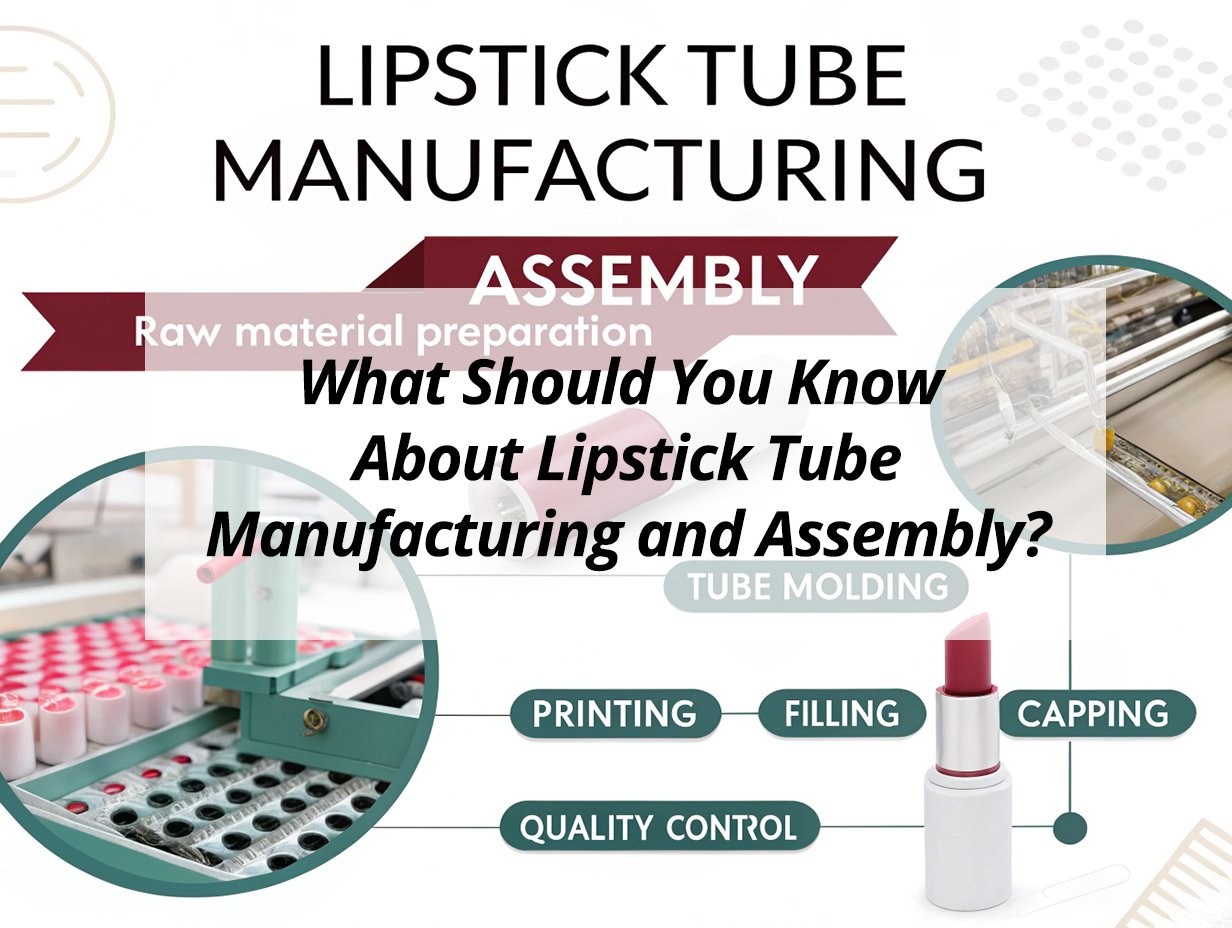
The lipstick manufacturing process encompasses several critical stages from base creation to packaging, requiring modern techniques and careful material selections.
Core Process Flow
-
Formulation and Pigment Dispersion1: This first step involves carefully blending various waxes, oils, and pigments. The mixture should be homogeneous to ensure consistent color and texture. Different formulations require specific ingredients and additives for stability and performance.
-
Preparation of Lipstick Base2: The resulting mixture is shaped using methods like molding or extrusion. Molds or extruders need precise temperature control to prevent defects and ensure uniformity.
-
Filling into Tubes3: After the base is shaped, the lipstick is filled into tubes. Automated systems precisely align and fill each tube, ensuring consistency across batches.
-
Assembly of Tube Components4: This involves adding the cap and any other external components. Proper alignment ensures a seamless user experience.
-
Branding and Packaging5: This is where decoration techniques come into play. Techniques like coating, labeling, or embossing are used to enhance brand visibility and product appeal.
| Stage | Description |
|---|---|
| Formulation | Blending waxes, oils, and pigments |
| Molding and Extrusion | Shaping the lipstick base |
| Tube Filling | Transferring the base into the container |
| Assembly | Aligning components for user-friendly design |
| Branding | Decorating and quality testing |
Efficient manufacturing integrates these steps, ensuring superior lipstick quality and market competitiveness.
What are lipstick tubes made of?
Lipstick tubes consist of carefully selected materials that balance durability with cost-effectiveness. The choices impact overall product perception.
Lipstick tubes usually utilize plastics like PP and metals such as aluminum, ensuring robustness and luxury appeal while accommodating various lipstick formulas.
Selecting the right materials is crucial for functionality, aesthetics, and compatibility with the lipstick itself.
Lipstick Tube Materials
Choosing the right materials for lipstick tubes involves understanding durability, aesthetics, and environmental sustainability.
Key Material Types
-
Plastic Components (PP, ABS)6: These offer flexibility, cost-efficiency, and ease of mass production. They are lightweight, which reduces shipping costs and environmental impact.
-
Metal Components (Aluminum)7: Aluminum offers a premium appearance and is also recyclable, making it an attractive option for luxury brands. Its durability ensures that the tube can withstand everyday use.
-
Eco-Friendly Alternatives (Biodegradable, Recyclable Plastics)8: With increasing environmental concerns, brands are turning to sustainable materials that do not compromise aesthetic appeal. These materials support brand image while catering to eco-conscious consumers.
| Material Type | Characteristics | Common Uses |
|---|---|---|
| Plastics | Lightweight, economical, versatile | Tube bodies, caps |
| Metals | Durable, premium feel | Caps, decorative |
| Eco-Friendly | Sustainable, innovative | Green packaging |
Material selection9 aligns with brand objectives, ensuring consistency and consumer satisfaction.
How does a lipstick tube work?
Understanding the mechanism of a lipstick tube is essential for ensuring user satisfaction. Smooth operation reflects quality manufacturing.
Lipstick tubes operate using a screw or push-up mechanism, allowing users to precisely control the exposure of the lipstick bullet for application.
The engineering behind these mechanisms guarantees a satisfying user experience, providing convenience and reliability.
Lipstick Tube Mechanics
Exploring lipstick tube functionality uncovers the intricacies of modern cosmetic design, balancing usability with aesthetic appeal.
Core Mechanism Types
-
Screw Mechanism10: A twist-based adjustment system allows users to raise or lower the lipstick by rotating the base. This traditional mechanism is reliable and easy to use.
-
Push-Up Mechanism11: This modern mechanism facilitates quick and easy exposure of the lipstick bullet through a simple push action. It is ideal for users who prefer a more straightforward application.
-
Innovative Options12: Some tubes incorporate advanced systems like spiral or bead mechanisms. These provide unique tactile feedback and improved user control, enhancing the user experience.
| Mechanism Type | Operation | User Feedback |
|---|---|---|
| Screw | Twist-based adjustment | Precise control |
| Push-Up | Simple push | Quick exposure |
| Spiral/Bead | Enhanced tactile feedback | Unique application feel |
Knowledge of these mechanisms aids in creating efficient, user-friendly designs aligning with consumer preferences.
What is the anatomy of the lipstick tube?
To ensure effective usage and durability, understanding the components of a lipstick tube is vital. Each part plays a crucial role.
A lipstick tube consists of a base, cap, and internal mechanics, assembled to ensure robust protection and seamless operation.
Analyzing these components provides insight into the design considerations crucial for durable and appealing lipstick packaging.
Lipstick Tube Components
Exploring the anatomy of a lipstick tube reveals the integration of various parts designed for performance and aesthetics.
Key Components Overview
-
Base: The foundation of the tube, housing the mechanism, is crucial for balance and structural stability. Selecting the right material for the base ensures it can withstand repeated use.
-
Cap: Protects the lipstick bullet while providing an ergonomically pleasing design for users. Caps are often designed for easy removal and replacement, contributing to the overall user experience.
-
Internal Mechanics: Comprising the functional core of the tube, this system manages the dispensing and retracting of the lipstick. Well-designed mechanics provide smooth operation and reliable performance.
-
Decoration Options: Enhance visual appeal and brand identity. Techniques like electroplating, anodizing, or lacquer coatings combine aesthetics with brand strategy.
| Component | Function | Design Considerations |
|---|---|---|
| Base | Stability, houses mechanism | Material choice, ergonomic design |
| Cap | Protection, ease of use | Secure fit, aesthetic appeal |
| Internal Mechanism | Dispense and retract lipstick | Smooth operation, reliability |
| Decoration | Brand identity and visual appeal | Finishes, branding techniques |
Creating an effective lipstick tube involves strategic material selection and design, ensuring long-term consumer satisfaction.
My insights: You Know About Lipstick Tube Manufacturing and Assembly
Lipstick tube manufacturing blends precision engineering with aesthetic design, creating functional and stylish products in a high-demand industry.
Lipstick tube manufacturing involves molding components like casing and mechanism, surface treatments, precision assembly, and quality control. Materials such as plastics and metals ensure durability, while automation enhances efficiency and consistency.
Key Components and Processes in Lipstick Tube Manufacturing
Component Molding and Surface Treatment
Lipstick tube components are molded using techniques like injection molding, primarily using plastics, metals, and glass. Surface treatments such as electroplating and oxidation enhance visual appeal and durability, contributing to brand identity.
| Process | Description | Benefits |
|---|---|---|
| Component Molding | Injection molding shapes casing, mechanism | Precision, durability |
| Surface Treatment | Electroplating, oxidation enhance aesthetics | Visual appeal, brand identity |
Assembly and Quality Control
The internal twist-up mechanism ensures smooth operation, assembled with precision to avoid mechanical failures. Automated systems improve efficiency and maintain consistent quality across large batches.
Lipstick Filling and Shaping
Lipstick is molded separately, filled into tubes using automated systems to avoid defects and ensure consistency. Materials must be compatible with lipstick formulas for functionality and aesthetic quality.
| Process | Description | Benefits |
|---|---|---|
| Assembly Mechanism | Mechanical assembly for smooth operation | Functionality, precision |
| Filling and Shaping | Automated systems for defect-free products | Consistency in quality |
Understanding these processes highlights the intricate blend of engineering and design in lipstick tube manufacturing, driving innovation and efficiency in the beauty industry.
Conclusion
Understanding the intricacies of lipstick tube manufacturing enhances product quality and market appeal, leading to satisfied customers and successful branding.
-
Understanding this process is key to achieving consistent color and texture in lipstick. ↩
-
Learn about the techniques used to shape the lipstick base for optimal quality. ↩
-
Discover the automated systems that ensure consistency in lipstick filling. ↩
-
Explore how proper alignment enhances user experience and product functionality. ↩
-
Effective branding can significantly impact product appeal and market success. ↩
-
Learn why these materials are favored for their flexibility and cost-effectiveness. ↩
-
Aluminum offers a premium feel and is recyclable, appealing to luxury brands. ↩
-
Explore sustainable options that align with modern consumer values. ↩
-
Choosing the right materials is essential for functionality and aesthetics. ↩
-
Understanding this traditional mechanism can enhance user satisfaction. ↩
-
This modern mechanism simplifies application, making it user-friendly. ↩
-
Discover advanced designs that improve user control and experience. ↩