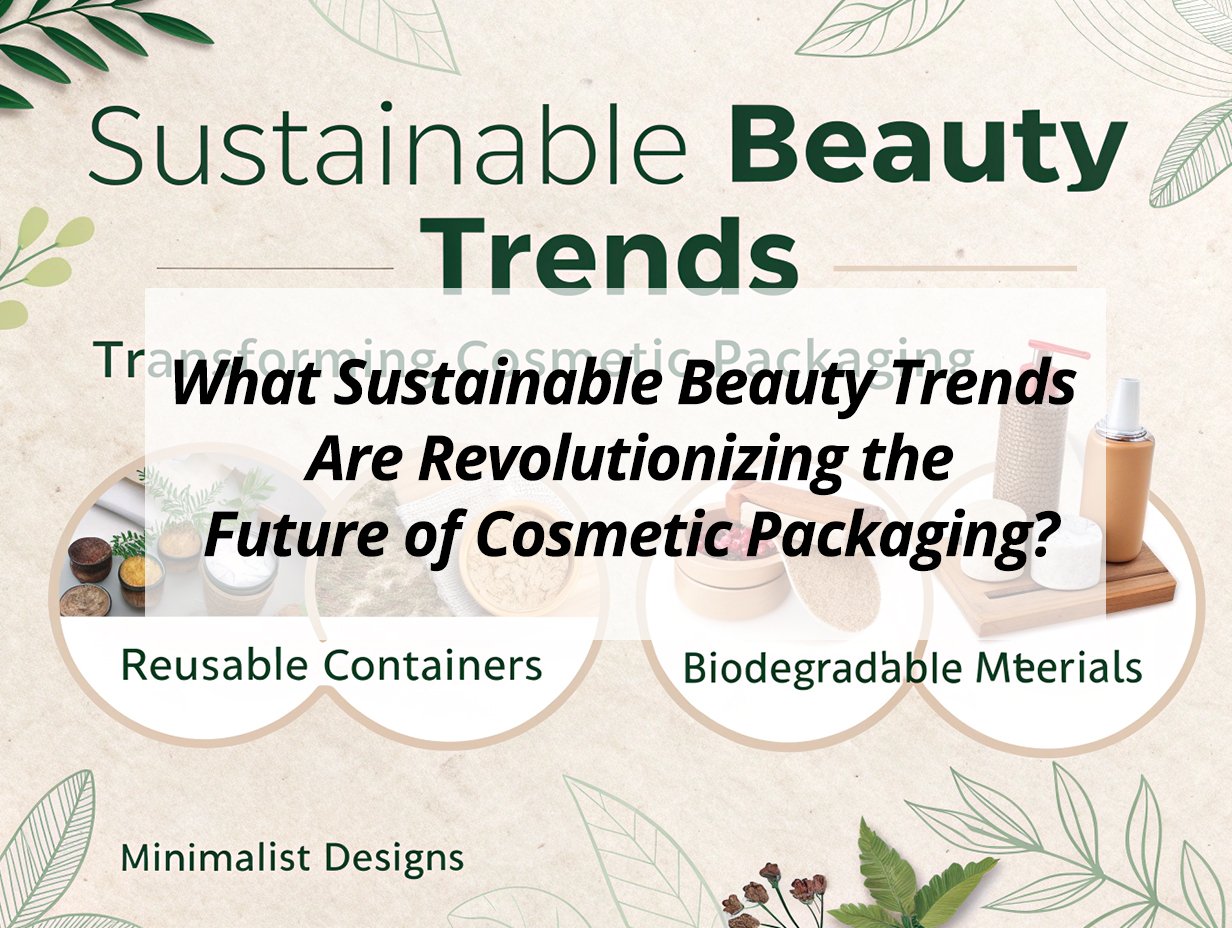
In a world where sustainability reigns supreme, cosmetic packaging is undergoing a transformation like never before. Eco-friendly solutions are reshaping the industry and consumer habits.
Mono-material packaging improves recyclability and reduces waste by utilizing a single material. This approach simplifies recycling processes, enabling brands to meet eco-friendly objectives and appeal to consumers seeking sustainable and efficient packaging options. Prioritizing environmental responsibility, it offers a streamlined solution for a more sustainable future.
Imagine exploring innovative changes that make a real impact—will you join the eco-friendly revolution?
What is the most sustainable cosmetic packaging?
Eco-conscious consumers and brands are eager to make responsible choices. Are you curious about the most sustainable packaging options available?
Mono-material packaging emerges as the most sustainable choice. By using a single material, it streamlines waste management and enhances recyclability. This solution helps brands meet environmental goals and appeals to consumers seeking responsible alternatives.
Mono-material Packaging
Mono-material packaging1 is a game-changer in the cosmetic industry. It simplifies recycling by using only one type of material. This innovation reduces the complexity typically associated with sorting and processing different materials. At JCCosmopack, we're exploring ways to incorporate this into our products, such as lipstick tubes and cream jars. By adopting mono-material packaging, brands can significantly decrease environmental impact.
Benefits:
| Feature | Description |
|---|---|
| Enhanced Recyclability2 | Simplifies recycling process with single material |
| Waste Reduction3 | Minimizes waste during production and disposal |
| Consumer Appeal4 | Attracts eco-conscious buyers |
| Branding Opportunities | Allows customization with sustainable materials |
What are the new trends in the cosmetics industry?
Curious about the latest buzz in the cosmetics world? The industry is embracing innovation and eco-friendliness like never before.
The latest trends in cosmetics focus on sustainability and personalization. Brands integrate eco-friendly practices and digital enhancements, meeting consumer demands and boosting brand loyalty through innovative solutions.
Industry Trends
In the cosmetics industry, personalization and smart interaction are reshaping consumer experiences. Brands are utilizing digital platforms to offer personalized product recommendations and skincare advice. This digital integration not only enhances customer engagement but also builds loyalty. At JCCosmopack, we're considering digital elements in packaging, like QR codes for more information, expanding communication with our customers.
Key trends include:
Sustainability:
- Eco-Friendly Practices: Reducing waste with sustainable packaging.
- Smart Consumer Engagement: Using digital tools for better interaction.
Innovation:
- Personalization: Customized products tailored to individual needs.
- Digital Integration: Enhancing experiences through technology.
What are the latest innovations in sustainable packaging for cosmetics and how do they address environmental concerns?
Concerned about the planet? Let's explore how innovative packaging addresses our environment's needs.
Recent innovations in sustainable cosmetic packaging focus on reducing environmental impact. Solutions like biodegradable materials help brands address eco-issues, providing environmentally friendly options for consumers dedicated to preserving the planet.
Sustainable Innovations
Sustainable packaging innovations are leading the charge against environmental issues in the cosmetics industry. Materials like biodegradable plastics and refillable containers pave the way for greener alternatives. These approaches aim to reduce waste and encourage consumers to adopt eco-friendly practices. At JCCosmopack, we’re exploring biodegradable options, ensuring our products contribute positively to environmental preservation.
Innovations include:
- Biodegradable Materials: Break down naturally, reducing landfill waste.
- Refillable Containers: Encourage reusability and minimize waste.
- Eco-friendly Inks: Non-toxic, promoting safer product packaging.
Which of the following is an emerging trend in sustainable packaging?
Have you ever wondered which trends are shaping the future of packaging sustainability?
An emerging trend in sustainable packaging is the use of refillable containers. These promote eco-friendly practices, allowing consumers to reduce waste by reusing packaging and supporting sustainability efforts in the cosmetics industry.
Refillable Containers5
Refillable containers are making waves as a sustainable solution in beauty packaging. This trend emphasizes the importance of reusability, encouraging both brands and consumers to minimize waste. By using refillable systems, brands can offer cost-effective and environmentally responsible options. At JCCosmopack, we're committed to exploring refillable designs for products like lotion bottles and cream jars.
Advantages:
- Waste Reduction: Eliminates need for single-use containers.
- Cost-Effective: Saves consumers money in the long run.
- Brand Loyalty: Encourages repeat purchases through sustainable practices.
My insights: The Sustainable Beauty Trends Are Revolutionizing the Future of Cosmetic Packaging
Sustainable beauty is reshaping the cosmetic industry, introducing innovative packaging trends aligned with eco-conscious consumer values.
Sustainable beauty trends revolutionizing cosmetic packaging include recyclable and biodegradable materials, refillable systems, waterless formulas, and minimalistic smart designs, driving a shift towards eco-friendly and efficient solutions in 2025.
Key Sustainable Trends in Cosmetic Packaging
Eco-Friendly Materials
Packaging now utilizes recyclable and biodegradable options like glass, aluminum, and plant-based plastics. These materials support the circular economy, reducing waste and enhancing environmental sustainability.
Refillable and Waterless Solutions
Brands are adopting refillable packaging systems, such as glass jars with refill pods, reducing waste and promoting customer loyalty. Waterless products, like solid shampoos or powder cleansers, further minimize packaging needs and transport emissions.
| Trend | Description | Benefits |
|---|---|---|
| Eco-Friendly Materials | Glass, plant-based plastics | Recyclable, decomposable |
| Refillable Systems | Glass jars, pods, reusable tubes | Reduces plastic waste, encourages loyalty |
Minimalist and Smart Designs
Minimalist designs minimize material use while incorporating smart features like QR codes for digital product information. This approach enhances sustainability and provides modern consumer experiences.
Circular Economy and Personalization
Brands embrace circular packaging systems, focusing on reuse and recycling. Personalized options integrate technology, allowing consumers to express individuality through sustainable choices.
| Trend | Description | Benefits |
|---|---|---|
| Minimalist Design | Reduced materials, digital info | Low waste, modern experience |
| Circular Economy | Reuse, recycling systems | Extended material use |
These trends reflect a fundamental shift, making sustainability the norm in cosmetic packaging by 2025, meeting consumer demands for environmentally responsible and innovative solutions.
Conclusion
Transform the future of cosmetic packaging with sustainable trends. Eco-friendly practices and innovations lead the way for a greener industry.
-
Explore how mono-material packaging enhances recyclability and reduces waste, making it a top choice for eco-conscious brands. ↩
-
Learn about the importance of enhanced recyclability in reducing environmental impact and improving waste management. ↩
-
Discover innovative waste reduction strategies that brands are implementing to promote sustainability in cosmetics. ↩
-
Understand how consumer preferences drive brands to adopt sustainable packaging solutions that resonate with eco-conscious buyers. ↩
-
Discover the advantages of refillable containers in promoting sustainability and reducing single-use plastic waste. ↩