Cosmetic product presentation is very important. Packaging choices greatly influence how consumers perceive a brand. High-end brands often select specific materials to give their products an exclusive and valuable feel. This article will explain which materials achieve a luxurious impression in cosmetic packaging.
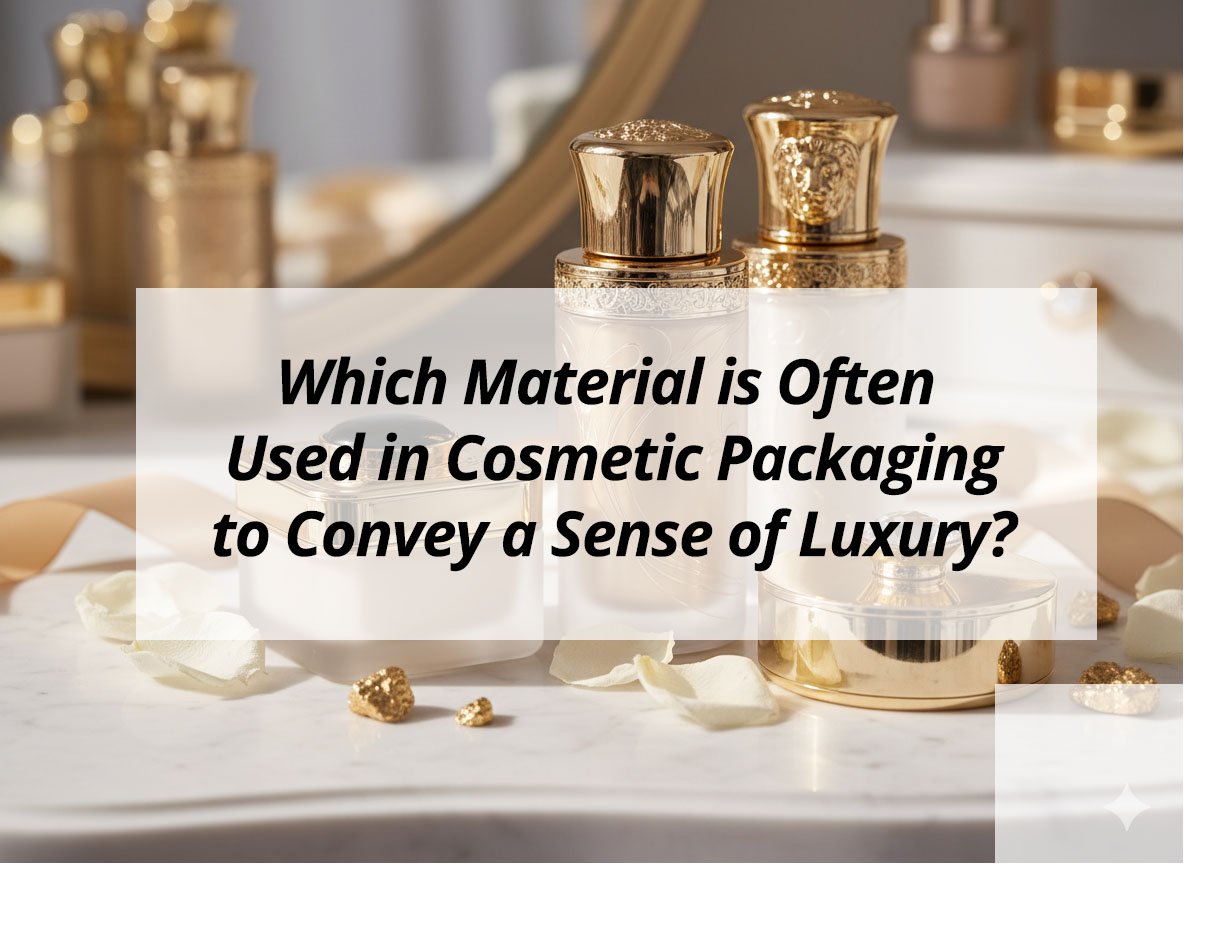
Materials such as glass, certain metals, and specialized plastics are frequently used in cosmetic packaging to convey luxury. These materials often provide a desirable weight, a refined surface finish, and the ability to form elegant designs. They also allow for high-quality decoration and sophisticated printing techniques. This combination effectively communicates premium quality and exclusivity to consumers.
Selecting the appropriate packaging is essential. It helps a product stand out in the market. It also reflects the quality of the product inside. We will now examine the materials that contribute to a luxurious feel in cosmetic packaging.
What are the packaging materials for cosmetics?
Understanding the range of cosmetic packaging materials can be complex. There are many options available. Each material has its own advantages and disadvantages. It is important to know the properties of each material. Choosing only based on cost can be a disadvantage for luxury cosmetic items.
Cosmetic packaging incorporates a variety of materials, including glass, plastic, metal, and paper. Glass is often selected for its elegant appearance and tactile feel. Plastic is widely used due to its adaptability and economic efficiency. Metal offers durability and a high-end look. Paper is primarily used for external cartons and can be a sustainable choice. Each material helps meet different product requirements and brand objectives.
Let us look deeper into these materials. A good understanding helps in making informed decisions. Buyers typically consider both quality and price, so a balanced choice is often sought.
Glass: A Classic for Luxury Presentation
Glass is a primary choice for many luxury cosmetic brands. It has a notable weight and a clear appearance. This often makes the products inside seem pure and of high quality.
-
Advantages of Glass:
- Premium Feel: Glass provides a solid and refined tactile experience, signaling luxury.
- Transparency: It allows the product to be visible, which can build consumer trust.
- Recyclability: Glass is generally easy to recycle, supporting environmental goals.
- Chemical Stability: It typically does not react with cosmetic formulations, preserving product integrity.
-
Disadvantages of Glass:
- Fragility: It can break easily, potentially increasing shipping challenges and costs.
- Weight: The heavier nature of glass can lead to higher transportation expenses.
- Higher Cost: Glass packaging can be more expensive than plastic alternatives.
Plastic: Flexible and Widely Used
Plastic is very common in the cosmetic industry. It comes in many forms. It is used for almost all types of cosmetic products.
- Common Types of Plastic in Cosmetics:
| Plastic Type | Typical Applications | Key Characteristics |
|---|---|---|
| PET | Bottles for lotions, toners | Clear, durable, lightweight |
| PP | Jars, caps, compacts | Resilient, good chemical resistance |
| PE | Tubes, squeeze bottles | Flexible, effective moisture barrier |
| Acrylic | High-end jars, bottles (glass-like) | Transparent, glossy, shatter-resistant |
| SAN | Jar lids, thick-walled bottles | Rigid, chemical resistant |
| ABS | Lipstick tubes, compacts | Strong, suitable for plating finishes |
-
Advantages of Plastic:
- Lightweight: Reduces shipping costs significantly.
- Durability: Resists breaking more effectively than glass.
- Versatility: Can be molded into countless shapes and sizes.
- Cost-Effective: Generally more affordable than glass or metal.
-
Disadvantages of Plastic:
- Environmental Impact: Some plastic types are challenging to recycle.
- Perceived Value: Can sometimes feel less luxurious if design and finish are not optimized.
Metal: Sleek and Contemporary
Metal packaging often creates a modern and sophisticated aesthetic. Aluminum and tin are commonly used. These materials appear in compacts, lipstick cases, and aerosol containers.
-
Advantages of Metal:
- Premium Appearance: Offers a sleek, high-quality look.
- Strong Protection: Provides excellent barrier properties against light and air.
- Durability: Resistant to breakage and denting.
- Recyclability: Aluminum, in particular, is highly recyclable.
-
Disadvantages of Metal:
- Higher Cost: Can be more expensive than plastic options.
- Weight: Can be heavier compared to plastic.
- Opaque: Does not allow visibility of the product inside.
Paper/Cardboard: For Secondary Protection
Paper and cardboard are mainly used for outer packaging. They protect the primary container. They also offer a significant area for brand messaging and graphics.
-
Advantages of Paper:
- Sustainability: Often made from recycled content or renewable resources.
- Printable Surface: Excellent for detailed graphics and branding.
- Lightweight: Adds minimal weight to the overall product.
- Cost-Effective: An economical choice for secondary packaging.
-
Disadvantages of Paper:
- Not Primary: Cannot directly hold liquid or cream products.
- Less Durable: Can be susceptible to tears or moisture damage.
What are the 4 types of packaging materials?
A common inquiry revolves around the fundamental types of packaging materials. This knowledge helps in understanding cost implications and available choices. A clear breakdown of these types aids in effective decision-making for product packaging.
The four primary types of packaging materials are plastic, glass, metal, and paper/cardboard. Plastic is valued for being lightweight and adaptable, frequently used for bottles, jars, and tubes. Glass conveys a luxurious impression and offers chemical inertness for high-end products. Metal provides strength and a polished appearance for items like compacts. Paper and cardboard are predominantly used for secondary packaging and brand presentation.
Let us examine these four categories in more detail. Each one plays a distinct and important role in cosmetic product presentation.
Focusing on the Main Four Materials
These four material types address most packaging requirements. Each possesses unique benefits and applications.
1. Plastic
Plastic is ubiquitous. Its light weight, strength, and moldability make it a preferred material for many cosmetic brands. From a simple tube to an intricate bottle, plastic offers diverse possibilities.
- Reasons for Plastic's Prevalance:
- Cost Efficiency: Manufacturing plastic packaging is often more economical.
- Flexibility: Can be produced in rigid or pliable forms.
- Product Protection: Provides good barrier properties for various formulations.
2. Glass
Glass signifies elegance. It imparts a substantial, expensive feel to products. Many skincare lines utilize glass jars and bottles. This material communicates a sense of exclusivity to consumers.
- Benefits Associated with Glass:
- Aesthetic Appeal: Delivers a very high-end visual.
- Chemical Inertness: Does not react with product ingredients.
- Consumer Perception: Perceived by consumers as a premium material.
3. Metal
Metal packaging contributes strength and a modern touch. Aluminum and steel are frequently employed. They are excellent for products requiring robust protection. Items such as solid deodorants or high-quality lipstick cases often feature metal components.
- Key Attributes of Metal:
- Durability: Highly resistant to damage.
- Protective Barrier: Effectively blocks light and air.
- Refined Finish: Can be polished or given a matte surface for different styles.
4. Paper/Cardboard
Paper and cardboard serve as outer packaging. They are critical for brand identity. Consider the box enclosing a perfume bottle. This is where paper excels. It also provides options for sustainable packaging solutions.
- Applications of Paper/Cardboard:
- Branding Canvas: Offers ample space for logos and product information.
- Added Protection: Provides an extra layer of safety during transport.
- Sustainability Potential: Many options are made from recycled or recyclable content.
Which material is generally used for packaging of products?
This is a fundamental question in packaging. The answer affects production costs and the overall consumer experience. Certain trends are evident in material usage. Understanding these trends helps in guiding product development and material selection.
Generally, plastic is the most widely adopted material for product packaging across numerous industries, including cosmetics. Its widespread use stems from its cost-effectiveness, lightweight properties, and exceptional versatility. Plastic can be readily formed into countless shapes and sizes, making it suitable for a broad spectrum of products, from basic tubes to complex pump mechanisms. While glass and metal often convey luxury, plastic offers the most extensive practical applications.
Let us examine the reasons for plastic's prominence. We also need to recognize the specific roles other materials fulfill.
The Predominance of Plastic
Plastic holds the leading position for several reasons. Its practical advantages are significant. For brand owners, plastic often presents a sensible choice, particularly for managing production costs.
Factors Contributing to Plastic's Extensive Use
- Cost-Effectiveness: The manufacturing of plastic packaging is typically more economical. This is a critical factor for products aimed at a broad consumer market.
- Lightweight Nature: Lighter packaging reduces shipping expenses. This is particularly relevant for global distribution.
- Durability: Plastic is less prone to breakage, which safeguards products during shipping and in retail environments.
- Versatility in Form: Plastic can be molded into virtually any design.
- Bottles: Used for lotions, shampoos, and toners.
- Jars: Suitable for creams, balms, and masks.
- Tubes: For cleansers, hand creams, and lip gloss.
- Pumps/Sprayers: Integrated into foundation bottles, perfumes, and mists.
- Compact Cases: For powders and eyeshadows.
Specific Examples of Plastic in Cosmetics
| Product Category | Common Plastic Material(s) | Key Features and Advantages |
|---|---|---|
| Lipstick Tubes | ABS, PP, SAN | Durable, suitable for decoration, smooth mechanical action |
| Lip Gloss Tubes | PETG, PP | Transparent for product visibility, accommodates applicators |
| Eyelash Tubes | PET, PP, ABS | Can be clear or opaque, designed to hold wands |
| Eyeshadow Cases | ABS, SAN, PP | Sturdy construction, often includes mirrors |
| Air Cushion Cases | ABS, PP | Airtight seal, prevents product drying, hygienic |
| Vacuum Bottles | PP, Acrylic | Protects sensitive formulas, dispenses without air exposure |
| Lotion Bottles | PET, PP | Adaptable, compatible with pump mechanisms, various sizes |
| Cream Jars | PP, Acrylic, PET | Wide opening for easy access, can be double-walled |
Roles of Other Materials
Despite plastic's widespread use, other materials maintain important roles. They are vital for specific products or brand images.
Glass for Premium Skincare
For high-end skincare items, glass remains a preferred material. It gives serums and creams a distinctly luxurious feel. The weight and clarity of glass are unparalleled for this purpose.
Metal for Specialized Items
Metal is ideal for particular cosmetic components. Examples include high-quality eyeliner pencil casings or elegant compacts for luxury powders. Metal conveys a sense of precision and lasting value.
Paper for Branding and Protection
Secondary packaging, often made from paper or cardboard, is crucial. It frequently forms the consumer's initial visual contact with the product. It provides an opportunity to convey brand identity and also offers an additional layer of product protection.
What are the 7 types of packaging materials?
Some discussions require a more detailed classification. A comprehensive understanding of all available options is beneficial, especially for brands seeking unique packaging solutions.
Beyond the primary four (plastic, glass, metal, paper), additional specialized packaging materials include silicone, wood, and composite materials. Silicone provides flexibility and reusability, commonly found in applicators or travel containers. Wood offers an organic, sustainable, or artisanal luxury aesthetic. Composite materials combine multiple elements, such as plastic and aluminum, to achieve specific barrier properties or visual effects, providing advanced solutions for product integrity and design complexity.
Let's break down these seven material types. This offers a comprehensive view of the materials used in cosmetic packaging.
An Expanded View of Packaging Materials
Understanding this broader range of materials helps in fostering innovation. It also supports the fulfillment of very specific product requirements.
1. Plastic
As previously discussed, plastic is highly adaptable and the most commonly used material.
- Key Aspects of Plastic:
- Recyclability: PET, HDPE, and PP are often designed for recycling.
- Post-Consumer Recycled (PCR) Plastic: Many brands are now integrating PCR plastics to improve sustainability.
- Bio-Plastics: Plant-based plastics are emerging as more sustainable alternatives.
2. Glass
Glass is chosen for its luxurious feel and chemical inertness.
- Developments in Glass Packaging:
- Lightweight Glass: Innovations are leading to lighter glass options, reducing shipping costs.
- Finishes: Frosted or colored glass finishes enhance the high-end appearance.
- Recycled Content: Incorporating recycled glass content supports environmental initiatives.
3. Metal
Metal provides durability and a premium, modern aesthetic.
- Common Metals and Their Applications:
- Aluminum: Lightweight and suitable for tubes and cans.
- Tinplate: Used for compacts and various tins.
- Zamack: A zinc alloy, known for its heavy, luxurious feel, often used for caps and perfume components.
4. Paper/Cardboard
Essential for secondary packaging and brand communication.
- Focus on Sustainability:
- FSC Certified Paper: Ensures paper originates from responsibly managed forests.
- Recycled Content: High levels of post-consumer recycled content are preferred for eco-friendly options.
- Minimalist Design: Strategies to reduce material usage are increasingly adopted.
5. Silicone
Silicone is characterized by its flexibility and soft texture. It is often employed for applicators or specialized containers.
- Distinct Properties of Silicone:
- Soft Touch: Provides a pleasant tactile experience for the consumer.
- Heat Resistance: Capable of withstanding elevated temperatures.
- Reusability: Frequently used for washable applicators or travel-friendly cases.
- Medical Grade Options: Some silicones are formulated for sensitive applications.
6. Wood
Wood imparts a natural, organic, or artisan luxury feel. It is less common but offers a distinct and unique presentation.
- Wood in Cosmetic Packaging Context:
- Caps: Used for perfume bottles or cream jar lids.
- Outer Cases: For limited edition compacts or elaborate palettes.
- Sustainable Sourcing: Sourcing wood from certified, well-managed forests is crucial.
7. Composite Materials
These materials combine two or more different substances. They deliver properties that individual materials cannot achieve alone.
- Examples of Composite Applications:
- Multi-layered Tubes: Plastic tubes integrated with an aluminum barrier layer. This protects sensitive cosmetic formulas.
- Paper-Plastic Hybrids: Paperboard lined with a thin plastic film. This enables paper-based packaging to contain liquid products.
- Metallized Plastic: Plastic components with a metallic finish. This offers a premium look without the added weight of solid metal.
My Insights: Glass – The Go-To Material for Luxurious Cosmetic Packaging
Want to elevate your cosmetic brand with a touch of luxury? Glass packaging might be your solution.
Glass is frequently used in cosmetic packaging for its luxurious feel and premium appearance. Its weightiness and ability to integrate with metallic or frosted accents make it ideal for high-end products like serums and perfumes.
Unveiling the Luxe Appeal of Glass in Cosmetic Packaging
Why Glass Stands Out
| Attribute | Benefits |
|---|---|
| Weight | Conveys quality and substance |
| Appearance | Offers clarity and elegance, can be frosted |
| Versatility | Compatible with metallic and gold accents |
Applications in the Beauty Industry
-
Premium Perception: Glass packaging immediately elevates a product, suggesting sophistication and high value, which is crucial for attracting discerning customers.
-
Design Flexibility: It allows for diverse design enhancements such as frosted textures and metallic detailing, which can further enhance the luxury perception.
Strategic Considerations
By choosing glass, brands tap into a time-tested strategy for conveying luxury. However, weight, cost, and fragility are factors to consider. Balancing these aspects with the target market’s preferences can optimize brand positioning and product appeal, making glass a wise choice for upscale cosmetic lines.
Conclusion
The selection of appropriate materials for cosmetic packaging is a critical decision. It conveys the brand's identity and values to the consumer. Finding the ideal material involves balancing aesthetic appeal, functional requirements, and cost considerations.