
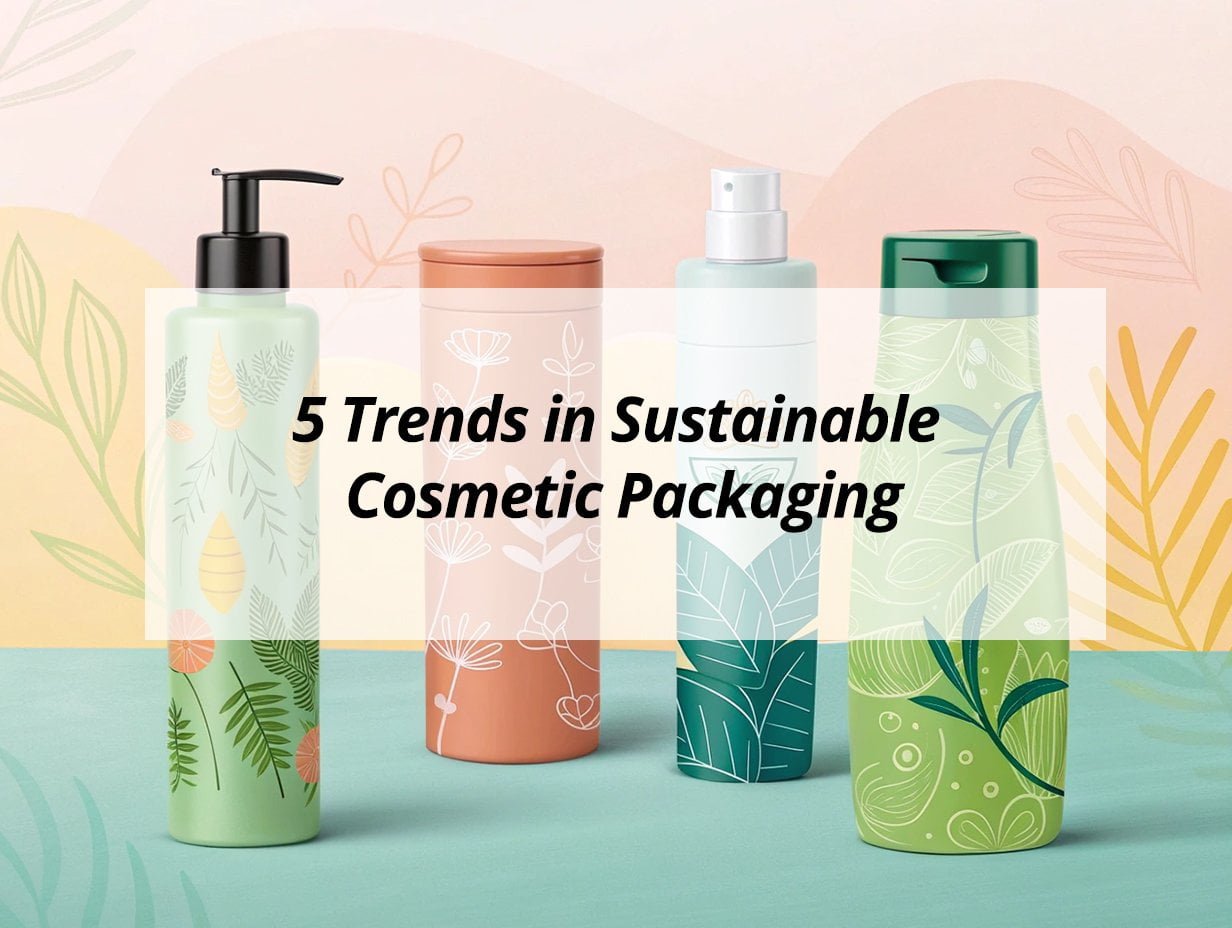
In the evolving world of cosmetics, sustainable packaging is taking center stage. Brands are innovating to meet eco-friendly demands and significantly reduce environmental impact. Every package is a testament to a brand's commitment to sustainability, shaping the future of the industry.
Sustainable cosmetic packaging trends include recyclable materials, refillable systems, biodegradable options, minimalist designs, and plant-based innovations. These shifts are reshaping the industry through strategic design choices, material selection, and improved user experiences.
These developments are not merely trends; they represent an essential shift towards comprehensive sustainability. As consumer preferences shift toward greener choices, brands are responding by embedding these principles into their core operations.
What are the 5 R's for the creation of sustainable packaging?
Environmental responsibility is paramount in cosmetic packaging. The 5 R's framework serves as a guide for brands eager to embrace sustainability throughout their product lifecycle, ensuring that every step is both environmentally and economically viable.
The 5 R’s—Refuse, Reduce, Reuse, Recycle, Rot—guide sustainable packaging1 creation. Brands achieve sustainability by minimizing waste and promoting circularity in every aspect of production.
Breaking Down the 5 R's
| Principle | Description |
|---|---|
| Refuse | Eliminate unnecessary packaging components to cut down waste. |
| Reduce | Streamline material usage, focusing on efficiency. |
| Reuse | Design innovative ways for packaging to serve multiple purposes. |
| Recycle | Encompass easy recyclability in design for post-consumer processing. |
| Rot | Utilize compostable materials that naturally decompose, returning safely to the environment. |
Implementing these principles involves thoughtful consideration in design, material selection, and production processes, allowing brands to meet environmental goals without sacrificing quality or aesthetics.
What are the 7 R's of sustainable packaging?
Expanding from the 5 R's, the 7 R's offer a comprehensive, detailed approach, guiding brands to enhance their sustainability practices. This holistic framework encourages innovation and even stronger adherence to ecological responsibility.
The 7 R's—Rethink, Refuse, Reduce, Reuse, Recycle, Repair, and Rot—yield deep sustainability solutions in packaging, enhancing both consumer and environmental outcomes.
Rethinking Packaging Strategies
- Rethink: Encourage innovative approaches to meet sustainable objectives and re-imagine traditional packaging methods.
- Repair: Ensure designs allow for repairability, extending product life and reducing the frequency of production.
These additional factors drive longer-lasting products and reduced resource consumption, pushing for innovative packaging solutions focusing on end-of-life impacts. Companies are creating packaging that supports both human and ecological health while communicating a clear message of sustainability.
What are the new trends in packaging?
Cosmetic brands are rapidly embracing new packaging trends as consumer expectations rise and regulatory requirements tighten. These trends reflect strategic efforts to align with sustainability targets while maintaining aesthetic appeal.
Trends include refillable systems, post-consumer recycled (PCR) materials, monomaterial designs, and minimalist aesthetics. They press brands towards eco-friendly options while deeply engaging consumers.
Embracing New Innovations
- Refillable Systems: Encourage consumer return and reuse, building loyalty and reducing single-use containers.
- PCR Materials: Replace virgin materials, appealing to eco-conscious consumers and reducing environmental impacts.
- Monomaterial Designs: Simplify recycling processes, lowering the facility processing burden and enhancing sustainability.
These practices embody a shift from simply appealing packaging to a functionality-first mindset, underscoring why they must embrace sustainability in operations and consumer relations meticulously.
What are the latest innovations in sustainable packaging for cosmetics and how do they address environmental concerns?
Technological advancements drive cosmetic packaging towards viable, effective solutions for addressing pressing environmental concerns. These innovations offer eco-friendly solutions that are equally appealing to consumers.
Innovations such as bioplastics, smart packaging2, and digital integrations are at the forefront of tackling environmental issues, transforming packaging into a message of genuine sustainability.
Advancing Sustainability through Technology
- Bioplastics: Minimize the dependency on traditional l plastics by using renewable resources, offering competitive aesthetics and functionality.
- Smart Packaging: Incorporate features like QR codes for enhanced consumer engagement, providing detailed recycling guidelines and product information.
By embedding these technologies, brands align themselves more closely with consumer values, satisfying an ever-growing demand for products reflecting ethical and ecological responsibility.
What are the 5 Rs of sustainability?
The fundamental principles of sustainability are concisely captured in the 5 Rs. They provide a clear framework for brands to build their packaging strategies around global environmental objectives.
Adaptation of Refuse, Reduce, Reuse, Recycle, and Rot principles tackles both environmental and consumer challenges in cosmetic packaging effectively and innovatively.
Implementing the 5 Rs in Practice
- Material Choice: Select materials that are not only eco-friendly but also resonate with consumer expectations of sustainability.
- Design: Leverage minimalist aesthetics to enhance consumer appeal while minimizing environmental impact.
These principles not only reinforce important commitments from brands to promote sustainability but also illustrate how integrated these values must be to ensure a durable impact.
My Insights: The Trends in Sustainable Cosmetic Packaging
Looking to make your beauty brand more eco-friendly? Discover innovative trends shaping sustainable cosmetic packaging today.
Sustainable cosmetic packaging is evolving with trends such as biodegradable materials, refillable systems, minimalist design, recycled content, and waterless packaging. These initiatives help reduce waste, conserve resources, and meet growing consumer demand for eco-conscious products.
Sustainable Packaging Trends
Key Trends
-
Biodegradable Materials: Increasing use of compostable options like bioplastics and recycled paper to minimize environmental impact.
-
Refillable Systems: Encouraging reuse by offering refillable containers and supports the circular economy.
-
Minimalist Design: Simplifying packaging to reduce material usage, often using digital innovations like QR codes to replace paper inserts.
-
Recycled Content: Emphasizing the use of PCR plastics and recycled materials to meet transparency and sustainability goals.
-
Waterless Packaging: Developing concentrated products that require less packaging, reducing weight and volume.
| Trend | Description | Benefit |
|---|---|---|
| Biodegradable | Compostable materials for lower environmental impact | Reduces landfill waste |
| Refillable Systems | Reusable containers with refill options | Cuts down single-use plastics |
| Minimalist Design | Fewer materials and digital replacements | Decreases packaging footprint |
| Recycled Content | Use of post-consumer recycled materials | Supports sustainability and consumer transparency |
| Waterless Packaging | Concentrates requiring less packaging material | Reduces weight and environmental impact |
These trends reflect the industry's shift towards eco-friendly practices, aligning with consumer demand for sustainable cosmetics.
Conclusion
Sustainable packaging is more than a necessity; it's an evolution in the cosmetic industry, offering avenues for brands to contribute actively to environmental preservation while maintaining a competitive edge and fostering consumer trust. By adopting and adapting to these trends, companies are not only enhancing their market presence but are significantly contributing to a more sustainable future.