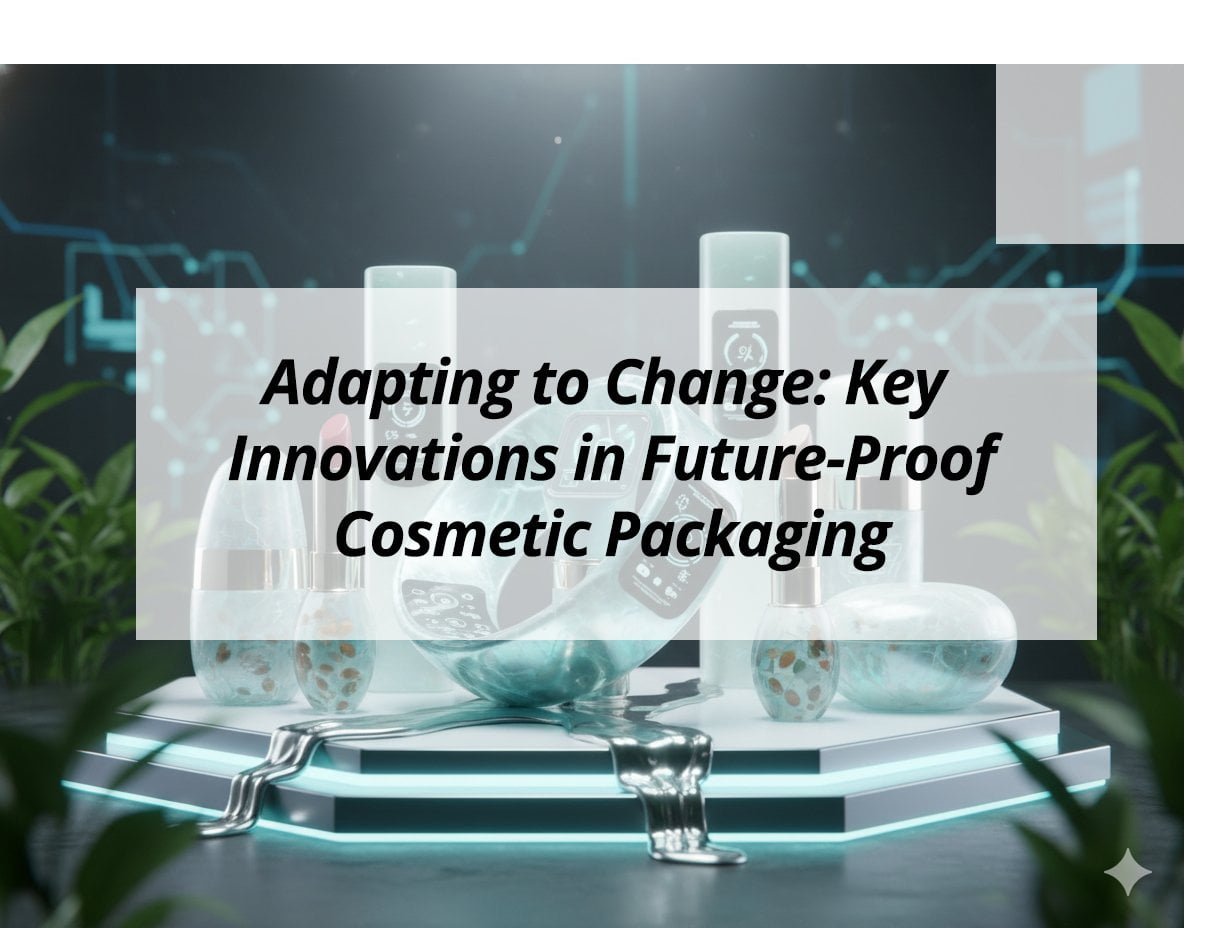
In a rapidly changing world, cosmetic packaging must evolve to meet new consumer demands and environmental standards.
Cosmetic packaging is transforming to be more sustainable and innovative. Brands are focusing on reducing waste, improving functionality, and enhancing consumer experience to stay competitive. This article explores how packaging adaptations are essential in today's market.
The cosmetic industry is witnessing a shift towards more eco-friendly and functional packaging. As consumers become more environmentally conscious, brands must innovate to meet these expectations. Are cosmetic packaging innovations pivotal in today's evolving market?
What are the 5 P's of packaging?
Understanding the critical aspects of packaging can be overwhelming. The 5 P's simplify it, providing a framework for brands.
The 5 P's of packaging include Product, Protection, Preservation, Presentation, and Promotion. These elements guide brands in creating effective and appealing packaging that meets both functional and marketing needs.
Understanding the 5 P's
The 5 P’s are crucial in the packaging world, serving as a guideline for creating successful packaging strategies.
1. Product
- Focus on the product itself. Know the specifications to create fitting packaging.
2. Protection
- Ensures the product is safe during transit and storage.
3. Preservation
- Important for maintaining product quality over time. Particularly essential for cosmetics.
4. Presentation
- Involves the aesthetic element. How the packaging appeals visually to consumers.
5. Promotion
- Packaging as a marketing tool. Enhances brand message and attracts buyers.
This framework helps brands meet customer needs while considering environmental impacts in regions like Southeast Asia and South America.
What are the latest innovations in sustainable packaging for cosmetics and how do they address environmental concerns?
Traditional packaging methods are under scrutiny. Sustainable innovations provide a pathway forward for environmentally friendly solutions.
Innovations in sustainable cosmetic packaging include biodegradable materials, reusable containers, and reduced plastic usage. These methods curb environmental impact while meeting consumer demand for eco-friendly products.
Innovations in Sustainable Packaging
Sustainable packaging is at the forefront of cosmetic industry innovation.
-
Biodegradable Materials: Many companies are switching to plant-based materials that decompose naturally.
-
Reusable Containers: Encouraging consumers to refill and reuse containers reduces waste.
-
Reduced Plastic Usage: Alternatives such as glass or metal are increasingly preferred.
Table of Innovations:
| Innovation | Benefits |
|---|---|
| Biodegradable Materials | Less landfill waste |
| Reusable Containers | Promotes sustainable consumer habits |
| Reduced Plastics | Lowers plastic pollution |
These innovations help address environmental concerns while still maintaining quality and design, key for buyers sensitive to both aesthetics and sustainability.
What are the 4 C's of packaging?
You may wonder how the 4 C's align with the needs in packaging. They provide a comprehensive view focusing on consumer experience.
The 4 C's of packaging are Consumer, Cost, Convenience, and Communication. These elements help brands tailor packaging to consumer needs while managing costs and ensuring clear communication.
Exploring the 4 C's
The 4 C's put the consumer at the heart of packaging design.
1. Consumer
- Packaging should cater to consumer preferences.
2. Cost
- Manage material and production costs while maximizing value.
3. Convenience
- Easy-to-use packaging enhances customer satisfaction.
4. Communication
- Packaging conveys brand and product information clearly.
These aspects are vital for creating effective packaging in competitive markets like the Middle East and South America.
What are the 7 basic steps to packaging design?
Creating a design might seem intricate. Breaking it down into steps makes it manageable and ensures all elements are considered.
The 7 basic steps to packaging design include understanding the product, research, concept development, prototype creation, testing, refinement, and finalization. These steps ensure a comprehensive approach to effective packaging.
Steps to Packaging Design
Designing packaging involves a thorough process.
Step-by-Step:
- Understand the Product: Determine the specific requirements.
- Research: Know the market trends and customer preferences.
- Concept Development: Create initial ideas and sketches.
- Prototype Creation: Build a model to visualize the design.
- Testing: Evaluate functionality and appeal.
- Refinement: Make improvements based on feedback.
- Finalization: Complete the design.
This systematic approach suits companies ensuring practical and visually appealing packaging solutions.
My insights: Innovations Shaping the Future of Cosmetic Packaging
Concerned about staying current in cosmetic packaging? Innovative solutions are revolutionizing sustainability and consumer engagement.
Future-proof cosmetic packaging prioritizes biodegradable materials1, refillable systems, and digital connectivity. Innovations include plant-based plastics, smart packaging2, and minimalistic designs, enhancing sustainability and consumer interaction while reducing waste.
Emerging Trends in Cosmetic Packaging
Technological Advancements:
Smart packaging using QR codes, NFC, and AR enhances transparency and consumer engagement by providing product information and authenticity verification.
Sustainable and Minimalistic Designs:
Biodegradable plastics and refillable systems are becoming standard. Minimalistic designs emphasize recyclability, aligning with modern consumer values and environmental responsibility.
Functional Innovations:
Airless dispensing and ergonomic designs improve usability and product longevity. On-the-go features cater to busy lifestyles, while personalization drives demand for customizable packaging options.
| Innovation Type | Description | Benefits |
|---|---|---|
| Smart Packaging | Digital features for interaction and data | Enhances transparency and user engagement |
| Sustainable Materials | Biodegradable and plant-based plastics | Reduces environmental impact |
| Functional Design | Airless pumps and ergonomic features | Increases product longevity and usability |
Adapting to these innovations not only enhances sustainability but also offers exciting opportunities to engage consumers and differentiate brands in a competitive market.
Conclusion
Innovations in cosmetic packaging are crucial in adapting to consumer and environmental demands. This evolution ensures both sustainability and market competitiveness.