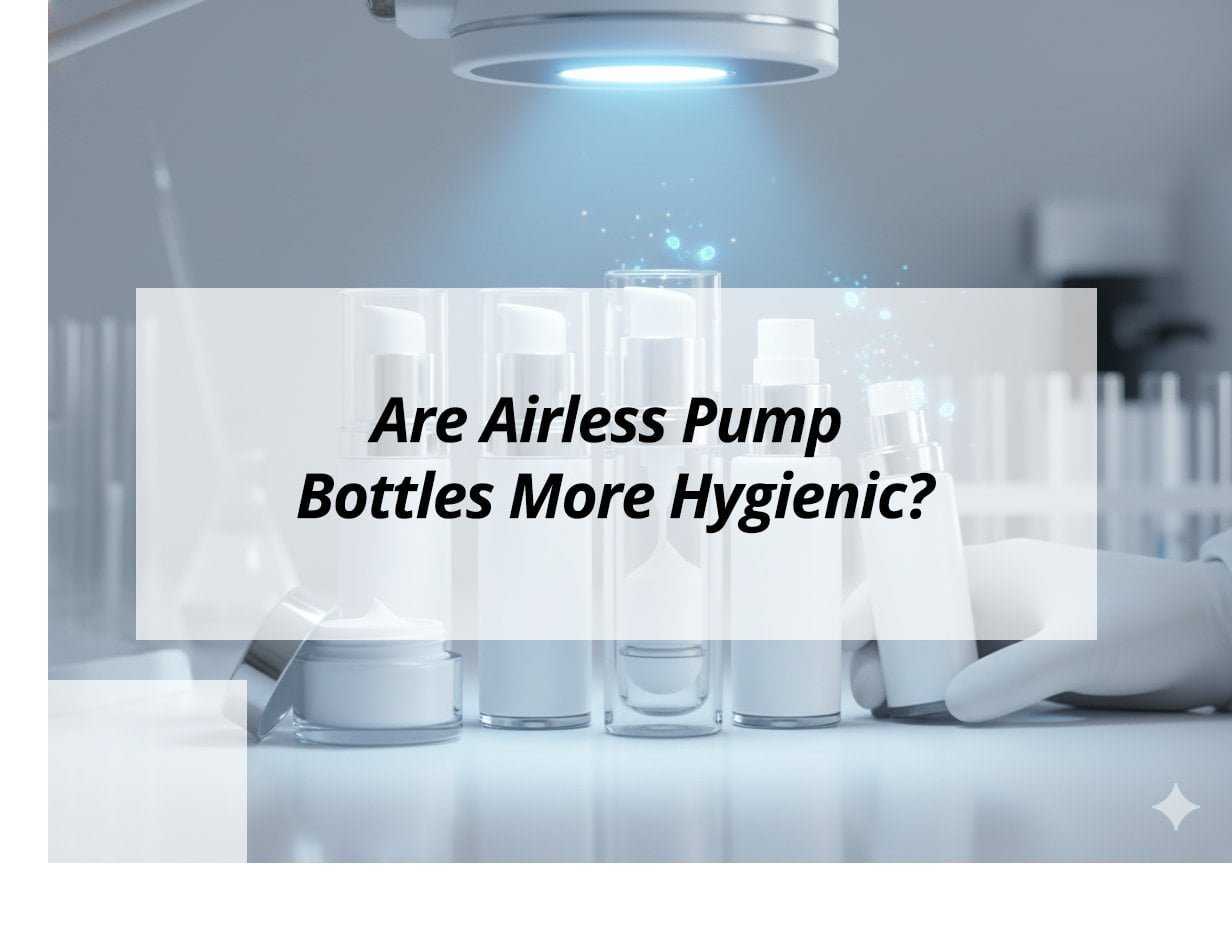
Are you concerned about keeping your cosmetic products fresh and free from germs? Many traditional containers expose products to air and contaminants. This can degrade ingredients and reduce product life.
Airless pump bottles are generally considered more hygienic than traditional pump or jar packaging. They work by using a vacuum system that prevents air from entering the bottle, which reduces oxidation and contamination. This design protects the product from bacteria, dirt, and light, keeping the cosmetic formula stable and effective for longer periods, leading to a safer and cleaner application.
When sourcing packaging, hygiene is always a top concern for my clients. They want to ensure their products remain potent and pure from the first use to the last. This is especially true for skincare and sensitive formulations. Airless technology directly addresses these critical needs.
What are the benefits of airless pump bottles?
Are you looking for packaging that does more than just hold your product? Airless pump bottles1 offer many advantages beyond basic containment. These benefits impact product integrity, user experience, and overall brand perception.
Airless pump bottles provide significant benefits, including enhanced product hygiene by preventing air exposure, which reduces oxidation and bacterial contamination2. They ensure almost complete product evacuation, minimizing waste. They also protect sensitive ingredients from light and air degradation, extending shelf life. Their precise dosing3 and consistent dispensing offer a superior user experience, which leads to greater customer satisfaction.
For many cosmetic brands, maintaining product efficacy is key. Airless pumps directly support this goal. They help deliver the product as formulated, ensuring consumers get the full benefit of their investment in high-quality cosmetics. This is a vital selling point in a competitive market.
Product Protection
The design of airless pumps offers superior protection for formulations.
- No Air Entry: The vacuum system stops air from getting into the bottle. This prevents oxidation, which can break down active ingredients.
- Contamination Prevention: It blocks bacteria, dirt, and other pollutants from reaching the product. This keeps the formula pure.
- Light Protection: Many airless bottles are opaque or have UV-blocking properties. This shields light-sensitive ingredients.
Product Evacuation and Waste Reduction
Airless systems are very efficient at dispensing product.
- Nearly 100% Evacuation: The piston mechanism pushes almost all product out of the container. This means less product is wasted inside the bottle.
- Cost Efficiency: Maximizing product usage helps consumers get more value. It also reduces waste for manufacturers.
Enhanced User Experience
The design also improves how consumers use the product.
- Consistent Dosing: Each pump delivers a uniform amount of product. This allows for controlled application.
- Smooth Dispensing: The vacuum action provides a consistent, effortless pump. There is no need to prime or shake the bottle.
- Versatility: Airless bottles can handle thick or thin formulas. This makes them suitable for a wide range of cosmetic products.
Are airless pump bottles good?
Are you wondering if investing in airless pump bottles is a smart choice for your cosmetic brand? It is important to weigh their overall performance and suitability. Many factors contribute to their reputation as high-quality packaging.
Yes, airless pump bottles are generally considered very good for cosmetic products, especially those with sensitive or expensive ingredients. Their design effectively preserves product integrity by preventing air exposure and contamination, which extends shelf life and maintains efficacy. They also offer a premium user experience through consistent dispensing and minimal product waste, making them a favored choice for high-end skincare and makeup.
In my experience, brands that prioritize product stability and a luxurious feel often choose airless pumps. They see the value in protecting their formulations and delivering a superior experience to their customers. This choice reflects a commitment to quality.
Protection of Product Integrity
Airless bottles excel at keeping formulas stable.
- Reduced Oxidation: By preventing air from touching the product, oxidation is significantly slowed. This helps active ingredients like Vitamin C or retinol stay effective.
- Bacterial Barrier: The sealed environment stops microbes from entering. This is vital for formulas without strong preservatives.
- Ingredient Stability: Sensitive ingredients stay stable longer. This maintains the product's intended performance.
User Convenience
Consumers appreciate the features of airless packaging.
- Easy Dispensing: The pump mechanism is smooth and reliable. It requires minimal effort.
- Full Product Use: Customers can access almost all of the product. This makes them feel they are getting their money's worth.
- Mess-Free Application: The sealed design prevents leaks and spills. This keeps the product area clean.
Aesthetic and Brand Perception
Airless packaging contributes to a product's overall image.
- Premium Look: The sleek design often conveys a high-end feel. This enhances brand perception.
- Modern Technology: Using airless pumps shows a commitment to advanced packaging solutions.
- Customer Trust: Consumers trust packaging that keeps their products safe and effective. This builds brand loyalty.
Considerations
While generally good, some points need thought.
| Aspect | Detail |
|---|---|
| Cost | Higher initial cost than basic packaging. |
| Recyclability | Can be more complex due to multiple components. |
| Product Viscosity | Best suited for certain viscosity ranges. |
| Pump Failure | Rare, but can happen if manufacturing flaws exist. |
Why did people stop using glass baby bottles?
The shift from glass baby bottles to plastic and other materials is an interesting example of packaging evolution. While not directly related to cosmetic airless pumps, it highlights changes driven by safety, convenience, and consumer concerns.
People largely stopped using glass baby bottles due to safety concerns, primarily the risk of breakage and the heavy weight. Glass bottles can shatter if dropped, posing a danger of injury from glass shards. They are also heavier and less convenient for parents and babies, especially for travel or self-feeding. The introduction of safer, lighter, and more durable plastic alternatives significantly influenced this transition.
This change in baby bottle materials shows how packaging choices evolve when new materials offer better solutions to old problems. Safety and practicality became key drivers, leading to widespread adoption of alternatives.
Safety Concerns
The main reason for the change was safety.
- Breakage Risk: Glass can shatter when dropped. This creates dangerous glass fragments. Babies or parents could get hurt.
- Chipping: Even without full breakage, glass can chip. Small pieces might end up in the milk.
Weight and Convenience
Glass bottles are heavier than plastic ones.
- Heavy for Babies: A full glass bottle is heavy for infants to hold. This makes self-feeding difficult.
- Travel Inconvenience: Heavier bottles are less practical for carrying around. They add weight to diaper bags.
- Bulky: Glass bottles are generally bulkier than plastic ones.
Durability
Glass is not as forgiving as plastic.
- Fragile: Glass is more prone to breaking than most plastics. This leads to replacement costs and inconvenience.
- Temperature Shock: Extreme temperature changes can stress glass, leading to cracks.
Alternative Materials
New materials offered better options.
- Plastic Bottles: Lighter, more durable, and shatter-resistant. They became a popular alternative.
- Silicone Bottles: Later, silicone options provided even more flexibility and safety.
- Material Evolution: Manufacturers developed safer plastics, addressing early concerns about chemicals like BPA.
What is the difference between airless pump and normal pump?
Are you confused about the different types of pump dispensers available for cosmetic products? Airless pumps and traditional pumps look similar on the outside. But they work in very different ways, and these differences impact product quality and user experience.
The fundamental difference between airless pump and normal pump mechanisms is how they dispense product and interact with air. A normal pump draws product up using a dip tube, introducing air into the container as product is removed. An airless pump, however, uses a vacuum effect to push a disc upwards from the bottle's base, dispensing product without drawing in any air. This prevents oxidation and contamination, offering superior product protection.
This distinction is crucial for sensitive cosmetic formulations. The consistent air exposure in normal pumps can degrade ingredients over time, while airless pumps preserve product integrity from first use to last. This impacts product stability and effectiveness.
Dispensing Mechanism
How each pump gets product out of the bottle is different.
- Normal Pump: This pump uses a dip tube. When you press the pump, it creates suction. This suction pulls product up through the dip tube. Air enters the bottle through a small vent to replace the dispensed product.
- Airless Pump: This pump does not have a dip tube. Instead, when you press the pump, it creates a vacuum. This vacuum pulls a piston or disc up from the bottom of the bottle. The disc pushes the product upwards. No air enters the bottle.
Air Exposure
The interaction with air is the biggest difference.
- Normal Pump: Air is repeatedly introduced into the container with each pump cycle. This exposes the product to oxygen and environmental contaminants.
- Airless Pump: The product is never exposed to external air. The sealed system maintains an oxygen-free environment inside the container.
Product Protection
This difference in air exposure leads to varied levels of product protection.
| Feature | Normal Pump | Airless Pump |
|---|---|---|
| Oxidation Risk | High (due to repeated air exposure) | Very Low (product is isolated from air) |
| Contamination Risk | Moderate (bacteria/dirt can enter with air) | Very Low (sealed system prevents entry) |
| Product Degradation | Higher likelihood for sensitive ingredients | Lower likelihood, maintains ingredient efficacy |
| Shelf Life | Can be shorter for air-sensitive products | Generally longer, especially for delicate formulas |
Product Evacuation
How much product can be used from each type of bottle.
- Normal Pump: A significant amount of product can remain at the bottom or sides of the bottle, especially if it is thick, as the dip tube may not reach all of it. This leads to waste.
- Airless Pump: The piston pushes almost all product out. This results in nearly 100% product evacuation, minimizing waste.
My Insights: The Hygiene Benefits of Airless Pump Bottles
Concerned about product contamination and wastage? Discover how airless pump bottles enhance hygiene and preserve skincare formulations.
Airless pump bottles are more hygienic than traditional containers. They use a vacuum-sealed system that prevents air and contaminants from entering, minimizing waste and maintaining the product's freshness and efficacy.
Why Airless Pump Bottles Enhance Hygiene
Key Hygiene Advantages:
-
Air Exposure Prevention: By dispensing without allowing air backflow, airless bottles minimize oxidation and contamination risks, keeping compositions intact and reducing the need for preservatives.
-
Contamination Barrier: The sealed design prevents direct contact with fingers and blocks external pollutants and dust, reducing microbial growth for safer use.
Comparison to Alternatives:
While traditional pumps allow air in, increasing contamination and requiring more preservatives, airless bottles extend shelf life and ensure nearly complete product usage without waste.
| Feature | Airless Pump | Traditional Pump/Jar |
|---|---|---|
| Air Exposure | None | High |
| Contamination Risk | Low | Higher |
| Preservatives Needed | Fewer | More |
With benefits like increased hygiene and product protection, airless pump bottles offer a superior option for formulas requiring minimal air contact, making them ideal for sensitive skin products and preserving active ingredient efficacy.
Conclusion
Airless pump bottles offer superior hygiene and product protection by preventing air exposure and contamination. Their vacuum-based design ensures product integrity, extends shelf life, and reduces waste, making them an excellent choice for sensitive cosmetic formulations.
-
Explore the benefits of airless pump bottles, including hygiene and product integrity, to enhance your cosmetic packaging. ↩
-
Find out how airless pumps create a barrier against bacteria, ensuring safer cosmetic products. ↩
-
Learn about the advantages of precise dosing for user experience and product effectiveness. ↩