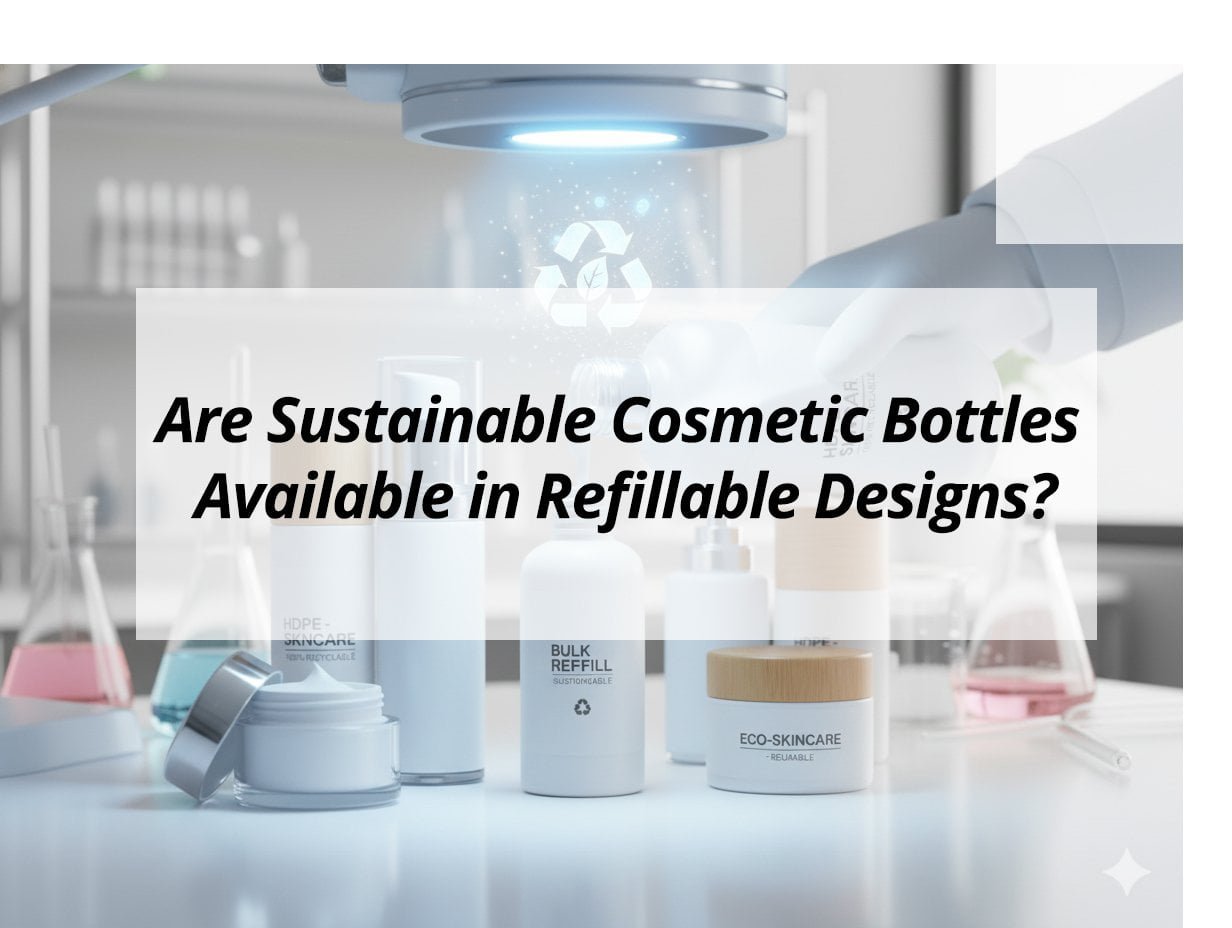
Are you looking for cosmetic packaging that is both eco-friendly and practical? Many brands want to reduce waste and offer consumers better options. Refillable designs are a key part of this move towards sustainability.
Yes, sustainable cosmetic bottles are widely available in refillable designs, representing a leading trend in eco-friendly cosmetic packaging. These designs allow consumers to purchase a durable primary bottle and then buy product refills, significantly reducing single-use plastic waste. This approach aligns with principles of reuse and reduction, making it a highly effective solution for brands seeking truly eco cosmetic packaging.
As a cosmetic bottle supplier, I see increasing demand for refillable options. Brands understand that consumers want to support sustainable practices. Offering refillable bottles is a direct way to meet this growing need and enhance brand image.
What are the 7 R's of sustainable packaging?
Are you looking to make your cosmetic packaging more environmentally friendly? The concept of the 7 R's offers a comprehensive guide. These principles help brands create truly eco friendly cosmetic packaging1.
The 7 R's of sustainable packaging2 are Rethink, Reduce, Reuse, Recycle, Refill, Recover, and Repair. These principles guide brands to minimize environmental impact at every stage of packaging life. By applying these concepts, companies can create more responsible packaging solutions, leading to less waste, lower resource consumption, and a smaller carbon footprint, promoting truly eco cosmetic packaging.
For a cosmetic jar manufacturer or cosmetic bottle supplier, understanding these principles is key. They help in developing packaging that meets both functional and environmental goals. This supports a more sustainable future for the industry.
Rethink
This is the starting point for sustainable design.
- Question Everything: Re-evaluate current packaging designs. Ask if it is truly necessary.
- Minimalism: Can the product be packaged with less material? Can materials be combined better?
- Life Cycle Assessment: Consider the entire journey of the packaging. Think from raw material to disposal.
Reduce
Using less material is a direct way to reduce impact.
- Material Minimization: Design packaging using the absolute minimum amount of material needed.
- Lightweighting: Choose lighter materials when possible. This reduces transport emissions.
- Concentrated Formulas: Offer concentrated products. This means smaller packaging is needed.
Reuse
Encouraging consumers to use packaging again extends its life.
- Durable Design: Create packaging strong enough for multiple uses.
- Secondary Uses: Design containers that consumers might want to reuse for other purposes.
- Deposit Schemes: Implement systems where consumers return packaging for cleaning and reuse.
Recycle
Making packaging recyclable is crucial for circularity.
- Recyclable Materials: Use materials that are widely accepted in recycling streams, such as HDPE or glass.
- Mono-Material Design: Design packaging from a single type of material. This simplifies recycling.
- Clear Labeling: Clearly mark packaging with recycling instructions and symbols.
Refill
Offering refill options reduces the need for new primary packaging.
- Refill Systems: Design bottles or jars that can be easily refilled by consumers.
- Bulk Options: Provide larger refill pouches or containers. This reduces smaller packaging waste.
- In-Store Refills: Some brands offer stations where customers can refill their original containers.
Recover
For materials that cannot be reused or recycled, recovery is the next step.
- Energy Recovery: Materials can be incinerated to produce energy. This is better than landfilling.
- Composting: Use biodegradable or compostable materials. These return nutrients to the soil.
- Chemical Recycling: Some plastics can be broken down into their chemical components. These components can then be used to make new plastics.
Repair
While less common for primary cosmetic packaging, this applies to durable components.
- Replaceable Parts: Design durable dispensers or caps that can be replaced if broken.
- Longevity: Ensure packaging components are robust enough to last for a long time.
What makes a bottle eco-friendly?
Are you trying to find truly sustainable options when looking for wholesale cosmetic bottles3? Many brands claim "eco-friendly," but what does that really mean for a bottle? Knowing the key factors helps you choose wisely.
A bottle is considered eco-friendly if it minimizes environmental harm throughout its life cycle. Key factors include being made from recycled materials (like PCR plastic or recycled glass), being easily recyclable or compostable after use, requiring less energy and water to produce, and being designed for reuse or refill. Using minimal materials and avoiding harmful chemicals also contributes to its eco-friendly status, making it a truly unique cosmetic packaging option.
For a cosmetic bottle supplier, the demand for sustainable options is growing rapidly. Providing transparent information about a bottle's eco-credentials builds trust. This is especially true for companies looking for skincare packaging wholesale solutions that align with their green initiatives.
Material Choice
The raw material is a major factor in eco-friendliness.
- Recycled Content: Bottles made from post-consumer recycled (PCR) plastic or recycled glass significantly reduce the need for virgin resources.
- Renewable Materials: Using plant-based plastics (bio-plastics) that come from sustainable sources.
- Biodegradable/Compostable: Materials that break down naturally into non-toxic components.
Production Process
How the bottle is made impacts its environmental footprint.
- Energy Consumption: Lower energy use in manufacturing reduces greenhouse gas emissions.
- Water Use: Efficient water management during production is important.
- Waste Generation: Minimizing manufacturing waste contributes to sustainability.
End-of-Life Options
What happens to the bottle after use is critical.
- Recyclability: The bottle must be easily recyclable in common recycling streams. Mono-material designs are best.
- Reusable/Refillable: Designing bottles that can be cleaned and refilled multiple times reduces waste.
- Compostability: If it is compostable, it should break down in home or industrial composting facilities.
Design Principles
Smart design can make a bottle more eco-friendly.
- Lightweighting: Reducing the overall weight of the bottle saves material and transportation energy.
- Minimal Components: Fewer parts mean simpler recycling and less material.
- No Harmful Additives: Avoiding dyes or coatings that hinder recycling or contain toxins.
What is the most eco-friendly packaging for cosmetics?
Are you a brand striving for true sustainability in your product line? Finding the most eco-friendly packaging for cosmetics is a complex but crucial task. Many options exist, but some stand out more than others in their environmental benefits.
The most eco-friendly packaging for cosmetics often involves a combination of factors rather than a single material. Generally, packaging that is reusable (especially refillable systems), made from high percentages of post-consumer recycled (PCR) content (like glass or certain plastics), or is genuinely compostable, tends to be the most sustainable. Minimalist designs that reduce material use and carbon footprint also contribute significantly to being eco-friendly.
As a cosmetic jar manufacturer and cosmetic bottle supplier, I see a strong shift towards these solutions. Brands are looking for eco cosmetic packaging that not only looks good but also aligns with their environmental values. This means moving beyond just basic recyclability.
Refillable Systems
These are often considered the gold standard for sustainability.
- Reduced Waste: The primary container is reused many times. Only small, replaceable inserts are discarded.
- Lower Carbon Footprint: Manufacturing fewer main containers saves energy and resources.
- Consumer Engagement: Encourages a circular economy model among users.
Post-Consumer Recycled (PCR) Materials
Using materials that have already been recycled is highly effective.
- PCR Plastic (e.g., PCR PET, PCR HDPE): Reduces demand for virgin plastic. Uses less energy in production than new plastic.
- Recycled Glass: Glass is infinitely recyclable. Using recycled glass saves energy and raw materials.
- Circular Economy: Keeps materials in use and out of landfills.
Mono-Material Designs
Simplicity in materials aids recycling.
- Easier Recycling: Packaging made from a single type of plastic (e.g., all PP or all PET) is much easier for recycling facilities to process.
-
- Less Contamination: Avoids mixing incompatible materials that can disrupt recycling streams.
Lightweighting and Material Reduction
Using less of anything is always more sustainable.
- Minimalist Design: Packaging designed to be as small and light as possible.
- Concentrated Products: If a product is concentrated, a smaller package is needed. This saves material and transport costs.
Biodegradable and Compostable Materials
These offer an alternative end-of-life solution.
- Natural Breakdown: Materials that break down into natural substances without leaving harmful residues. These should be certified compostable.
- Reduced Landfill: Prevents materials from sitting in landfills for hundreds of years.
- Soil Enrichment: Some compostable materials return nutrients to the soil.
What is the most sustainable skincare brand?
Are you curious about which skincare brands are leading the way in sustainability? Many companies are making efforts. However, some brands truly stand out for their commitment to eco-friendly practices across their entire business model.
Determining the "most" sustainable skincare brand is complex, as sustainability encompasses many factors from sourcing to packaging and operations. However, brands frequently recognized for strong sustainable practices often prioritize refillable systems, use high percentages of post-consumer recycled (PCR) materials, implement transparent supply chains, minimize water and energy use, and offer strong recycling programs, setting a benchmark for unique cosmetic packaging.
I observe that truly sustainable brands often integrate these practices into every aspect of their operations, not just their packaging. They are transparent about their efforts and continuously seek ways to improve. This holistic approach makes them leaders in the field.
Holistic Approach to Sustainability
Leading brands look beyond just one aspect.
- Ethical Sourcing: They ensure ingredients are sourced responsibly. This includes fair labor practices and minimal environmental harm.
- Green Manufacturing: Factories use renewable energy, reduce water consumption, and minimize waste during production.
- Product Formulation: Formulas are biodegradable and free from harmful chemicals.
- Carbon Footprint: Brands actively work to reduce their overall carbon emissions across operations.
Packaging Innovation
Sustainable brands often lead with innovative packaging solutions.
- Refillable Systems: They offer attractive, durable primary packaging with easily replaceable refills. This significantly cuts waste.
- High PCR Content: They use bottles and jars made from a very high percentage of recycled materials. This includes both plastic and glass.
- Compostable Packaging: Some brands use packaging that is certified compostable, breaking down into natural elements.
- Minimalist Design: They opt for simple, lightweight packaging. This reduces material use and shipping impact.
Transparency and Certifications
Sustainable brands are open about their practices.
- Clear Reporting: They publish sustainability reports. These detail their environmental goals and progress.
- Third-Party Certifications: They seek certifications from recognized organizations. Examples include B Corp, Leaping Bunny, or Ecocert.
- Consumer Education: They educate consumers on how to properly dispose of or recycle their packaging.
Waste Reduction Initiatives
Beyond packaging, they minimize waste in general.
- Take-Back Programs: They offer programs for consumers to return empty packaging.
- Upcycling Initiatives: They find creative ways to repurpose materials that would otherwise be discarded.
My Insights: Exploring Refillable Designs in Sustainable Cosmetic Bottles
Concerned about plastic waste in cosmetics? Discover how refillable designs offer eco-friendly packaging solutions.
Sustainable cosmetic bottles increasingly feature refillable designs, leveraging materials like glass, aluminum, and recycled plastics. These options reduce single-use waste, attract eco-conscious consumers, and support circular economy initiatives, fostering brand loyalty.
The Rise of Refillable Cosmetic Bottles
Key Benefits:
-
Environmental Impact: Refillable designs significantly cut down on single-use packaging waste. They utilize durable, sustainable materials such as glass and recycled plastics, promoting a circular economy.
-
Consumer Appeal: These bottles attract eco-conscious consumers, offering cost savings over time and encouraging brand loyalty through sustainable practices.
Popular Examples:
Brands like Fenty Beauty, Mugler, and La Mer offer refillable solutions using pods or cartridges. Products range from serums to fragrances and utilize materials like post-consumer recycled glass and aluminum.
Materials Used:
Common choices include:
| Material | Benefits |
|---|---|
| Recyclable Glass | Elegance and durability |
| Aluminum | Lightweight and corrosion-resistant |
| PCR Plastics | Reduced carbon footprints |
Innovative designs like airless refill systems enhance usability and further solidify the role of refillables in sustainable cosmetic packaging. By adopting these practices, brands not only contribute to environmental conservation but also cater to an increasingly sustainability-focused consumer base.
Conclusion
Sustainable cosmetic bottles in refillable designs are a top choice for eco-friendly packaging. Adhering to the 7 R's and using PCR materials, brands can create truly eco-conscious and unique cosmetic packaging solutions.