Selecting the correct packaging for sunscreen is a critical decision for any brand. It directly impacts product integrity, consumer appeal, and logistical efficiency. Understanding the various material options is essential for making an informed choice.
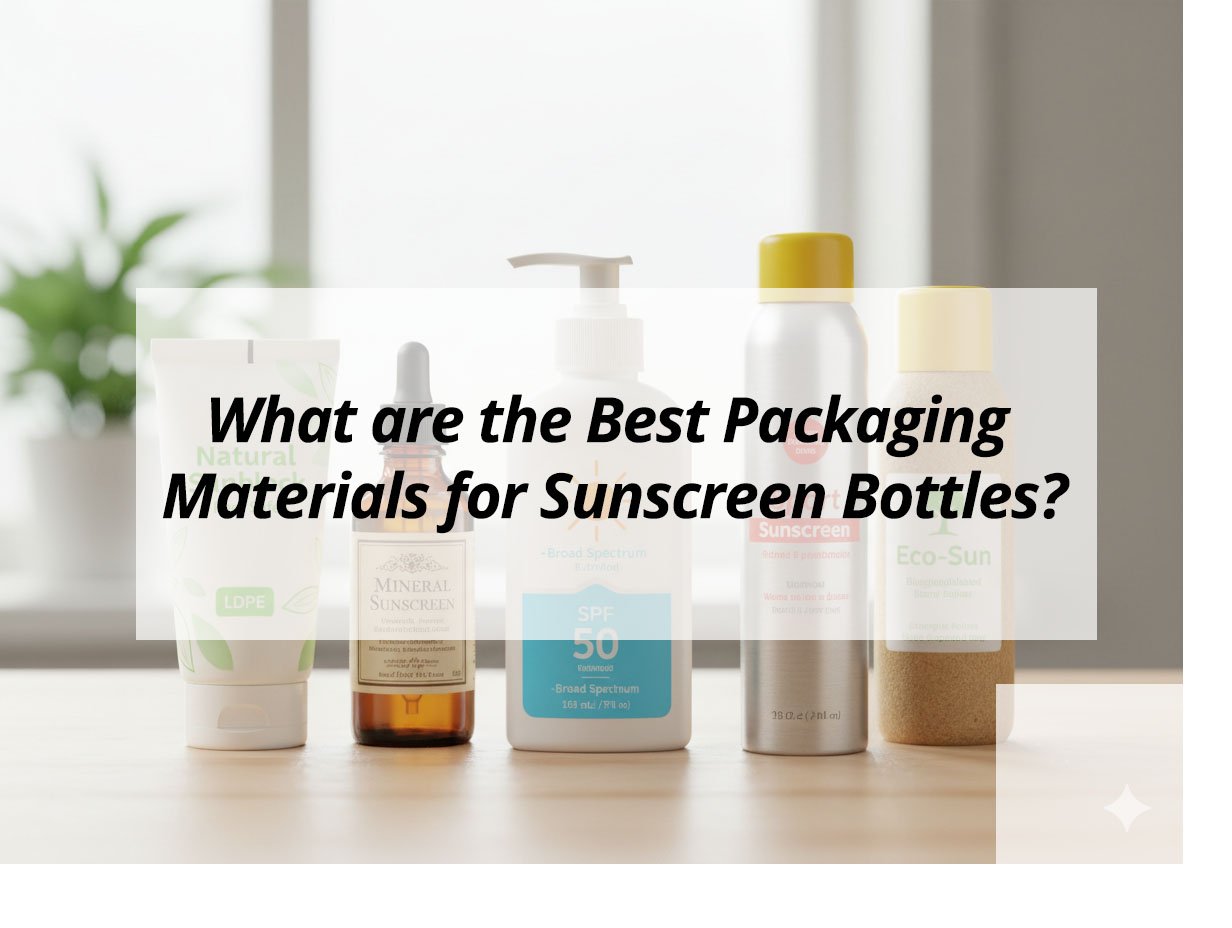
The most suitable container for sunscreen effectively protects the formulation from degradation while being user-friendly. Plastic bottles, particularly those made from HDPE and PET, are frequently used. They offer a balance of durability, chemical resistance, and cost-effectiveness. Aluminium tubes also provide excellent barrier protection, especially for specific formulations. The optimal choice depends on the product's characteristics and market positioning.
Many factors influence the selection of sunscreen packaging. These include the product's chemical composition, desired shelf life, and target consumer experience. A detailed examination of available materials helps identify the most effective solution for a specific sunscreen product.
What are the 4 Types of Packaging Materials?
Understanding the fundamental categories of packaging materials is crucial for making informed decisions. Different materials offer distinct properties that are suitable for various product types and marketing strategies.
Four primary types of packaging materials are widely utilized across industries: plastic, glass, metal, and paper/cardboard. Each material possesses unique characteristics in terms of protection, weight, cost, and environmental impact. For sunscreen, plastic is often favored due to its versatility and barrier properties. Glass provides a premium feel. Metal offers superior protection from external elements. Paper is typically used for secondary packaging.
A closer look at these material types reveals their specific applications and considerations. This knowledge helps in selecting the most appropriate packaging for a given product.
Plastic Packaging: A Primary Choice
Plastic is a dominant material in packaging due to its adaptability. Its diverse forms make it suitable for a wide range of products, including sunscreen.
-
Key Attributes:
- Lightweight: Reduces shipping costs and consumer burden.
- Durability: Resistant to breakage, offering product protection.
- Versatility: Can be molded into various shapes and sizes.
- Chemical Resistance: Compatible with many sunscreen formulations.
- Cost-effectiveness: Generally less expensive to produce compared to other materials.
-
Common Plastics for Sunscreen:
- HDPE (High-Density Polyethylene): Known for strength and chemical inertness, often used for opaque bottles.
- PET (Polyethylene Terephthalate): Offers clarity and good barrier properties, frequently used for transparent or translucent bottles.
- LDPE (Low-Density Polyethylene): Flexible, making it ideal for squeeze tubes.
- PP (Polypropylene): Durable and heat-resistant, commonly used for caps and jars.
The selection of a specific plastic type depends on the sunscreen's viscosity, sensitivity to light, and desired dispensing method. These plastics ensure product stability and user convenience.
Glass Packaging: A Premium Aesthetic
Glass packaging conveys a sense of quality and luxury. While less common for everyday sunscreen, it is used for niche or high-end products.
-
Key Attributes:
- Premium Presentation: Offers a high-quality visual and tactile experience.
- Recyclability: Can be recycled repeatedly without loss of quality.
- Inertness: Does not react with product formulations, preserving integrity.
-
Considerations:
- Weight: Heavier than plastic, increasing shipping costs.
- Fragility: Prone to breakage, which can be a safety concern.
- UV Protection: Clear glass requires additional UV inhibitors or opaque coatings for sun-sensitive products.
Glass is typically chosen when brand image and product preservation, particularly for non-light-sensitive formulations, are paramount.
Metal Packaging: Superior Barrier Protection
Metal packaging, primarily aluminium and steel, offers excellent protective qualities. It is particularly effective for formulations requiring robust barriers.
-
Key Attributes:
- Excellent Barrier Properties: Provides superior protection against light, oxygen, and moisture.
- Durability: Resilient to physical damage.
- Recyclability: Aluminium is widely recyclable.
-
Applications:
- Aluminium Tubes: Often used for smaller volumes of thick creams or balms, allowing for complete product evacuation.
- Aerosol Cans: Steel or aluminium cans are used for spray sunscreens.
Metal packaging is a strong choice for sunscreens that need maximum protection against environmental factors.
Paper and Cardboard Packaging: Secondary and Informational
Paper and cardboard materials are typically used for secondary packaging. They serve important functions related to branding and product information.
-
Key Attributes:
- Sustainability: Often made from renewable or recycled materials.
- Printability: Excellent surface for branding, graphics, and product details.
- Lightweight: Adds minimal weight to the overall product.
-
Typical Uses for Sunscreen:
- Outer Cartons: Provide additional protection and space for marketing messages.
- Labels: Convey essential product information directly on the primary container.
These materials are crucial for presenting the product, communicating with consumers, and protecting the primary packaging.
Which Container is Used for Sunscreen?
The selection of a specific container for sunscreen is driven by functional requirements and market preferences. Effective packaging ensures the product's stability and usability.
Plastic containers are predominantly used for sunscreen. These include bottles, tubes, and jars made from materials like HDPE, PET, and LDPE. Their popularity stems from their lightweight nature, durability, and ability to protect sunscreen formulations from degradation. Dispensing mechanisms such as flip-top caps, pumps, and sprayers are commonly integrated for user convenience.
The choice of container type often correlates with the sunscreen's form, whether it is a lotion, cream, gel, or spray.
Common Sunscreen Container Types
A variety of container types are employed for sunscreen, each optimized for different product characteristics and consumer uses.
-
Plastic Bottles:
- Materials: HDPE, PET.
- Characteristics: Available in various sizes, often opaque to protect against light. Can accommodate pumps, sprayers, or flip-top caps.
- Suitability: Ideal for liquid lotions and sprayable formulas, offering ease of use and good product flow.
-
Plastic Tubes:
- Materials: LDPE, PP.
- Characteristics: Flexible and squeezable, allowing for controlled dispensing and minimal product waste.
- Suitability: Excellent for creams, gels, and thicker formulas where precise application is desired.
-
Plastic Jars:
- Materials: PP, Acrylic.
- Characteristics: Wide opening for easy access, often paired with a screw-on lid.
- Suitability: Best for thick balms or solid sunscreens, where scooping the product is appropriate.
-
Airless Bottles:
- Materials: PP, PET.
- Characteristics: Designed to dispense product without drawing in air, reducing oxidation.
- Suitability: Optimal for sensitive or high-value sunscreen formulations, extending shelf life and maintaining efficacy.
The prevalence of plastic in sunscreen packaging for sunscreen underscores its effectiveness in meeting the industry's demands for protection, usability, and cost efficiency.
Key Considerations for Sunscreen Container Selection
Several factors guide the choice of a sunscreen container, ensuring it meets both product and market requirements.
| Factor | Explanation |
|---|---|
| Formulation Stability | Compatibility with packaging materials is crucial to prevent chemical reactions or degradation. |
| UV Protection Needs | Sunscreen often requires packaging that blocks UV light to maintain ingredient efficacy. |
| Dispensing Mechanism | The container must allow for easy and hygienic application, whether via pump, spray, or squeeze. |
| Brand Positioning | Packaging contributes to the brand image, whether it aims for mass-market accessibility or luxury appeal. |
| Cost Implications | Material costs, manufacturing processes, and shipping weight all influence the final price point. |
| Environmental Impact | Recyclability, use of PCR materials, and overall sustainability are growing considerations. |
| Consumer Convenience | Ease of carrying, opening, and using the product directly impacts consumer satisfaction. |
Careful evaluation of these considerations ensures the chosen sunscreen container effectively serves its purpose and supports market success.
Is a Sunscreen Bottle Recyclable?
The recyclability of packaging is an increasingly important factor for consumers and brands alike. Understanding which sunscreen bottles can be recycled is key to sustainable practices.
Many sunscreen bottles are indeed recyclable. Plastic containers, particularly those made from PET (Polyethylene Terephthalate, #1) and HDPE (High-Density Polyethylene, #2), are widely accepted in recycling programs. Consumers should consult local recycling guidelines and clean containers before disposal. The recyclability of caps and pumps varies and often requires separation from the main bottle.
Promoting the correct recycling of sunscreen packaging helps reduce waste and supports circular economy initiatives.
Identifying Recyclable Plastics
Recycling symbols on plastic containers provide essential information about their material composition and recyclability.
- #1 PET (Polyethylene Terephthalate): Commonly recycled for beverage bottles and other transparent containers. Highly accepted.
- #2 HDPE (High-Density Polyethylene): Widely recycled for milk jugs, detergent bottles, and opaque sunscreen packaging. High acceptance.
- #3 PVC (Polyvinyl Chloride): Less frequently recycled due to its complex composition.
- #4 LDPE (Low-Density Polyethylene): Recyclability varies by location; used for flexible tubes and plastic bags.
- #5 PP (Polypropylene): Increasingly accepted in recycling programs; used for caps, jars, and some tubes.
- #6 PS (Polystyrene): Rarely recycled due to its brittle nature and light weight.
- #7 Other: Refers to a mixture of plastics or other types, often not recyclable.
Checking the resin identification code is the first step in determining if a sunscreen bottle is recyclable.
Challenges and Solutions in Sunscreen Packaging Recycling
Despite advancements, specific challenges can impact the recyclability of sunscreen packaging.
- Product Residue: Residual sunscreen can contaminate recycling streams.
- Solution: Advise consumers to rinse containers thoroughly before recycling.
- Multi-Material Components: Pumps and sprayers often contain a mix of plastics and metal springs, making them difficult to recycle.
- Solution: Design components for easy separation or use mono-material alternatives.
- Labels and Adhesives: Certain labels or strong adhesives can interfere with the recycling process.
- Solution: Use recyclable label materials or sleeves that can be easily removed.
Addressing these challenges through design and consumer education enhances the actual recycling rate of packaging for sunscreen.
Sustainable Packaging Innovations
The packaging industry is continuously evolving to offer more sustainable options for sunscreen and other cosmetic products.
- Post-Consumer Recycled (PCR) Plastics: Incorporating recycled plastic content reduces the demand for virgin plastic and lowers the environmental footprint. Available for HDPE and PET.
- Bio-based Plastics: Materials derived from renewable resources, such as sugarcane or corn, offer alternatives to petroleum-based plastics.
- Mono-Material Design: Creating packaging from a single type of plastic simplifies the recycling process by eliminating the need for material separation.
- Refillable Systems: Designing containers that can be refilled reduces the overall consumption of packaging materials.
These innovations help brands meet growing consumer demand for environmentally responsible sunscreen container options.
What are the Five Packaging Materials?
A comprehensive understanding of packaging materials extends beyond the most common types. Exploring a broader range provides a complete picture of available options.
The five primary categories of packaging materials include plastic, glass, metal, paper/cardboard, and wood. Each material offers distinct physical properties, aesthetic qualities, and environmental profiles. While plastic, glass, and metal are prevalent for primary sunscreen containers, paper/cardboard is essential for secondary packaging. Wood, though less common for cosmetics, is used for specialized or luxury items.
This broader perspective helps in identifying both standard and alternative solutions for various packaging needs.
Detailed Overview of the Five Materials
A more in-depth examination of these five materials highlights their specific characteristics and applications in packaging.
1. Plastic
- Characteristics: Exceptionally versatile, offering excellent barrier properties, lightweight design, and high durability. Can be transparent, translucent, or opaque.
- Applications: Dominant for primary sunscreen packaging (bottles, tubes, jars, caps, pumps), providing protection and ease of use.
- Variations: HDPE, PET, LDPE, PP are most relevant for sunscreen.
2. Glass
- Characteristics: Known for its clarity, inertness, and ability to convey a sense of premium quality. Provides a strong barrier against gases and moisture.
- Applications: Used for high-end or specialized sunscreen products where aesthetic appeal and product integrity are prioritized over weight and fragility.
- Considerations: Requires protective secondary packaging to prevent breakage.
3. Metal
- Characteristics: Offers robust protection against light, air, and moisture. Extremely durable and often recyclable (especially aluminium).
- Applications: Common for aluminium tubes (e.g., for mineral sunscreens or travel sizes) and aerosol cans (for spray sunscreens).
- Material Types: Aluminium and steel are the primary metals used.
4. Paper/Cardboard
- Characteristics: Lightweight, easily printable, and typically made from renewable resources. Offers limited physical protection on its own.
- Applications: Primarily used for secondary packaging, such as outer cartons, sleeves, and labels for sunscreen products. Vital for branding and conveying information.
- Environmental: Often made with recycled content and is widely recyclable.
5. Wood
- Characteristics: A natural and renewable material, offering a distinct organic or luxury feel. Can be heavier and less suitable for direct product contact.
- Applications: Very rarely used for primary sunscreen containers. More commonly found in high-end cosmetic packaging for caps, outer cases, or decorative elements.
- Treatment: Requires specific treatments to enhance durability and moisture resistance.
Considering all five categories provides a comprehensive framework for selecting appropriate packaging materials for various products, including specific requirements for a sunscreen container.
My Insights: Common Packaging Materials Used for Sunscreen Bottles
Choosing the right packaging for sunscreen bottles can be overwhelming. Materials like PET, HDPE, and aluminum balance cost, durability, and sustainability while protecting sensitive formulations.
Sunscreen bottles use popular materials like PET, HDPE, aluminum, and bioplastics. These provide UV protection, sustainability, and durability for sunscreen products. Selection depends on cost, brand goals, and packaging format.
Comparing Common Sunscreen Packaging Materials
Packaging materials for sunscreen bottles are selected based on UV protection, durability, compatibility with formulas, and sustainability goals. Here’s an in-depth look at the top options:
1. PET (Polyethylene Terephthalate)
PET is one of the most widely used materials because it is lightweight, durable, and fully recyclable. It can be clear or opaque to ensure light-sensitive formulas retain their integrity. PET is also affordable, making it ideal for mass-market sunscreen bottles.
2. HDPE (High-Density Polyethylene)
HDPE is tough and chemically resistant, making it ideal for sunscreen bottles exposed to high handling or environmental stress. Its opacity provides UV protection, and it’s compatible with most sunscreen formulations. HDPE bottles are also recyclable.
3. Aluminum
Aluminum offers superior light barrier protection and is fully recyclable, making it a sustainable choice. It is commonly used for premium sunscreen bottles and aerosol products. However, it is more expensive than plastic materials like PET and HDPE.
4. Glass
While less common for sunscreen bottles, glass is favored for luxury brands due to its eco-friendly nature and premium appearance. It provides excellent protection against UV rays but is heavier and more fragile than other materials.
5. Bioplastics
Sustainable alternatives like sugarcane-derived bioplastics are gaining popularity. These materials reduce reliance on petrochemicals, but adoption is still limited to eco-conscious brands due to higher costs and limited availability.
| Material | Characteristics | Applications | Pros | Cons |
|---|---|---|---|---|
| PET | Lightweight, recyclable, clear/opaque | Mass-market, lightweight bottles | Affordable, durable | Limited premium look |
| HDPE | Tough, UV-resistant, cost-effective | Mass-market, everyday packaging | Strong, recyclable | Less aesthetic appeal |
| Aluminum | Lightweight, recyclable, premium light barrier | Premium or eco-focused products | Eco-friendly, protective | Higher cost |
| Glass | Premium, heavy, eco-friendly | Luxury sunscreen packaging | High-end appeal | Fragile, heavier |
| Bioplastics | Renewable, eco-friendly | Niche and eco-conscious brands | Sustainable | High production cost |
PET and HDPE dominate sunscreen packaging for affordability, durability, and UV protection. Aluminum and glass offer premium solutions, while bioplastics represent the future of sustainability for eco-conscious packaging innovation.
Matching Sunscreen Packaging Materials to Brand Goals
Sunscreen bottle materials offer diverse options depending on brand positioning, formula needs, and sustainability priorities. Below is a detailed breakdown:
1. For Mass-Market Products
PET and HDPE are ideal for brands targeting cost-efficiency and high-volume production while maintaining durability and UV protection. PET offers lightweight bottles with high recyclability, and HDPE provides chemical resistance for bulk sunscreen applications.
2. Premium Packaging Choices
Luxury or eco-positioned brands often opt for aluminum or glass bottles. Aluminum’s light barrier and recyclability make it a standout material for sustainable packaging. Similarly, glass offers an upscale appearance and full UV protection, albeit at a higher price point.
3. Sustainability-Focused Solutions
Bioplastics provide a renewable alternative to traditional plastics, allowing sustainability-driven brands to minimize environmental impact. Sugarcane-based plastics are increasingly used for sunscreen packaging innovations, appealing to eco-conscious consumers despite their higher costs.
Recommendations:
| Brand Position | Recommended Material | Key Benefit |
|---|---|---|
| Affordable Mass-Market | PET, HDPE | Cost-effective, durable |
| Luxury/High-End | Aluminum, Glass | Premium look, eco-friendly |
| Eco-Conscious | Bioplastics, Aluminum | Sustainability, renewability |
Final Insight
Brands should prioritize packaging materials that align with formula protection, cost targets, and sustainability strategies. With advancements like bioplastics and versatile PET solutions, the sunscreen packaging industry is evolving toward eco-conscious materials without compromising quality or design.
Conclusion
The selection of packaging for sunscreen is a multi-faceted decision impacting product efficacy and market success. Plastic materials like HDPE and PET are prevalent due to their protective qualities and adaptability. While glass and metal offer distinct advantages for specific applications, understanding recyclability and embracing sustainable innovations are increasingly important considerations for brands and consumers.