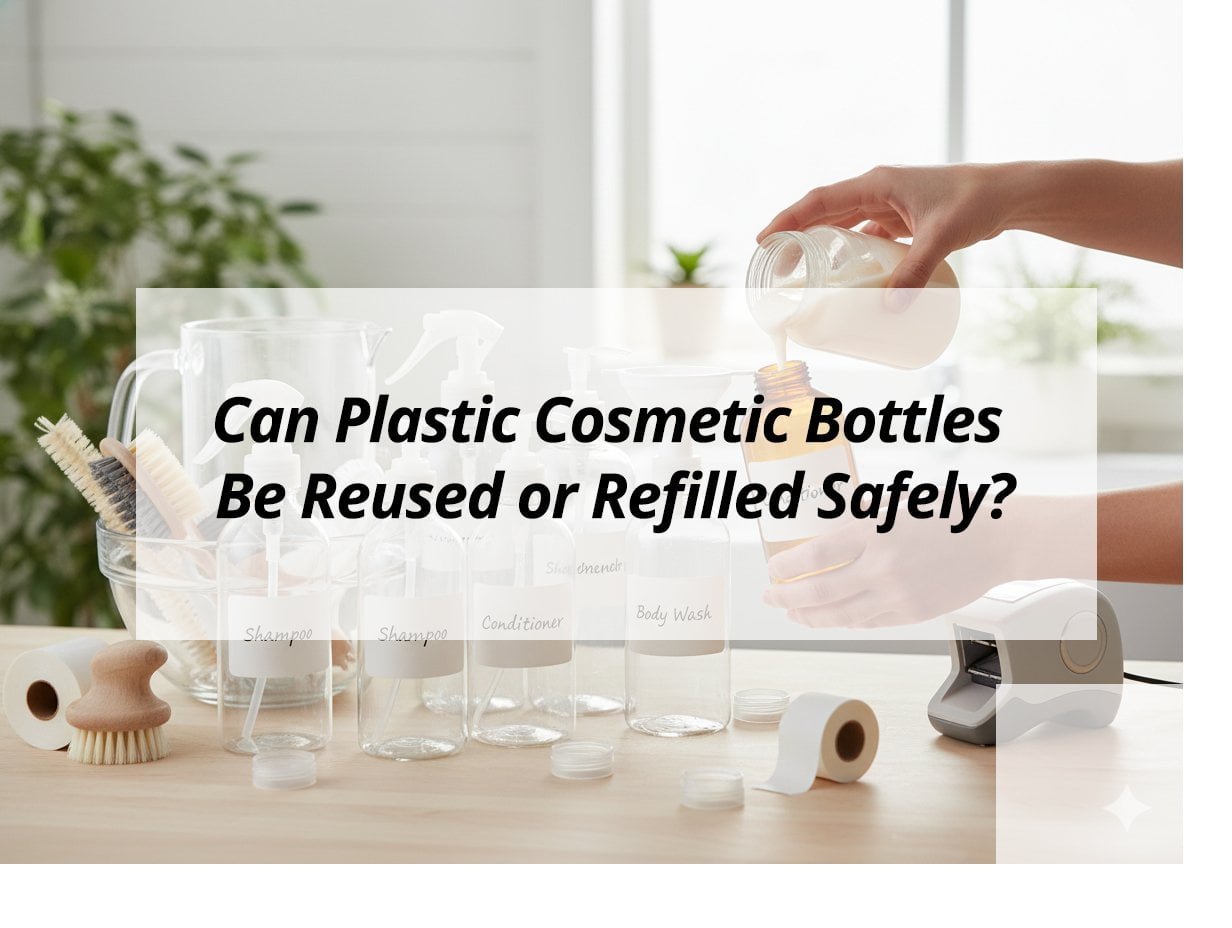
Many people wonder about reusing plastic cosmetic bottles. It is a common question. I have been asked this many times. In my experience, the answer depends on several factors. Reusing or refilling can be safe, but you need to do it correctly.
You can reuse plastic cosmetic bottles safely, but it is important to consider the type of plastic, the original product, and proper sterilization methods. Not all plastic bottles are suitable for repeated reuse, especially those designed for single use. Always prioritize hygiene to prevent contamination and ensure product integrity.
The idea of reusing cosmetic packaging is appealing. It helps reduce waste. It also saves money. However, there are important points to consider. Knowing these details can help you make good choices. This way, you can reuse bottles effectively.
How Many Times Can a Plastic Bottle Be Reused?
It is a common question: how many times can a plastic bottle1 be reused? The number of times you can reuse a plastic bottle varies a lot. It depends on the plastic type. It also depends on what was in the bottle before. From my work, I see different plastics behave differently.
The number of times a plastic bottle can be reused safely depends mainly on its plastic type and its original contents. High-quality, durable plastics like PET or HDPE can be reused more often, especially if they held non-food items or easily washable products. Always check for damage or degradation before reusing any bottle.
Different plastics have different properties. Some are stronger than others. Some are more resistant to chemicals. For example, my factory uses various plastics. We make bottles for many products. We consider how durable each plastic is.
Understanding Plastic Types for Reuse
Not all plastics are equal. Each type has a code. You can find this code on the bottom of the bottle.
- PET (Polyethylene Terephthalate) - Code 1: This plastic is common. It is often used for water bottles and some cosmetic products. PET is lightweight. It is generally safe for one-time use. Reusing it multiple times can cause problems. It can leach chemicals over time. It can also develop micro-cracks.
- HDPE (High-Density Polyethylene) - Code 2: This plastic is more durable. It is used for milk jugs, shampoo bottles, and some cosmetic containers. HDPE is thicker. It is more resistant to chemicals. You can reuse HDPE bottles more often than PET.
- PVC (Polyvinyl Chloride) - Code 3: This plastic is less common for cosmetics now. It can release toxic chemicals. It is best to avoid reusing PVC.
- LDPE (Low-Density Polyethylene) - Code 4: This plastic is flexible. It is used for squeeze bottles. It is generally safe for reuse. But it is not as durable as HDPE.
- PP (Polypropylene) - Code 5: This plastic is very strong. It is used for yogurt containers and some cosmetic jars. PP is heat-resistant. It is good for reuse.
- PS (Polystyrene) - Code 6: This plastic is brittle. It is used for disposable cups. It is not good for reuse.
- Other (often Polycarbonate or ABS) - Code 7: This category includes various plastics. Some can leach BPA. It is better to avoid reusing these.
Factors Affecting Reuse Lifespan
Many things impact how long a bottle can be reused. I have seen customers try to reuse bottles that are not suitable. This can cause issues with their products.
| Factor | Impact on Reuse Lifespan | Recommendation |
|---|---|---|
| Original Contents | Food items, harsh chemicals, or oils can leave residues. | Bottles that held water or mild cleansers are better. |
| Plastic Degradation | Sunlight, heat, and repeated washing can weaken plastic. | Avoid direct sun exposure and harsh cleaning methods. |
| Physical Damage | Scratches, cracks, or dents create places for bacteria. | Inspect bottles carefully before each reuse. |
| Cleaning Method | Improper cleaning leaves contaminants. | Always sterilize bottles properly. |
| Intended Use | Some bottles are made for single use. | Look for durable plastics and designs. |
You need to pay attention to these details. I always advise my customers to use new, sterile packaging for sensitive products. Especially for things like skincare.
Can You Reuse Skincare Bottles?
Many people want to reuse skincare bottles. They often ask me if this is a good idea. Reusing skincare bottles is possible. But it needs careful thought. I always tell my customers to be very cautious.
You can reuse skincare bottles, but it requires thorough sterilization to prevent bacterial contamination2, which can degrade new products or harm skin. Opt for high-quality, durable plastic bottles like PP or HDPE, and only reuse them if they are in perfect condition without any scratches or damage.
Skincare products are often sensitive. They contain ingredients that can spoil. Bacteria can grow in them. This is why proper hygiene is so important.
Why Skincare Bottles Need Special Attention
Skincare products are different from other items. They go directly onto your skin.
- Risk of Contamination: Skincare products are a good breeding ground for bacteria. If a bottle is not perfectly clean, bacteria from the old product can mix with the new. This can cause skin irritation or infections.
- Product Stability: Many skincare ingredients are unstable. They can break down if exposed to light, air, or contaminants. Reusing a bottle can expose the new product to these elements. It can change the product's effectiveness.
- Airtight Seals: Skincare bottles often have special pumps or airtight caps. These prevent air from getting in. If you reuse a bottle, the seal might not be as good. This can expose the new product to air. This can make it less effective.
Best Practices for Reusing Skincare Bottles
When I speak with buyers, especially those for luxury brands, they focus on product integrity. They understand the risks.
| Practice | Description | Why it matters |
|---|---|---|
| Thorough Cleaning | Wash bottles with hot, soapy water. Use a bottle brush. | Removes residues and visible dirt. |
| Sterilization | Disinfect with boiling water, rubbing alcohol, or bleach. | Kills bacteria and other microbes. Prevents contamination. |
| Inspection | Check for scratches, cracks, or cloudiness. | Damaged plastic can harbor bacteria and leach chemicals. |
| Type of Product | Reuse for similar products. Avoid mixing different types. | Prevents chemical reactions or degradation. |
| Storage | Store clean bottles in a dry, dust-free place. | Keeps bottles clean until reuse. |
I have seen companies that try to cut corners. They reuse packaging without proper care. This often leads to customer complaints. It can damage their brand. So, for skincare, always be extra careful.
Are Plastic Bottles Safe to Refill?
Many people want to refill plastic bottles. It is a good way to be more sustainable. But is it safe? From my experience, refilling can be safe. But you must follow strict rules.
Plastic bottles are safe to refill if they are made from durable, food-grade plastics like HDPE or PP, are thoroughly cleaned and sterilized before each refill, and show no signs of damage or degradation. It is crucial to match the new product with the bottle's previous contents to avoid cross-contamination or chemical reactions.
The safety of refilling depends on many things. It is not a simple yes or no answer. I have seen clients who successfully refill their own branded bottles. They do it in a controlled environment.
Considerations for Safe Refilling
When thinking about refilling, you need to consider several points. These points ensure the safety of the product and the user.
- Plastic Compatibility: Not all plastics react the same way to all chemicals. If you refill a bottle with a product different from its original content, there could be a reaction. For example, some oils can degrade certain plastics. This can leach chemicals into the new product.
- Product Type: Refilling bottles with highly sensitive products, like eye creams or serums, is riskier. These products need a sterile environment. Less sensitive products, like hand soap, might be safer to refill.
- Closure Integrity: The cap or pump is important. It keeps air and contaminants out. If the closure is damaged or worn, it might not seal properly. This can lead to spoilage or contamination.
Best Practices for Refilling
As a supplier, I often advise my customers on packaging. I tell them how to handle their bottles.
| Practice | Description | Benefit |
|---|---|---|
| Cleanliness | Wash bottles immediately after emptying. Do not let residue dry. | Prevents stubborn stains and bacterial growth. |
| Sterilization | Use boiling water or a disinfectant. Ensure all parts are clean. | Eliminates bacteria, molds, and yeasts. |
| Air Drying | Let bottles air dry completely. Do not wipe with a towel. | Prevents introducing lint or new contaminants. |
| Storage (Empty) | Store empty, clean bottles upside down. This prevents dust inside. | Keeps the interior clean until it is time to refill. |
| Labeling | Label refilled bottles with the new product name and date. | Helps track product freshness and prevents confusion. |
I always stress the importance of hygiene. It is the most critical step. Without proper cleaning, refilling is not safe.
How to Sterilize Plastic Bottles for Reuse?
Sterilizing plastic bottles is very important if you want to reuse them. Many people ask me the best way to do this. I always tell them that thorough sterilization is key. It removes harmful bacteria.
To sterilize plastic bottles for reuse, first wash them thoroughly with hot, soapy water and a bottle brush to remove all residues. Then, choose a sterilization method based on the plastic type, such as boiling for heat-resistant plastics (HDPE, PP), using rubbing alcohol, or a diluted bleach solution, followed by complete air drying.
Proper sterilization kills germs. It makes the bottle safe for a new product. Without it, you risk contamination. This can harm the new product or the user.
Steps for Effective Sterilization
From my manufacturing background, I know about cleanliness. These steps are what I would recommend.
- Initial Rinse: Rinse the bottle and cap with warm water immediately after it becomes empty. This removes most of the product.
- Wash with Soap and Hot Water: Fill a basin with hot, soapy water. Use a bottle brush to scrub the inside of the bottle. Pay attention to the neck and threads. Wash the cap and pump parts too. Make sure no residue remains.
- Rinse Thoroughly: Rinse all parts under running hot water. Make sure all soap is gone. Soap residue can affect the new product.
- Choose a Sterilization Method:
- Boiling (for heat-resistant plastics like HDPE, PP): Place the clean bottles and caps in a pot of boiling water for 5-10 minutes. Ensure they are fully submerged. Be careful with heat. Some plastics can deform.
- Rubbing Alcohol: Fill the bottle with 70% isopropyl alcohol. Let it sit for 10-15 minutes. Swirl it around. Pour it out. Rinse with distilled water.
- Bleach Solution: Mix one teaspoon of unscented bleach with one gallon of water. Fill the bottle with this solution. Let it sit for at least 5 minutes. Pour it out. Rinse thoroughly with distilled water. Ensure no bleach smell remains.
- Air Dry Completely: Place the bottles upside down on a clean drying rack. Let them air dry completely. Do not use a towel. Towels can leave lint or bacteria. Make sure they are totally dry before refilling.
Important Sterilization Tips
I often tell my customers about these small details. They make a big difference.
- Distilled Water: If you rinse after chemical sterilization, use distilled water. Tap water can have minerals or bacteria.
- Avoid Harsh Abrasives: Do not use abrasive scrubbers. They can scratch the plastic. Scratches create places for bacteria to hide.
- Check for Odors: After cleaning and drying, smell the bottle. If there is any lingering odor, it means it is not perfectly clean. Repeat the cleaning process.
- Replace Worn Parts: If a pump or spray mechanism looks worn, it is better to replace it. These parts are hard to clean thoroughly.
Sterilization is not just about making things look clean. It is about removing unseen threats. This step protects both your product and your customers.
My Insights: Safe Reuse and Refilling of Plastic Cosmetic Bottles
Concerned about plastic waste in cosmetics? Discover if and how plastic bottles can be safely reused or refilled.
Plastic cosmetic bottles can be safely reused if they are BPA-free and made of durable materials like HDPE or PP. Proper cleaning, drying, and avoiding heat exposure are crucial to prevent contamination and maintain safety during reuse.
Safely Reusing and Refilling Plastic Cosmetic Bottles
Suitable Plastic Types:
- HDPE and PP: These plastics are more robust for reuse, provided bottles are cleaned and stored correctly.
- BPA-free Plastics: Always opt for BPA-free options to minimize health risks.
Hygiene and Safety Tips:
- Thorough Cleaning: Use hot soapy water to wash bottles, caps, and pumps. Sanitize with rubbing alcohol if material permits, and air-dry completely.
- Check for Damage: Avoid reusing bottles showing signs of wear, such as cracks, cloudiness, or odors, to prevent contamination risks.
Unsuitable Reuse Scenarios:
- Single-Use Containers: Avoid refilling thin, easily damaged bottles like those made from PET.
- Heavy Residue: Containers with residue from oils or strong formulations are challenging to clean effectively.
| Aspect | Recommendation |
|---|---|
| Plastic Type | Use HDPE, PP, and BPA-free materials. |
| Cleaning | Wash thoroughly, sanitize, and air-dry. |
| Avoid | Reusing damaged or single-use containers. |
By following these guidelines, consumers can safely reuse plastic bottles, helping to reduce environmental impact3 while maintaining product safety.
Conclusion
Reusing plastic cosmetic bottles can be safe and eco-friendly. It is important to know the plastic type. Always clean and sterilize bottles well. Check for any damage before reuse.