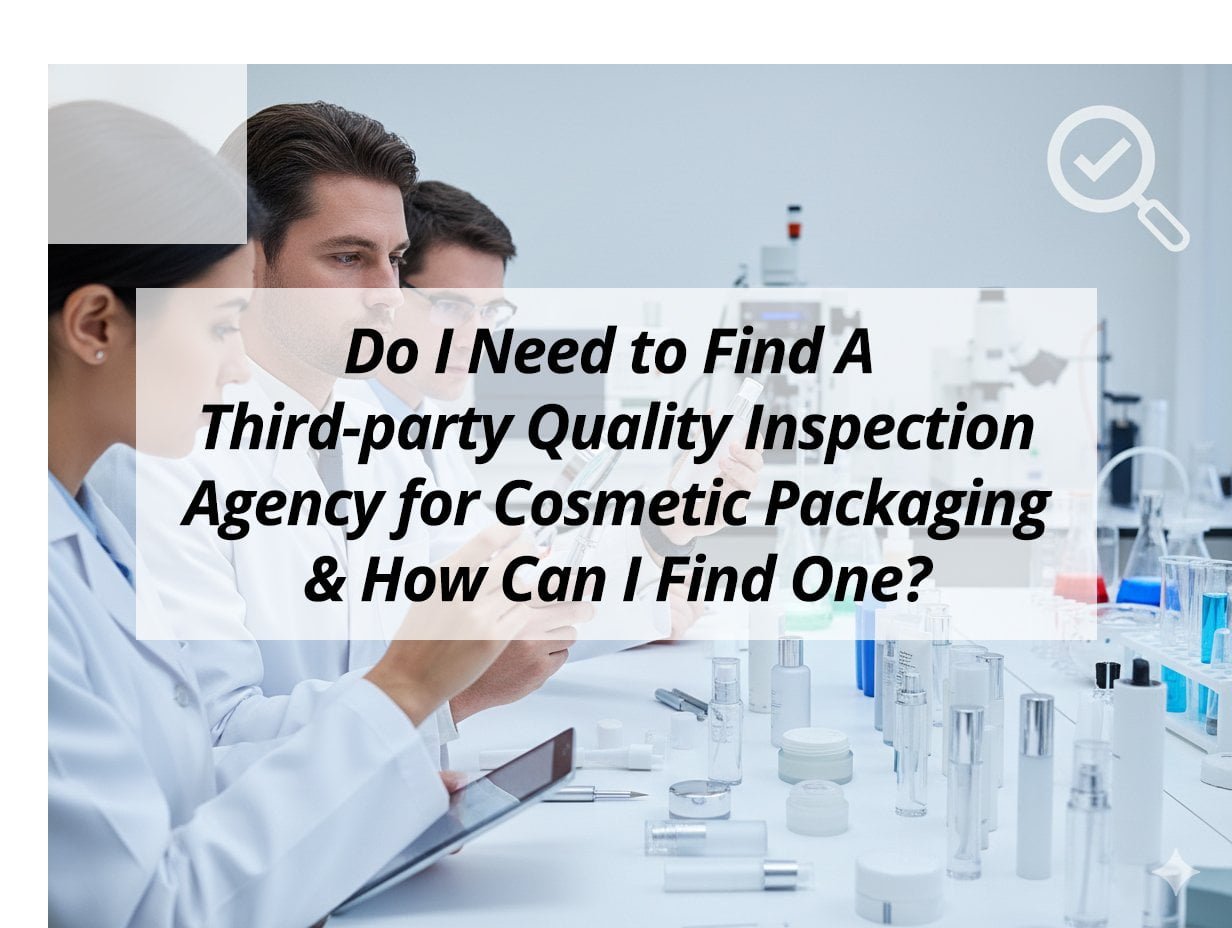
Struggling with maintaining quality in your cosmetic packaging process? Wondering if a third-party quality inspection agency could be your solution?
Frosted cosmetic bottles diffuse light to reduce glare and provide a luxurious appearance. This not only enhances product aesthetics but also offers superior UV protection, crucial for preserving the integrity and effectiveness of the cosmetics inside, ensuring they remain potent and effective over time.
Navigating the complex world of quality inspection can be daunting. From ensuring compliance to maintaining product standards, understanding the role of inspection agencies is vital for success.
What are the 4 types of quality inspections?
Ensuring the highest quality in cosmetic packaging requires a systematic approach. But what are the essential inspection types you need to know?
Four primary inspection types exist: pre-production, during production, pre-shipment, and container loading inspections. Each plays a crucial role in maintaining standards and ensuring products meet specifications before reaching the market.
Understanding these inspection levels helps manufacturers maintain quality and prevent costly mistakes. Let's break down these further:
Pre-Production Inspection1
This focuses on raw materials and components. It seeks to identify issues before manufacturing begins, ensuring everything meets defined standards.
During Production Inspection (DPI)2
Conducted when 20-60% of production is complete. It identifies defects during manufacturing, allowing corrective actions to prevent mass production errors.
Pre-Shipment Inspection (PSI)3
Executed when at least 80% of the order is finished. It ensures products meet quality standards before shipment, minimizing the risk of costly returns.
Container Loading Inspection4
Verifies products during loading to ensure correct quantities are packed securely. This step is critical in preventing shipping damage and ensuring customer satisfaction.
What is a third-party inspection agency?
You're considering a third-party inspection agency, but what exactly does this entail, and why is it beneficial for your business?
A third-party inspection agency is an independent body that evaluates and ensures the quality of products before they reach the market. It provides unbiased assessments, helping businesses maintain compliance and meet customer expectations.
Hiring a third-party agency can bring several advantages. Let's explore:
- Independence: Provides an unbiased and impartial perspective.
- Expertise: Offers specialized knowledge and experience.
- Compliance: Ensures adherence to international standards and regulations.
- Efficiency: Helps speed up processes by identifying problems early.
What is the difference between second party and third party inspection?
Confused about inspection terms? Understanding the difference between second-party and third-party inspections could clarify your decision-making process.
Second-party inspections are performed by the purchaser or the purchaser's representative, ensuring quality from their perspective. Third-party inspections offer an external, unbiased evaluation.
Let's delve deeper:
Second-party Inspection
- Conducted by: Purchaser or representative
- Focus: Specifications agreed upon by both parties
Third-party Inspection
- Conducted by: Independent agency
- Focus: Objective adherence to standards
What are 3rd party inspections?
Understanding what third-party inspections entail can provide clarity and confidence in your sourcing and packaging processes.
Third-party inspections refer to assessments conducted by independent agencies. These inspections ensure products meet specified standards and regulations before they reach the market, offering peace of mind for both buyers and sellers.
Key benefits to consider:
- Unbiased Evaluation: Offers a neutral review of quality and compliance.
- Risk Reduction: Minimizes potential for defects reaching consumers.
- Enhanced Credibility: Builds trust with clients through verified quality.
My insights: Navigating Third-Party Quality Inspection for Cosmetic Packaging
Worried about packaging defects ruining your brand reputation? Discover how third-party inspections can safeguard quality and compliance.
Hiring a third-party quality inspection agency is beneficial when dealing with new or overseas suppliers, high-value orders, or requiring compliance certifications. These agencies ensure standards are met and defects are minimized, preventing costly recalls and enhancing brand trust.
Benefits and Selection of Third-Party Quality Inspection Agencies
1. When Third-Party Inspections Are Essential:
- New Suppliers: Especially from overseas or those without a track record.
- High-Value Orders: Critical for luxury or complex packaging requirements.
2. Services Provided:
- On-Site Inspections: Initial, during, and pre-shipment checks.
- Function Verification: Ensure color consistency, print quality, and sealing.
3. How to Find and Choose the Right Agency:
| Criteria | Considerations | Importance |
|---|---|---|
| Qualifications | ISO 9001, ISO 17020 certifications | Confirms credibility and expertise |
| Service Scope | Coverage of supplier regions | Ensures comprehensive inspection |
| Reporting and Communication | Detailed reports, language skills, response time | Clarity and efficiency in feedback |
To maximize the benefits, prepare clear specifications, golden samples, and inspection instructions. This proactive approach ensures agency effectiveness and packaging quality.
Conclusion
Leveraging a third-party quality inspection agency can safeguard your cosmetic packaging process, ensuring high standards and compliance while fostering trust with your customers.
-
Explore this link to understand how pre-production inspections can prevent costly manufacturing errors. ↩
-
Learn about DPI and how it helps catch defects early in the manufacturing process. ↩
-
Discover the significance of PSI in ensuring product quality before shipment. ↩
-
Find out how container loading inspections prevent shipping damage and ensure customer satisfaction. ↩