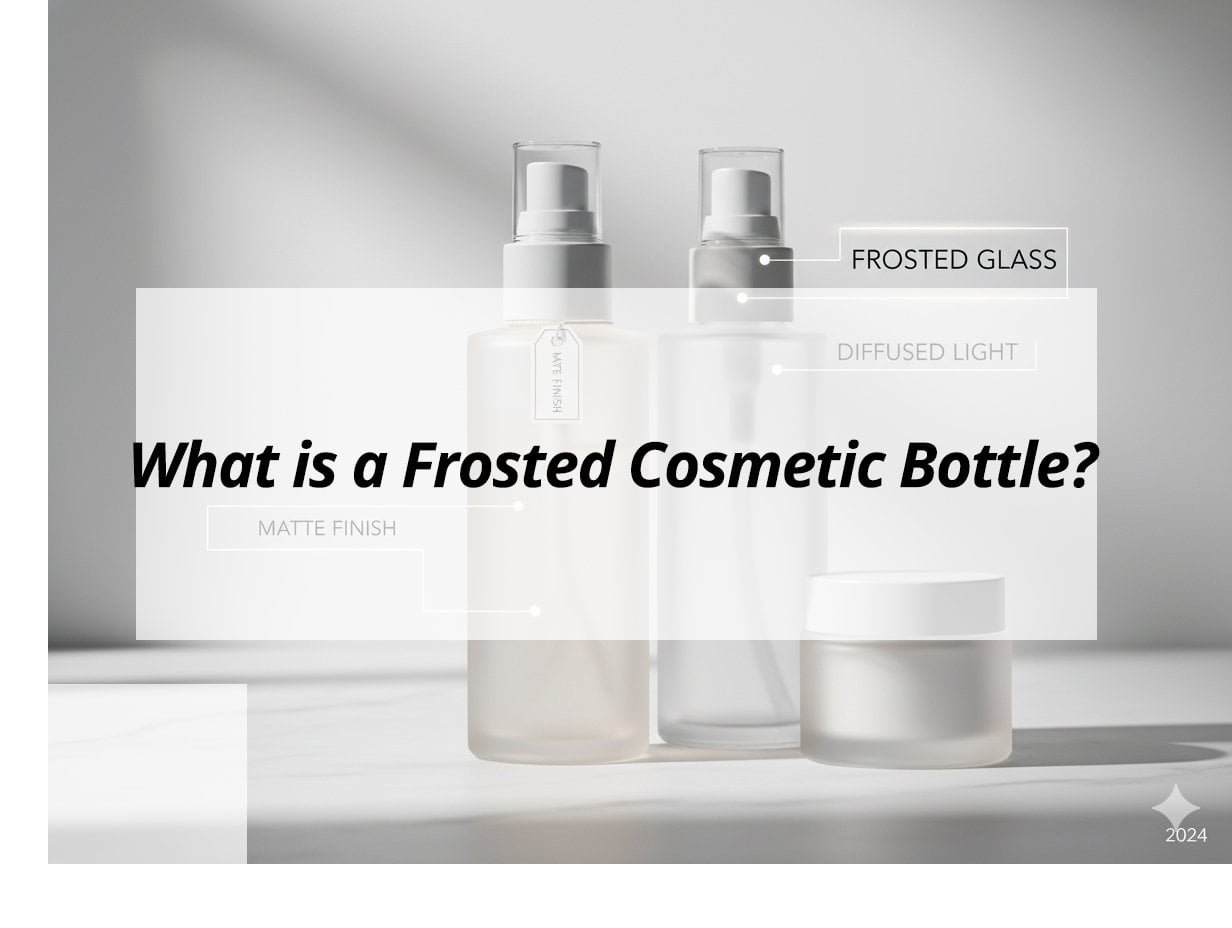
Frosted cosmetic bottles are gaining popularity for their elegant and sophisticated appearance in the beauty industry. But what exactly defines a frosted cosmetic bottle?
Frosted cosmetic bottles lend a sophisticated look by scattering light and minimizing glare. This enhances product presentation while offering superior UV protection, crucial for maintaining the integrity and effectiveness of the cosmetic formulas within.
As you explore cosmetic packaging options, understanding frosted bottles will help you make informed decisions about enhancing your product's presentation while ensuring effective preservation.
What is the difference between frosted and clear bottles?
Frosted and clear bottles each possess unique characteristics. Is there more beyond just appearance?
Frosted bottles feature a matte finish that scatters light, offering a sophisticated look and added UV protection, while clear bottles provide transparency for visually engaging product display.
Dive deeper into how these differences impact your product:
Aesthetic and Functional Differences
Frosted Bottles:
- Light Diffusion: Creates a soft, elegant glow.
- UV Protection: Helps protect sensitive ingredients.
- Product Perception: Often associated with luxury.
Clear Bottles:
- Transparency: Allows customers to see the product.
- Versatility: Easily fits various branding styles.
- Direct Exposure: Needs careful storage to avoid degradation.
Understanding these differences ensures you can align packaging with your brand's identity and the needs of your target audience. Whether you seek luxury or practicality, selecting the right type is crucial.
What are the disadvantages of frosted glass?
While frosted glass brings elegance to packaging, it may have downsides. What should you consider?
Frosted glass can be more delicate and prone to surface damage. It may also be less recyclable due to potential coatings, impacting environmental considerations.
Dive deeper into potential drawbacks:
Key Considerations
- Fragility: Frosted glass can break easily, requiring careful handling.
- Surface Vulnerability1: Prone to scratches which can affect appearance.
- Recycling Challenges2: Coatings may hinder recycling processes.
- Cost Implications: Generally more expensive due to additional processing.
These factors should inform your decision-making, particularly if your brand emphasizes sustainability and durability. Weigh the benefits against these potential drawbacks to make the best choice for your products.
Is frosted glass expensive?
Budgeting is essential in product design. How does frosted glass fit into financial planning?
Frosted glass tends to be more costly than clear glass due to additional processing required to achieve the matte finish and potential coatings for extra effects.
Dive deeper into cost considerations:
Factors Impacting Cost
- Processing Methods: Techniques like acid etching or sandblasting add to expenses.
- Customization Needs: Unique designs or color tints can increase costs further.
- Bulk Purchasing: While initial costs are higher, bulk orders may offer savings.
Understanding these elements can assist in strategizing your packaging expenses. Balancing aesthetic appeal with budget constraints will help maintain profitability while providing attractive packaging.
How to make a bottle frosty?
Creating frosted bottles involves specific techniques. What options are there?
Frosted bottles are typically achieved through methods like sandblasting, acid etching, or applying frosted coatings, each offering different textures and finishes.
Dive deeper into methods:
Frosting Techniques
Sandblasting
- Process: Blasts sand at high speed to roughen the surface.
- Texture: Provides a uniform frosted appearance.
- Durability: Often more resistant to wear.
Acid Etching
- Process: Uses acid to create a matte finish.
- Texture: Smooth and consistent.
- Precision: Allows for detailed designs.
Frosted Coatings
- Process: Applies a frosted layer or spray.
- Flexibility: Offers varied effects and can be temporary or permanent.
- Cost: Usually less expensive than physical alterations.
Choosing the right technique depends on your design goals and budget. Experimenting with different methods can yield unique results that align with your brand's vision and product appeal.
My insights: Understanding Frosted Cosmetic Bottles in Skincare Packaging
Curious about elegant packaging options? Discover how frosted cosmetic bottles add luxury and functionality to skincare products.
Frosted cosmetic bottles feature a matte finish achieved through acid etching or sandblasting, offering a luxurious appearance and UV protection. These bottles are ideal for high-end skincare products, enhancing grip and reducing fingerprint visibility.
The Benefits and Applications of Frosted Cosmetic Bottles
1. Production Methods:
- Acid Etching and Sandblasting: Create a matte surface that diffuses light, achieving the frosted look without flaking.
- Spray Coatings: Offer additional aesthetic and tactile benefits, though less durable than chemical treatments.
2. Key Benefits:
- UV Protection3: Shields light-sensitive ingredients, preserving product integrity.
- Luxury Appearance4: Soft, elegant finish conveys high-end branding and enhances perceived value.
3. Versatility and Usage:
| Aspect | Features | Benefits |
|---|---|---|
| Fingerprint Resistance | Matte finish reduces visibility of smudges | Keeps bottles looking clean and sleek |
| Dispensing Options | Pairs with pumps and droppers | Supports diverse product applications |
- Product Types: Used for serums, essential oils, toners, and fragrances.
- Size Range: Available from 0.5 oz to 8 oz, accommodating various product needs.
Frosted cosmetic bottles offer both aesthetic and functional advantages, making them a popular choice for brands looking to elevate their packaging design.
Conclusion
Frosted cosmetic bottles offer aesthetic appeal and added protection. Understanding their benefits and limitations will guide you in selecting the right packaging for your products.
-
Understand how surface vulnerability can impact the appearance and durability of frosted glass products. ↩
-
Find out how coatings on frosted glass can complicate recycling efforts and what alternatives exist. ↩
-
Discover the importance of UV protection in preserving sensitive ingredients and extending shelf life. ↩
-
Explore how a luxury appearance can elevate brand perception and attract high-end consumers. ↩
-
Find out how frosted bottles are used across different product types, from serums to fragrances. ↩