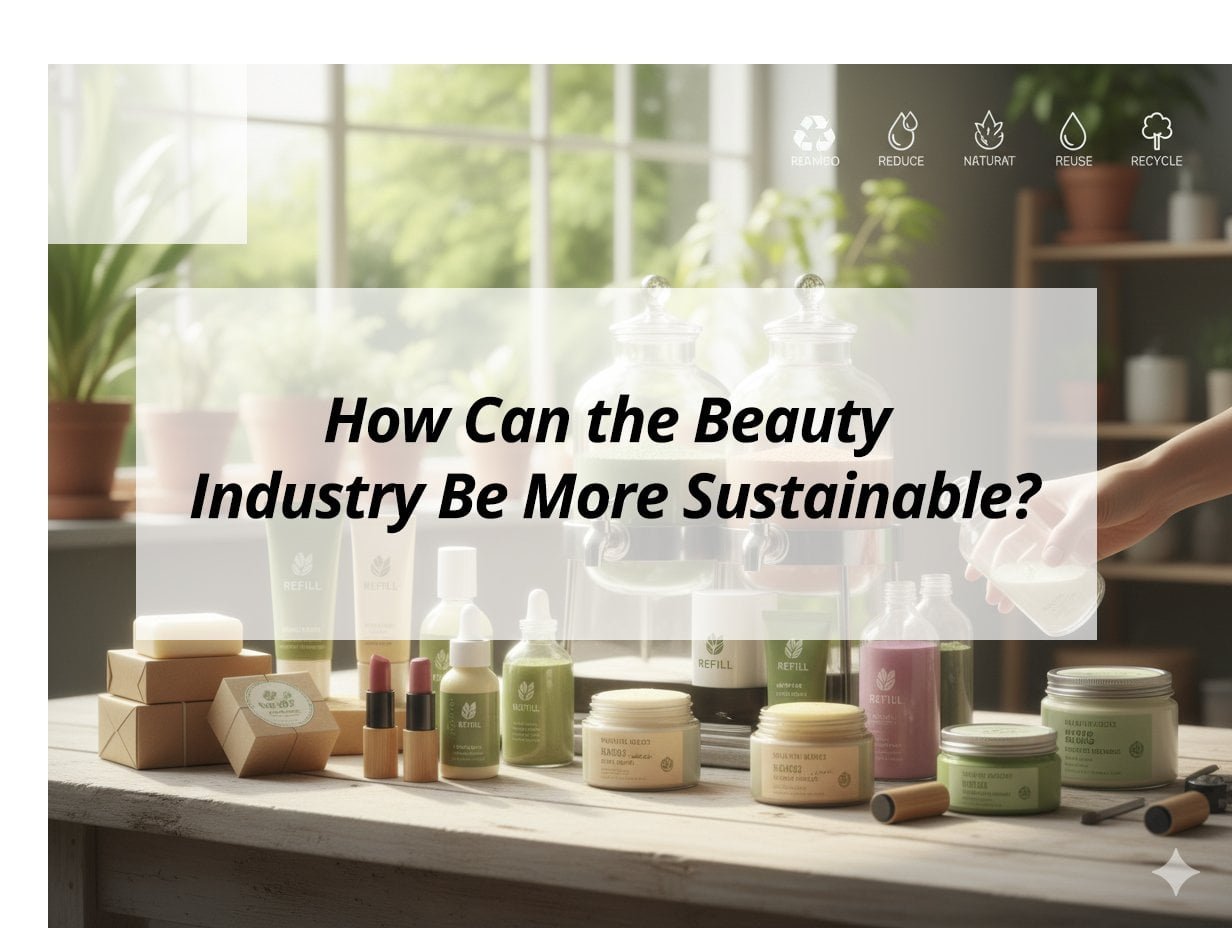
Is your beauty brand seeking clearer paths toward environmental responsibility? Many industry players struggle with the complexities of sustainability. This guide offers actionable strategies for a greener beauty sector.
Sustainability in the beauty industry involves practices that minimize environmental harm and ensure social equity throughout a product's lifecycle. It means adopting eco-friendly ingredients, utilizing recyclable or refillable packaging, and reducing carbon emissions in manufacturing and supply chains. This comprehensive approach helps meet growing consumer demand for ethically produced beauty items.
The push for a more sustainable beauty industry is critical. This article provides a comprehensive look at the challenges and solutions available.
How to Be Sustainable in the Beauty Industry?
Does your beauty brand want to truly integrate sustainable practices? Many companies find it challenging to know where to start. Effective sustainability requires a multi-faceted approach.
Achieving sustainability in the beauty industry requires a holistic strategy, encompassing eco-friendly ingredient sourcing, the development of recyclable or refillable packaging, and a reduced carbon footprint in manufacturing. Furthermore, focusing on ethical supply chains and clear communication with consumers builds trust and promotes responsible consumption, driving industry-wide progress.
Implementing sustainable practices often involves re-evaluating core operations. It starts with informed decisions at every stage of product development and distribution.
Packaging Solutions
Packaging is a primary area for sustainability improvements. Traditional packaging often contributes significantly to waste.
- Recyclable Materials: Utilizing materials such as glass, aluminum, or specific plastics (e.g., PET) that can be reprocessed into new products. Glass jars for creams or aluminum containers are common examples.
- Refillable Systems: Designing packaging that allows consumers to purchase product refills. This significantly reduces the demand for new primary packaging. This approach is seen in various products, from lipstick cases to lotion bottles.
- Biodegradable Options: Exploring materials designed to decompose naturally in specific environments. While still evolving, these options hold promise for reducing long-term waste.
- Post-Consumer Recycled (PCR) Content: Incorporating plastics or other materials made from previously recycled consumer waste. This diverts waste from landfills and reduces the need for virgin materials.
| Packaging Type | Advantages | Considerations |
|---|---|---|
| Glass | Highly recyclable, premium aesthetic | Weight, fragility, higher shipping costs |
| Aluminum | Recyclable, lightweight, protective | Susceptible to dents, specific recycling |
| PCR Plastic | Reduces virgin plastic use, lighter | Limited recycling cycles, perception |
| Refillable System | Waste reduction, customer loyalty | Initial design complexity, consumer adoption |
Ingredient Sourcing
The selection and origin of ingredients are crucial for sustainable beauty.
- Natural and Organic Ingredients: Prioritizing plant-derived ingredients cultivated without synthetic pesticides or fertilizers. This supports ecological health.
- Ethical Sourcing: Ensuring that ingredients are obtained through fair labor practices and without exploitation. This includes fair wages and safe working conditions for all involved.
- Biodegradability of Ingredients: Selecting ingredients that break down safely and quickly in aquatic environments. This minimizes water pollution upon disposal.
- Reduced Water Footprint: Opting for ingredients that require less water for cultivation and processing. This helps conserve precious water resources.
Manufacturing Processes
Production methods greatly influence environmental impact.
- Energy Efficiency: Implementing energy-saving technologies and investing in renewable energy sources for manufacturing facilities. Reducing overall energy consumption is a key goal.
- Waste Minimization: Establishing systems to reduce waste generation during production. This includes recycling manufacturing byproducts and optimizing material usage.
- Water Conservation: Installing technologies that reduce water use in factories. Reusing and purifying water for various processes can significantly lower consumption.
- Supply Chain Optimization: Streamlining logistics and transportation routes to minimize fuel consumption and associated carbon emissions. Prioritizing local suppliers where feasible also contributes to this goal.
What Are the 5 C's of Sustainability?
Are you seeking a comprehensive framework to guide your brand's sustainability initiatives? The concept of sustainability can sometimes feel broad. The 5 C's provide a structured approach.
The 5 C's of sustainability—Customers, Colleagues, Community, Company, and Country—offer a holistic framework for integrating eco-friendly and ethical practices into business operations. This model ensures that businesses consider all stakeholders and their broader environmental and social impacts. It promotes a strategic shift towards balancing profitability with responsibility to people and the planet.
Understanding these five pillars can significantly enhance a company's ability to develop and execute effective sustainability strategies.
Customers: Addressing Consumer Demands
Modern consumers are increasingly influential in driving sustainability.
- Transparency: Brands must openly communicate about ingredients, sourcing, and packaging. Clear and honest information builds consumer trust.
- Education: Informing consumers about sustainable product attributes and proper disposal methods empowers them to make responsible choices.
- Product Performance: Sustainable products must still deliver on their efficacy and quality promises. Performance remains a key consumer expectation.
- Accessibility: Making sustainable options available and competitively priced broadens their adoption among a wider consumer base.
Colleagues: Empowering the Workforce
Employees are vital in operationalizing sustainability goals.
- Training: Providing comprehensive education on sustainable practices and corporate objectives. This ensures staff alignment and engagement.
- Engagement: Actively involving employees in sustainability initiatives. Encouraging their input often leads to innovative solutions for environmental challenges.
- Well-being: Upholding ethical labor standards, ensuring fair compensation, and providing a safe working environment. These are fundamental aspects of social sustainability.
- Recognition: Acknowledging and celebrating achievements in sustainability. This fosters motivation and a culture of continuous improvement.
Community: Local and Global Contributions
Businesses impact communities at both local and international levels.
- Local Sourcing: Prioritizing suppliers within the local region where possible. This supports local economies and helps reduce transportation-related emissions.
- Community Support: Engaging in local environmental or social initiatives, such as sponsorship of clean-up projects or educational programs.
- Ethical Supply Chain: Ensuring fair labor conditions and responsible environmental practices across the entire global supply chain. This is crucial for international operations.
- Resource Sharing: Collaborating with local businesses and organizations to share knowledge and resources on best sustainability practices.
Company: Internal Operations and Governance
Sustainability begins with internal corporate policies and practices.
- Policy Development: Establishing clear, measurable sustainability policies. These should cover areas from energy consumption to waste management.
- Goal Setting: Defining specific, quantifiable targets for reducing environmental footprint. Regular monitoring and reporting of progress are essential.
- Innovation: Investing in research and development to create more sustainable products, processes, and business models. Continuous improvement is key.
- Compliance: Adhering to and exceeding relevant environmental regulations and industry standards. This demonstrates a strong commitment to responsibility.
Country: Regulatory and Environmental Context
Businesses operate within national and global regulatory frameworks.
- Regulatory Adherence: Understanding and complying with all environmental laws and regulations in the operating country and export markets.
- Advocacy: Supporting public policies that promote sustainability within the industry. Engaging with industry associations to drive collective change.
- Resource Management: Acting as a steward of natural resources within the region of operation. Protecting local ecosystems and biodiversity.
- Global Impact: Considering the broader environmental effects of sourcing and distribution across international borders.
What Are the Environmental Issues the Beauty Industry is Currently Facing?
Are you aware of the pressing environmental challenges confronting the beauty industry? The journey of a beauty product, from its raw materials to its end-of-life, carries significant ecological impacts.
The beauty industry is grappling with substantial environmental issues, including the generation of vast amounts of plastic waste from packaging, widespread water pollution from certain ingredients, and considerable carbon emissions throughout manufacturing and distribution. Additional concerns include deforestation for raw material acquisition and the pervasive problem of microplastic contamination, necessitating comprehensive industry-wide solutions.
These environmental concerns are systemic and require thorough attention across the entire value chain. Addressing these issues is fundamental for the industry's future viability.
Plastic Packaging Waste
Plastic packaging remains a major environmental concern within the beauty sector.
- Landfill Accumulation: A significant portion of beauty packaging, primarily plastic, ends up in landfills. These materials can persist for hundreds of years.
- Ocean Pollution: Plastic waste frequently enters marine environments, causing severe harm to aquatic ecosystems and wildlife.
- Microplastic Contamination: Larger plastic items degrade into tiny microplastic particles. These microplastics permeate the environment and can enter the food chain, with potential long-term health implications.
- Recycling Infrastructure Gaps: Many types of beauty packaging are difficult to recycle due to their size, material composition, or presence of mixed materials.
| Issue | Description | Environmental Impact | Mitigation Strategies |
|---|---|---|---|
| Landfill Build-up | Non-biodegradable packaging disposal. | Overloads waste management systems. | Increased use of PCR, refillable designs. |
| Marine Contamination | Plastic waste entering oceans. | Threatens marine life, disrupts ecosystems. | Biodegradable options, enhanced recycling. |
| Microplastic Spread | Tiny plastic fragments in ecosystems. | Enters food chain, unknown health risks. | Formulations free of microplastic beads. |
Water Consumption and Pollution
Water is a critical resource heavily utilized and potentially polluted by the beauty industry.
- High Water Usage: Cosmetic production requires substantial amounts of water, from cultivating plant-based ingredients to manufacturing processes.
- Water Pollution: Chemical byproducts from manufacturing, along with certain ingredients, can contaminate freshwater sources if not properly treated.
- Agricultural Runoff: Pesticides and fertilizers used in growing natural ingredients can leach into rivers and lakes, causing eutrophication and harming aquatic life.
- "Rinse-off" Product Impact: Ingredients from products like shampoos and conditioners, if non-biodegradable, enter wastewater systems and contribute to water pollution.
Carbon Emissions
The entire lifecycle of beauty products contributes to greenhouse gas emissions.
- Manufacturing Energy: Production facilities often rely on fossil fuels for energy, releasing significant greenhouse gases into the atmosphere.
- Transportation Logistics: The global shipping of raw materials and finished products generates substantial carbon emissions.
- Raw Material Extraction: The extraction and processing of ingredients, particularly petroleum-derived ones, are energy-intensive processes.
- Waste Disposal Emissions: Incineration of plastic waste releases carbon dioxide and other pollutants, exacerbating climate change.
Deforestation and Biodiversity Loss
Sourcing certain natural ingredients can lead to environmental degradation.
- Unsustainable Palm Oil: The demand for palm oil, a common cosmetic ingredient, is a major driver of deforestation, particularly in tropical rainforests, threatening biodiversity.
- Ingredient Over-harvesting: Over-extraction of specific natural ingredients can deplete plant populations and disrupt local ecosystems.
- Habitat Destruction: Clearing land for agricultural purposes, including for beauty ingredients, destroys natural habitats, leading to a loss of species.
- Soil Degradation: Poor farming practices associated with ingredient cultivation can lead to soil erosion and nutrient depletion, reducing agricultural productivity and ecosystem health.
How is Gen Z Changing the Beauty Industry?
Are you examining the significant influence of younger consumers on the beauty market? Generation Z, roughly individuals born between 1997 and 2012, is a powerful demographic reshaping industry standards.
Generation Z is fundamentally transforming the beauty industry by demanding higher standards for sustainability, transparency, and ethical conduct. Their purchasing decisions prioritize eco-friendly packaging1, clear ingredient information, and authentic brand values. This generation actively leverages social media to research and champion brands aligned with their principles, compelling the industry to adopt more responsible and inclusive practices.
The preferences and values of Gen Z are crucial indicators of future market trends, pushing brands to adapt and innovate.
Demand for Transparency
Gen Z consumers expect complete openness from beauty brands.
- Ingredient Scrutiny: This generation meticulously examines product labels, seeking clean and natural formulations and actively avoiding potentially harmful chemicals.
- Sourcing Ethics: They want detailed information on the origin of ingredients, ensuring ethical labor practices and minimal environmental impact in the supply chain.
- Brand Values Alignment: Gen Z researches a brand's mission and ethos, choosing to support companies whose values resonate with their own.
- Authenticity: They are adept at identifying superficial "greenwashing." Brands must demonstrate genuine commitment to sustainability rather than just making claims.
Focus on Sustainability
Sustainability is a deeply ingrained value for Gen Z consumers, not merely a passing trend.
- Eco-Friendly Packaging: They strongly prefer packaging that is easily recyclable, designed for refills, or made from biodegradable materials. Single-use plastics are largely avoided.
- Cruelty-Free Products: Animal testing is a significant ethical concern, leading them to favor brands certified as cruelty-free.
- Vegan Formulations: Many Gen Z individuals opt for beauty products formulated without any animal-derived ingredients.
- Carbon Footprint Consideration: They consider the environmental impact of product manufacturing and distribution, favoring brands actively working to reduce their carbon emissions.
| Gen Z Priority | Industry Impact | Example Brand Adaptations |
|---|---|---|
| Sustainable Packaging | Drives innovation in recyclable, refillable, and PCR materials. | Brands offering refill pods for makeup, glass skincare jars. |
| Clean Ingredients | Forces reformulation to remove controversial chemicals. | Rise of "clean beauty" brands, simplified ingredient lists. |
| Ethical Sourcing | Requires transparent supply chains, fair labor practices. | Detailed sourcing maps, fair trade certifications showcased. |
| Digital Engagement | Mandates active, authentic presence on social media. | Interactive social media campaigns, influencer collaborations. |
Digital Native Behavior
Having grown up with the internet, Gen Z's shopping and research habits are heavily digital.
- Social Media Research: Platforms like TikTok, Instagram, and YouTube are primary sources for product discovery, reviews, and beauty trends.
- Online Purchasing: They are highly comfortable with e-commerce, making a robust online presence essential for beauty brands.
- User-Generated Content: Gen Z actively creates and shares content related to beauty. Brands can leverage this for organic, authentic marketing.
- Brand Communication: They expect prompt and authentic engagement from brands online, including quick responses to comments and questions.
Inclusivity and Diversity
Diversity and representation are highly valued by Gen Z.
- Diverse Marketing: They seek authentic representation in advertising, encompassing a wide range of skin tones, body types, genders, and backgrounds.
- Extensive Product Ranges: They expect broad shade ranges for foundation, concealer, and other color cosmetics, ensuring that all skin tones are catered to.
- Gender Neutrality: There is growing acceptance and demand for gender-neutral beauty products, challenging traditional gendered marketing.
- Social Justice Alignment: Gen Z supports brands that actively advocate for social justice issues and demonstrate a commitment to positive societal change.
My Insights: Strategies for a More Sustainable Beauty Industry
Curious how the beauty industry can enhance sustainability? By transforming packaging, formulation, and operations, it can significantly reduce environmental impact.
The beauty industry can boost sustainability by adopting biodegradable packaging, refillable systems, and eco-friendly ingredients, reducing resource consumption, and promoting recycling. Engaging consumers and sourcing ethically also play crucial roles in driving change.
Exploring Sustainable Practices in Beauty
Packaging Innovations:
- Circular Design: Move from single-use to refillable systems, reducing CO₂ emissions and waste. Use mono-materials and integrate high levels of PCR content.
- Recyclability: Ensure clear disposal instructions to enhance recycling rates.
Ingredient and Formulation Improvements:
- Eco-Friendly Choices: Replace harmful microplastics with biodegradable alternatives, and prioritize cruelty-free, vegan, and sustainably sourced ingredients.
- Concentrated Products: Develop water-efficient formulations like bars or powders to cut material use and transport emissions.
Operational and Consumer Engagement:
| Strategy | Impact |
|---|---|
| Renewable Energy | Switching to renewables reduces manufacturing emissions |
| Consumer Education | Teach proper disposal and benefits of refills to amplify results |
Aligning with Consumer Demand:
Respond to the 68–80% of consumers seeking sustainable products with verified eco-claims and transparent impact reporting. Educating consumers about sustainable practices ensures better environmental outcomes, complementing regulatory efforts.
By implementing these approaches, the beauty industry can achieve meaningful sustainability, benefiting both the environment and its market position.
Conclusion
The beauty industry faces an imperative to embrace sustainability. By implementing strategic changes in packaging, ingredient sourcing, and manufacturing, while actively responding to the values of Gen Z, the sector can foster a more environmentally responsible and ethically sound future.
-
Discover cutting-edge packaging solutions that minimize waste and appeal to environmentally conscious consumers. ↩