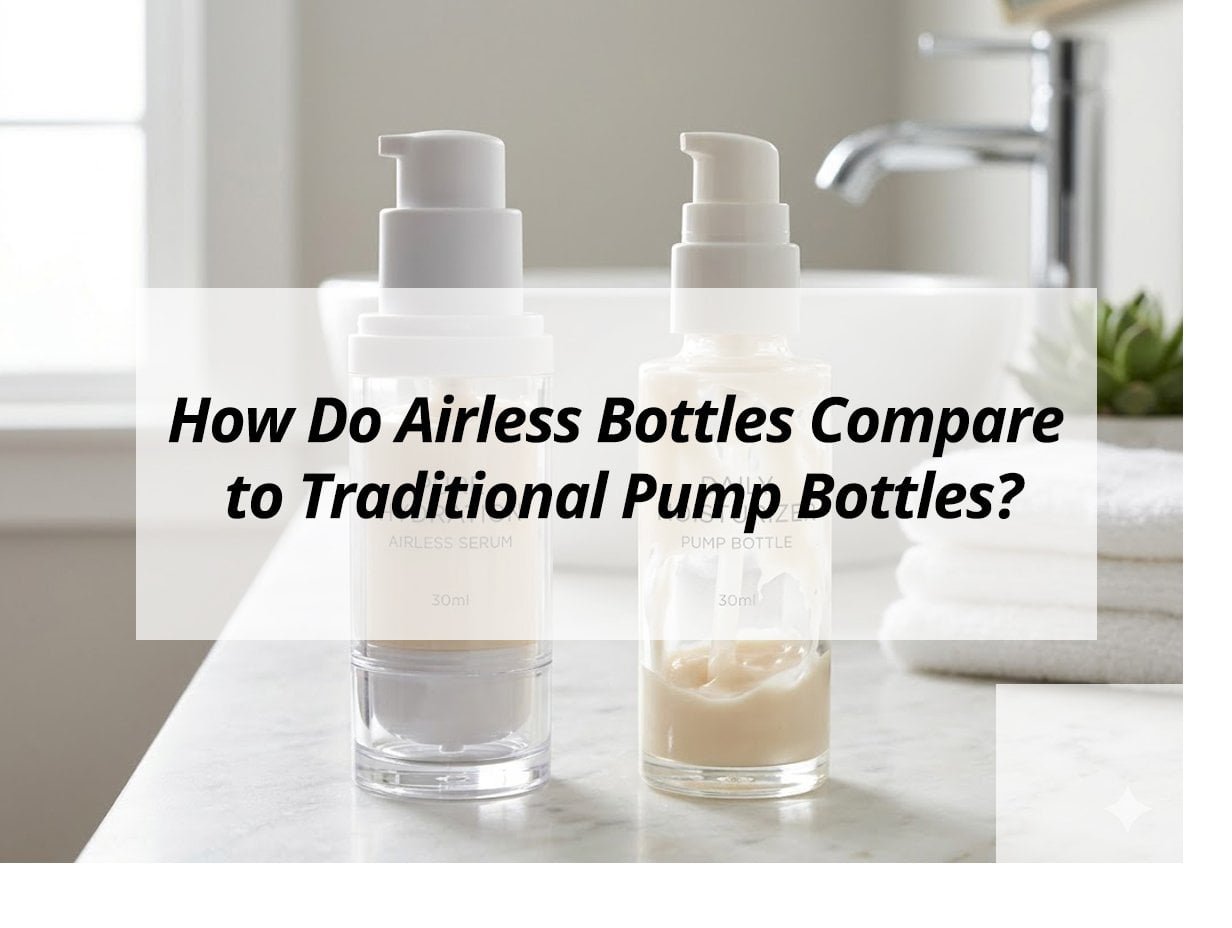
Are you wondering which packaging option is best for your cosmetic products? The choice of container significantly impacts product integrity and consumer experience. Making an informed decision is important for any brand.
Airless pump bottles are gaining popularity in the cosmetic industry. They offer distinct advantages over traditional pump bottles. This is particularly true for sensitive and delicate formulations. They provide advanced protection against air exposure and contamination.
This article will compare airless and traditional pump bottles. It will highlight their operational differences and benefits. This will help you understand which packaging solution might best suit your product needs.
Are Airless Pump Bottles Good?
Are you considering airless pump bottles for your product line? Many in the industry ask about their effectiveness. These bottles offer significant benefits for product preservation and consumer satisfaction.
Airless pump bottles are beneficial because they protect products from atmospheric exposure. They also prevent contamination. This design extends product freshness and efficacy. This is crucial for many skincare and cosmetic items. This system helps maintain product quality.
Airless bottles operate using a vacuum dispensing system. This system lifts the product without drawing air into the container. There is no dip tube. This design minimizes product waste. It allows for nearly complete evacuation of the product. This also reduces exposure to environmental bacteria. The absence of air intake helps maintain the stability and safety of the product formulation.
Key Advantages of Airless Technology
Airless technology provides several important benefits for cosmetic packaging.
- Product Protection:
- Oxidation Prevention: Airless pumps prevent the product from contacting air. This reduces the risk of oxidation. Many active ingredients, such as Vitamin C, degrade rapidly when exposed to oxygen.
- Contamination Shield: The sealed system protects the product from external contaminants. This includes fingers and airborne particles. This is essential for maintaining the purity of sensitive formulations.
- Enhanced Product Efficacy:
- Ingredient Stability: By minimizing air exposure, active ingredients remain stable for longer periods. This ensures the product performs as intended throughout its shelf life.
- Reduced Preservative Needs: The reduced risk of contamination can sometimes allow for lower concentrations of preservatives. This is a desirable feature for natural or organic product lines.
- Superior User Experience:
- Complete Dispensing: Airless bottles use a piston mechanism. This pushes all the product upwards and out. This minimizes product waste.
- Consistent Dosing: Each pump delivers a uniform amount of product. This enables users to apply the correct dosage consistently.
Strategic Benefits for Product Development
Implementing airless technology can offer strategic advantages for product development. Brands can market their products with claims of superior freshness and purity. This appeals to consumers who prioritize ingredient integrity. It also supports formulations with high-value or delicate components. This type of packaging ensures that the consumer experiences the product as intended by the formulator.
Here is a quick overview of how airless technology benefits products:
| Feature | Benefit for Product Integrity | Benefit for Consumer Use |
|---|---|---|
| No Air Exposure | Extends shelf life, prevents oxidation | Product remains fresh, maintains full potency |
| No Dip Tube | Reduces waste, allows multi-angle use | Enables complete product evacuation |
| Consistent Dispensing | Controls product usage, ensures efficacy | Provides reliable and precise application |
| Hygienic System | Prevents contamination, enhances safety | Safer product, potentially fewer preservatives |
These benefits make airless bottles a strong choice for brands focusing on quality and consumer satisfaction.
What is the Difference Between a Pump Bottle and an Airless Pump?
Are you trying to understand the distinctions between standard pump bottles and airless pumps? Many individuals in the industry seek clarity on this. It is important to grasp these differences. The operational mechanism significantly impacts product protection and delivery.
The primary difference lies in their dispensing mechanisms. A traditional pump bottle uses a dip tube extending into the product. When pumped, air is drawn into the bottle to replace the dispensed product. An airless pump bottle does not use a dip tube. Instead, it features a piston at the base. This piston moves upward as the product is dispensed. This pushes the product out without introducing air into the container.
This fundamental difference is key for product stability. A traditional pump constantly exposes the product to air. This can lead to oxidation and degradation. The airless pump maintains a sealed environment. This protects the formulation from atmospheric elements throughout its use. This ensures the product retains its quality and effectiveness from the first application to the last.
How Each Mechanism Works
Understanding the mechanical operation of each type of bottle clarifies their differences.
-
Traditional Pump Bottle:
- Mechanism: Consists of a pump head, an actuator, and a dip tube. The dip tube extends into the product.
- Dispensing: Pressing the pump draws a portion of the product up the dip tube. Concurrently, air is allowed into the container to equalize pressure.
- Air Exposure: The continuous intake of air is a major drawback. This can lead to oxidation of sensitive ingredients and potential contamination.
- Product Residuals: Product at the bottom or sides of the container often remains unreachable by the dip tube. This results in waste.
-
Airless Pump Bottle:
- Mechanism: Features a pump head, an actuator, and a piston located at the base of the container. No dip tube is present.
- Dispensing: Actuating the pump creates a vacuum. This vacuum draws the piston upwards. The product is then pushed out. No air enters the container.
- Air Protection: The product remains isolated from external air. This preserves its freshness and integrity.
- Complete Dispensing: The piston mechanism ensures that almost all the product is expelled. This minimizes waste.
Impact on Product Types
The choice of packaging mechanism has specific implications for different product formulations.
- For Sensitive Formulations:
- Oxidation: Products containing ingredients vulnerable to oxidation, such as certain vitamins or natural extracts, are better suited for airless packaging. Traditional pumps increase exposure to oxygen.
- Preservation: Formulations requiring minimal preservatives benefit from the sealed environment of airless systems. This reduces the risk of microbial growth.
- For Viscous Products:
- Dispensing Efficacy: Airless pumps are often more effective at dispensing thicker creams and lotions. The piston provides consistent pressure for smooth evacuation. Traditional dip tubes can struggle with high-viscosity products.
- Aesthetic and Perceived Value:
- Premium Presentation: Airless bottles frequently convey a more sophisticated and high-quality image. This can enhance a brand's market positioning and appeal.
Here is a comparison:
| Feature | Traditional Pump Bottle | Airless Pump Bottle |
|---|---|---|
| Mechanism | Dip tube | Piston and vacuum |
| Air Exposure | High | None |
| Product Protection | Lower (vulnerable to oxidation/contamination) | High (superior protection) |
| Product Waste | Moderate (residual product) | Very Low (near 100% dispensed) |
| Viscosity Handling | Optimal for lower viscosity liquids | Effective for various viscosities, including thick formulations |
| Hygienic Level | Lower | Higher |
What Are the Benefits of Airless Pump Bottles?
Are you exploring the advantages of airless pump bottles for your product offerings? Many brands seek packaging solutions that maximize product performance. Airless technology provides several clear benefits. These benefits extend to both the product formulation and the end-user experience.
Airless pump bottles offer several key advantages. They provide a barrier against external elements. This includes atmospheric oxygen and environmental contaminants. This results in extended product freshness and maintained efficacy. Furthermore, they facilitate nearly complete product dispensing. This significantly reduces waste.
These benefits stem from the unique design of airless systems. By preventing air re-entry, they protect sensitive ingredients from oxidation. This is crucial for maintaining the integrity of active compounds. The sealed environment also minimizes the risk of microbial contamination. This contributes to a safer product for consumers. Such features enhance product stability. They also boost consumer confidence in the brand's commitment to quality.
Protecting Product Integrity
The core advantage of airless packaging is its protective capability.
- Extended Product Shelf Life:
- Reduced Oxidation Rates: By eliminating air exposure, airless bottles significantly slow down the oxidation process. This means formulations, especially those with natural oils or active botanicals, remain stable and effective for longer.
- Maintained Active Potency: Delicate ingredients, such as retinoids, peptides, and various vitamins, retain their potency. This ensures that consumers receive the full benefits of the product throughout its use.
- Enhanced Hygiene and Safety:
- Prevention of Contamination: The fully sealed system acts as a barrier. It stops external elements like dust, bacteria, and direct finger contact from entering the product. This is vital for maintaining the purity of cosmetic and skincare formulations.
- Potential for Reduced Preservatives: With a lower risk of external contamination, some product formulations can be developed with fewer or milder preservatives. This is an attractive feature for brands targeting consumers with sensitive skin.
Optimizing Product Value and User Experience
Airless packaging also contributes positively to the consumer's interaction with the product.
- Maximized Product Dispensing:
- Minimal Product Waste: The piston mechanism ensures that almost all the product is pushed out of the container. This means consumers can use virtually every drop of expensive serums or creams. This maximizes perceived value.
- Consumer Satisfaction: The ability to fully evacuate the product translates to a higher sense of value for the consumer. This can lead to increased loyalty and repeat purchases.
- Consistent and Controlled Dispensing:
- Reliable Application: Each pump delivers a uniform and precise amount of product. This allows users to accurately control their application. It avoids under- or over-use.
- Improved Efficacy: Consistent dosing supports the intended efficacy of the product. This ensures consumers apply the correct amount for optimal results.
Strategic Implementation of Airless Packaging
Brands can leverage these benefits for strategic market positioning. Promoting the protective and efficient aspects of airless packaging differentiates products. It signals a commitment to quality and innovation. This appeals to discerning buyers who value efficacy and hygiene in their cosmetic purchases.
Here's a summary of the benefits:
| Benefit Category | Specific Advantage | Impact on Product Formulation | Impact on Consumer Perception |
|---|---|---|---|
| Product Integrity | Extended Shelf Life | Stabilizes sensitive ingredients, prevents degradation | Product freshness, consistent performance |
| Enhanced Hygiene | Reduces microbial growth, maintains purity | Safe to use, appeals to health-conscious consumers | |
| Efficiency | Complete Dispensing | Maximizes yield from packaging, minimizes waste | Full value for money, user-friendly |
| Consistent Dosing | Ensures accurate application, optimizes product use | Reliable results, controlled usage | |
| Brand Perception | Premium Presentation | Reinforces high-quality product image | Signifies luxury, reflects brand commitment |
Can Airless Pump Bottles Be Refilled?
Are you considering the refillability of airless pump bottles? This question is common. It reflects growing interest in sustainability and cost-effectiveness. The answer depends on the specific design of the airless bottle.
Most standard airless pump bottles are not designed for easy refilling. Their sealed, vacuum-based system is critical for their function. Opening and reclosing them can compromise this seal. This may reduce the effectiveness of the airless mechanism. It also introduces potential contamination risks.
However, a growing number of airless pump bottles are specifically engineered for refilling. These designs often incorporate removable inner pouches or screw-off components. This allows for product replenishment while striving to maintain the protective benefits. The trend towards refillable packaging is increasing as brands and consumers prioritize environmental responsibility.
Challenges with Refilling Standard Airless Bottles
Attempting to refill a standard airless bottle can lead to several functional issues.
- Compromised Airless Functionality:
- Loss of Vacuum Seal: The airless system relies on an airtight seal to create and maintain a vacuum. Opening the bottle for refilling typically breaks this seal. It can be challenging to restore it perfectly.
- Piston Misalignment: Refilling can disturb the position of the internal piston. If the piston is not correctly reset at the bottom, the pump may fail to build adequate pressure. This impacts dispensing.
- Risk of Contamination:
- Introduction of Microbes: Exposing the interior of a standard airless bottle to the environment during refilling can introduce bacteria, dust, or other contaminants. This undermines the hygienic benefits of the airless design.
- Product Degradation: The protective benefits against air exposure are nullified when the bottle is opened. This can lead to faster degradation of sensitive formulations.
Types of Refillable Airless Options
Manufacturers are developing airless systems specifically designed for reuse.
- Modular Refill Systems:
- Replaceable Inner Cartridges: These designs typically feature an outer casing and a separate, removable inner container or pouch. When empty, the inner part is discarded and replaced with a new, pre-filled cartridge. This method maintains product hygiene and the integrity of the airless mechanism.
- Screw-Off Components: Some airless bottles have a base or top that can be unscrewed. This allows direct access to the product reservoir for refilling. These systems often include instructions for resetting the piston to ensure proper function after refilling.
- Benefits of Designed Refillability:
- Environmental Impact Reduction: Refillable options contribute to less plastic waste. This aligns with sustainability goals and appeals to environmentally conscious consumers.
- Potential Cost Savings: For consumers, purchasing refill cartridges can be more economical than continuously buying entirely new packaged products.
- Enhanced Brand Loyalty: Offering sustainable refill options can strengthen customer relationships and foster brand loyalty.
Considerations for Implementing Refillable Airless Packaging
When evaluating refillable airless solutions for a product line, consider these factors.
- User Experience for Refilling: The refill process must be straightforward and intuitive for the end-user. Complex procedures can deter consumers from adopting refillable options.
- Maintaining Product Hygiene: The design of the refill system must effectively safeguard the product from contamination during the replenishment process. This is paramount for product safety and stability.
- Production and Cost Implications: While beneficial environmentally, the design and manufacturing of truly effective refillable airless packaging can involve higher initial complexities and costs compared to standard single-use options.
The choice between single-use and refillable airless packaging depends on the product's sensitivity, target market sustainability values, and operational feasibility for the brand.
Here's a table to aid decision-making:
| Feature | Standard Airless Bottle (Not for easy refill) | Refillable Airless Bottle (Designed for refill) |
|---|---|---|
| Refillability | Generally not recommended or difficult | Yes, specifically engineered for it |
| Hygiene after Refill | High risk of compromise | Maintained through design (e.g., sealed cartridges) |
| Airless Function | Can be impaired post-refill | Designed to retain function upon correct refilling |
| Environmental Impact | Single-use components (recyclable where facilities exist) | Reduced overall waste with reusable outer components |
| Cost Implications | Lower initial packaging cost | Potentially higher initial design, lower cost for refills |
| User Experience | Simple, no refilling required | Requires user engagement in refilling, offers sustainability benefit |
My Insights: How Do Airless Bottles Compare to Traditional Pump Bottles?
Confused about choosing between airless and traditional pump bottles for your product? Discover the key differences to make an informed decision.
Airless bottles minimize oxidation and contamination, providing precise product dispensing and maintaining freshness. Traditional pumps are cost-effective but may allow air entry, compromising product integrity and leading to waste.
Comparing Airless and Traditional Pump Bottles
Mechanisms and Protection
- Airless Bottles: Use a vacuum piston that prevents air from contacting the product, making them ideal for sensitive formulas.
- Traditional Pumps: Rely on a dip tube, allowing air re-entry after dispensing, which can introduce contaminants.
Efficiency and Hygiene
- Product Utilization: Airless bottles ensure near-total product evacuation, while traditional models often leave 10–20% unused.
- Hygiene: Airless systems prevent backflow, supporting minimal preservative use. Traditional pumps can introduce bacteria over time.
Cost and Versatility
- Cost Consideration: While airless bottles are more expensive, they suit premium, delicate formulations. Traditional pumps are budget-friendly for mass-market products.
- Travel Suitability: Airless designs handle pressure changes well, ideal for travel, unlike traditional pumps which may leak.
| Feature | Airless Bottles | Traditional Pump Bottles |
|---|---|---|
| Air Exposure | None, zero oxidation | Air re-enters, risks contamination |
| Product Waste | 95-100% used | 10-20% often remains unused |
| Cost | Higher cost, complex | Lower cost, simple mechanism |
Airless bottles are perfect for high-end, sensitive products, while traditional pumps fit everyday, cost-effective needs.
Conclusion
The selection between airless and traditional pump bottles is a strategic packaging decision. Airless bottles offer superior protection against air and contamination, thereby extending product shelf life. They also ensure near-complete product evacuation, maximizing value. Understanding these critical differences helps brands choose the most suitable cosmetic packaging solution.