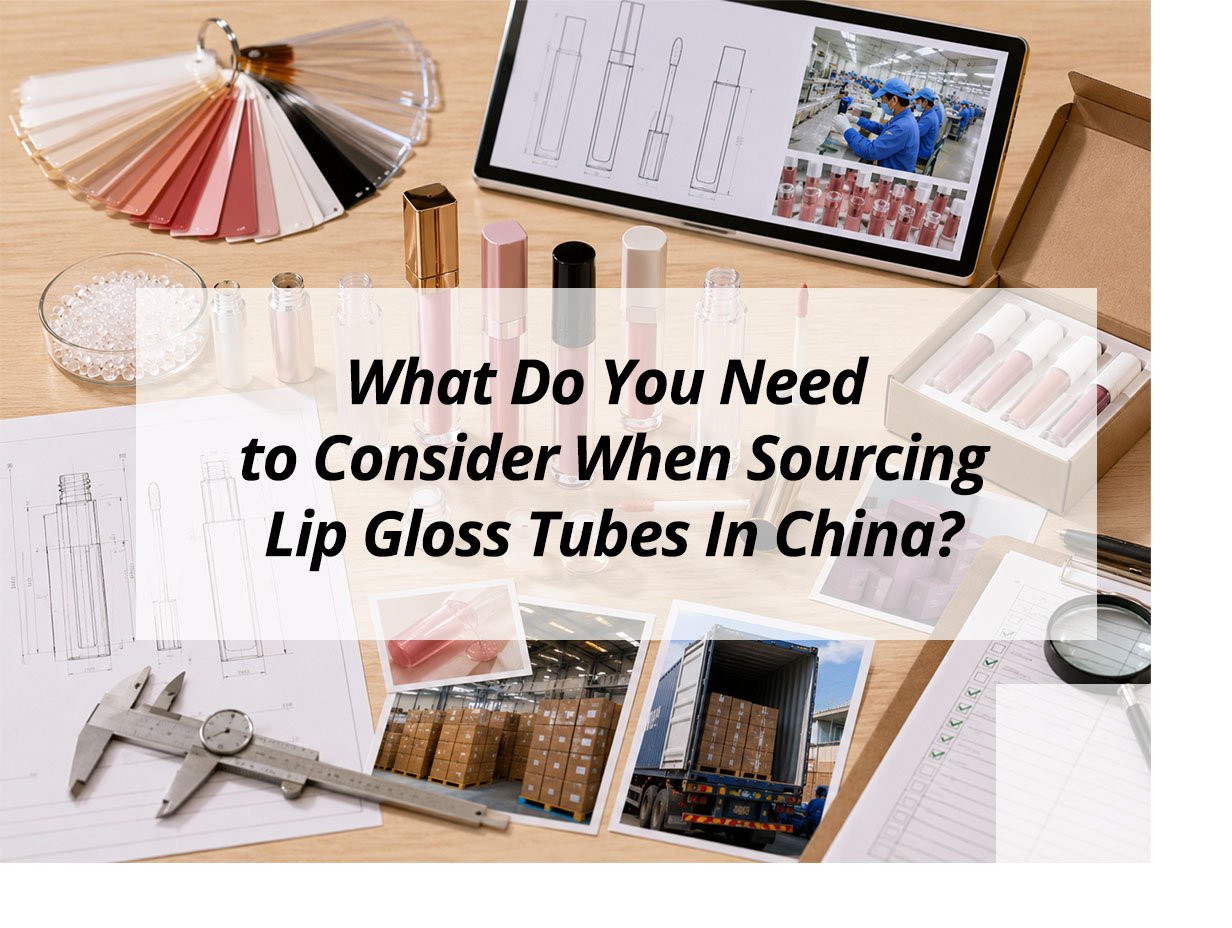
Sourcing lip gloss tubes from China involves several important considerations. Buyers often face challenges related to product specifications and supplier reliability. Understanding key factors can help ensure a successful procurement process.
When sourcing lip gloss tubes in China, it is essential to evaluate material choice, formula compatibility, and sealing performance. Other critical areas include customization options, minimum order quantities (MOQ), and lead times. Furthermore, assessing quality, compliance, packaging details, and supplier communication is vital for informed decision-making.
A comprehensive approach to sourcing helps mitigate risks and ensures the selection of suitable products. This article will break down each critical aspect. It will help buyers understand how to navigate the sourcing landscape effectively.
What should you check when sourcing lip gloss tubes from China?
Selecting the right lip gloss tubes requires careful examination beyond initial cost. A thorough evaluation of product features and supplier capabilities is necessary. This prevents potential issues during production and market launch.
To successfully source lip gloss tubes from China, buyers must check several key areas. These include material selection, compatibility with specific formulas, and the effectiveness of sealing mechanisms. Additionally, understanding customization possibilities, order logistics, and quality assurance protocols is crucial.
Detailed attention to these factors helps secure high-quality packaging. It also ensures the packaging meets specific product requirements. The following sections provide an in-depth look at each consideration.
What about material choice?
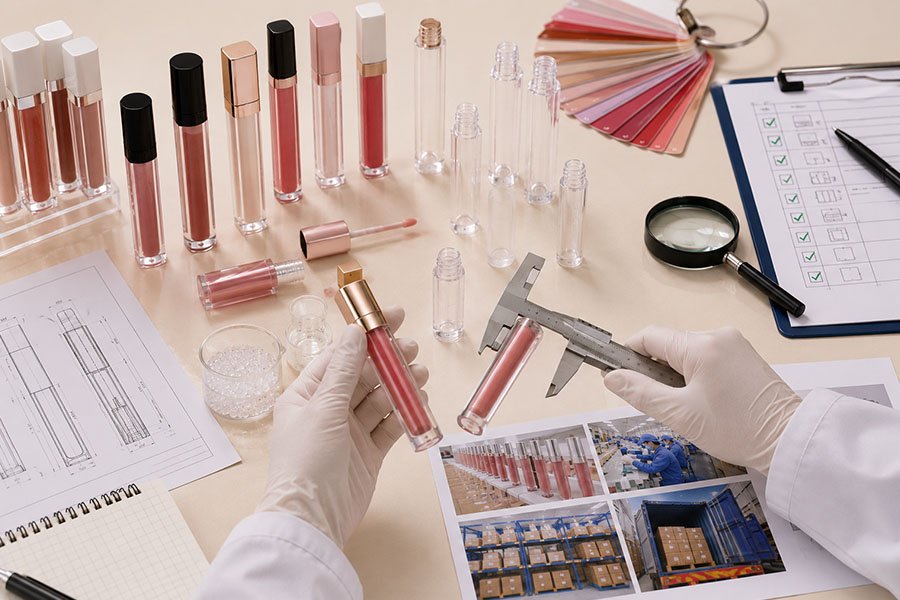
Choosing the correct material for lip gloss tubes is fundamental. The selected material impacts production cost, aesthetic appeal, durability, and environmental footprint. Buyers should consider these aspects in relation to their brand identity and product positioning.
Various material options are available, each with distinct advantages and disadvantages. These differences influence the tube's performance and appearance. Buyers need to align material properties with their product's specific needs.
Common Material Options and Their Features:
| Material Type | Pros | Cons | Ideal For |
|---|---|---|---|
| PET | Lightweight, clear, good barrier properties, recyclable | Lower chemical resistance than PP, susceptible to scratching | Standard lip gloss, transparent formulas |
| PP | Good chemical resistance, durable, flexible | Can be less transparent than PET, more challenging for certain decorations | Formulas with strong solvents, opaque tubes |
| ABS | Strong, rigid, suitable for complex designs, good for metallization | Higher cost, heavier, less flexible | Premium packaging, intricate shapes |
| Glass | High-end tactile feel, luxurious appearance, excellent chemical resistance | Fragile, heavy, higher cost | Luxury lip gloss, high-value serums |
| Biodegradable Materials | Environmentally friendly, reduces ecological impact | Newer technology, potentially higher cost, fewer design options | Eco-conscious brands, sustainable product lines |
Buyers should review material data sheets provided by suppliers. These documents outline the material's physical and chemical properties, including resistance to various substances. Different lip gloss ingredients can interact uniquely with packaging materials. For instance, highly acidic or alkaline formulas may degrade certain plastics over time, affecting product integrity and appearance.
What about formula compatibility?
Testing the tube, wand, stopper, and cap with the exact lip gloss formula is a critical step. This ensures there are no adverse reactions such as leaking, swelling, separation, or contamination. This proactive testing helps prevent product failure after manufacturing.
Incompatible packaging materials can compromise the lip gloss formula. This may lead to product degradation, leakage, or changes in texture and color. Such issues can result in significant product loss and damage to brand reputation.
Key Areas for Formula Compatibility Testing:
- Leakage Assessment: Determine if the formula seeps through any part of the packaging.
- Material Swelling: Observe if the tube material expands or deforms due to chemical interaction.
- Formula Separation: Check for any separation of ingredients within the lip gloss formula inside the tube.
- Contamination Check: Verify that the packaging material does not introduce impurities into the formula.
- Color Stability: Monitor if the tube or formula changes color over time.
- Viscosity Changes: Assess if the formula's thickness or thinness alters due to packaging interaction.
Suppliers should be provided with the specific lip gloss formula for initial compatibility checks. Obtaining samples for in-house testing under various conditions is also recommended. This ensures the packaging maintains its integrity and the product's quality over its shelf life.
What about sealing performance?
Requesting comprehensive sealing performance tests is essential before mass production. These tests should include leak, drop, heat, and transport simulations. This is especially important for products shipped to regions with extreme climates. Effective sealing prevents product loss and maintains hygiene.
Poor sealing performance can lead to product leakage. This results in damaged goods, customer dissatisfaction, and potential returns. Such issues can negatively impact brand image and incur additional costs for remediation.
Essential Sealing Performance Tests:
- Leak Test: Evaluates the packaging's ability to contain the product under pressure and temperature variations.
- Drop Test: Simulates accidental drops to assess the tube's structural integrity and seal effectiveness upon impact.
- Heat Test: Exposes tubes to elevated temperatures to check for material deformation or seal compromise.
- Transport Test: Mimics shipping conditions, including vibrations and temperature fluctuations, to gauge product stability.
- Vacuum Test: Assesses the airtightness of the seal by applying a vacuum, identifying any potential weaknesses.
Buyers should request detailed reports or visual evidence of these tests from their supplier. The design of the stopper and its fit with the applicator wand are critical to preventing leaks. A well-engineered seal ensures product safety and customer satisfaction.
What about customization options?
Confirming a supplier's customization capabilities is vital for brand differentiation. This includes specific requirements for color, finish, printing, shape, and applicator type. Customization methods like silkscreen, hot stamping, or UV printing can significantly enhance product appeal.
A lack of customization can result in generic packaging, making it difficult for a product to stand out in a competitive market. Unique packaging elements contribute to brand recognition and consumer perception.
Popular Customization Techniques:
| Customization Method | Description | Best For |
|---|---|---|
| Silkscreen Printing | Applies ink directly using a mesh screen. | Bold graphics, simple text, opaque designs. |
| Hot Stamping | Transfers metallic or colored foil with heat and pressure. | Premium appearance, metallic accents, fine details. |
| UV Printing | Uses ultraviolet light to cure ink instantly on the surface. | High-resolution images, full-color designs, durable finish. |
| Offset Printing | Transfers an inked image from a plate to a rubber blanket, then to the tube. | Complex artwork, gradients, large production runs. |
| Injection Molding Colors | Pigment is blended into the raw material before molding. | Consistent base colors, cost-effective for high volumes. |
| Metallization/UV Coating | Applies a metallic or glossy protective layer. | Luxurious finish, reflective surfaces, enhanced durability. |
Clear communication of design specifications, including Pantone codes and artwork files, is essential. Requesting physical samples of customized tubes before bulk production verifies that the final product meets design expectations. Buyers should also inquire about any additional costs or lead times associated with complex customization.
What about MOQ and lead time?
Minimum Order Quantity (MOQ) and lead time must align with a buyer's launch schedule and financial plan. High MOQs can tie up capital, while extended lead times can delay market entry and impact sales seasons.
Mismatching MOQs and lead times with business needs can create inventory management challenges. It can also lead to missed market opportunities or increased holding costs. Strategic planning in this area is crucial.
Factors Affecting MOQ and Lead Time:
- Level of Customization: Intricate or unique designs often require higher MOQs and longer production times.
- Material Availability: Special materials might have higher MOQs imposed by raw material suppliers.
- Production Capacity: Larger factories may have higher MOQs but can often manage larger orders efficiently.
- Order Volume: Smaller orders can sometimes incur higher unit costs due to fixed setup expenses.
- Supplier's Production Schedule: Peak seasons can significantly extend standard lead times.
Buyers should negotiate MOQs where possible, especially for initial orders. Clearly communicating launch dates helps suppliers schedule production accordingly. It is important to factor in all stages of the process, including production, quality control, and shipping, when calculating the total lead time.
What about quality and compliance?
Adherence to quality and compliance standards is mandatory. Buyers must inquire about certifications such as ISO, SGS, and FDA-related claims. Requesting all necessary cosmetic packaging safety documentation for target markets is also critical. Non-compliance can lead to legal issues and product recalls.
Failure to meet regulatory standards can result in customs delays, product rejections, or fines. Moreover, substandard quality can compromise product safety and damage consumer trust.
Key Certifications and Compliance Needs:
| Certification/Compliance | Description | Importance |
|---|---|---|
| ISO 9001 | International standard for quality management systems. | Ensures consistent product quality and operational efficiency. |
| SGS/Intertek Reports | Third-party testing services for material safety and performance. | Validates material composition, heavy metal content, and other safety parameters. |
| FDA (for US market) | U.S. Food and Drug Administration guidelines for cosmetic packaging. | Essential for legal distribution and sale of cosmetics in the United States. |
| EU Regulations (e.g., REACH) | European Union chemical regulations. | Mandatory for placing cosmetic products on the EU market. |
| GMP (Good Manufacturing Practice) | Guidelines for manufacturing, testing, and quality assurance. | Ensures products are produced and controlled according to quality standards. |
| Material Safety Data Sheets (MSDS) | Provides comprehensive information on a substance's properties and potential hazards. | Important for handling, storage, and safety assessments of materials. |
Buyers should request current and verifiable certificates. Reviewing factory audit reports provides insight into a supplier's adherence to good manufacturing practices and quality control procedures. Understanding the supplier's internal QC process, including inspection points and defect handling, is also important.
What about packaging details?
Careful consideration of packaging details significantly influences product presentation and user experience. Decisions include tube size, transparency (clear vs. frosted), cap style, and applicator type. Doe-foot applicators are commonly used for lip gloss. These elements collectively shape the product's aesthetic and functionality.
Inadequate attention to packaging details can result in a product that appears unappealing or is difficult to use. This can negatively affect consumer perception and market competitiveness.
Common Packaging Details to Consider:
- Tube Size: Selected based on product volume, dosage, and market trends (e.g., 3ml, 5ml, 10ml).
- Appearance: Clear tubes display the product, while frosted tubes offer a subtle, sophisticated look.
- Cap Style: Options include screw caps, snap-on caps, or specialized designs.
- Applicator Type:
- Doe-foot: Standard, soft, allows for precise and even application.
- Brush: Suited for thinner formulas or fine line application.
- Squeeze Tip: Enables direct application or controlled dispensing.
- Rollerball: Provides a cooling sensation and smooth application, often for balms.
The user experience should guide these choices. An intuitive and well-designed applicator and a secure cap enhance customer satisfaction. The chosen details should also align with the overall brand aesthetic and product messaging.
What about supplier communication and stability?
Effective supplier communication is paramount for a smooth sourcing process. Evaluating response speed, sample quality, factory audit history, and the provision of production updates (photos/videos) indicates supplier reliability. Consistent follow-up ensures project continuity.
Poor communication can lead to misunderstandings, production delays, and errors. An unstable or unresponsive supplier poses significant risks to project timelines and product quality.
Indicators of Good Supplier Communication and Stability:
- Response Speed: Timeliness and clarity of responses to inquiries.
- Sample Quality Consistency: The ability to provide samples that consistently meet specifications.
- Factory Audit Transparency: Openness regarding past audit reports and willingness for new inspections.
- Production Visibility: Provision of real-time updates, including photos or videos of the production process.
- Proactive Follow-up: Regular updates on order status and prompt addressing of any issues.
- Language Proficiency: Ability to communicate effectively in the required language (e.g., English).
- Problem-Solving Capability: A clear and efficient approach to resolving unexpected challenges.
Establishing clear communication protocols at the outset is beneficial. Assigning a dedicated sales representative can streamline interactions. Transparent communication and a stable supplier relationship contribute significantly to successful sourcing outcomes.
What is a practical sourcing checklist for lip gloss tubes?
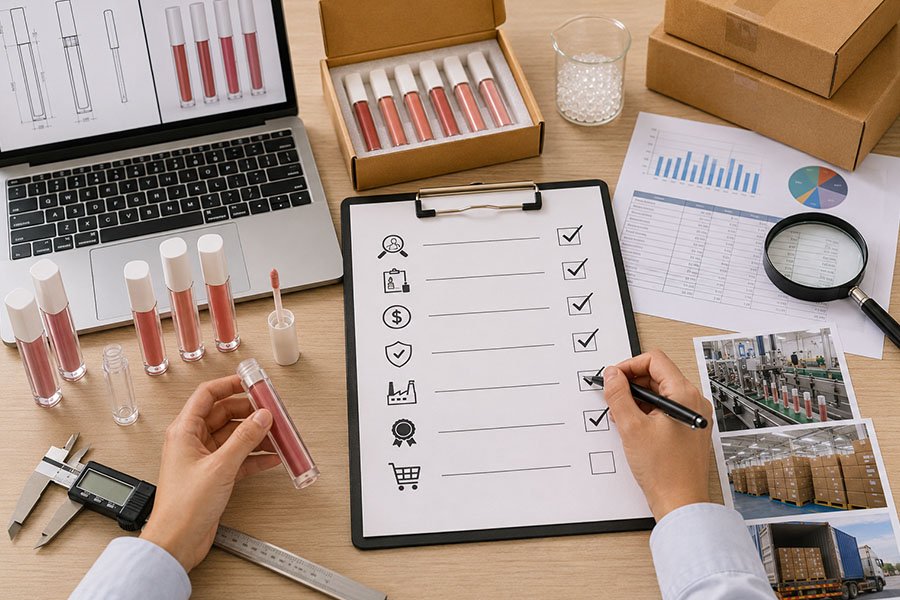
A structured sourcing checklist simplifies the procurement of lip gloss tubes. It helps organize tasks, reduce oversights, and ensures a systematic approach to supplier selection and product verification.
A practical sourcing checklist typically includes shortlisting potential suppliers, rigorous sample testing, comprehensive cost comparison, and verifying supplier credentials. It also involves assessing quality control procedures and production capabilities. Finally, initiating a small pilot order before scaling up production is a prudent step.
Following a methodical checklist minimizes risks and enhances efficiency. It supports informed decision-making throughout the sourcing journey.
How do you shortlist several factories or trading companies?
Shortlisting multiple factories or trading companies is the initial step in a robust sourcing strategy. This involves researching potential suppliers through online platforms, industry directories, and trade shows. Evaluating their websites, product portfolios, and certifications helps identify suitable candidates.
Relying on a single supplier can expose a buyer to unnecessary risks, such as supply chain disruptions or quality inconsistencies. Diversifying initial options provides a basis for comparison and strengthens negotiation leverage.
Key Criteria for Shortlisting Suppliers:
- Industry Specialization: Focus on suppliers with expertise in cosmetic packaging, particularly lip gloss tubes.
- Company Experience: Evaluate their operational history and market tenure.
- Certifications: Verify relevant industry certifications (e.g., ISO, GMP).
- Product Range Relevance: Ensure their product offerings align with specific packaging requirements.
- Professional Online Presence: Assess the credibility and information provided on their official websites.
- Client Testimonials/Reviews: Consider feedback from other buyers regarding their service and product quality.
- Geographic Location: Note the location within China, as different regions may specialize in certain manufacturing processes.
Send a clear Request for Quotation (RFQ) to shortlisted suppliers, detailing all specifications. Observe their responsiveness and clarity of communication during this initial phase. This provides early indicators of their service quality.
How do you ask for samples and test them with your own formula?
Requesting and thoroughly testing samples with the actual lip gloss formula is an indispensable step. This process validates material compatibility, design integrity, and overall product performance before committing to a larger order.
Omitting comprehensive sample testing can lead to significant issues, such as product leakage, material degradation, or formula instability, which may only become apparent after mass production. This can result in costly product recalls or re-manufacturing.
Steps for Sample Testing:
- Sample Request: Clearly specify the desired tube dimensions, material, and applicator type. Request multiple samples for thorough evaluation.
- Visual and Physical Inspection: Examine samples for any manufacturing flaws, scratches, or inconsistencies.
- Compatibility Test:
- Fill the samples with the final lip gloss formula.
- Store them under varied environmental conditions (e.g., room temperature, elevated heat, refrigeration).
- Monitor for any signs of leakage, discoloration, material swelling, or changes in formula consistency over an extended period.
- Evaluate the functionality of the cap and applicator.
- Laboratory Analysis (Recommended): For critical product lines, consider independent laboratory testing for stability and material integrity.
Document all observations and test results, including photographic evidence of any issues. Share detailed feedback with the supplier to facilitate necessary adjustments and improvements.
How do you compare unit price, mold/tooling cost, and shipping terms?
Comparing costs involves more than just the unit price; it requires a comprehensive analysis of mold/tooling costs and shipping terms. Overlooking these additional expenses can lead to an inaccurate assessment of the total procurement cost.
Suppliers might offer a low unit price but levy high charges for custom molds or shipping. Unfavorable payment terms can also impact cash flow. A holistic cost comparison is essential to avoid hidden expenditures.
Key Cost Comparison Factors:
| Cost Type | Description | What to Look For |
|---|---|---|
| Unit Price | The cost for each individual lip gloss tube. | Ensure comparisons are based on identical specifications. |
| Mold/Tooling Cost | A one-time fee for custom molds, if required. | Clarify if this is a singular charge and who retains mold ownership. |
| Shipping Costs | The expense for transporting goods to the final destination. | Understand Incoterms (e.g., FOB, CIF, EXW) and their implications. |
| Payment Terms | The agreed-upon schedule and method for payments. | Seek balanced terms, typically involving an upfront deposit and balance on delivery. |
| Minimum Order Quantity (MOQ) | The lowest quantity of units that can be ordered. | Lower MOQs can reduce initial investment. |
| Sampling Costs | The cost associated with obtaining product samples. | Determine if samples are provided free of charge or at a cost. |
| Customization Costs | Additional fees for specific printing, coloring, or design modifications. | Ascertain if these costs are integrated into the unit price or itemized separately. |
Consolidate quotes from all potential suppliers into a comparative spreadsheet. This allows for a clear, side-by-side evaluation of all financial components. Verify what is explicitly included in each price quotation to prevent future discrepancies.
How do you verify documents, QC process, and production capacity?
Verification of supplier documents, quality control (QC) processes, and production capacity is a critical due diligence step. This ensures that the supplier adheres to stated quality standards and possesses the capability to fulfill orders reliably.
Failure to verify credentials can lead to encounters with fraudulent documentation or suppliers with inadequate quality assurance systems. This risks product defects and potential order fulfillment failures.
Verification Checklist:
- Document Authentication: Request certified copies of all relevant certificates (e.g., ISO, SGS, FDA). Verify their authenticity with the issuing bodies if necessary.
- QC Process Review:
- Obtain and review the supplier's QC manual or standard operating procedures.
- Inquire about their inspection protocols at various stages (raw material, in-process, final product).
- Request evidence, such as photos or videos, of their QC checks.
- Production Capacity Assessment:
- Ascertain the number of relevant manufacturing machines (e.g., injection molding machines).
- Request data on their daily or monthly output for lip gloss tubes.
- Discuss their current production schedule and ability to accommodate new orders.
- Consider a third-party factory audit to independently verify capabilities and processes.
It is important not to rely solely on self-reported information from suppliers. Independent verification provides an objective assessment of their operational integrity and manufacturing prowess.
How do you place a small pilot order before scaling up?
Placing a small pilot order is a strategic measure before committing to large-scale production. This allows buyers to thoroughly test the product, validate the supplier's processes, and confirm logistics on a manageable scale. It significantly mitigates risks associated with large investments.
Proceeding directly to a large order without a pilot run can expose buyers to substantial financial losses if unforeseen issues arise with product quality, production consistency, or logistical execution.
Benefits of a Pilot Order:
- Risk Minimization: Reduces financial exposure by testing the entire process with a smaller investment.
- Real-World Validation: Provides an opportunity to evaluate product performance within actual operational and market conditions.
- Process Confirmation: Verifies the supplier's ability to consistently produce items meeting specifications at scale.
- Logistics Verification: Tests the efficiency and reliability of shipping, customs clearance, and delivery timelines.
- Supplier Relationship Building: Fosters a collaborative working relationship through a trial production run.
- Final Quality Check: Offers a last opportunity to assess product quality before significant financial commitment.
Treat the pilot order as a complete production cycle, meticulously monitoring every step. If the pilot order meets expectations, confidence for scaling up production increases. Any identified issues can be addressed and resolved before large-scale manufacturing begins.
What are common mistakes when sourcing lip gloss tubes?
Buyers often encounter recurrent challenges when sourcing lip gloss tubes. Awareness of these common pitfalls enables proactive avoidance, contributing to a more efficient and successful procurement process.
Frequently observed mistakes include prioritizing price over compatibility testing, neglecting sealing quality until post-launch, and failing to fully specify customization needs. Additionally, assuming a universal tube design works for all formulas or climates can lead to significant problems.
Understanding these prevalent errors helps buyers implement preventive strategies. This safeguards investments and ensures product integrity.
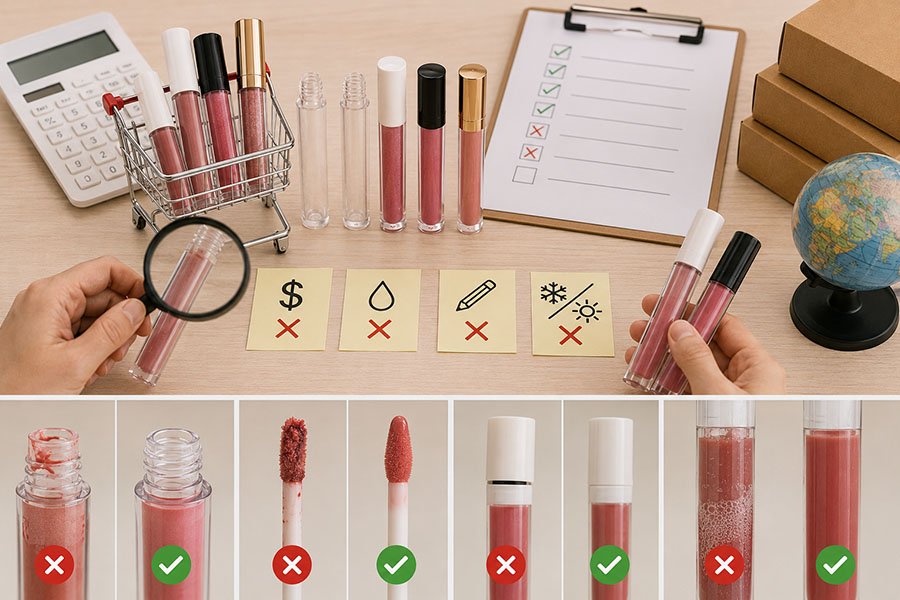
How is choosing by price alone and skipping compatibility testing a mistake?
Choosing a supplier based solely on the lowest price while neglecting critical compatibility testing is a significant error. While seemingly cost-effective initially, this approach frequently leads to substantial problems later, potentially rendering the purchased tubes unusable.
Prioritizing cost over product suitability often results in packaging that reacts negatively with the lip gloss formula. This can cause product degradation, leakage, or changes in appearance, leading to costly recalls, damaged brand reputation, and considerable financial loss.
Why This is a Big Mistake:
- Product Compromise: The packaging material may chemically react with the lip gloss, altering its color, stability, or efficacy.
- Leakage Incidents: Incompatible materials can lead to structural weaknesses or seal failures, resulting in product spillage.
- Brand Damage: Substandard or leaky products dissatisfy consumers and negatively impact brand perception.
- Financial Repercussions: Expenses related to product disposal, re-manufacturing, and customer compensation can be substantial.
- Potential Safety Risks: In rare instances, chemical reactions between packaging and product could create unforeseen hazards.
Investing in thorough compatibility testing, even if it entails a slightly higher initial cost, is crucial. It ensures the long-term integrity of the product and protects against far greater expenses and reputational damage.
How is ignoring sealing quality until after launch a mistake?
Ignoring the importance of sealing quality until after a product launch is a critical oversight. By this stage, products are already distributed, making any identified sealing issues widespread and difficult to rectify without significant cost and brand damage.
Deficient sealing directly results in product leakage, leading to consumer complaints, returns, and potential damage to retail displays or other products. This severely undermines customer trust and brand credibility.
Consequences of Ignoring Sealing Quality:
- Consumer Dissatisfaction: Leaky products create a negative user experience, leading to adverse reviews and diminished customer loyalty.
- Product Contamination/Damage: Spilled product can contaminate other items or degrade the external packaging.
- Increased Returns and Refunds: Processing returns and issuing refunds incur substantial operational costs.
- Reputational Harm: Negative publicity and word-of-mouth can rapidly erode brand image.
- Retailer Relations: Retail partners may become hesitant to stock products with recurring quality issues.
- Regulatory Scrutiny: Persistent product faults can attract attention from regulatory bodies, potentially leading to fines or mandated recalls.
Sealing quality must be a primary consideration throughout the entire sourcing and production process. Implementing rigorous leak tests during sample evaluation and maintaining stringent quality control checks during manufacturing are essential preventive measures.
How is not clarifying whether printing, color matching, or special shapes require extra lead time or tooling a mistake?
Failing to clarify specific customization requirements, such as printing, color matching, or unique shapes, often leads to unexpected delays and additional costs. Buyers frequently assume these elements are standard, overlooking the fact that they may demand extra lead time or specialized tooling.
Ambiguous customization instructions can result in misinterpretations by the supplier, leading to incorrect product output. This necessitates costly re-production, delays product launch, and impacts market entry strategies.
Why Clarity in Customization is Crucial:
- Accurate Product Realization: Ensures the final packaging precisely matches the intended design specifications.
- Realistic Scheduling: Accounts for the additional time needed for complex customization processes and tool creation.
- Precise Budgeting: Provides accurate cost estimates for any specialized molds, plates, or printing techniques.
- Material Suitability: Determines if the chosen material is compatible with the desired customization method.
- Quality Standard Definition: Establishes clear expectations for the quality of printing, color accuracy, and finish.
- Prevention of Rework: Avoids the need for expensive and time-consuming re-manufacturing due to misunderstandings.
Buyers should provide comprehensive design files, exact color codes (e.g., Pantone), and detailed specifications for all customization elements. Requesting pre-production samples or mock-ups of customized features for approval is highly recommended. All agreements regarding customization should be documented in writing.
How is assuming the same tube works for every formula or climate a mistake?
Assuming that a single lip gloss tube design is universally suitable for all formulas or diverse climatic conditions is a critical error. Different lip gloss compositions have unique properties that interact distinctly with packaging materials. Similarly, environmental factors significantly influence packaging integrity and product stability.
This generalized approach often results in product instability or packaging failure. For instance, a tube adequate for a viscous lip gloss in a temperate climate may leak when used for a thin lip oil in a hot, humid environment.
Factors to Consider for Different Formulas and Climates:
- Formula Viscosity: Low-viscosity formulas require precision-engineered seals and stoppers to prevent leakage. High-viscosity formulas might necessitate different applicator designs or wider openings.
- Chemical Properties: Certain ingredients within a formula (e.g., specific oils, solvents, pH levels) can chemically interact with particular plastic types, leading to degradation or discoloration of the tube.
- Temperature Extremes:
- High Temperatures: Can cause plastic materials to soften, deform, or expand, potentially compromising the seal and leading to leaks.
- Low Temperatures: Can make certain plastics brittle, increasing the risk of cracking or breakage upon impact.
- Humidity Levels: High humidity might affect product stability or the adhesion of labels and decorative elements.
- UV Exposure: Prolonged exposure to ultraviolet light can degrade some plastic materials or alter the color and stability of the lip gloss itself.
Each unique formula and its intended market's climate should be considered when selecting packaging. Conducting formula-specific and climate-simulated testing for each tube design is advisable. Collaborating with suppliers to select materials and designs appropriate for these specific conditions is essential for product success.
Conclusion
Sourcing lip gloss tubes from China demands a structured and detailed approach. Key considerations include material selection, formula compatibility, sealing integrity, and customization. Additionally, understanding MOQs, lead times, quality compliance, and effective supplier communication are paramount. Avoiding common mistakes ensures a successful outcome.