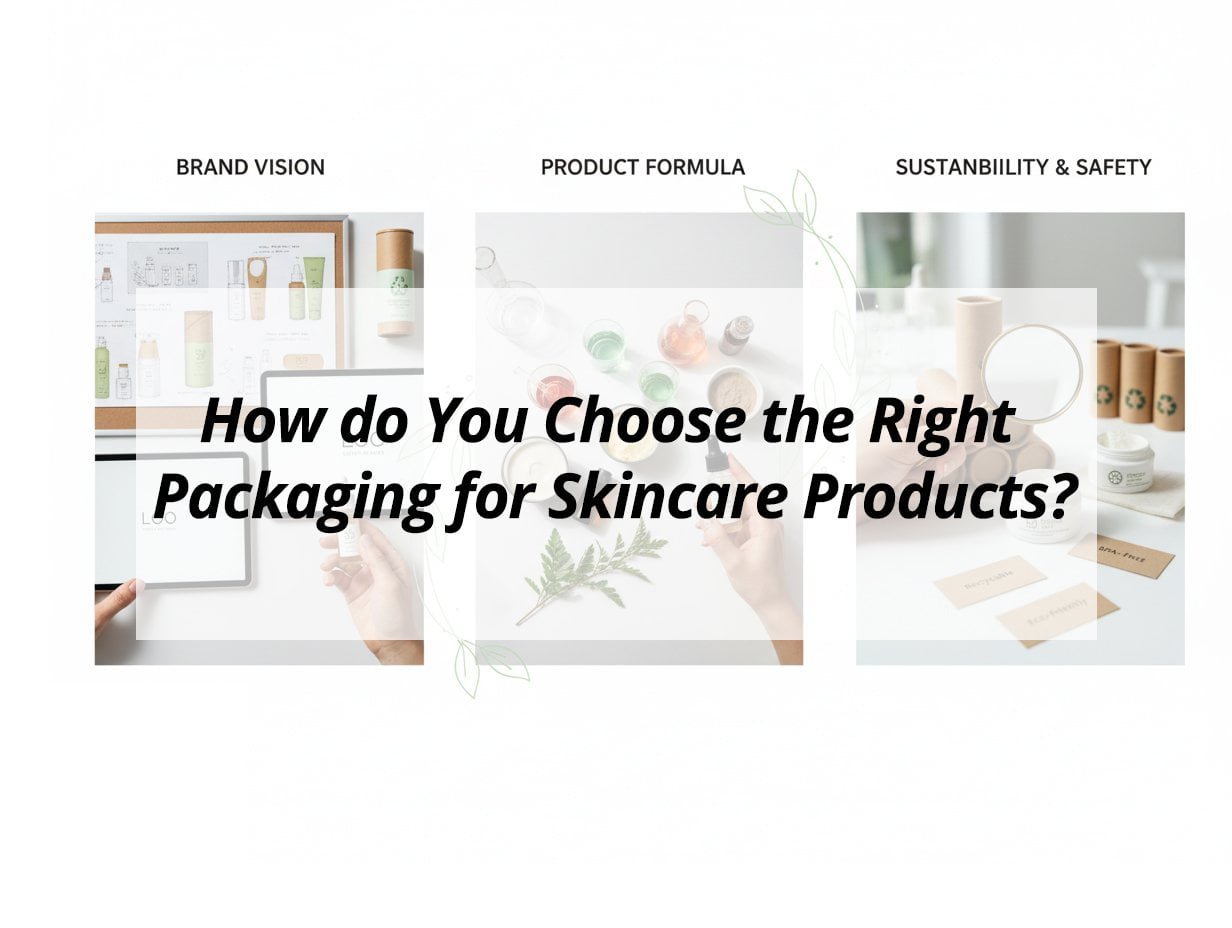
Are you confused about choosing the right packaging for your skincare products? Many brands struggle with this important decision.
Choosing the right packaging for skincare products involves balancing product protection, brand aesthetics, user experience, and sustainability goals. Key considerations include material compatibility, design functionality, and target market appeal to ensure product integrity and consumer satisfaction.
The right skincare package not only protects the formula but also communicates your brand's values. It can attract customers and stand out in a competitive market.
What are the 3 C's of packaging?
Many people in the packaging industry talk about the "3 C's" of packaging. Understanding these principles is key to good design.
The 3 C's of packaging are Contain, Protect, and Communicate. These fundamental principles guide effective packaging design, ensuring the product is held securely, remains safe from damage, and effectively conveys its brand message to consumers.
These three aspects work together. They make sure the packaging does its job well, from the factory to the consumer's hand.
Contain: Holding the Product Securely
The first "C" is Contain. This refers to the packaging's basic function: holding the product.
- Physical Containment: The packaging must physically hold the product. For liquids like serums or lotions, this means using leak-proof bottles or tubes. For creams, it requires jars that prevent spills.
- Portion Control: Good containment also includes dispensing the product in appropriate amounts. Pumps for lotion bottles or precise applicators for lip gloss tubes are examples.
- Shape and Size: The packaging's shape and size should be suitable for the product volume and form. This makes handling and storage easy for the consumer.
Protect: Keeping the Product Safe
The second "C" is Protect. This is about safeguarding the product from harm.
- Physical Protection: Packaging protects the product from physical damage during transport and handling. This prevents breakage or leakage. For delicate items like eyeshadow cases, sturdy packaging is crucial.
- Environmental Protection: It shields the product from external factors like light, air, and moisture. Airless vacuum bottles protect sensitive skincare ingredients from oxidation. UV-protective materials are also important.
- Contamination Prevention: Packaging prevents microbial contamination. This ensures the product stays hygienic and safe for use. Secure closures on cream jars are vital here.
Communicate: Telling the Product's Story
The third "C" is Communicate. This is how packaging speaks to the consumer.
- Brand Identity: The design, colors, and fonts on the packaging reflect the brand's personality and values. A luxury brand might use elegant glass bottles. A natural brand might choose minimalist paper packaging.
- Product Information: Packaging provides essential details about the product. This includes ingredients, usage instructions, benefits, and certifications. Clear labeling helps consumers make informed choices.
- Marketing and Appeal: Good packaging attracts attention on the shelf. It creates an emotional connection with the consumer. High-quality lipstick tubes or aesthetically pleasing air cushion cases draw the eye.
| The 3 C's | Key Function | Skincare Packaging Example |
|---|---|---|
| Contain | Holds product, portion control | Leak-proof lip gloss tubes, precise pump for lotion bottles |
| Protect | Guards against damage, environment | Opaque vacuum bottles for sensitive serums, sturdy eyeshadow cases |
| Communicate | Conveys brand, info, appeal | Elegant cream jars, clear labels for ingredient transparency |
Understanding these 3 C's helps when choosing packaging for cosmetics. It ensures all important aspects are covered.
How to choose the right packaging for your product?
Choosing the right packaging for your product can feel overwhelming. Many factors influence this critical decision.
To choose the right packaging for your product, consider product compatibility, target audience, brand identity, budget, and sustainability goals. It is important to select materials and designs that protect the product, appeal to consumers, and align with your brand's overall vision.
This decision impacts everything from product integrity to consumer perception and market success. A thoughtful approach is essential.
Product Compatibility and Protection
The first step is always to ensure the packaging works with the product inside.
- Material Interaction: The packaging material must not react with the product formula. For example, some ingredients might degrade certain plastics. Testing is crucial here.
- Barrier Properties: Consider how much protection the product needs from light, air, and moisture. Active skincare ingredients often require airless or opaque containers like vacuum bottles.
- Dispensing Method: How will the product be used? A thick cream needs a jar or a pump, while a liquid eyeliner needs a fine brush applicator. This impacts user convenience.
Target Audience and Brand Identity
Your packaging needs to appeal to your customers and reflect your brand.
- Demographics and Preferences: Who is buying your product? A younger audience might prefer playful designs. An older audience might prefer elegant, easy-to-open packaging.
- Aesthetics and Story: The packaging is a visual representation of your brand. It should convey your brand's values, whether that is luxury, natural, scientific, or minimalist. Customizable logo options can help reinforce brand identity.
- Competitive Landscape: Look at what your competitors are doing. How can your packaging stand out while still fitting within market expectations?
Cost and Sustainability
Practical considerations like cost and environmental impact are also very important.
- Budget Constraints: Packaging costs can vary greatly. It is important to balance quality and desired aesthetics with your budget. Wholesale cosmetic packaging can help manage costs.
- Production Capabilities: Can your chosen packaging be manufactured efficiently? As a supplier with 10 injection molding machines, I know that production efficiency is key to competitive pricing.
- Environmental Impact: More brands and consumers demand sustainable options. Consider using packaging skincare options like PCR materials, refillable designs, or mono-materials for easier recycling.
| Decision Factor | Key Considerations | Example for Skincare Packaging |
|---|---|---|
| Product Needs | Formula compatibility, light/air sensitivity, viscosity | Opaque airless bottles for Vitamin C serum |
| Audience Appeal | Age, lifestyle, aesthetic preferences | Sleek, modern design for a luxury anti-aging cream |
| Brand Image | Luxury, natural, scientific, playful | Earthy tones and recycled material for an organic balm |
| Cost | Unit cost, minimum order quantity, production efficiency | Bulk orders of standard lotion bottles |
| Sustainability | Recyclable, refillable, PCR content | PCR plastic jars, glass bottles |
I have worked with many brand company buyers and cosmetic packaging middlemen. I always emphasize a balanced approach. The right skincare package elevates the product and the brand.
What are the four rules of packaging?
When designing packaging, certain fundamental rules ensure it is effective. These rules go beyond basic aesthetics.
The four rules of packaging focus on utility, attractiveness, economy, and ethics. Good packaging must be functional and easy to use, visually appealing to consumers, cost-effective in production and transport, and environmentally responsible throughout its lifecycle.
Adhering to these rules helps brands create packaging that succeeds in the market. It also supports their brand values.
Utility: Functional and User-Friendly
The first rule is utility. Packaging must serve its practical purpose well.
- Product Protection: It should safeguard the product from damage, spoilage, and contamination. This is especially true for sensitive skincare products that need air-tight seals.
- Ease of Use: Consumers should find the packaging easy to open, close, and dispense the product. Difficult-to-use packaging can frustrate customers.
- Storage and Transport: The packaging should be stackable, durable for shipping, and fit well on retail shelves or in a medicine cabinet. This also impacts the efficiency of wholesale packaging for cosmetics.
Attractiveness: Visual Appeal and Branding
The second rule is attractiveness. Packaging needs to grab attention and appeal to the target audience.
- Aesthetics: Design elements like color, typography, imagery, and shape create visual appeal. High-quality printing and finishes enhance the premium feel.
- Brand Identity: The packaging must clearly communicate the brand's personality, values, and unique selling proposition. It is a key marketing tool.
- Shelf Impact: In a crowded market, packaging needs to stand out. It should capture consumer interest quickly.
Economy: Cost-Effective and Efficient
The third rule is economy. Packaging should be cost-effective throughout its entire lifecycle.
- Material and Production Costs: Choosing materials and manufacturing processes that are efficient and within budget is vital. This includes considering the price of lipstick tubes versus cream jars.
- Transportation Costs: Lighter and more compact packaging reduces shipping expenses. This is important for international shipments to places like Southeast Asia or South America.
- Waste Reduction: Efficient packaging minimizes material waste during production and at the consumer end. This also ties into sustainability efforts.
Ethics: Responsible and Sustainable
The fourth rule is ethics. Packaging must be designed with environmental and social responsibility in mind.
- Sustainability: This involves using recycled, recyclable, or renewable materials. It also means designing for refillability or biodegradability. The skincare package should have a minimal environmental footprint.
- Transparency: Ethical packaging provides clear and honest information about ingredients, sourcing, and environmental claims. Avoiding "greenwashing" is crucial.
- Safety: The materials used must be safe for both the product and the consumer. They should not leach harmful chemicals into the skincare formula.
| Packaging Rule | Core Focus | Skincare Application |
|---|---|---|
| Utility | Protection, function, ease of use | Airless pump bottles, secure caps for travel |
| Attractiveness | Design, brand appeal, shelf impact | Elegant lotion bottles, custom colors for eyeshadow cases |
| Economy | Cost-efficiency, transport | Optimized shapes for shipping, bulk purchasing |
| Ethics | Sustainability, transparency, safety | PCR plastic packaging, clear ingredient labeling |
These four rules provide a robust framework. They help ensure packaging is effective in all aspects.
Does FDA regulate cosmetic packaging?
Many brands selling skincare products in the US ask if the FDA regulates cosmetic packaging. Understanding these rules is critical for compliance.
The FDA (U.S. Food and Drug Administration) regulates cosmetic packaging primarily to ensure product safety and proper labeling, preventing contamination and misrepresentation. While they do not "approve" packaging per se, packaging must comply with regulations regarding material safety, container integrity, and label accuracy.
Compliance with FDA guidelines is essential. It ensures that the packaging does not harm the product or deceive consumers.
FDA's Role in Cosmetic Packaging
The FDA's involvement with cosmetic packaging focuses on safety and truthful information.
- Safety of Packaging Materials: The FDA requires that packaging materials do not contaminate the cosmetic product. This means materials should not leach harmful substances into the skincare formula. Manufacturers must ensure the packaging is inert and safe for its intended use.
- Container Integrity: Packaging must be designed to hold the product securely and prevent leakage or spoilage under normal conditions of use and storage. This ensures product stability.
- Labeling Requirements: This is a major area of FDA regulation. Cosmetic packaging must display specific information clearly. This includes:
- Ingredient List: All ingredients must be listed in descending order of predominance.
- Net Quantity of Contents: The amount of product must be accurately stated.
- Name and Place of Business: The manufacturer, packer, or distributor's information.
- Warning Statements: Any necessary warnings or caution statements.
- Directions for Safe Use: Instructions for proper application.
What the FDA Does Not Do
It is also important to understand the limits of FDA regulation for cosmetics.
- No Pre-Market Approval: Unlike drugs, cosmetics (and their packaging) do not require FDA approval before they are sold. It is the manufacturer's responsibility to ensure safety and compliance.
- No Specific Packaging Standards: The FDA does not issue detailed specifications for packaging design (e.g., minimum thickness of glass). Instead, it sets general safety and labeling requirements.
- Testing Responsibility: Manufacturers are responsible for conducting safety tests on both the product and its packaging to ensure no harmful interactions occur.
| FDA Regulation Aspect | Key Requirement | Relevance to Skincare Packaging |
|---|---|---|
| Material Safety | Non-leaching, non-reactive materials | Prevents product contamination |
| Container Integrity | Prevents leaks, maintains product quality | Ensures product stability |
| Labeling Accuracy | Clear, truthful product information | Prevents misbranding |
| No Pre-Market Approval | Manufacturer's responsibility | Requires due diligence by brands |
For cosmetic packaging middlemen and brand company buyers, understanding these regulations is very important. It ensures their skincare package meets all legal requirements. This helps avoid legal issues and builds consumer trust.
My Insights: Choosing the Right Packaging for Skincare Products
Confused about skincare packaging? Select options that match your brand's identity, enhance usability, and meet sustainability goals for a market edge.
When choosing skincare packaging, consider product compatibility, sustainability, functionality, and brand alignment. Prioritize materials that enhance durability and ease of use, while ensuring regulatory compliance and fostering consumer appeal through innovative, eco-friendly designs.
Key Considerations for Skincare Packaging
Start with Formula Compatibility:
- Viscosity & Format: Use narrow-orifice bottles for liquids like toners, while creams suit tubes or airless bottles.
- Protect Active Formulas: Airless pumps and opaque materials preserve ingredients sensitive to air and light.
Material and Sustainability:
- Compatible Materials: PET, HDPE, and glass are ideal for skincare due to their resistance and recyclability.
- Sustainable Choices: Opt for mono-material systems to simplify recycling, using eco-friendly materials like rPET where possible.
Balancing Branding and Usability:
- Brand Identity: Packaging should reflect brand luxury and simplicity, with ergonomic designs enhancing user experience.
- Innovative Features: Promote "no-touch" dispensers and airless pumps for improved hygiene and shelf life.
Considerations Table:
| Aspect | Consideration |
|---|---|
| Formula | Match packaging to product viscosity and stability |
| Material | Use recyclable, compatible, eco-friendly materials |
| Brand Alignment | Ensure packaging reflects brand identity |
| Usability | Favor ergonomic, consumer-friendly designs |
Tailoring packaging choices to these aspects ensures your skincare line's success and appeal in a competitive market.
Conclusion
Choosing the right packaging for skincare products requires careful thought. Brands must balance protection, design, and cost with ethics. Adhering to the "3 C's" and the four rules ensures effective and compliant packaging, leading to market success.