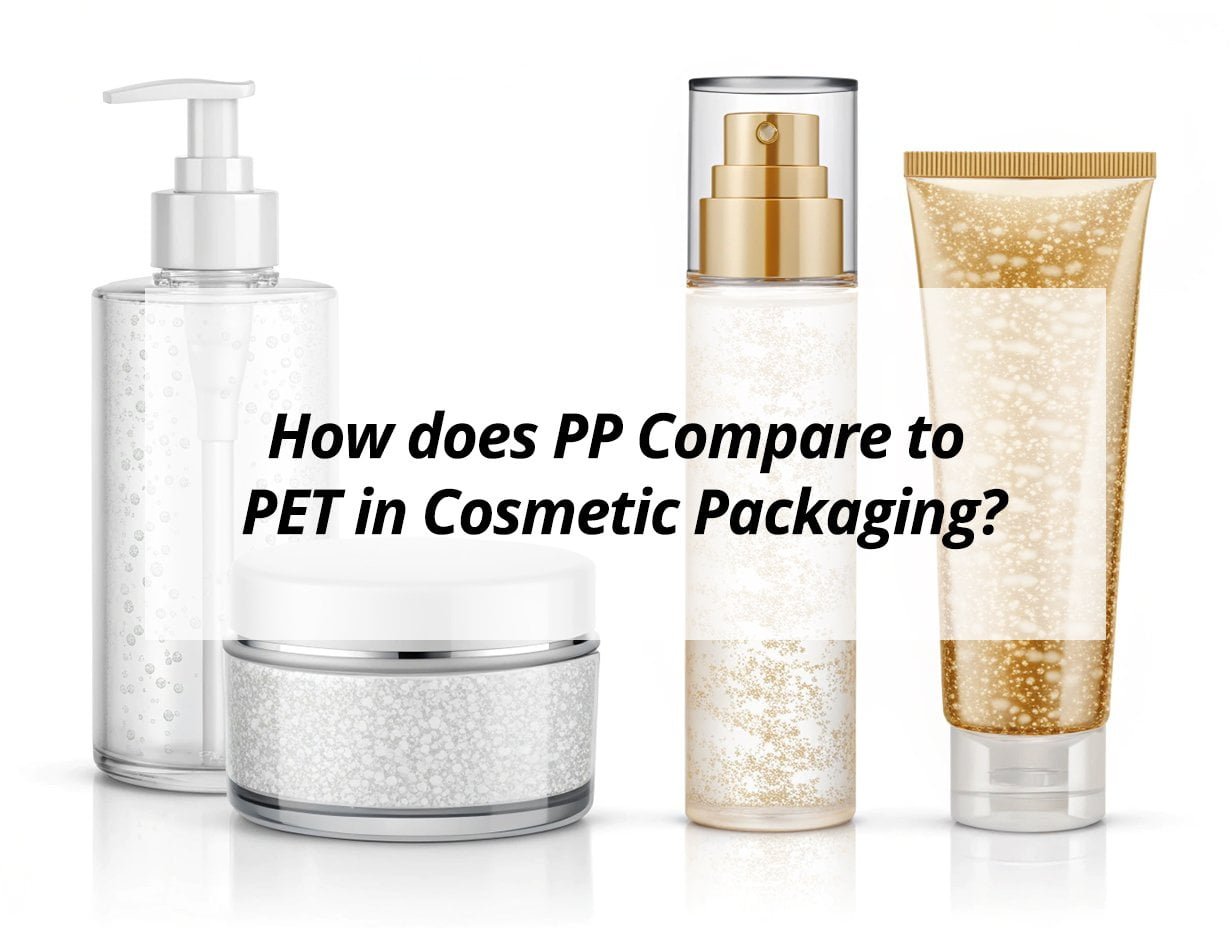
In the bustling world of cosmetic packaging, selecting the right material can make or break a brand. PP and PET stand out, each offering unique benefits that cater to different market needs.
PP excels in heat resistance and chemical compatibility, making it ideal for robust, cost-effective packaging. Meanwhile, PET offers unmatched clarity and gloss, enhancing product aesthetics. Its recyclability plays into sustainability goals, making it a prime choice for premium and eco-conscious brands.
Deciding between PP and PET involves carefully balancing aesthetics, sustainability, and practicality.
What is the difference between PP and PET?
Understanding PP and PET's distinct properties helps in making informed packaging decisions. These materials serve different purposes, contributing to diverse product experiences.
PP is renowned for its flexibility and cost-effectiveness, while PET is celebrated for its transparency and robust recycling support.
Understanding Material Properties
Clarity and Aesthetics
-
PET: It boasts superior clarity and a glossy finish, ideal for packaging that shows off the product inside. This makes it a popular choice for luxury cosmetics.
-
PP: Typically less transparent, but technological advancements improve its look. Its cloudy appearance is suitable for certain products where visibility isn't key.
Mechanical and Barrier Properties
-
PP: Offers higher heat resistance and flexibility, perfect for products exposed to heat and rough handling.
-
PET: Provides a superior barrier against odors and moisture, maintaining product integrity and shelf life.
| Feature | PP | PET |
|---|---|---|
| Heat Resistance | High | Moderate |
| Clarity | Low | High |
| Flexibility | High | Moderate |
| Recyclability | Improving | Widely accepted |
These features make PP and PET suitable for different packaging challenges.
What is the difference between PP and PET lids?
Lids and closures play an essential role in cosmetic packaging, influencing product safety and user experience. How do PP and PET compare in this regard?
PP lids are lightweight and cost-effective, designed for versatile applications. PET lids offer more intricate designs and a premium feel.
Lids and Closures
Design Flexibility
-
PP Lids: Known for their economic value, PP lids are perfect for lightweight and squeezable designs. They are commonly used in products where cost efficiency matters.
-
PET Lids: Offer a rigid, luxurious feel, suitable for high-end cosmetics. Their complex designs enhance product aesthetics and consumer engagement.
Practical Applications
-
PP: Preferred for everyday consumer products where flexibility and cost savings are key.
-
PET: Ideal for premium lines, providing clear visibility and reinforcing brand elegance.
When choosing lids, balance cost, appearance, and functionality to suit your product line.
Are PET and pete plastic the same?
The terms PET and PETE often cause confusion but understanding them is crucial for choosing the right packaging material.
PET and PETE are identical, both referring to polyethylene terephthalate, valued for its clarity, strength, and recyclability.
Recognizing Material Acronyms
Industry Terms
- PET/PETE: These terms are interchangeable. PET is preferred for its strength, lightweight nature, and clear appearance.
Benefits in Packaging
-
Clarity: Suits products where visibility and presentation are crucial, such as serums and tonics.
-
Recyclability: Poster child for sustainable packaging, it aligns with eco-conscious brand strategies due to its widespread recycling acceptance.
Selecting PET ensures effective communication about sustainability and transparency in packaging.
What is the difference between PP resin and PET resin?
Choosing between PP resin and PET resin is vital for developing effective cosmetic packaging solutions, influencing product safety and brand image.
PP resin excels in heat and chemical resistance. PET resin shines with clarity and recyclability, impacting brand perception and sustainability.
Exploring Resin Characteristics
Material Performance
-
PP Resin: Known for its resilience against chemicals and heat, it's ideal for products that endure extreme conditions or contain harsher ingredients.
-
PET Resin: Offers high clarity and durability, making it perfect for beautifully showcasing the product while ensuring recyclability.
Practical Considerations
-
Applications: PP resins are favored in applications requiring toughness, whereas PET resin1s are chosen for products where aesthetics and recycling are paramount.
-
Sustainability: PET's broad acceptance in recycling programs makes it attractive for eco-conscious brands.
| Material | Key Attributes | Use Cases |
|---|---|---|
| PP Resin | Durable, chemically resistant, heat tolerant | Everyday, high-use products |
| PET Resin | Clear, strong, recyclable | Premium, visually appealing designs |
Choosing resins requires aligning with application demands and sustainability objectives.
My Insights: PP vs PET in Cosmetic Packaging
Struggling to choose between PP and PET for your cosmetic packaging? Understand their key differences to make an informed decision.
PP offers cost-efficiency and heat resistance, while PET provides superior clarity and barrier protection. Your choice depends on product needs and branding goals.
Material Considerations
Barrier Properties and Appearance
- PET: Excellent moisture and gas barriers, ideal for preserving sensitive formulations. It offers superior clarity for premium product visibility.
- PP: Strong moisture resistance but lower oxygen barrier, suitable for products less sensitive to oxidation. Generally opaque or translucent.
Heat and Mechanical Properties
- PP: High heat resistance, suitable for hot-fill and microwavable applications. Notable flexibility and impact resistance.
- PET: Rigid with moderate heat tolerance. Provides a stiff structure, enhancing premium presentation.
| Material | Feature | PP | PET |
|---|---|---|---|
| Barrier | Moisture, Oxygen | Moderate moisture, lower oxygen | High moisture, gas barriers |
| Clarity | Transparency | Translucent to opaque | High clarity, glossy |
| Heat | Resistance | High | Moderate |
| Durability | Impact Resistance | Excellent | Strong but less flexible |
Choosing the right material ensures your packaging aligns with product requirements and sustainability goals, optimizing performance and brand impact.
Conclusion
Picking between PP and PET involves understanding each material's unique advantages and aligning them with brand goals, aesthetic needs, and sustainability targets.
-
Explore the benefits of PET resin, including clarity and recyclability, for effective cosmetic packaging. ↩