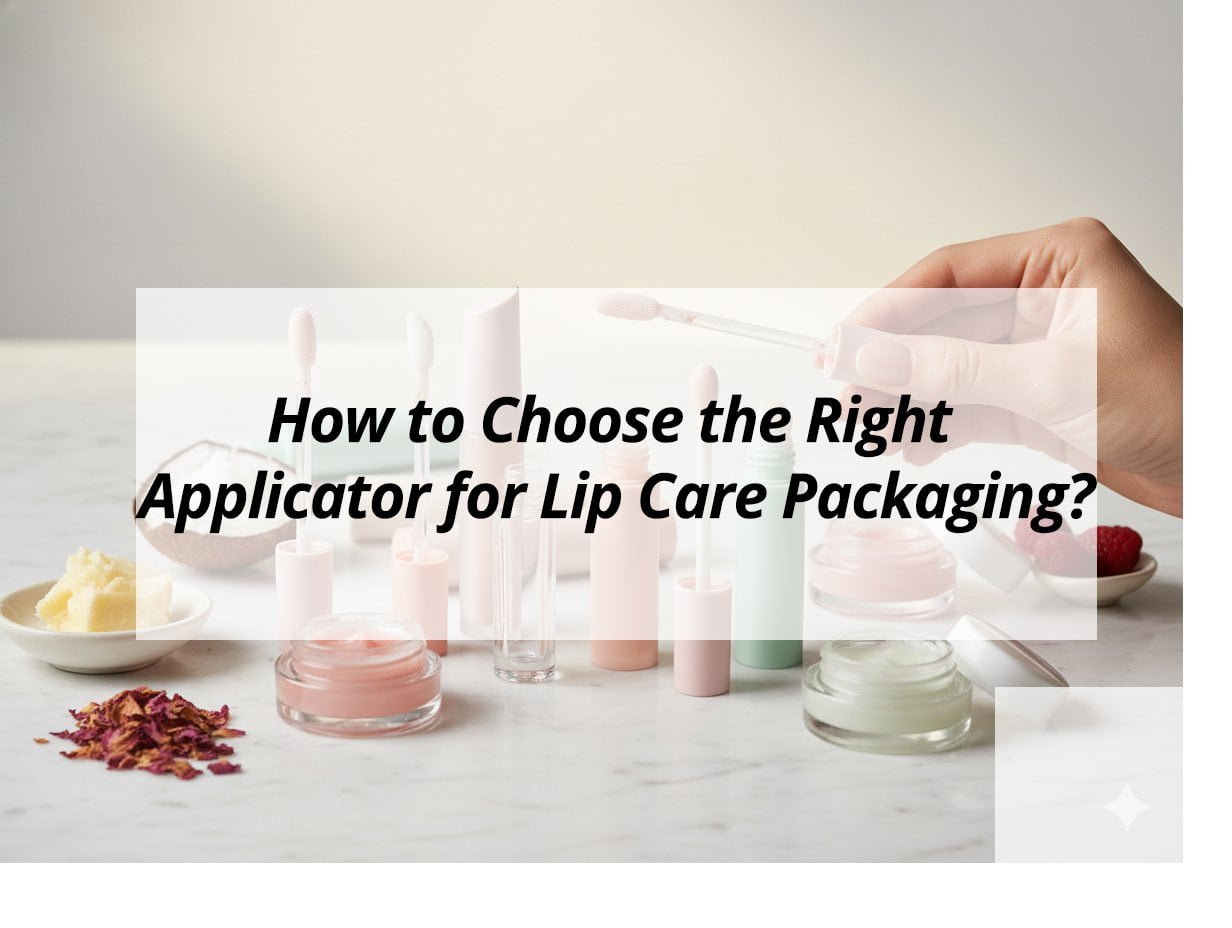
Selecting the correct lip applicator is a crucial decision for cosmetic brands. It directly impacts product application, user experience, and overall brand perception. This choice requires careful consideration to ensure product success.
Choosing the right lip applicator involves assessing the product's formula, the target consumer, and the desired application method. An effective applicator enhances user satisfaction and product efficacy. It also plays a key role in differentiating a product in the competitive cosmetic market. Careful selection supports both functional needs and aesthetic goals.
The market offers a wide variety of applicators. Each type is designed for specific product characteristics. Understanding these differences helps buyers make informed decisions that align with their brand's vision and customer expectations.
How do you choose the right lip applicator?
Selecting an appropriate lip applicator goes beyond mere aesthetics. It is a functional decision that affects how the product performs for the end-user. The right applicator ensures effective product delivery.
To choose the optimal lip applicator, consider the product's viscosity, the target demographic's preferences, and the hygiene requirements. Thicker formulations benefit from applicators designed for robust transfer. Younger demographics might prefer innovative designs. The applicator must facilitate a smooth and clean application process, enhancing the overall user experience and product appeal.
A strategic approach involves evaluating the product's physical properties. It also involves understanding consumer habits. This dual focus helps in narrowing down the best options.
Product Formula Considerations
The consistency of the lip care product is a primary factor. Different viscosities require different applicator designs.
- High Viscosity Formulas (Balms, Waxes): These dense products need applicators that can handle their thickness. A sturdy doe-foot, spatula, or a slanted tip from a squeeze tube works well. These types ensure controlled dispensing and application.
- Low Viscosity Formulas (Oils, Serums): Thin liquids require applicators that allow for smooth, even distribution. Roll-on balls or soft brush applicators are effective here. They prevent over-application and provide a precise spread.
- Medium Viscosity Formulas (Gels, Creams): These products benefit from applicators that offer gentle spreading. Silicone tips or soft, flexible doe-foot applicators are suitable. They help distribute the product without tugging or pulling on the lips.
| Formula Viscosity | Recommended Applicator Type(s) | Key Application Feature |
|---|---|---|
| High | Doe-foot, Spatula, Slanted Tip | Controlled dispensing, robust transfer |
| Low | Roll-on, Soft Brush | Smooth, even, precise spread |
| Medium | Silicone Tip, Flexible Doe-foot | Gentle distribution, comfortable application |
Target Audience and Brand Image
The demographic for the product heavily influences applicator choice. User preferences, age, and lifestyle play a role.
- Luxury Market: Brands often opt for elegant, custom-designed applicators. These may feature unique materials or ergonomic shapes. The goal is to enhance the premium feel.
- Mass Market: Focus is typically on practicality, durability, and cost-effectiveness. Standardized, easy-to-use applicators are common.
- Specific Demographics: For example, younger consumers might prefer playful, colorful designs. Professional users might prioritize hygiene and precision.
Desired User Experience and Hygiene
The applicator's design should contribute positively to how the product is used. It should also maintain product integrity.
- Hygiene: Applicators that minimize direct finger contact, like squeeze tubes with slanted tips, are often preferred. Spatula applicators can also be highly hygienic if cleaned properly.
- Precision: Products requiring fine application, such as lip liners or intricate treatments, benefit from fine brushes or very thin doe-foot tips.
- Comfort: The applicator should feel smooth and non-irritating on the lips. Materials like silicone or soft flocked tips enhance comfort during application.
The overall routine is also important. Is the product for quick, on-the-go touch-ups or a more detailed beauty ritual? The applicator must fit this usage context.
What are the different types of lip applicators?
The variety of lip applicators available is extensive. Each type offers distinct advantages. Understanding these differences is key for product development.
Various lip applicator types exist, including doe-foot, brush, roll-on, spatula, and slanted tip. Doe-foot applicators are widely used for glosses and liquid lipsticks due to their softness. Brush applicators provide superior precision. Roll-ons are excellent for thin oils, offering a cooling effect. Spatulas ensure hygienic product retrieval from jars. Slanted tips integrate directly with squeeze tubes for convenient, direct application. Each type serves specific product formulations and user preferences effectively.
Analyzing the characteristics of each applicator type helps in matching it to the intended product and packaging format. This ensures optimal functionality and consumer appeal.
Common Lip Applicator Designs
Here is a breakdown of the most frequently used applicator types.
-
Doe-Foot Applicator: This is a small, sponge-tipped wand. It is common in liquid lip products.
- Advantages: Soft, flexible, picks up a good amount of product, comfortable on lips.
- Disadvantages: Can be less precise for detailed work, prone to transferring product back into the tube.
- Typical Use: Lip glosses, liquid lipsticks, liquid balms.
-
Brush Applicator: Features soft bristles, either synthetic or natural, attached to a wand.
- Advantages: Highly precise application, excellent for thin layers or intricate designs.
- Disadvantages: Requires more cleaning, can absorb some product, potentially less durable over time.
- Typical Use: Lip oils, tints, precise placement of medicated treatments.
-
Roll-On Applicator: Incorporates a small, rotating ball (often metal or plastic) at the tip of the tube.
- Advantages: Hygienic, provides a cooling sensation, very smooth and even dispensing for thin liquids.
- Disadvantages: Not suitable for viscous formulas, can sometimes dispense too little product.
- Typical Use: Lip oils, serums, refreshing liquid balms.
-
Spatula Applicator: A small, flat tool, typically made from plastic or silicone. It may be integrated into a lid or stand-alone.
- Advantages: Extremely hygienic as it avoids direct finger contact, easy to clean, precise for dabbing or scooping.
- Disadvantages: Can feel less integrated into the product experience, requires manual spreading.
- Typical Use: Jars of thick balms, precise application of concentrated treatments.
-
Slanted Tip Applicator: An angled tip directly molded onto a squeeze tube. The product dispenses through an opening in the tip.
- Advantages: Highly convenient, hygienic (no separate wand), allows direct application from the tube.
- Disadvantages: Less precise than a brush, can sometimes dispense more product than intended.
- Typical Use: Squeeze-tube lip balms, glosses, and creams.
Material Selection for Applicators
The material used for the applicator also influences its performance and feel.
- Flocked Material (for Doe-Foot): Offers a soft, velvet-like texture. It provides excellent product pickup and smooth glide.
- Silicone: Smooth, non-porous, and highly hygienic. It is easy to clean and good for thick, spreadable formulas.
- Synthetic Bristles (Nylon): Durable, resistant to product degradation, and offers precise control for brushes.
- Metal (Roll-On): Provides a luxurious, cooling sensation upon application. It is very durable and non-reactive.
Innovations in applicator design continue to emerge. These focus on improved hygiene, better precision, and enhanced sensory experiences. Keeping up with these advancements can offer a competitive edge in product design.
What is the standard size for a lip balm tube?
Understanding typical sizing is important for packaging decisions. This affects product volume, cost, and consumer perception. There is no universally fixed "standard" size.
There is no singular standard size for a lip balm tube. Common volumes for stick balms typically range from 3 to 5 grams or 0.15 ounces. For squeeze tubes, popular sizes often fall between 8ml and 12ml. The optimal size depends on factors such as the product's intended use, the target market's preferences, and the brand's pricing strategy. These variations allow for diverse product offerings.
Considering various dimensions helps in planning product lines. It also ensures packaging aligns with market expectations. This also affects logistics and shelf space.
Common Sizes for Lip Balm Sticks
Lip balm sticks, which are twist-up solid product containers, come in a few common sizes.
- Typical Size: Many stick balms are around 4 to 5 grams (approximately 0.15 ounces). This size is convenient for portability and offers a reasonable product quantity for regular use. It fits easily into pockets or small bags.
- Compact Size: Smaller sticks, often 2 to 3 grams, are used for multi-packs, promotional items, or travel-sized offerings.
- Extended Size: Larger sticks, sometimes 7 to 10 grams, cater to consumers desiring more product or a longer-lasting item. These might be used for overnight treatments.
Common Sizes for Squeeze Tubes (Liquid/Gel Lip Products)
Squeeze tubes are flexible containers for liquid or semi-liquid lip products.
- Small Volumes: 3ml to 5ml tubes are often chosen for samples, very high-end products, or mini sets.
- Medium Volumes: 8ml to 12ml tubes are highly prevalent. This range offers a good balance between product amount and portability. They are suitable for daily use items.
- Larger Volumes: 15ml to 20ml tubes are available for products with higher usage rates or for professional applications.
| Product Format | Typical Volume/Weight | Common Dimensions (Approx.) | Key Advantage of Size |
|---|---|---|---|
| Stick Balm (Std.) | 4-5 grams | 67mm H x 16mm Dia. | Portable, everyday use |
| Squeeze Tube (Std.) | 8-12 ml | 80-100mm H x 18-20mm Dia. | Good product quantity, flexible |
| Jar/Pot (Compact) | 5-15 grams | 25-35mm H x 30-45mm Dia. | Concentrated product, premium feel |
Factors Influencing Size Selection
Several strategic considerations guide the choice of lip balm tube size1.
- Price Point and Value Perception: Smaller sizes can justify higher unit prices for luxury items. Larger sizes can offer a perception of better value for money.
- Market Trends: Some consumer markets favor compact, travel-friendly products. Others might prefer larger formats for at-home use.
- Product Application Frequency: Products intended for frequent reapplication might benefit from a smaller, more discreet size.
- Logistics and Shipping Costs: Larger or heavier packaging can increase freight expenses. This is especially important for international distribution. Optimized sizing helps manage these costs.
The chosen size directly communicates aspects of a brand. It implies value, convenience, and target usage. Aligning size with brand identity and consumer expectations is essential for market success.
Do I need a license to sell lip balm?
Understanding the regulatory landscape for cosmetics is vital. This ensures legal compliance and consumer safety. Specific "licenses" solely for selling lip balm are generally not required.
Selling lip balm does not typically require a unique "lip balm license." However, all cosmetic products must adhere to comprehensive cosmetic regulations2. These regulations cover critical aspects such as product safety assessments, mandatory ingredient labeling, and compliance with Good Manufacturing Practices (GMP). Regulatory requirements vary significantly by country and market, necessitating thorough research for each target region.
Compliance with these regulations is crucial. It prevents legal issues, product recalls, and damage to brand reputation. Due diligence in this area protects both the business and the consumer.
Overview of Cosmetic Regulations
Lip balm falls under the category of cosmetic products. Regulatory frameworks are in place globally to ensure these products are safe for use.
- Product Safety: All cosmetic products, including lip balms, must be proven safe for their intended use. This involves testing ingredients and the final formulation for adverse reactions.
- Ingredient Disclosure: Comprehensive listing of all ingredients on the product packaging is mandatory. This often follows specific nomenclature, such as INCI (International Nomenclature of Cosmetic Ingredients).
- Good Manufacturing Practices (GMP): Production facilities must adhere to GMP standards. These ensure consistent quality, hygiene, and proper manufacturing processes.
Key Regulatory Bodies and Regions
Different regions have distinct regulatory bodies and sets of rules for cosmetics.
- United States (FDA): The Food and Drug Administration (FDA) regulates cosmetics. They focus on safety and proper labeling. Cosmetics do not require pre-market approval, but manufacturers are responsible for safety.
- European Union (EU Cosmetics Regulation): The EU has stringent regulations (EC Regulation No 1223/2009). A designated "Responsible Person" is required. Each product needs a detailed Product Information File (PIF) and must be registered on the CPNP portal.
- Other Markets (e.g., Middle East, Asia, South America): Many countries in these regions have their own specific regulations. These often align with international standards but may include unique requirements. For instance, some countries in the Middle East may require Halal certification for cosmetic imports.
Additional Requirements Beyond Basic Licensing
While a direct "lip balm license" is rare, several other legal and business requirements apply.
- General Business Registration: Any company selling products must have a legitimate business license to operate.
- Product Liability Insurance: Obtaining product liability insurance is highly recommended. It provides financial protection against claims of harm caused by a product.
- Certifications: Beyond basic regulatory compliance, certain certifications might be required or beneficial. These could include ISO quality management standards, organic certifications, or specific religious certifications like Halal.
| Regulatory Aspect | Description | Importance |
|---|---|---|
| Business Operation | Legal registration and licenses to operate a company | Fundamental for any legitimate business operation |
| Product Formulation | Ensuring all ingredients are approved and safe | Crucial for consumer health and legal compliance |
| Labeling & Claims | Accurate ingredient lists, warnings, and marketing claims | Prevents misinformation, adheres to legal standards |
| Manufacturing Process | Adherence to GMP for consistent quality and safety | Reduces risks of contamination and product defects |
Non-compliance can lead to significant penalties. This includes fines, product seizures, and bans on market entry. Therefore, thorough understanding and adherence to all applicable regulations are paramount for any cosmetic business.
My Insights: Selecting the Perfect Applicator for Lip Care Products
Struggling to find the ideal applicator for your lip care products? Discover how to align materials and design with your formula and brand needs.
Choosing the right lip applicator involves matching the applicator type and material to the product formula, desired user experience, and hygiene requirements. Consider factors like precision tips, ergonomic designs, and sustainable materials3 to enhance customer satisfaction and brand identity.
Factors Influencing the Choice of Lip Applicators
Key Considerations:
-
Formula Type and Viscosity:
- Thin formulas work best with sponge or flocked tips for even distribution.
- Thick balms benefit from squeeze tips or large doe-foot designs to avoid contamination.
-
Desired Precision and Coverage:
- High-coverage products need precision tips like angled doe-foot or brush tips.
- Everyday balms require wider, softer tips for quick application.
-
Sensory Experience and Function:
- Metal roller balls offer a cooling effect, ideal for soothing or plumping products.
- Soft flocked tips provide a cushiony feel for moisturizing applications.
Applicator Types and Applications:
| Applicator Type | Best For | Key Benefits |
|---|---|---|
| Doe-foot Wands | Liquid lipsticks, pigmented glosses | High precision, customizable shapes |
| Roller Balls | Oil-based glosses, serums | Smooth glide, hygienic, sensory appeal |
| Brush Tips | High-shine gloss, treatment balms | Even application, premium feel |
| Squeeze Slant Tips | Classic balms, on-the-go sticks | Intuitive, low-mess, hygienic |
Hygiene and Sustainability:
- Choose applicators that minimize contamination, such as squeeze tips or roller balls. Opt for sustainable materials where possible to align with eco-friendly branding.
By carefully selecting the right applicator, brands can enhance product performance, user experience, and brand alignment.
Conclusion
Choosing the right lip applicator and packaging demands a clear understanding of product properties, consumer needs, and regulatory mandates. Diligent research and strategic decisions in these areas are essential. This approach ensures product success and market competitiveness.