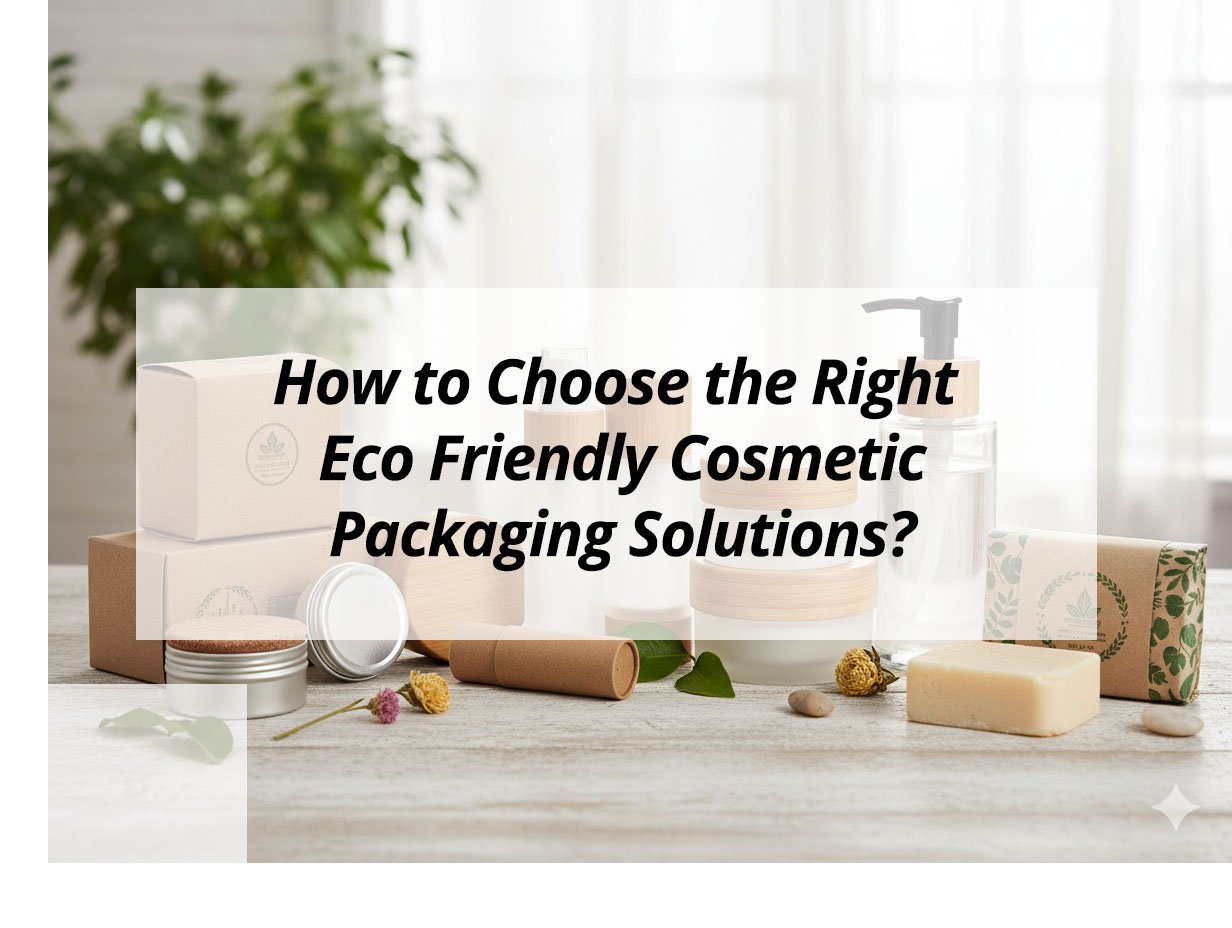
Selecting eco-friendly cosmetic packaging presents a significant challenge. The array of available options can be overwhelming. Making the right choice benefits both environmental health and business operations.
The most eco-friendly cosmetic packaging often uses materials that are easily recyclable, reusable, or made from recycled content. This includes glass, aluminum, certain plastics (such as PCR), and materials like bamboo or paper. The goal is to reduce waste and lessen environmental impact.
The field of packaging is always changing. It is vital to understand what makes packaging truly eco-friendly. This understanding guides effective choices. It is not just about a green appearance; it is about actual environmental benefit.
What is the most eco-friendly packaging for cosmetics?
Choosing the most eco-friendly cosmetic packaging can be difficult. Many options exist. Businesses want to make good decisions, but knowing the best path is not always clear.
The most eco-friendly packaging for cosmetics typically involves materials that can be recycled repeatedly or used multiple times. Examples include glass bottles and aluminum jars. Packaging made from already used materials, such as PCR plastic, is also a strong option.
When considering packaging materials, quality and sustainability are key factors. Companies seek high-quality products that also contribute positively to the environment. Materials like glass, aluminum, and PCR plastic are prominent choices for sustainable cosmetic packaging.
Key Eco-Friendly Materials
- Glass: Glass is fully recyclable. It can be recycled repeatedly without loss of quality. This makes it a preferred material.
- Aluminum: Aluminum also offers high recyclability. It is lightweight, durable, and can be recycled many times.
- PCR Plastic (Post-Consumer Recycled Plastic): This plastic is created from previously used plastic items. It gives new life to old plastic. This reduces the demand for new plastic production.
Why These Materials Matter
Selecting these materials supports environmental protection in several ways.
Less Waste in Landfills
Using recyclable materials means less waste enters landfills. Landfills consume space and can harm ecosystems. Recycling helps maintain a cleaner environment.
Lower Energy Consumption
Producing new items from recycled materials often requires less energy. For instance, recycling aluminum uses less energy than creating new aluminum. This contributes to a reduced carbon footprint.
Reduced Need for New Resources
Utilizing recycled content lessens the need to extract or process new raw materials. This conserves natural resources. It also lowers pollution associated with extraction and manufacturing.
| Material | Recyclability | Reusability | Energy Savings (vs. virgin) |
|---|---|---|---|
| Glass | High | High | Moderate |
| Aluminum | High | Moderate | High |
| PCR Plastic | Moderate | Low | Moderate |
| Bamboo | Low | Low | Variable |
Choosing the right material requires balance. Businesses consider what works best for their product and target market. Effective selection involves weighing environmental benefits against functional requirements.
What are the 7 R's of sustainable packaging?
Understanding sustainable packaging can be complex. Terms like "eco-friendly" and "green" are common. However, their specific meaning for packaging needs clarification.
The 7 R's of sustainable packaging provide a clear framework. These principles help businesses make better environmental choices. They extend beyond simple recycling, covering the entire lifecycle of packaging.
These R's offer a useful guide for making informed decisions about various packaging types, such as lipstick tubes or lotion bottles. Adhering to these standards ensures packaging solutions are sustainable.
The 7 R's Explained
Each of these R's offers a comprehensive perspective on packaging.
1. Rethink
This is a primary and essential step. It involves re-evaluating the entire packaging approach.
- Critical inquiry: Is this packaging truly necessary? Can its design be radically improved?
- Innovation: Seek new materials or designs that minimize environmental impact.
- Application: Consider if a product can be sold without secondary packaging, or if a simpler design for a lip gloss tube is feasible.
2. Refuse
Sometimes, the best decision is to refuse certain packaging types. This means avoiding packaging that is environmentally detrimental.
- Avoid unnecessary elements: Do not use extra layers if they do not add value.
- Reject harmful materials: Steer clear of single-use plastics or materials difficult to recycle.
- Application: Decline plastic stirrers or superfluous plastic wrap when not essential.
3. Reduce
Reduction means using less material overall. This conserves resources and generates less waste.
- Minimize material usage: Design packaging to be as light and compact as possible.
- Concentrated formulas: If the product can be concentrated, smaller packaging will be sufficient.
- Application: Implement thinner walls for a cream jar, provided structural integrity is maintained.
4. Reuse
Reusing packaging extends its lifespan. This keeps items out of the waste stream for longer periods.
- Design for multiple uses: Can the container be repurposed by the consumer?
- Refill systems: Offer refill options for products, allowing consumers to retain the original container.
- Application: A well-designed glass lotion bottle can be refilled or repurposed.
5. Recycle
Recycling involves processing used materials to create new ones. This conserves resources and energy.
- Utilize recyclable materials: Select materials that have established recycling infrastructures.
- Clear instructions: Ensure consumers can easily understand how to recycle the packaging.
- Application: Ensure eyeshadow cases are produced from materials widely accepted for recycling.
6. Repair
While more relevant for products, the concept of repair can apply to packaging systems. This involves designing packaging that can be fixed if parts break. For cosmetic packaging, this relates to the durability of reusable systems.
- Durable design: Construct packaging to last if it is intended for repeated use.
- Modular components: Consider if individual parts can be replaced instead of discarding the entire item.
7. Recover
Recovery means capturing energy from waste that cannot be recycled or reused. This is typically the last option.
- Waste-to-energy: Incinerate waste to generate energy.
- Composting: For organic materials, convert them into compost.
- Application: Biodegradable packaging might undergo recovery through composting processes.
| R-Principle | Description | Packaging Implementation |
|---|---|---|
| Rethink | Fundamental redesign, questioning core needs. | Exploring new lightweight and efficient designs. |
| Refuse | Avoiding unnecessary or harmful packaging. | Limiting multi-layer plastic when not essential. |
| Reduce | Minimizing material usage, package size. | Offering compact and streamlined containers. |
| Reuse | Designing for repeated use or refills. | Providing durable, refillable packaging options. |
| Recycle | Using materials suitable for reprocessing. | Prioritizing glass, aluminum, and PCR plastics. |
| Repair | Enhancing durability for extended life. | Ensuring quality and longevity of components. |
| Recover | Capturing value from non-recyclable waste. | Considering compostable materials for specific items. |
These principles aid in developing better products. They help in providing sustainable options that meet both quality and environmental considerations.
What type of packaging is most environmentally friendly?
Determining the most environmentally friendly packaging can be complex. Multiple factors require consideration. Businesses aim for optimal choices, but defining "most friendly" is challenging.
The most environmentally friendly packaging typically balances several elements. These include ease of recycling or reuse, energy consumption during production, and raw material sourcing. It is a combination of well-considered choices, not just one material type.
Many organizations seek the most "green" option. This often involves trade-offs. For example, a heavy glass jar is highly recyclable but demands more energy for transport than a lighter plastic tube. A comprehensive assessment is necessary for all packaging types, from lipstick tubes to lotion bottles.
Key Aspects of Environmentally Friendly Packaging
When evaluating "most" environmentally friendly packaging, different stages of a package's life cycle are examined.
1. Material Source
The origin of the material is crucial. Is it a renewable resource? Or is it a finite resource being depleted?
- Renewable: Materials such as bamboo or paper from sustainably managed forests are beneficial choices.
- Recycled Content: Utilizing post-consumer recycled (PCR) materials is a strong approach. It decreases the demand for new primary resources.
2. Manufacturing Process
The amount of energy and water consumed during packaging production is important. Are hazardous chemicals involved?
- Low Energy Use: Processes requiring less energy are preferable.
- Clean Production: Facilities with robust environmental practices are essential. Modern machinery can improve efficiency.
3. Transport Efficiency
The weight of the packaging affects fuel consumption during shipping. Lighter packaging results in lower fuel use.
- Lightweight Design: Reducing the weight of items like eyeliner tubes helps lower shipping emissions.
- Efficient Shape: Packaging designed for effective stacking can also save space and fuel during transportation.
4. End-of-Life Options
What happens to the packaging after it has served its purpose? Can it be recycled, composted, or reused?
- Recyclability: Materials that are easy to recycle are key. Glass and aluminum are prime examples.
- Compostability: For certain materials, composting offers a viable option if industrial facilities are accessible.
- Reusability: Packaging designed for refilling or repurposing extends its useful life.
Comparing Different Packaging Types
Here is an overview of common cosmetic packaging types and their environmental considerations.
- Glass: Highly recyclable, offers a premium feel, but is heavy for shipping and prone to breakage.
- Aluminum: Highly recyclable, lightweight, and durable, but can dent. Suitable for jars and tins.
- PCR Plastic: Reduces demand for new plastic, lightweight, but recyclability depends on the specific plastic type and local infrastructure.
- Bamboo: Renewable resource, biodegradable, offers a natural aesthetic, but often requires a plastic inner lining for cosmetics and lacks widespread recyclability.
- Paper/Cardboard: Renewable, often recyclable, lightweight, but not suitable for all product types (e.g., liquids) without protective coatings.
| Packaging Type | Environmental Benefits | Environmental Challenges | Suitable Applications |
|---|---|---|---|
| Glass | Highly recyclable, chemically inert | Heavy for transport, energy-intensive to produce | Skincare jars, essence bottles |
| Aluminum | Highly recyclable, low weight | Energy-intensive to produce (from raw ore) | Compact containers, lipstick components |
| PCR Plastic | Utilizes existing plastic, light | Still plastic, variable recycling access | General cosmetic bottles, tubes |
| Bamboo | Renewable, biodegradable | Often needs internal liner, limited recycling | Outer casings, caps |
| Paper/Cardboard | Renewable, often recyclable, light | Not ideal for moisture-sensitive products | Secondary packaging, cartons |
When evaluating environmentally friendly options, businesses weigh these factors. They consider product requirements and consumer values. A range of solutions, including options for custom branding, are available to meet these needs.
What are the 5 R's for the creation of sustainable packaging?
Designing sustainable packaging can seem like a complex task. Many considerations arise. The aim is to make responsible choices, but where does one begin?
The 5 R's for sustainable packaging provide a clear method for creating environmentally improved products. These principles focus on waste reduction and efficient resource use. They guide decision-making from the initial design phase.
These 5 R's are crucial in the packaging development process. They apply to various cosmetic packaging items, such as eyelash tubes or air cushion cases. These principles serve as foundational guidance.
The 5 R's in Detail
These five principles offer a more streamlined approach compared to the 7 R's, with a stronger emphasis on packaging design and creation.
1. Reduce
This principle advocates for using less material from the outset. It involves making packaging smaller, lighter, or with fewer components.
- Material Minimization: Design packaging to be as efficient as possible regarding material use.
- Eliminate Excess: Remove any unnecessary layers or superfluous parts.
- Application: Create a lipstick tube with a thinner, yet adequately strong, plastic wall.
2. Reuse
This R focuses on designing packaging for multiple uses. This prolongs the life of the package.
- Durability: Ensure containers are robust enough to endure repeated uses.
- Refillable Systems: Design products so consumers can purchase refills and retain their original container.
- Application: A robust lotion bottle designed to be easily refilled from a larger pouch.
3. Recycle
Recycling involves utilizing materials that can be processed and transformed into new products. This prevents waste accumulation.
- Recyclable Materials: Select materials like glass, aluminum, or specific plastics that are widely accepted in recycling programs.
- Design for Recycling: Ensure different materials can be readily separated by consumers or at recycling facilities.
- Application: Produce an eyeshadow case from a single type of plastic to facilitate easier recycling.
4. Renewable
This principle emphasizes using materials sourced from naturally replenishable origins. These are resources that regenerate over time.
- Plant-Based Materials: Seek materials derived from botanical sources, such as bamboo or certain bioplastics.
- Sustainable Sourcing: Confirm that renewable resources are harvested in an environmentally responsible manner over the long term.
- Application: Integrate bamboo for the outer shell of a compact case.
5. Recover
When recycling or reuse is not feasible, recovery focuses on extracting energy or nutrients from waste.
- Composting: For organic or biodegradable packaging, convert it into nutrient-rich compost.
- Waste-to-Energy: Incinerating waste to generate electricity. This is a final option, preferable to landfill disposal.
- Application: A packaging component certified as compostable after its intended use.
| 5 R's Principle | Contribution to Sustainable Packaging | Packaging Design Example |
|---|---|---|
| Reduce | Lowers material consumption, less waste generated. | Design of lightweight and compact containers. |
| Reuse | Extends product lifespan, avoids single-use items. | Offering refillable options for various bottles. |
| Recycle | Materials re-enter production cycle, conserves resources. | Prioritizing highly recyclable glass and aluminum. |
| Renewable | Utilizes naturally replenishing resources. | Exploring plant-based materials for components. |
| Recover | Captures value from waste when other options fail. | Considering compostable materials for specific items. |
These 5 R's guide the design process. They facilitate the provision of sustainable options that meet both quality and environmental standards for cosmetic packaging.
My Insights: How to Choose the Right Eco-Friendly Cosmetic Packaging Solutions
Struggling to balance sustainability, product protection, and branding? Selecting the right eco-friendly cosmetic packaging ensures environmentally conscious practices without compromising design, safety, or consumer appeal.
Choose eco-friendly cosmetic packaging by prioritizing recyclable materials like glass, aluminum, and PCR plastics. Adopt refillable systems or biodegradable options for sustainability, and ensure compatibility with your product formulas and customer values.
Key Considerations for Choosing Sustainable Cosmetic Packaging
Selecting the right eco-friendly cosmetic packaging involves evaluating material sustainability, product compatibility, and operational feasibility. Below are the essential factors and best practices to guide decision-making:
1. Match Packaging to Product Needs
Packaging must protect your product. For delicate formulations (serums, creams), materials like glass or aluminum ensure a strong barrier against light and air. For mass-market products, lightweight PET or HDPE plastics are recyclable and cost-efficient. Ensure packaging materials don’t react with the formula, especially for products with oils, acids, or alcohols.
2. Prioritize Truly Sustainable Materials
Choose materials that align with your brand’s sustainability goals and the circular economy:
- Glass: Premium, reusable, and highly recyclable. Ideal for luxury skincare but not ideal for shipping due to weight.
- PCR Plastics (Post-Consumer Recycled): Reduces reliance on virgin plastics and is widely functional for bottles and tubes, albeit with some supply-chain color variability.
- Biodegradable Options: Packaging made from bamboo or paper is perfect for short-shelf-life or solid products like cleansers and soaps. However, their recyclability depends on local waste systems.
3. Explore Refillable Systems
Refillable packaging reduces waste long-term and builds customer loyalty. Choose durable primary packaging (e.g., glass or sturdy plastic) and pair it with refill-friendly designs like pouches or inserts. Refills work best in high-loyalty categories such as serums or moisturizers.
4. Minimize Material Complexity
Mono-material packaging ensures recyclability by eliminating mixed components (e.g., plastic with metal closures). For instance, single-material PET bottles with matching caps outperform complex, multi-layered alternatives.
Practical Material Comparison
| Material | Applications | Eco-Friendly Value | Key Challenges |
|---|---|---|---|
| Glass | Serums, luxury cosmetics | Recyclable, premium feel | Heavy, breakable, costly to ship |
| PCR Plastics | Bottles, jars, caps | Reduces virgin plastic use | Color variation, limited supply |
| Aluminum | Lipsticks, sprays, jars | Fully recyclable | May need inner lining for liquids |
| Bioplastics | Dry or shorter-life products | Compostable, renewable | Dependent on local compost systems |
| Paper & Cardboard | Secondary and dry goods | Recyclable, lightweight | Poor for liquids or durability |
5. Reduce Carbon Footprint with Minimalist Design
Digitally print labels directly on packaging or use smaller outer boxes to reduce waste. Lightweight designs lower emissions linked to transportation, making carbon-neutral initiatives easier to achieve.
Building a Sustainable Packaging Strategy for Cosmetics
1. Start with Product-Necessity Compatibility
Analyze the formula’s viscosity, sensitivity to air or light, shelf life, and storage conditions to identify the proper packaging. Highly sensitive products may require aluminum layers or glass, while less reactive formulations work with PET or bioplastics.
2. Balance Cost and Sustainability Priorities
Not all sustainable packaging options fit every budget. For startups, PCR plastics balance affordability and eco-friendliness. For premium brands, glass or refillable aluminum designs deliver luxurious sustainability. Scaling up gradually to add eco-friendly systems can reduce upfront costs.
3. Consumer Education is Key
Eco-friendly packaging requires educating customers on proper disposal, recycling, or reuse. Use QR codes or labels explaining where and how packaging can be recycled, ensuring your sustainable efforts are realized post-consumer use.
Final Pro Tip
Avoid greenwashing by ensuring your claims (compostable, recyclable, renewable) are verifiable and backed by certifications or documentation, building trust with your eco-conscious customer base.
By aligning innovative material choices with brand and consumer needs, you can achieve sustainable growth without compromising product quality.
Conclusion
Selecting eco-friendly cosmetic packaging is crucial. This discussion has covered sustainable materials and guiding principles like the 7 R's and 5 R's. Making informed choices helps decrease environmental impact and enhances brand reputation.