The beauty industry is booming, yet its environmental toll is alarming. How do we balance elegance with eco-consciousness in packaging?
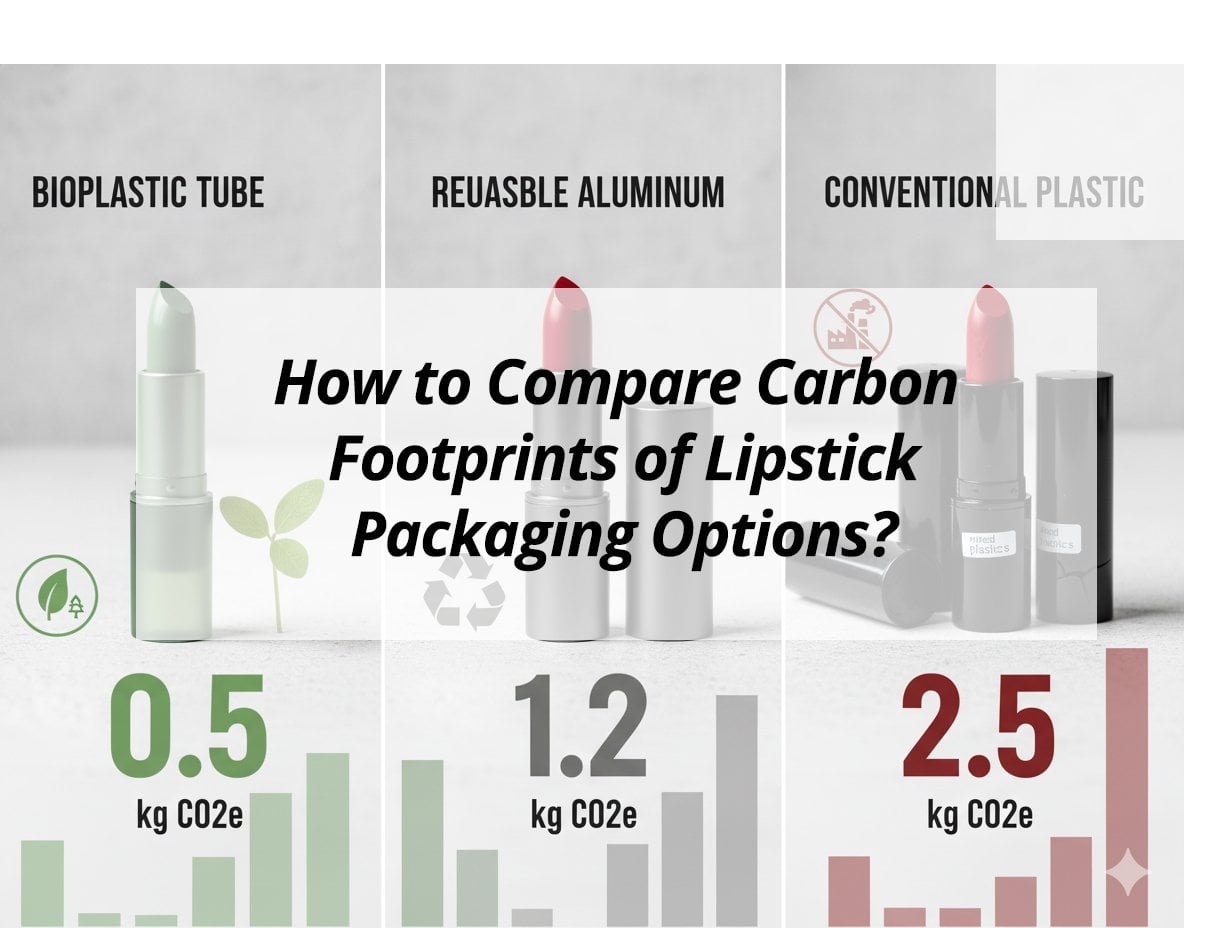
To compare carbon footprints, assess lipstick packaging by examining material types, energy used in manufacturing, and end-of-life recyclability. Opt for options that reduce environmental impact while maintaining product integrity and brand aesthetics, balancing eco-consciousness with consumer expectations for quality and design.
Cosmetic packaging choices affect the environment significantly. Making informed decisions can help brands resonate with eco-aware consumers like Mary, who values quality and affordability.
What are the different types of lipstick packaging?
Lipstick packaging spans a variety of materials, each with its own environmental implications.
Lipstick packaging includes plastic tubes, metal casings, glass containers, and biodegradable materials. These choices affect carbon footprints differently, based on production methods and recyclability, guiding brands toward sustainable solutions.
Lipstick Packaging Types
Understanding the diversity in lipstick packaging1 is essential for making sustainable choices. Traditional plastic tubes2 are prevalent due to their cost-effectiveness. However, they pose significant environmental challenges as plastic decomposition takes centuries. Their low weight and versatility often make them the default choice for many brands.
Metal casings offer a premium feel but have a higher carbon footprint due to energy-intensive extraction and processing. Still, metals are recyclable, which can reduce their impact over time. Luxury brands often prefer metals for their durability and aesthetic.
Glass containers present an elegant choice, fully recyclable and non-degradable. Yet, their heavy weight can increase shipping-related emissions. Combining glass with eco-friendly practices is key to minimizing its carbon footprint.
Biodegradable options, such as plant-based plastics and paper, are gaining traction. They promise reduced waste but often require specific conditions for decomposition. These materials are perfect for brands that prioritize sustainability without compromising brand identity.
| Material | Benefits | Drawbacks |
|---|---|---|
| Plastic | Affordable | Long decomposition time |
| Metal | Durable | Energy-intensive production |
| Glass | Recyclable | Heavy, increases transport emissions |
| Biodegradable | Eco-friendly | May require specific decomposition conditions |
What packaging has a big carbon footprint?
Identifying high-impact packaging helps in making environmentally sound choices.
Packaging with high carbon footprints includes non-recycled plastics, energy-intensive metals, and materials requiring long-distance transport. Understanding these factors can aid brands in reducing their environmental impact.
High Carbon Footprint Packaging
The carbon footprint of packaging materials depends heavily on production, transportation, and recycling. Non-recycled plastics stand out due to fossil fuel dependency and environmental pollution. Plastic waste contributes to ocean pollution, affecting marine life and ecosystems.
Metals, while durable, involve energy-intensive extraction and processing. The carbon emissions from metal production are significant, although recycling can mitigate this impact. Implementing effective recycling programs is essential for reducing overall footprints.
Transportation also affects carbon emissions. Materials like glass require more fuel during shipping due to their weight. Brands must consider local sourcing and efficient logistics to minimize transportation impacts. By reconciling aesthetics with sustainability, brands can significantly lower their carbon footprint, appealing to consumers who prioritize environmental responsibility.
What is the most environmentally friendly packaging?
Selecting the most sustainable packaging is vital for green-minded brands and consumers.
The most environmentally friendly packaging uses renewable materials, requires minimal energy during production, and is easy to recycle. Biodegradable options, like plant-based plastics, align with eco-values and offer a path to reduced footprints.
Environmentally Friendly Packaging
-
Lifecycle Consideration: Eco-friendly packaging encompasses the entire lifecycle from production to disposal, focusing on minimizing environmental impact throughout.
-
Plant-Based Plastics: These decompose faster than traditional plastics but often require specialized facilities, highlighting the need for consumer education.
-
Innovative Materials: Mushroom packaging and recycled paper set new sustainability standards, requiring fewer resources and aligning with circular economy principles.
-
Local Manufacturing and Lightweight Materials: These strategies reduce transport emissions and carbon footprints, enhancing sustainability in logistics.
-
Brand Commitment to Sustainability: Sustainable packaging demonstrates a dedication to environmental responsibility, helping brands meet consumer demand for eco-conscious products and stand out in the market.
What is the most environmentally friendly makeup brand?
Eco-friendly brands appeal to consumers who value sustainability and transparency.
Environmentally conscious makeup brands prioritize sustainable sourcing, green packaging, and ethical production. Brands like Axiology and Ilia lead in reducing carbon footprints while promoting transparent business practices.
Environmentally Friendly Brands
-
Axiology's Zero Waste Approach: Axiology leads the way with zero waste packaging, utilizing recycled materials and eliminating single-use plastics. Their commitment extends to vegan products and ethically sourced ingredients.
-
RMS Beauty's Organic Focus: RMS Beauty emphasizes organic, food-grade ingredients in recyclable and biodegradable containers, supporting both environmental and consumer health through a comprehensive sustainability agenda.
-
Bite Beauty's Recycling Initiatives: Bite Beauty innovates with effective recycling programs, ensuring full lifecycle accountability. They prioritize transparency in sourcing and manufacturing, promoting fair trade and responsible production.
| Brand | Practices |
|---|---|
| Axiology | Zero waste, vegan, ethical sourcing |
| RMS Beauty | Organic ingredients, recyclable packaging |
| Bite Beauty | Recycling initiatives, full lifecycle accountability |
As demand for sustainable options grows, brands across the industry must adopt eco-friendly practices to stay relevant.
My insights: Compare Carbon Footprints of Lipstick Packaging Options
Wondering which lipstick packaging is eco-friendly? Learn to compare carbon footprints and make informed sustainable choices.
Assess lipstick packaging carbon footprints by evaluating material types, energy consumption, transportation, recyclability, and waste generation. Use life cycle assessment3 (LCA) and product carbon footprint (PCF) methods to ensure accurate and consistent comparisons.
Evaluating Carbon Footprints of Lipstick Packaging
Defining Scope and Life Cycle:
Start by defining the comparison scope, prioritizing a functional unit like “one lipstick over its full use.” Assess options from cradle-to-gate to cradle-to-cradle, considering raw materials, manufacturing, distribution, and end-of-life stages.
Calculation Approach:
Employ recognized methods like ISO 14067 or PAS 2050. Analyze data such as material weights, energy use, and transportation distances using tools like openLCA to ensure credible results.
Key Drivers and Sustainability:
Focus on material and weight, refill potential, and decoration complexity. Lighter plastic tubes may offer lower transport emissions, while refillable systems decrease emissions per use.
Comparison Table:
| Aspect | Plastic Tube | Heavy Glass/Metal | Refillable System |
|---|---|---|---|
| Weight and Transport | Low; efficient transport | High; increases emissions | Medium; refill reduces impact |
| Production Emissions | Moderate; varies with resin | High; energy-intensive | High initial, low per refill |
| End-of-life Performance | Limited recycling | Recyclable if clean | Reduced impact with multiple refills |
By comparing each stage's emissions, brands can evaluate which packaging options align with sustainability goals, promoting eco-friendly choices in the cosmetics industry.
Conclusion
Balancing sustainability with functionality in lipstick packaging is essential for brands seeking to appeal to eco-aware consumers. By evaluating materials and processes, brands can make decisions that reflect a commitment to minimizing environmental impact.
-
Explore the various types of lipstick packaging to understand their environmental impacts and benefits. ↩
-
Understand the pros and cons of using plastic tubes in lipstick packaging and their environmental implications. ↩
-
Learn about life cycle assessment and its importance in evaluating packaging sustainability. ↩