
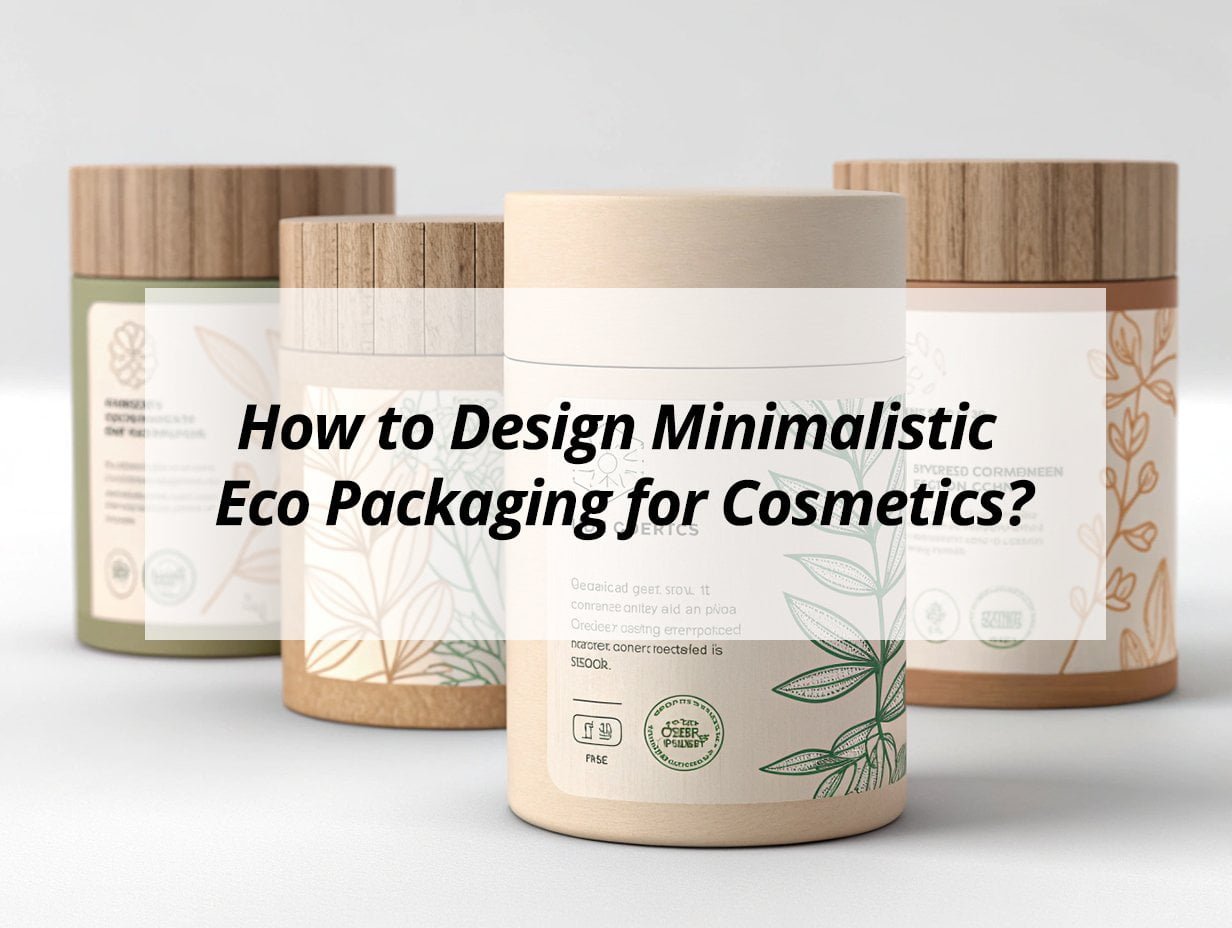
Creating packaging that is both stylish and sustainable is crucial in today's eco-conscious market. This post will explore strategies for designing minimalistic, eco-friendly cosmetic packaging.
Minimalistic eco-packaging combines simplicity and sustainability, reducing waste while elevating brand image. By using eco-friendly materials and elegant design, it appeals to environmentally conscious consumers, meeting their demand for sustainable products and boosting brand loyalty. Thoughtful design enhances both functionality and environmental responsibility.
By focusing on key strategies and principles, brands can effectively create packaging that resonates with modern consumer values.
What are the 7 R's of sustainable packaging?
Incorporating the principles of sustainable packaging is key to reducing environmental impact and building consumer trust.
The 7 R's of sustainable packaging—Reduce, Reuse, Recycle, Replenish, Re-imagine, Research, and Rot—provide a framework for creating eco-friendly packaging solutions that minimize environmental harm and enhance brand integrity.
the 7 R's
Each of the 7 R's guides brands in developing sustainable practices that underpin eco-friendly packaging.
-
Reduce: Focus on minimizing materials used in packaging. Streamlining design reduces waste and often lowers costs. For instance, by using lightweight materials, brands can decrease production and shipping emissions.
-
Reuse: Encourage consumers to repurpose packaging, extending its lifecycle. For instance, jars made from bamboo can be used as storage containers, encouraging a circular economy.
-
Recycle: Utilize materials that can be easily recycled, such as glass and certain plastics. Clearly label packaging to inform consumers about recyclable components, fostering a recycling culture.
-
Replenish: Invest in materials that are renewable, like bamboo and recycled paper. This supports the environment and enhances brand image, ensuring resources are not depleted faster than they can be replenished.
-
Re-imagine: Innovate new packaging solutions that disrupt traditional methods. Think outside the box to create standout designs tailored to market demands, perhaps by integrating digital elements that enhance user experience.
-
Research: Stay informed on the latest sustainability trends and materials to keep the brand competitive and responsible. Continuous learning ensures packaging evolves with environmental standards.
-
Rot: Choose biodegradable materials that break down naturally, reducing landfill waste. This approach caters to the growing need for environmentally responsible product life cycles.
| Principle | Description |
|---|---|
| Reduce | Minimize material use |
| Reuse | Extend packaging lifecycle |
| Recycle | Use recyclable materials |
| Replenish | Choose renewable resources |
| Re-imagine | Innovate new packaging solutions |
| Research | Stay updated on trends |
| Rot | Utilize biodegradable materials |
Leveraging these principles empowers brands to build sustainable and attractive packaging solutions. By integrating these practices, brands align with consumer values and contribute to a healthier planet.
How to design eco-friendly packaging?
The design of eco-friendly packaging combines aesthetics with practicality to meet consumer expectations and environmental responsibility.
Designing eco-friendly packaging involves selecting sustainable materials, optimizing package size, and incorporating minimalistic design elements to reduce environmental impact while aligning with market trends.
Design Strategies for Eco-Friendly Packaging
Effective eco-friendly packaging leverages several strategies to ensure sustainability without forsaking style.
-
Material Selection1: Opt for eco-friendly materials such as bamboo or recycled paper. These choices, offered by eco-friendly cosmetic packaging manufacturers, reduce waste and promote a green image. This not only establishes an ethical brand but also resonates with eco-conscious consumers.
-
Package Size Optimization2: Minimize packaging size to reduce material use and shipping costs. A compact design often appeals to consumers looking for convenient and portable products. Smaller packages also reduce carbon footprints, contributing to environmental conservation.
-
Minimalistic Design3 Elements: Embrace simplicity. A clean, uncluttered design is not only aesthetically pleasing but also signals sustainability. Use natural colors and simple typography to enhance this effect, making the packaging attractive and user-friendly.
-
Plastic-Free Options4: Incorporate alternatives like bamboo packaging or glass containers to avoid plastic. This approach caters to an increasing demand for plastic-free cosmetic packaging, ensuring the brand meets evolving market standards.
| Strategy | Benefit |
|---|---|
| Material Selection | Promotes sustainability and consumer appeal |
| Package Size Optimization | Reduces costs and environmental impact |
| Minimalistic Design | Enhances appeal and communicates values |
| Plastic-Free Options | Meets market demand for sustainability |
By following these design strategies, brands can craft packaging that meets ecological standards and consumer preferences. The integration of these elements helps in building a responsible brand identity that customers trust.
What are the 4 C's of packaging?
The 4 C's of packaging—Cost, Convenience, Cues, and Communication—are essential for successful packaging design.
Understanding the 4 C's helps brands create packaging that is cost-effective, user-friendly, visually appealing, and communicative of brand values, ensuring market success.
Understanding the 4 C's
These components are integral to designing packaging that resonates with consumers.
-
Cost: Balance quality materials with budget constraints. Eco-friendly designs can be cost-effective by reducing excessive materials. With careful planning, brands can achieve sustainability without a hefty price tag.
-
Convenience: Ensure packaging is easy to use and transport. Designs should focus on consumer experience, offering functionalities like resealable features that enhance usability and satisfaction.
-
Cues: Design elements like color and texture cue consumers to product benefits. Use these strategically to convey the product’s eco-credentials, providing subtle visual confirmation of the brand’s sustainable ethos.
-
Communication: Clearly present product information and sustainability credentials. Transparency builds trust and encourages eco-conscious purchasing decisions. Well-communicated packaging sustains brand loyalty and informs customers, promoting informed purchasing.
| Element | Description |
|---|---|
| Cost | Economical yet effective materials |
| Convenience | Consumer-friendly design |
| Cues | Visual and tactile brand communication |
| Communication | Informative packaging to build consumer trust |
Incorporating these aspects guides brands toward effective, sustainable packaging. This not only meets business goals but also enhances consumer engagement by aligning with their values.
What are the 5 R's for the creation of sustainable packaging?
Developing sustainable packaging relies on the 5 R's: Refuse, Reduce, Reuse, Recycle, and Rot.
The 5 R's encourage brands to refuse unnecessary materials, reduce excess, reuse resources, recycle effectively, and choose biodegradable options to create sustainable packaging aligned with environmental goals.
Embracing the 5 R's
Each R provides actionable guidelines for packaging that supports sustainability initiatives.
-
Refuse: Avoid non-essential packaging materials that contribute to waste. Streamline packaging to focus on what's necessary, reducing environmental impacts and costs.
-
Reduce: Lower the amount of material used in packaging development, conserving resources and cutting costs. This often results in more efficient production processes and more sustainable product lines.
-
Reuse: Design packaging with a secondary purpose, encouraging consumers to extend its life beyond the initial purchase. This reduces waste and creates additional value for customers.
-
Recycle: Use materials that can be easily recycled. Design with recycling in mind, selecting materials compatible with common systems, ensuring packaging contributes to a sustainable cycle.
-
Rot: Integrate biodegradable materials into packaging, ensuring it can naturally break down and reduce landfill impact. This choice promotes an eco-friendly brand image.
| Principle | Actionable Guidelines |
|---|---|
| Refuse | Eliminate unnecessary packaging components |
| Reduce | Minimize material usage |
| Reuse | Enable packaging reusability |
| Recycle | Use recyclable and compatible materials |
| Rot | Implement biodegradable packaging solutions |
Adhering to the 5 R's helps brands create packaging that not only meets ecological standards but also enhances consumer satisfaction. Embracing these principles builds a brand that is forward-thinking and responsible.
My Insights: Design Minimalistic Eco Packaging for Cosmetics
Looking to create packaging that’s both eco-friendly and elegantly simple? Here’s how minimalism and sustainability can redefine your cosmetic brand.
Minimalistic eco packaging involves using biodegradable materials, simple designs, and modular components to reduce waste. Prioritize clean aesthetics, functionality, and sustainability to appeal to environmentally-conscious consumers.
Minimalistic Eco Packaging Design
1. Key Principles
- Simplicity and Functionality: Streamlined shapes, clean lines, and restrained graphics minimize visual clutter. Incorporate refillable or reusable designs for convenience.
- Color Palette: Use neutral, earthy tones like white, beige, or soft pastels for an elegant yet understated appeal.
2. Eco-Friendly Material Choices
- Sustainable Materials: Opt for post-consumer recycled plastics, FSC-certified paperboard, bamboo, glass, or bioplastics for packaging.
- Innovative Options: Explore biodegradable materials or seed-infused paper for zero-waste solutions.
3. Packaging Structure and Features
- Reduced Material Use: Employ minimalist sleeves or wraps instead of full secondary boxes, featuring die-cut windows or modular components.
- Design for Recycling: Use mono-materials or clearly labeled components for easy disposal or reuse.
Summary Table
| Attribute | Design Focus | Material Choice |
|---|---|---|
| Aesthetic | Clean lines, simple graphics[2] | Neutral, earthy palette[4] |
| Environmental Impact | Minimal materials, eco-friendly inks[5] | Recycled/biodegradable materials[6] |
| Functionality | Refillable, right-sized packaging[3] | Mono-materials for recycling[3] |
By embracing minimalistic eco packaging, brands can enhance their appeal, reduce costs, and fulfill consumer demand for sustainable products.
Conclusion
Designing eco-friendly, minimalistic packaging is about balancing beauty and sustainability. Adopting the R principles ensures environmentally responsible solutions that attract consumers.
-
Find out which materials can promote sustainability and appeal to eco-conscious consumers. ↩
-
Learn how optimizing package size can reduce costs and environmental impact. ↩
-
Discover how minimalistic design can enhance brand appeal and communicate sustainability. ↩
-
Explore various alternatives to plastic that meet the growing demand for sustainable packaging. ↩