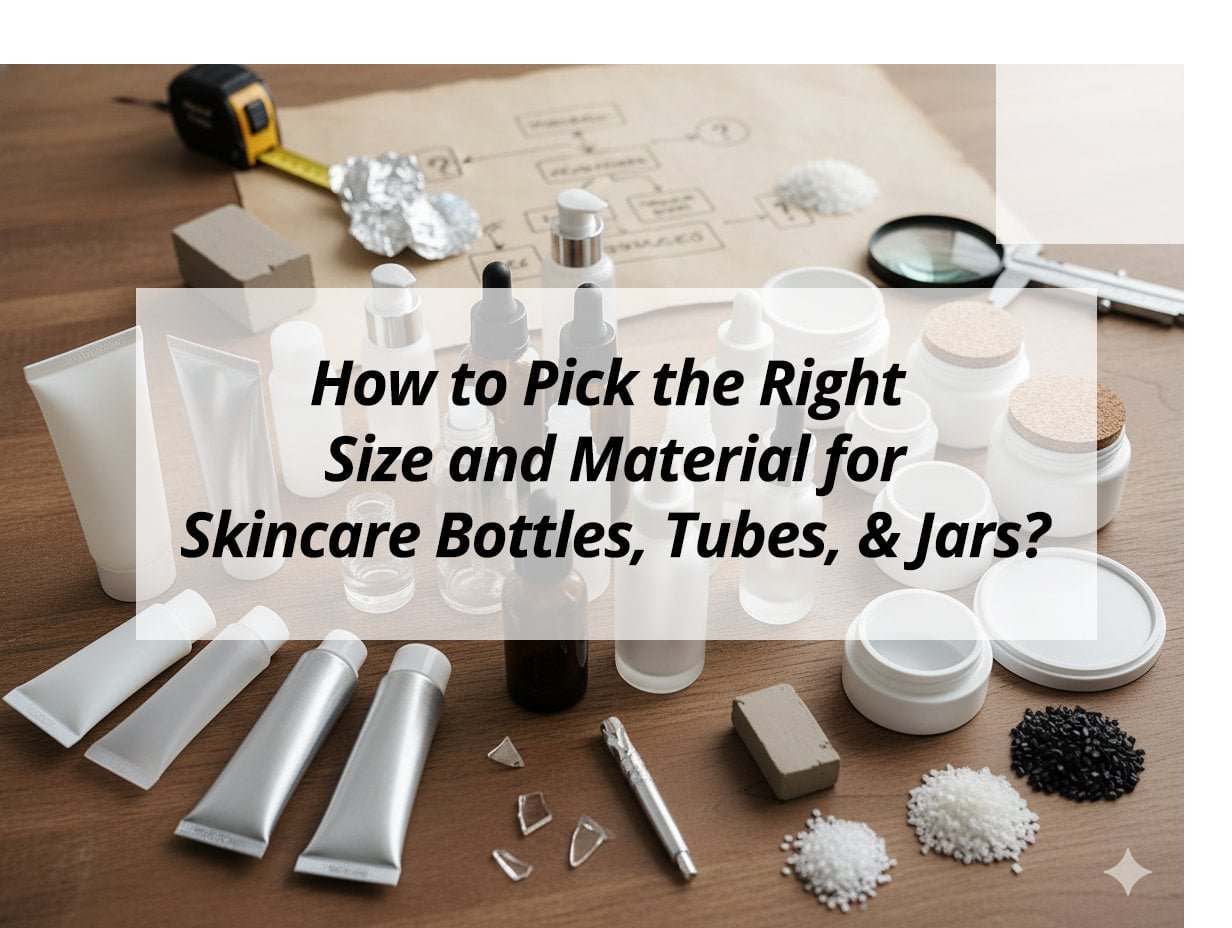
Choosing the correct packaging for skincare products can be a complex task. The wrong choice affects product integrity and market appeal. Understanding the options is key for any brand.
Selecting the appropriate size and material for skincare packaging is essential for product stability and consumer satisfaction. This decision impacts product protection, ease of use, and brand perception. Careful consideration ensures optimal performance and market fit.
Making an informed decision on packaging materials is very important. This helps maintain product quality. It also helps meet customer needs effectively.
What is the 1% rule in skincare?
Many skincare formulations use specific concentrations of active ingredients. Understanding how this impacts product effectiveness is crucial for packaging choices. What does the "1% rule" mean for skincare products?
The 1% rule in skincare often refers to the effective concentration of many potent active ingredients, such as retinol or certain peptides. At this concentration, ingredients can deliver significant benefits while minimizing potential irritation. This concept helps formulators determine appropriate product volumes and, consequently, packaging sizes.
This rule often guides product development. It suggests that a small amount of concentrated ingredient can be highly effective. This directly relates to the packaging volume1 needed for the final product.
Understanding Active Ingredient Efficacy
Active ingredients are compounds that target specific skin concerns.
- Retinoids: These are known for promoting cell turnover. They improve skin texture.
- Peptides: These help in collagen production. They reduce the appearance of wrinkles.
- Antioxidants: These protect skin from environmental damage. They maintain skin health.
Impact of Concentration on Formulation
The concentration of an active ingredient directly influences product strength.
- Low Concentrations: These are suitable for daily use. They are good for sensitive skin types.
- Higher Concentrations: These offer more intense results. They may require specific usage instructions.
Connecting Concentration to Packaging Volume
The potency of a formulation influences the required product amount per use.
- High-Potency Serums: These often come in smaller containers, like 15-30ml bottles. A few drops are typically sufficient for application.
- Body Lotions: These require larger volumes, often 100-200ml. They cover larger skin areas.
Table: Typical Product Sizes Based on Potency and Application
| Product Type | Common Volume (ml) | Primary Application Area | Potency Consideration |
|---|---|---|---|
| Concentrated Serums | 15-30 | Face, Neck | High (e.g., Retinol, Peptides) |
| Eye Creams | 5-15 | Eye Area | Moderate to High (targeted treatment) |
| Face Creams / Moisturizers | 30-60 | Face, Neck | Moderate (daily hydration, treatment) |
| Body Lotions / Oils | 100-200+ | Body | Low to Moderate (broad application) |
| Cleansers | 100-200+ | Face, Body | Low (rinse-off product) |
This table illustrates how varying product potencies and intended applications inform standard packaging volumes. It provides a framework for selecting appropriate container sizes.
What are the criteria for selecting packaging materials?
The choice of packaging material is very important for any skincare product. This decision affects many aspects, from product preservation to consumer interaction. What factors should guide the selection of packaging materials?
Selecting packaging materials requires evaluating several critical criteria. These include chemical compatibility with the product, protection against external elements like light and air, user experience, and cost-effectiveness. The material must also align with brand aesthetics and any sustainability objectives.
Careful consideration of these criteria helps ensure that the packaging adequately protects the product. It also ensures the packaging performs well in the market.
Chemical Compatibility and Product Integrity
The packaging material must not react with the product formulation.
- Ingredient Sensitivity: Some active ingredients can degrade when exposed to certain plastics. Glass or inert plastics are often preferred for such formulations.
- Preservative Systems: The interaction between packaging and preservatives can affect product stability. Testing is necessary.
Protection from Environmental Factors
Packaging shields the product from external damage.
- Light Degradation: UV light can break down sensitive ingredients. Opaque or amber-tinted packaging offers protection.
- Oxygen Exposure: Air can cause oxidation, leading to product degradation. Airless pumps or tightly sealed containers minimize this risk.
- Contamination: Packaging acts as a barrier against microbial contamination. Effective sealing mechanisms are vital.
User Experience and Dispensing
The material and design influence how easily and effectively a product is used.
- Dispensing Method: Pumps, droppers, and squeeze tubes offer different levels of control and hygiene.
- Tactile Feel: The texture and weight of the packaging contribute to the perceived quality.
- Durability: Packaging must withstand handling during shipping and daily use without breakage or leakage.
Table: Key Considerations for Packaging Material Selection
| Criteria | Detail | Impact on Product / Brand |
|---|---|---|
| Product Formulation | Acidity, oil content, active ingredients presence | Determines material compatibility, prevents degradation, ensures efficacy |
| Barrier Properties | Protection against UV light, oxygen, moisture | Maintains product stability, extends shelf life, prevents spoilage |
| Dispensing Method | Pump, dropper, jar, tube | Affects hygiene, ease of use, product waste, user satisfaction |
| Aesthetics | Transparency, color, finish, shape | Influences brand perception, shelf appeal, perceived value |
| Cost Implications | Material cost, production cost, shipping cost | Affects overall product pricing, profit margins, budget adherence |
| Sustainability Goals | Recyclability, recycled content, reusability | Supports eco-friendly brand image, meets consumer demand for sustainable options |
| Regulatory Compliance | Adherence to safety and material standards | Ensures market access, avoids legal issues, builds consumer trust |
This table outlines major criteria for material selection. Each point helps in making a holistic decision for skincare packaging. Considering these aspects is key to effective packaging strategies.
What are the packaging options for skincare?
The skincare market offers a wide array of packaging types. Each type serves different purposes and suits various product consistencies. What are the common packaging options available for skincare products?
Skincare packaging options primarily include bottles, jars, tubes, and airless dispensing systems. Each category provides unique advantages in terms of product protection, ease of application, and aesthetic appeal. The selection depends on the product's viscosity, sensitivity, and the desired consumer experience.
Understanding these different options is very important. It allows brands to match the packaging to the product. This ensures both functionality and market desirability.
Bottles for Liquid and Serum Formulations
Bottles are versatile containers, commonly used for liquids and thinner formulations.
- Glass Bottles: These are often chosen for their premium feel. They provide excellent chemical inertness for sensitive serums or oils. Many options are available from cosmetic glass jars wholesale suppliers.
- Plastic Bottles (PET, HDPE): These are lighter and more shatter-resistant. They are suitable for toners, micellar waters, and light lotions.
Jars for Creams and Balms
Jars are traditional choices for thicker formulations that require scooping.
- Glass Jars: These convey a sense of luxury and quality. They are often used for high-end creams and balms.
- Plastic Jars: These offer a lightweight and cost-effective alternative. They are common for body butters and masks.
Tubes for Controlled Dispensing
Tubes are ideal for products requiring precise application and hygienic dispensing.
- Squeeze Tubes: These are practical for creams, gels, and cleansers. They allow users to control the amount dispensed.
- Laminate Tubes: These offer good barrier protection. They are used for formulations sensitive to light or air.
Advanced Airless Systems
Airless packaging protects sensitive formulas from air exposure and contamination.
- Airless Pumps: These systems use a vacuum to dispense product. They prevent oxidation of delicate ingredients, extending shelf life.
- Airless Jars: These combine the convenience of a jar with the protective benefits of airless technology. They are good for high-value creams.
Specialized Applicators
Beyond basic containers, specific applicators enhance user experience.
- Roll-on Bottles: These are excellent for targeted treatments like eye serums or spot correctors.
- Dropper Bottles: These allow for precise dosage of highly concentrated serums.
Example: Choosing for a Vitamin C Serum
For a potent Vitamin C serum, an opaque airless pump bottle would be a suitable choice. Vitamin C is highly sensitive to light and air. An opaque bottle protects it from UV damage. The airless pump prevents oxidation. This combination ensures the product remains stable and effective for the user. Brands often consult with the best cosmetic packaging companies for such specialized solutions.
How to choose packaging material?
The decision of which material to use for skincare packaging is a critical one. It involves balancing product needs, brand identity, and market factors. How does one effectively choose the right packaging material for skincare?
Choosing packaging material involves a comprehensive assessment of the product's chemical properties, desired shelf life, and the target consumer's expectations. Factors such as environmental impact, manufacturing costs, and regulatory requirements also play a significant role. The final selection must ensure product integrity and market appeal.
A methodical approach to material selection helps avoid common pitfalls. It leads to packaging that is both functional and strategically aligned with the brand's objectives.
Assess Product Formulation Needs
The specific characteristics of the skincare product dictate material requirements.
- Active Ingredient Stability: Formulations with volatile or light-sensitive ingredients demand materials with strong barrier properties, such as amber glass or airless plastic.
- Viscosity: Thicker creams require rigid containers like jars. Lighter liquids are suitable for bottles with pumps or droppers.
- Chemical Interactions: Certain ingredients can leach chemicals from incompatible plastics. Extensive testing is important to prevent product degradation or contamination.
Define Target Market and Brand Image
The chosen material communicates brand values and appeals to specific consumer segments.
- Premium Positioning: Glass often conveys luxury and quality. Heavy, frosted glass cosmetic glass jars wholesale options can enhance this perception.
- Eco-Conscious Consumers: Materials like PCR (Post-Consumer Recycled) plastic or easily recyclable glass align with sustainability values.
- Practicality and Durability: Lightweight and shatter-resistant plastics are preferred for travel-friendly or everyday products.
Evaluate Functional and Economic Factors
Practical considerations heavily influence the material choice.
- Manufacturing and Filling Processes: The chosen material must be compatible with existing production lines and filling equipment.
- Cost-Effectiveness: Material cost, tooling expenses, and shipping weight all impact the overall budget. Balancing quality with affordability is key.
- Supply Chain Logistics: Availability of materials, lead times, and ease of transportation are important for efficient production schedules.
Table: Comprehensive Material Selection Checklist
| Category | Consideration | Impact on Packaging Choice |
|---|---|---|
| Product Analysis | Chemical composition, pH, viscosity, active ingredients | Determines material compatibility, barrier requirements, dispensing mechanism |
| Protection Needs | Sensitivity to light, oxygen, moisture, temperature | Informs material opacity, sealing mechanism, airless system necessity |
| Brand Identity | Luxury, natural, scientific, minimalist, eco-friendly | Influences material aesthetic (glass, frosted plastic), color, texture |
| Target Audience | Age, income level, lifestyle, purchasing habits | Affects perceived value, convenience factors, willingness to pay for premium packaging |
| Cost & Budget | Material unit cost, production complexity, shipping weight | Dictates overall project viability, material quantity, choice between high-end and standard |
| Sustainability | Recyclability, recycled content, reusability, biodegradability | Guides selection towards eco-friendly options, aligns with corporate social responsibility |
| User Experience | Ease of dispensing, portability, durability | Influences container shape, closure type, material strength, customer satisfaction |
| Regulatory | FDA, EU, regional compliance for materials | Ensures product safety, legal market access, avoids recalls |
This checklist provides a structured approach for material selection. By systematically reviewing each point, brands can make informed decisions. This leads to effective and compliant skincare packaging.
My Insights: Choosing the Right Size and Material for Skincare Packaging
Struggling to choose the right packaging for your skincare line? Discover how size and material impact product stability, user experience, and brand image.
Select skincare packaging by matching size to customer usage and material to product needs. Glass offers luxury for sensitive formulas, while plastics provide durability and flexibility. Consider eco-friendly materials2 for sustainability, and sizes that align with retail and shipping standards to optimize user convenience and brand alignment.
Factors in Skincare Packaging Decisions
Size Selection:
- Match size to product usage: 15-30ml for serums; 100-200ml for daily cleansers.
- Portability: Tubes (30-100ml) for creams; jars (15-50ml) to minimize contamination.
Material Options:
| Material Type | Benefits | Considerations |
|---|---|---|
| Glass | Luxurious, non-reactive | Heavy, breakable |
| PET Plastic | Clarity, shatterproof | Less premium feel |
| HDPE Plastic | Acid resistance for lotions | Not as clear |
| Acrylic | Premium look for jars | More expensive |
Packaging by Type:
- Bottles: PET or glass; airless pumps for sensitive formulas.
- Tubes: Laminated plastics; eco-friendly options available.
- Jars: Glass or PET; ensure wide mouths and secure seals.
Key Considerations:
- Test compatibility for stability, consider UV protection for actives.
- Align materials with brand image: luxury with glass, affordability with plastic.
- Opt for sustainable materials like recyclable PCR to meet eco-trends.
Choose packaging that enhances product quality, supports your brand identity, and meets consumer and environmental expectations.
Conclusion
Selecting the appropriate size and material for skincare packaging is a multifaceted decision. It requires careful consideration of product formulation, protection needs, and brand objectives. This strategic choice ultimately secures product integrity and enhances consumer appeal.