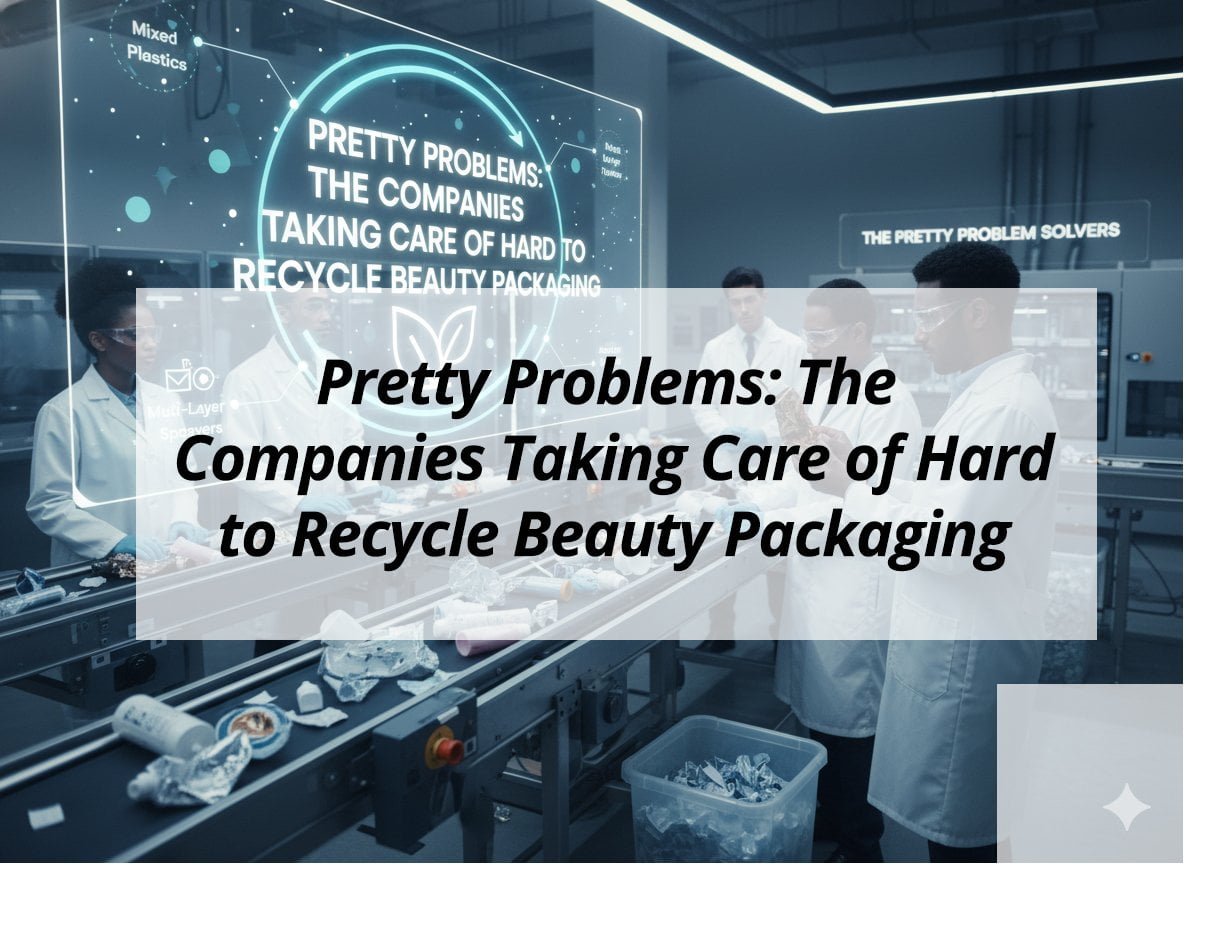
Beauty packaging often poses recycling challenges. Many materials are complex and hard to process. This creates a big problem for the environment.
Many companies are now addressing the issue of hard-to-recycle beauty packaging. They use innovative programs, partnerships, and design changes to improve recycling rates. These efforts help divert waste from landfills. They also offer consumers better options for disposing of their used beauty products responsibly.
Let's explore how companies are tackling this problem. We will look at current recycling limitations, challenging materials, and solutions in the beauty industry.
Can Cosmetic Packaging Be Recycled?
Many consumers wonder if their cosmetic packaging1 can be recycled. The answer is often not simple. It depends on the materials used and local recycling facilities.
Some cosmetic packaging can be recycled, particularly items made of common plastics, glass, or aluminum. However, many components, like small parts, mixed materials, or items with pumps and mirrors, are difficult to recycle through standard municipal systems. This complexity means that a significant portion often ends up in landfills.
In my work, I often get questions about recycling. Clients want to know if their chosen packaging can be recycled easily. I explain that while some materials are straightforward, others require special programs. For example, a simple glass jar is easier than a multi-component airless pump.
What Types of Cosmetic Packaging Are Recyclable?
The recyclability of cosmetic packaging varies greatly.
- Easily Recyclable:
- Glass Jars and Bottles: Clear and amber glass are usually widely accepted in curbside recycling.
- Plastic Bottles and Jars (PET, HDPE): Common plastics like those used for shampoo or lotion bottles are often recyclable if clean.
- Aluminum Tins and Tubes: Aluminum is highly recyclable and widely accepted.
- Challenging to Recycle (but possible through special programs):
- Pumps and Sprayers: These often contain mixed materials (plastic, metal spring).
- Lipstick Tubes and Compacts: These usually have small mirrors, magnets, or multiple plastic types.
- Squeeze Tubes (Toothpaste-like): Made of mixed layers of plastic and sometimes aluminum.
- Small Plastic Items: Items smaller than a credit card can fall through sorting machinery.
Why is Cosmetic Packaging Recycling So Difficult?
Several factors make recycling beauty packaging problematic.
| Factor | Description | Impact on Recycling |
|---|---|---|
| Mixed Materials | Packaging often combines different plastics, metals, glass, etc. | Hard to separate for processing, often rejected by standard recyclers. |
| Small Size | Tiny caps, brushes, and compacts are too small for sorting machines. | Fall through screens, end up in landfill. |
| Product Residue | Leftover creams, makeup, or oils contaminate recyclable materials. | Can make entire batches unrecyclable. |
| Specialized Components | Pumps, mirrors, magnets, and applicators are not standard recyclable. | Require manual separation or specialized facilities. |
| Lack of Consumer Knowledge | Consumers do not know what or how to recycle specific items. | Leads to "wish-cycling" (recycling non-recyclables) or discarding good items. |
What Solutions are Emerging?
Companies and organizations are developing solutions.
- Take-Back Programs: Brands collect their own packaging for specialized recycling.
- Partnerships with Recyclers: Collaborating with companies like TerraCycle to handle hard-to-recycle items.
- Design for Recyclability: Creating packaging from a single material or easily separable components.
Cosmetic packaging recycling is improving. But it needs continued effort from brands, consumers, and recycling facilities.
What Beauty Products Cannot Be Recycled?
Many beauty products come in packaging that cannot be recycled through standard curbside programs. This creates a significant waste challenge for the industry.
Beauty products that are generally not recyclable include items with pumps, small components like lipstick tubes2 or eyeliner caps, and packaging made from mixed materials. Products with mirrors, magnets, or significant product residue also fall into this category. These items often require specialized collection or disposal methods.
I often see confusion about what is recyclable and what is not. For example, a client might assume all plastic is recyclable. But small plastic parts, or those with metal springs, are usually not. It is important to know the specific limits of municipal recycling.
What are Common Non-Recyclable Beauty Items?
Many common beauty items pose recycling difficulties.
- Pumps and Spray Nozzles: These typically combine different types of plastic and metal springs. They are very hard to separate for recycling.
- Lipstick and Lip Balm Tubes: Often made of mixed plastics, sometimes with tiny metal parts or mechanisms.
- Mascara Wands and Tubes: Usually made of plastic, but the wand and brush are often contaminated with product and too small.
- Eyeliner Pencils and Caps: Small, often mixed materials, and difficult to clean.
- Eyeshadow Palettes and Compacts: These often include mirrors, small metal pans, or mixed plastic types, making them impossible for standard recycling.
- Squeeze Tubes (for creams, cleansers): Many are made of multi-layer plastics, which are hard for recycling facilities to process.
- Nail Polish Bottles: The glass is often coated, and the caps and brushes are mixed materials. Residual polish is also a problem.
- Product Testers/Samples: These tiny packets or containers are almost always too small and made of mixed materials.
- Disposable Wipes/Pads Packaging: Often multi-layer flexible plastics that are not curbside recyclable.
Why Do These Items Pose a Problem?
The challenges stem from specific design and material choices.
- Material Complexity: Combining different plastics, metals, and glass in one piece.
- Size Constraints: Items smaller than 2-3 inches often fall through sorting machinery.
- Contamination: Leftover product, especially oily or sticky substances, can spoil entire batches of recyclables.
- Special Features: Mirrors, magnets, and applicators are not designed for standard recycling processes.
What Can Be Done About Non-Recyclable Items?
Consumers and brands can take specific actions.
- Seek Out Take-Back Programs: Many brands and retailers offer specialized programs for their hard-to-recycle items.
- TerraCycle: Partner with companies like TerraCycle, which offer paid or free programs to recycle specific beauty waste streams.
- Minimize Purchases: Choose products with simpler packaging that is known to be recyclable or reusable.
- Clean Thoroughly: If an item is potentially recyclable, clean it as much as possible to remove residue.
Understanding which beauty products cannot be recycled is the first step. This helps in making better purchasing decisions and finding alternative disposal methods.
What Percentage of Cosmetics Packaging is Recycled and Why is Recycling So Low?
The recycling rate for cosmetic packaging remains low globally. This is a significant environmental concern for the beauty industry. Understanding the numbers and reasons is crucial for change.
The percentage of cosmetic packaging that is actually recycled is estimated to be very low, often less than 10-20% for plastics globally. This low rate is due to a combination of factors: mixed material packaging, small item sizes, product residue contamination, and a lack of clear consumer education and accessible specialized recycling infrastructure.
I've learned that despite good intentions, the reality of cosmetic recycling is tough. We ship many kinds of packaging. It is a big challenge to make sure it all gets recycled. Understanding these obstacles helps us find better solutions.
What are the Key Statistics on Cosmetic Packaging Recycling?
Exact global numbers are hard to pinpoint. However, several reports highlight the issue.
- Low Overall Rate: Many estimates suggest that globally, less than 20% of plastic cosmetic packaging is recycled. Some figures are as low as 9-14%.
- Plastic Dominance: Plastic makes up a large portion (often over 70%) of all cosmetic packaging. This contributes significantly to plastic waste.
- Linear System: Most cosmetic packaging follows a linear "take-make-dispose" model. This means materials are used once and then thrown away.
Why are Recycling Rates for Cosmetics Packaging So Low?
Several interconnected reasons explain the poor recycling performance.
| Reason | Explanation | Impact on Recycling Rate |
|---|---|---|
| Material Complexity | Packaging often uses multiple plastic types or mixes plastic with metal, glass. | Makes sorting difficult for recycling machinery. |
| Small Size of Components | Items like caps, droppers, and small tubes fall through sorting screens. | Sent to landfill instead of being recycled. |
| Product Contamination | Residual makeup, creams, or oils pollute recyclable plastics or glass. | Contaminated materials are often rejected by recycling facilities. |
| Lack of Clear Labeling | Consumers do not know what symbols mean or if local facilities accept items. | Leads to confusion, "wish-cycling," or discarding. |
| Limited Infrastructure | Many municipal recycling programs are not equipped to handle complex cosmetic packaging. | Specialized materials have no viable recycling path. |
| Economic Challenges | Collecting, sorting, and processing small, complex, contaminated packaging is costly. | Low profitability for recyclers, less incentive to invest. |
What is Needed to Improve Recycling Rates?
Improving these rates requires a multi-pronged approach.
- Design for Recyclability: Brands must design packaging with simpler, mono-materials.
- Enhanced Infrastructure: Investment in advanced sorting and recycling technologies.
- Producer Responsibility Schemes: Companies take financial responsibility for their packaging's end-of-life.
- Consumer Education: Clear, consistent, and easy-to-understand instructions on how to recycle.
- Take-Back and Refill Programs: Brands establish systems to collect and reuse their own packaging.
The low recycling rate of cosmetic packaging is a systemic issue. It needs systemic solutions from all stakeholders.
Is Clinique Packaging Recyclable?
Consumers often look to major brands for their sustainability efforts. Clinique, as a well-known beauty brand, has been addressing packaging recyclability, but the situation is not always simple.
Clinique is increasingly focused on making its packaging more recyclable and sustainable. Many of their glass jars3 and some plastic bottles4 are designed to be recyclable through standard curbside programs once cleaned. However, certain components like pumps, applicators, and multi-material compacts remain challenging. Clinique also participates in broader recycling initiatives to address hard-to-recycle items.
As a packaging supplier, I see brands like Clinique making efforts. They want to meet consumer demand for greener products. But the reality of recycling can be complex. It is a journey for all brands.
What is Clinique's Approach to Packaging Recyclability?
Clinique, like its parent company Estée Lauder Companies, has stated goals for packaging sustainability.
- Recyclable Materials: They prioritize using materials like glass and certain types of plastics (PET, HDPE) that are widely accepted in recycling programs.
- Eliminating Virgin Plastic: Clinique aims to increase the use of Post-Consumer Recycled (PCR) content in its plastic packaging.
- Design for Recyclability: Efforts are made to design packaging that is easier to disassemble or made from single materials to aid recycling.
- Partnerships and Programs: Clinique actively participates in programs like the national Recycle at Macy's program (in the US), which allows consumers to drop off empty beauty packaging from any brand for recycling. They also work with organizations like TerraCycle.
What Clinique Packaging is Generally Recyclable?
Many of Clinique's core products come in packaging designed for recycling.
- Glass Jars: Most glass jars for face creams or eye creams are recyclable after rinsing.
- Plastic Bottles: Many plastic bottles, especially those for toners or cleansers made from PET or HDPE, are recyclable if emptied and rinsed.
- Aluminum Tubes: Some products may come in aluminum tubes which are generally recyclable.
What Clinique Packaging Remains Challenging to Recycle?
Like many beauty brands, Clinique faces challenges with certain components.
- Pumps and Droppers: These multi-material components (plastic, metal spring, glass pipette) are generally not recyclable curbside.
- Compact Cases: Items like powder compacts or eyeshadow palettes often contain mirrors, metal pans, or mixed plastics. These are not typically recyclable through standard means.
- Lipstick and Mascara Components: These small, often multi-material items are hard to process.
- Sample Sizes: Tiny packaging is usually too small for sorting machines.
Clinique's commitment to recyclable packaging is clear. However, consumers need to understand local recycling rules and seek out specialized programs for challenging items. Checking the brand's website for specific instructions is always a good practice.
My Insights: Tackling Hard-to-Recycle Beauty Packaging
Frustrated with beauty packaging waste? Discover the companies turning recycling challenges into sustainable opportunities.
Innovative companies address the problem of hard-to-recycle beauty packaging5 by implementing consumer recycling programs, collaborating with specialized facilities, and utilizing biodegradable materials. These efforts significantly reduce landfill impact and promote sustainable practices in the beauty industry.
The Companies Solving Beauty Packaging Recycling Issues
Key Challenges:
Beauty packaging often fails to recycle effectively due to small sizes, multi-material compositions, and residue contamination. Items like pumps and laminated films contribute to a non-recycle rate of 20-25%, disrupting sorting processes.
TerraCycle & Pact Collective:
TerraCycle collaborates with retailers like Nordstrom and brands such as Garnier to collect packaging via mail-back or drop-off points, repurposing materials into practical items like benches. Pact Collective unites over 170 firms with education and collection initiatives, diverting significant amounts from landfills.
Other Initiatives:
Sephora’s Beauty (Re)Purposed program collected over 10,000 pounds of waste, while UK-based recycle:me offers doorstep pickups for Extended Producer Responsibility compliance. Glow Recipe educates consumers on packaging disassembly to enhance recycling rates.
Recycling Solutions Overview:
| Company | Initiative | Impact |
|---|---|---|
| TerraCycle | Downcycling into benches/playground items | Diverts waste from landfills |
| Pact Collective | Upcycling and molecular recycling | Collaborates with 170+ beauty firms |
| Sephora | Collection program | Collected >10,000 pounds of waste |
Companies are transforming beauty packaging recycling by creating programs that educate consumers, optimize collection systems, and use innovative recycling technologies—thus addressing environmental challenges effectively.
Conclusion
Recycling hard-to-dispose beauty packaging is a complex but solvable problem. Companies are using innovative programs and design changes. Consumers must also participate. This collective effort will lead to a greener beauty industry.
-
Understanding cosmetic packaging is crucial for making informed recycling choices. ↩
-
Learn about the materials in lipstick tubes that complicate recycling efforts. ↩
-
Discover the recyclability of glass jars to ensure proper disposal and sustainability. ↩
-
Find out which plastic bottles can be recycled to reduce waste in the beauty industry. ↩
-
Understanding the challenges can help consumers make informed choices and support sustainable brands. ↩