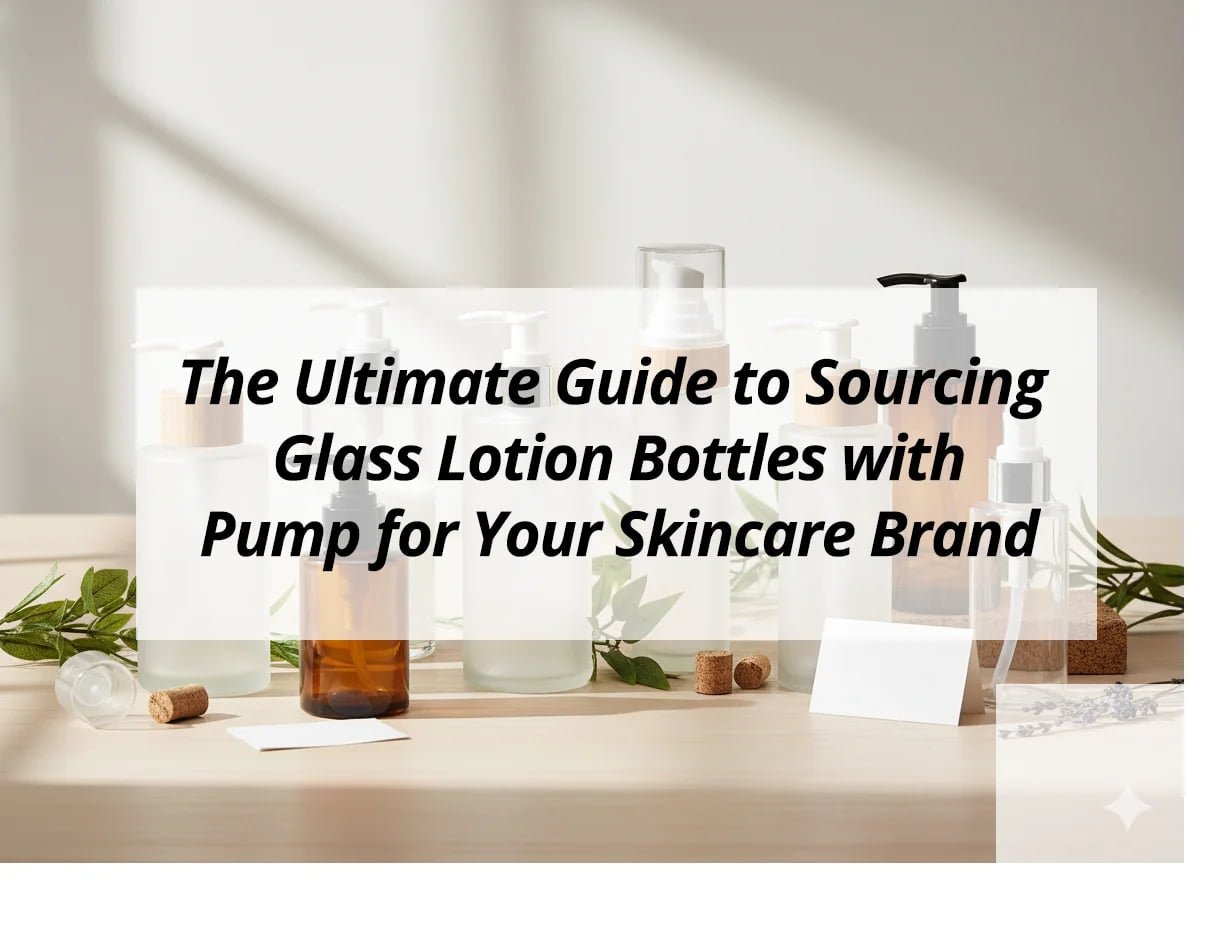
Choosing appropriate packaging for skincare products is a critical decision. Inadequate selections can compromise product integrity, detract from brand perception, and lead to consumer dissatisfaction. This guide provides comprehensive information on sourcing glass lotion bottles with pumps.
Sourcing glass lotion bottles with pumps for a skincare brand involves careful selection of chemically inert glass and a compatible, efficient pump mechanism. Key factors include glass material properties, pump dispenser functionality, aesthetic alignment with brand image, and the reliability of packaging suppliers to ensure product stability and consumer appeal.
This article explores the fundamental aspects of glass bottle and pump selection, offering insights for informed procurement.
What is the most eco-friendly packaging for cosmetics?
The demand for eco-friendly packaging1 in the cosmetics industry is increasing. Non-sustainable packaging choices can negatively impact brand image and environmental goals. Understanding sustainable options is therefore essential for modern brands.
The most eco-friendly packaging for cosmetics typically comprises materials that are highly recyclable, reusable, or composed of recycled content, such as glass, aluminum, or Post-Consumer Recycled (PCR) plastics. Additionally, designs that minimize material usage and facilitate refilling significantly contribute to environmental sustainability.
This section delves into the characteristics of eco-friendly packaging materials and relevant sustainability strategies.
Eco-Friendly Packaging Materials
Different materials possess varying environmental footprints. Recognizing these distinctions is crucial for making sustainable packaging decisions.
| Material | Key Eco-Friendly Attributes | Practical Considerations | Optimal Cosmetic Applications |
|---|---|---|---|
| Glass | Highly recyclable, reusable, chemically inert, premium feel | Heavier weight, fragility, potential for higher transport emissions | Serums, lotions, creams, fragrances (for perceived value) |
| Aluminum | Highly recyclable, lightweight, durable, good barrier | Energy-intensive in primary production, but high recycling efficiency | Sprays, creams, tubes (especially for light-sensitive products) |
| PCR Plastics | Utilizes existing plastic waste, reduces virgin material demand | Quality and purity can vary, potential for aesthetic limitations | Bottles, jars, tubes (common for many product types) |
| Bamboo | Renewable, biodegradable, natural aesthetic (for external components) | Limited for direct product contact, variable durability | Caps, outer casings, decorative elements |
| Paper/Cardboard | Recyclable, biodegradable, renewable (for secondary packaging) | Unsuitable for direct liquid contact, susceptible to moisture | Outer boxes, product sleeves, informational inserts |
Glass is frequently cited for its environmental benefits due to its high recyclability and inertness. However, its weight and fragility present logistical challenges. Aluminum offers high recyclability and is lightweight, though its primary production is energy-intensive. PCR plastics contribute to circular economy principles by repurposing existing plastic waste. Renewable materials like bamboo and paper are effective for secondary or accent packaging.
Strategies for Sustainable Packaging Implementation
Material selection is one aspect of sustainable packaging. Broader strategies are also necessary to reduce environmental impact across the product lifecycle.
- Material Reduction: Designing packaging to use the minimum amount of material necessary. This reduces overall resource consumption and waste.
- Reuse and Refill Systems: Developing packaging solutions that encourage consumers to reuse containers, often through refillable components or pouches. This significantly cuts down on single-use waste.
- Enhanced Recyclability: Ensuring packaging materials are easily recyclable within common municipal recycling infrastructures. Clear labeling aids consumer sorting.
- Biodegradable Options: Employing materials that naturally decompose for components where recycling is not feasible.
- Local Sourcing: Sourcing packaging materials and components from nearby suppliers to minimize transportation distances and associated carbon emissions.
Implementing these strategies demonstrates a commitment to environmental stewardship and can enhance brand appeal among eco-conscious consumers.
How to pack a lotion bottle with a pump?
The process of filling a lotion bottle with a pump requires precision to ensure proper pump functionality and product integrity. Incorrect filling techniques can lead to pump malfunction or air entrapment, which affects the user experience.
To effectively pack a lotion bottle with a pump, ensure all components are thoroughly cleaned and sanitized. Fill the bottle carefully, leaving adequate headspace to accommodate the pump's displacement. Insert the pump straight and secure the cap firmly without overtightening. Priming the pump may be necessary to expel air and initiate product flow.
This section details the methodical steps for correctly filling lotion bottles equipped with pump dispensers.
Steps for Filling Lotion Bottles with Pumps
Accurate filling procedures are essential for optimal pump performance and product preservation. These steps outline best practices for both manual and automated processes.
| Step | Description | Best Practice for Optimal Results |
|---|---|---|
| 1. Component Sanitization | Thoroughly clean and sterilize all bottles and pump assemblies. | Utilize appropriate sanitizing agents. Ensure complete drying to prevent microbial contamination. |
| 2. Lotion Preparation | Verify the lotion's consistency and temperature for efficient filling. | Adjust viscosity if necessary for smoother flow. Maintain homogeneity to prevent ingredient separation. |
| 3. Precise Bottle Filling | Dispense lotion into the bottle with controlled accuracy. | Leave a headspace of approximately 1-2 cm from the top rim. This prevents overflow when the pump is inserted. |
| 4. Pump Insertion | Position the pump's dip tube vertically into the bottle. | Prevent bending or kinking the dip tube. This ensures unobstructed product draw-up. |
| 5. Secure Cap Fastening | Screw the pump cap onto the bottle firmly. | Hand-tighten to create a secure seal. Avoid overtightening, which can damage the bottle neck or cap mechanism. |
| 6. Pump Priming (as needed) | Actuate the pump several times to draw lotion up the dip tube and expel air. | This step resolves initial air locks and ensures immediate product dispensing upon first use by the consumer. |
| 7. Leak Inspection | Visually inspect the sealed bottle for any signs of product leakage. | Check the seal around the cap and the nozzle for any seepage. |
For high-volume production, automated filling machines are employed to ensure consistent fill levels and minimize contamination. Regardless of scale, proper headspace management is critical to prevent product overflow and allow for thermal expansion.
Addressing Common Filling Challenges
Potential issues can arise during the filling process. Proactive identification and resolution are key to maintaining production efficiency and product quality.
- Air Bubbles: May occur during filling. Gently tap the bottle on a flat surface to encourage air release and settling of the lotion.
- Non-Functioning Pump: Often due to air trapped within the dip tube. Repeatedly priming the pump typically resolves this by drawing the product up.
- Product Leakage: Can result from an insufficiently tightened cap or, conversely, from overtightening which may compromise the seal. Verify correct torque.
- Contamination: Insufficient sanitation of bottles or equipment is a primary cause. Strict adherence to sanitization protocols is essential.
Proper training and adherence to established filling procedures are vital for minimizing these common problems and ensuring a high-quality finished product.
What are glass pump bottles used for?
Glass pump bottles are highly versatile containers. They are widely utilized across various industries for dispensing a range of liquid products. Their application spans cosmetic, personal care, and household sectors.
Glass pump bottles are primarily used for dispensing cosmetic, skincare, and household products due to glass's chemical inertness, aesthetic appeal, and protective properties. They are ideal for lotions, serums, liquid foundations, liquid soaps, and essential oil blends where product purity, elegant presentation, and controlled dosage are paramount.
This section explores the diverse applications of glass pump bottles2 and the reasons for their widespread preference.
Primary Applications of Glass Pump Bottles
Glass pump bottles are a preferred packaging choice for products that benefit from their unique material characteristics and dispensing mechanism.
| Product Category | Rationale for Using Glass Pump Bottles | Key Functional Advantage |
|---|---|---|
| Lotions & Creams | Protects sensitive formulations, facilitates hygienic dispensing. | Hygienic application, controlled dosage, luxurious feel. |
| Serums & Facial Oils | Inert glass preserves active ingredients, allows precise application. | Prevents chemical degradation, accurate topical dosing. |
| Liquid Foundations | Offers an elegant presentation, ensures consistent product dispense. | Smooth, consistent application, high-end product image. |
| Liquid Soaps & Sanitizers | Hygienic, durable for frequent use, attractive for display. | Easy dispensing, reusability, suitable for bathroom environments. |
| Essential Oil Blends | Glass prevents oil degradation, controls dosage precisely. | Preserves therapeutic potency, prevents contamination. |
| Hair Treatment Products | Dispenses specific amounts for targeted application and even distribution. | Accurate dosing, minimizes product waste. |
Glass pump bottles are highly favored for lotions and creams due to glass's stability and the pump's ability to provide a consistent, hygienic dose. For serums and facial oils, the inert nature of glass is critical in preserving delicate active ingredients. Liquid foundations benefit from the elegant presentation of glass and the pump's smooth dispensing action. In household settings, they are chosen for liquid soaps and sanitizers for their durability and reusable qualities. For essential oil blends, glass ensures the potency of the oils is maintained.
Advantages of Glass Pump Bottle Packaging
The selection of glass pump bottles offers several distinct advantages that contribute to both product quality and consumer satisfaction.
- Product Stability: Glass is non-reactive. It prevents chemical interactions between the container and the product, preserving formulation purity.
- Premium Presentation: Glass conveys a sense of quality and luxury. This enhances the perceived value of the product and aligns with high-end brands.
- Controlled Dispensing: The pump mechanism delivers a consistent, measured amount of product with each actuation. This prevents waste and ensures efficient use.
- Enhanced Hygiene: The pump minimizes direct contact with the product inside the bottle. This reduces the risk of contamination and maintains product sterility.
- Environmental Responsibility: Glass is highly recyclable and often reusable. This appeals to consumers seeking sustainable packaging options.
These combined advantages make glass pump bottles a compelling choice for brands prioritizing product integrity, aesthetic appeal, and functional performance.
How to transfer lotion to a glass bottle?
Transferring lotion to a glass bottle must be executed with care to maintain product quality and prevent waste. Improper techniques can lead to spills, air entrapment, or potential contamination, impacting product efficacy and presentation.
To successfully transfer lotion to a glass bottle, prepare by sanitizing all tools and containers, including a funnel or spatula. For liquid lotions, use a funnel for clean pouring. For thicker lotions, a spatula or piping bag helps control placement and minimize air bubbles. Always ensure adequate headspace and seal the bottle securely afterward.
This section provides a step-by-step guide for clean and efficient lotion transfer.
Essential Tools and Preparation
Thorough preparation and the use of appropriate, sanitized tools are fundamental to a successful and hygienic transfer process.
| Tool | Primary Function | Essential Preparation |
|---|---|---|
| Glass Bottle (Target) | The final container for the lotion. | Thoroughly wash, sanitize, and completely air dry to prevent contamination. |
| Funnel | Directs liquid lotion into narrow bottle openings. | Sanitize before use. Select a funnel with a spout appropriate for the bottle neck. |
| Spatula/Scoop | Facilitates scraping and transferring thicker lotions. | Sanitize before use. Ensure material is inert and non-reactive with lotion. |
| Piping Bag (Optional) | Offers controlled, precise filling for viscous lotions. | Ensure bag is clean and sterile. Cut an appropriate opening size at the tip. |
| Original Container | Holds the lotion prior to transfer. | Maintain cleanliness to avoid contaminating the lotion during transfer. |
| Disposable Gloves | Protect hands and prevent product contamination. | Wear clean, disposable gloves throughout the transfer process. |
Sanitization is the most critical initial step. Any residual contaminants can compromise the lotion's integrity. All tools and containers must be rigorously cleaned and completely dried before use.
Detailed Transfer Process
The method of transferring lotion varies based on its viscosity. Distinct approaches are necessary for liquid versus thick formulations to optimize efficiency and minimize issues.
For Liquid or Thin Lotions:
- Funnel Placement: Insert the clean, sanitized funnel securely into the neck of the glass bottle.
- Controlled Pouring: Slowly and steadily pour the liquid lotion into the funnel. Avoid rapid pouring to prevent spills and the formation of air bubbles.
- Headspace Management: Cease pouring when approximately 1-2 cm of space remains below the bottle's rim. This ensures room for pump insertion and product expansion.
For Thick or Viscous Lotions:
- Spatula or Piping Bag Use: For thicker lotions, use a sanitized spatula to carefully transfer the lotion into the bottle. Alternatively, a piping bag provides superior control and minimizes air pockets.
- Gradual Filling and Settling: Fill the bottle in small increments. Gently tap the bottle on a flat, sanitized surface between fills. This helps to settle the lotion and release any trapped air bubbles.
- Preventing Air Pockets: Aim to fill the bottle from the bottom upwards. This technique reduces the likelihood of creating large air pockets within the lotion.
- Headspace Maintenance: As with liquid lotions, ensure 1-2 cm of headspace is left at the top of the bottle.
Following the transfer, any lotion residue on the bottle neck should be wiped clean. Then, the pump can be inserted and securely fastened. This ensures a clean, professionally filled product ready for use.
My Insights: Navigating Glass Lotion Bottle Sourcing for Skincare Brands
Need glass lotion bottles3 with pumps for your skincare brand? Discover how to make choices that enhance aesthetics, protect formulas, and resonate with eco-conscious consumers.
Sourcing glass lotion bottles involves selecting UV-protective glass, compatible pumps, and customization options. Prioritize sustainable materials, ensure product compatibility, and vet suppliers for quality and reliability to align with your brand's goals.
Strategic Considerations for Sourcing
Packaging Requirements:
- Glass Type: Choose between amber or cobalt for UV protection, clear or frosted for aesthetics.
- Pump Selection: Opt for standard lotion pumps or airless pumps based on formula viscosity and preservation needs.
Supplier Evaluation:
| Criteria | Details |
|---|---|
| Supplier Types | Global manufacturers or regional distributors |
| Evaluation | Look at customization options and track record |
| Commercial Basics | Clarify MOQs, pricing, delivery times |
Testing and Sustainability:
- Quality Checks: Ensure compatibility with your formula through stability and leakage tests.
- Sustainability: Select recyclable glass and minimal-plastic options to appeal to eco-conscious consumers.
Plan for scale with inventory strategies, maintain logistics efficiency, and communicate sustainability choices clearly to customers. Tailoring sourcing strategies to your brand’s vision can significantly impact your product’s market positioning.
Conclusion
Sourcing glass lotion bottles with pumps demands careful consideration. Focus on eco-friendly options, master precise filling techniques, and understand diverse product applications. This approach safeguards product quality and enhances brand appeal.