Selecting appropriate lip care packaging is a critical business decision. Incorrect packaging can lead to product compromise, brand damage, and consumer dissatisfaction. This guide provides an overview of available options to facilitate informed choices.
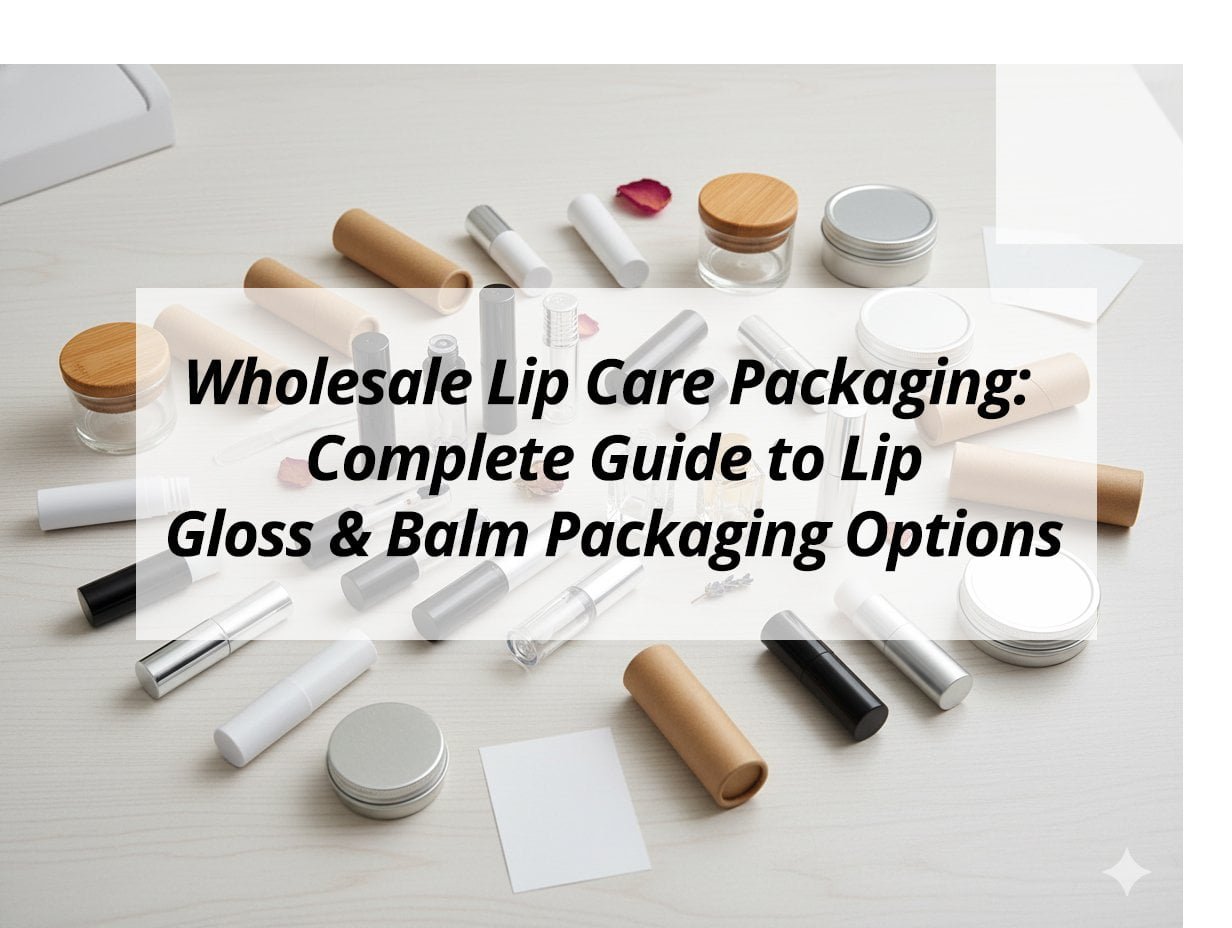
Wholesale lip care packaging encompasses a variety of formats, materials, and applicators designed for lip gloss and balm products. The primary goal is to select durable and visually appealing containers, such as tubes, pots, or compacts, which effectively maintain product integrity and align with consumer expectations.
This article explores various packaging types, their functional benefits, and key considerations for manufacturers. It aims to streamline the packaging selection process for bulk production.
What are the different types of lipstick packaging?
The market offers numerous types of packaging for lipstick products. Each type serves distinct functional and aesthetic purposes. An unsuitable packaging choice can impair product performance or presentation.
Different types of lipstick packaging include classic twist-up tubes, slender slim-line cases, liquid lipstick tubes equipped with wand applicators, and versatile pots or compacts. Each packaging solution offers specific application methods and design characteristics, suiting various product formulations and brand positioning.
A closer examination of these common lipstick packaging types reveals their unique features and optimal applications.
Common Lipstick Packaging Types
| Packaging Type | Description | Common Materials | Key Functional Attributes |
|---|---|---|---|
| Twist-Up Tube | Standard cylindrical container for solid lipstick bullets. Product is dispensed by twisting the base. | PP, ABS, Aluminum | Classic aesthetic, direct application, protects solid formula |
| Slim-Line Case | A more slender variation of the twist-up tube, often used for crayon-style or narrow lipsticks. | PP, ABS, Aluminum | Elegant profile, compact, facilitates precise application |
| Liquid Tube & Wand | A bottle with a screw-on cap featuring an integrated applicator wand. | AS, PETG, Glass (bottle); PP (cap/wand) | Designed for liquid formulas, ensures controlled and hygienic application |
| Pots/Jars | Small, open containers typically with a screw-on lid. Product is applied with a finger or brush. | PP, SAN, Glass | Suitable for balms or solid glosses, versatile for various textures |
| Compacts | Flat, hinged cases often containing multiple solid lip products and a mirror. | ABS, SAN, Metal | Multi-product containment, includes a mirror for convenience, travel-friendly |
| Squeeze Tube1 | Flexible tube with a small aperture for direct dispensing via squeezing. | LDPE, ABL | Ideal for soft balms or liquid glosses, allows for easy and controlled dispensing |
The twist-up tube remains a foundational design, offering reliable protection for solid lipstick formulas. Slim-line cases provide a more refined aesthetic, often preferred for high-end or specialized products. Liquid tubes with wands are indispensable for liquid lipstick formulations, ensuring hygienic and precise application. Pots and jars accommodate softer solid or semi-solid formulations, while compacts cater to multi-product palettes. Squeeze tubes are selected for their ability to dispense softer, more fluid lip care products.
Factors Influencing Packaging Selection
The choice of lipstick packaging is multifaceted. It depends on the product's physical properties, the brand's identity, and the intended consumer experience. Consideration of these factors is crucial for successful market positioning.
- Product Formulation: The physical state of the product (solid, liquid, semi-solid) dictates compatible packaging types. A liquid lipstick, for example, necessitates a sealed container with a suitable applicator.
- Brand Identity: Packaging design and material choices communicate brand values. A luxury brand might opt for metallic or glass components, while an eco-conscious brand may favor sustainable plastics.
- Application Method: Consumer convenience is paramount. Packaging should facilitate the intended application method, whether direct from a bullet, via a wand, or with a finger.
- Target Market: Different consumer demographics may have preferences for specific packaging styles or functionalities. Understanding these preferences is vital for market appeal.
Effective packaging selection begins with a clear understanding of the product's characteristics and its intended use. This ensures the packaging functions optimally and resonates with the target audience.
How to package lip balm?
Packaging lip balm requires specific considerations due to its typically softer formulations and diverse application methods. Inadequate packaging can result in product degradation, leakage, or unhygienic use.
Effective lip balm packaging considers the product's consistency, whether solid, semi-solid, or liquid. Common solutions include twist-up tubes for solid sticks, small jars or pots for creamier formulations, and squeeze tubes for gel or liquid balms. Packaging design prioritizes product protection, ease of dispensing, and hygienic application.
This section outlines key packaging options tailored for various lip balm forms and critical selection criteria.
Common Lip Balm Packaging Forms
Lip balm formulations vary widely in consistency, necessitating a range of packaging solutions to ensure stability and user convenience.
| Lip Balm Form | Preferred Packaging Type | Description | Primary Advantages |
|---|---|---|---|
| Solid Stick | Twist-up tubes (HDPE, PP) | Classic cylindrical stick, dispensed by twisting. | Portable, hygienic direct application, minimizes contamination |
| Soft Cream/Pot | Small jars or pots (PP, SAN, Glass) | Creamy balm applied using a finger or applicator. | Versatile for richer, thicker formulations, allows generous application |
| Liquid/Gel | Squeeze tubes (LDPE, ABL) | Fluid balm dispensed by squeezing the flexible tube. | Controlled dispensing, suitable for tinted or thinner balms |
| Roll-On | Small bottles with rollerball (Glass, HDPE) | Liquid balm or oil applied via a rolling ball. | Unique, mess-free application, ideal for oils or serums |
Solid stick lip balms commonly utilize twist-up tubes for their hygienic direct application and portability. Creamier, softer balms are often packaged in small jars or pots, which accommodate their texture and allow for ample product use. Liquid or gel-based lip balms are best suited for squeeze tubes, ensuring precise and controlled dispensing. Roll-on applicators are employed for liquid formulations, offering a distinct and clean application experience.
Essential Lip Balm Packaging Considerations
Several factors are crucial when selecting packaging for lip balm. These considerations impact product longevity, user experience, and market appeal.
- Material Compatibility: The packaging material must be inert. It should not react with the lip balm's ingredients, especially those with high oil or wax content.
- Closure Integrity: A secure closure mechanism (e.g., screw-on cap) is vital. It prevents leakage, protects against contamination, and minimizes air exposure, which can affect product stability.
- User Experience: Packaging should be intuitive and easy to use. Difficult-to-open or poorly dispensing packages can lead to consumer frustration.
- Hygienic Application: Packaging that supports hygienic application, such as twist-up sticks, is often preferred by consumers over finger-applied options.
- UV Protection: For formulations containing sun protection factors (SPF) or light-sensitive ingredients, opaque or UV-resistant packaging materials are essential to maintain efficacy.
Careful consideration of these elements ensures the selected packaging effectively preserves the lip balm's quality and enhances its appeal to consumers.
How much does it cost to start a lip gloss business?
The initial investment for establishing a lip gloss business is variable. It depends on several factors, including product formulation, production scale, and marketing strategy. Underestimating these costs can lead to financial shortfalls.
The cost to initiate a lip gloss business typically includes expenditures for raw materials, packaging components, manufacturing equipment, brand development, marketing efforts, and regulatory compliance fees. Packaging costs, in particular, are influenced by material choice, design complexity, and order volume, representing a significant portion of the total startup capital.
A detailed breakdown of these initial expenses provides a clearer financial roadmap for prospective business owners.
Key Startup Expenses
Launching a lip gloss business involves capital allocation across several core operational areas. These include both direct product-related costs and general business overheads.
| Cost Category | Description | Typical Cost Range | Impact on Packaging Strategy |
|---|---|---|---|
| Raw Materials | Ingredients such as oils, waxes, emollients, and pigments. | Moderate to High | No direct impact on packaging choice, but quality aligns. |
| Packaging Components | Tubes, bottles, wands, caps, labels, and outer cartons. | Moderate to High | Direct influence. Bulk purchasing reduces per-unit cost. |
| Manufacturing Equipment | Mixers, filling machines, heating apparatus, and laboratory tools. | Low to High | Selection of efficient equipment impacts production scale and packaging compatibility. |
| Brand Development | Logo design, product naming, website creation, and aesthetic branding. | Moderate | Packaging design must be consistent with the established brand image. |
| Marketing & Promotion | Advertising campaigns, social media promotion, and public relations. | Moderate to High | Packaging visuals are often central to marketing materials. |
| Legal & Regulatory Fees | Business registration, product certifications, permits, and insurance. | Low to Moderate | Ensures product legality and adherence to packaging safety standards. |
| Initial Inventory | Production of the first batch of salable lip gloss products. | Moderate to High | Requires a sufficient supply of all packaging elements for full production. |
Packaging components represent a substantial initial investment. Purchasing these elements in wholesale quantities significantly reduces the per-unit cost, which is crucial for maintaining competitive pricing. Custom packaging designs or specialized materials can increase these costs considerably.
Strategies for Cost Management
Effective cost management is vital for the viability of a new lip gloss business. Strategic decisions regarding packaging and production can lead to significant savings.
- Wholesale Purchasing: Procuring packaging materials in bulk quantities is the most effective way to lower unit costs.
- Standardized Designs: Opting for readily available, standard packaging designs avoids the high costs associated with custom mold creation for small production runs.
- Material Selection: Prioritizing cost-effective materials like certain plastics over glass or metal for initial product lines can manage expenses without compromising core functionality.
- In-House Labeling: Initially, printing and applying labels internally can save on external printing costs, which are typically lower for larger orders.
- Supplier Relations: Establishing strong relationships with packaging suppliers can lead to preferential pricing and improved service over time.
Prioritizing functionality and safety in packaging, while deferring elaborate customization to later growth stages, can optimize initial capital expenditure for emerging businesses.
How to make lip balm to sell in bulk?
Producing lip balm for bulk sale involves scaling up manufacturing processes from small-batch creation. This transition demands meticulous planning to ensure product consistency, quality, and regulatory compliance. Inadequate preparation can result in production inefficiencies or product failures.
To manufacture lip balm for bulk sales, it is essential to begin with a verified, stable formula. This involves sourcing high-quality raw materials and packaging in significant volumes, utilizing appropriate industrial equipment, adhering to Good Manufacturing Practices (GMP), and conducting thorough quality control and safety testing to meet commercial standards.
This section outlines the systematic steps required for large-scale lip balm production.
Systematic Steps for Bulk Production
Scaling up lip balm production requires a structured approach, with each stage contributing to the overall quality and efficiency of the output.
| Step | Description | Key Operational Focus |
|---|---|---|
| 1. Formula Validation | Finalizing a stable, scalable lip balm formula suitable for mass production. | Ensure ingredient compatibility and long-term stability. Conduct accelerated shelf-life testing. |
| 2. Bulk Ingredient Sourcing | Procuring raw materials (e.g., waxes, oils, butters, colorants) from reputable bulk suppliers. | Prioritize consistent quality, supply chain reliability, and cost-effectiveness. |
| 3. Wholesale Packaging Acquisition | Purchasing lip balm packaging (tubes, jars, labels) in wholesale quantities. | Select packaging compatible with the formula and production equipment. Optimize for cost and visual appeal. |
| 4. Equipment Procurement | Acquiring industrial-grade mixers, heating vessels, and filling machines. | Ensure equipment capacity matches desired production volume and maintains product integrity. |
| 5. Adherence to GMP | Implementing Good Manufacturing Practices throughout the production process. | Maintain sterile environments, precise temperature control, accurate ingredient measurement, and thorough mixing. |
| 6. Quality Control & Testing | Conducting rigorous testing on raw materials, in-process batches, and finished products. | Verify consistency in texture, scent, color, pH, and ensure microbial purity and stability. |
| 7. Labeling & Final Packing | Applying regulatory-compliant labels and preparing finished products for shipment. | Labels must meet all legal requirements. Outer packaging must protect products during transit. |
Consistency across all manufactured units is paramount for bulk sales. This is achieved through strict adherence to formulation parameters, precise process controls, and consistent material handling.
Critical Considerations for Commercial Sales
Beyond production, preparing lip balm for bulk commercial sales involves meeting regulatory obligations and managing logistics effectively.
- Regulatory Compliance: All lip balm products and their ingredients must conform to relevant cosmetic regulations in target markets. This includes mandatory safety assessments and ingredient listings.
- Good Manufacturing Practices (GMP): Strict adherence to GMP standards is essential. It ensures product safety, quality, and consistency across all batches, fostering consumer trust.
- Product Stability & Shelf Life: Comprehensive testing is required to determine the product's shelf life under various conditions. This informs batch coding and expiry dates.
- Logistics & Storage: Efficient systems for storing large volumes of raw materials and finished goods are necessary. This also includes planning for secure and timely distribution.
- Cost Optimization: Continuous evaluation of the production chain to identify and implement cost-saving measures without compromising product quality.
Investing in robust quality control and regulatory compliance mechanisms is fundamental for building a reliable product and brand reputation in the competitive bulk sales market.
My Insights: Comprehensive Guide to Wholesale Lip Care Packaging
Looking for the perfect lip care packaging? Discover versatile options to suit every product, enhance branding, and attract eco-conscious consumers.
Wholesale lip care packaging includes tubes, pots, sticks, and jars, each ideal for specific formulas and brand aesthetics. Options like eco-friendly materials, custom labels, and luxurious closures enhance product appeal and market differentiation.
Exploring Lip Care Packaging Types and Materials
Packaging Formats for Lip Products:
-
Wand Tubes: Ideal for liquid glosses, offering precise application with doe-foot or brush wands, available in various profiles to match brand style.
-
Squeeze Tubes: Perfect for thicker glosses and balms, providing durability and easy dispensing, often customizable with colors and graphics.
-
Twist-up Sticks & Jars: Classic options for balms, offering convenience and premium feel. Twist-up sticks suit portable applications; jars present a spa-like experience.
Sustainability and Branding:
| Material | Benefits | Considerations |
|---|---|---|
| Plastics (PP, PET) | Lightweight, durable, cost-effective | Seek PCR content for better recyclability |
| Metals & Glass | Premium, recyclable | Heavier, higher shipping costs |
| Paperboard | Plastic-free, customizable | Requires barrier coatings |
Wholesale Considerations:
Customization levels vary with MOQs; stock packaging often starts at lower quantities with basic branding. Fully custom options offer design control but require higher commitments. Eco-friendly materials and innovative branding elements can further elevate your product in the competitive market.
Conclusion
Effective wholesale lip care packaging requires strategic decisions. This encompasses choosing suitable packaging types, managing startup costs, and scaling production for bulk sales. Prioritizing material quality, design integrity, and manufacturing standards is crucial for product success.
-
Understand why Squeeze Tubes are ideal for soft balms, allowing easy and controlled dispensing. ↩