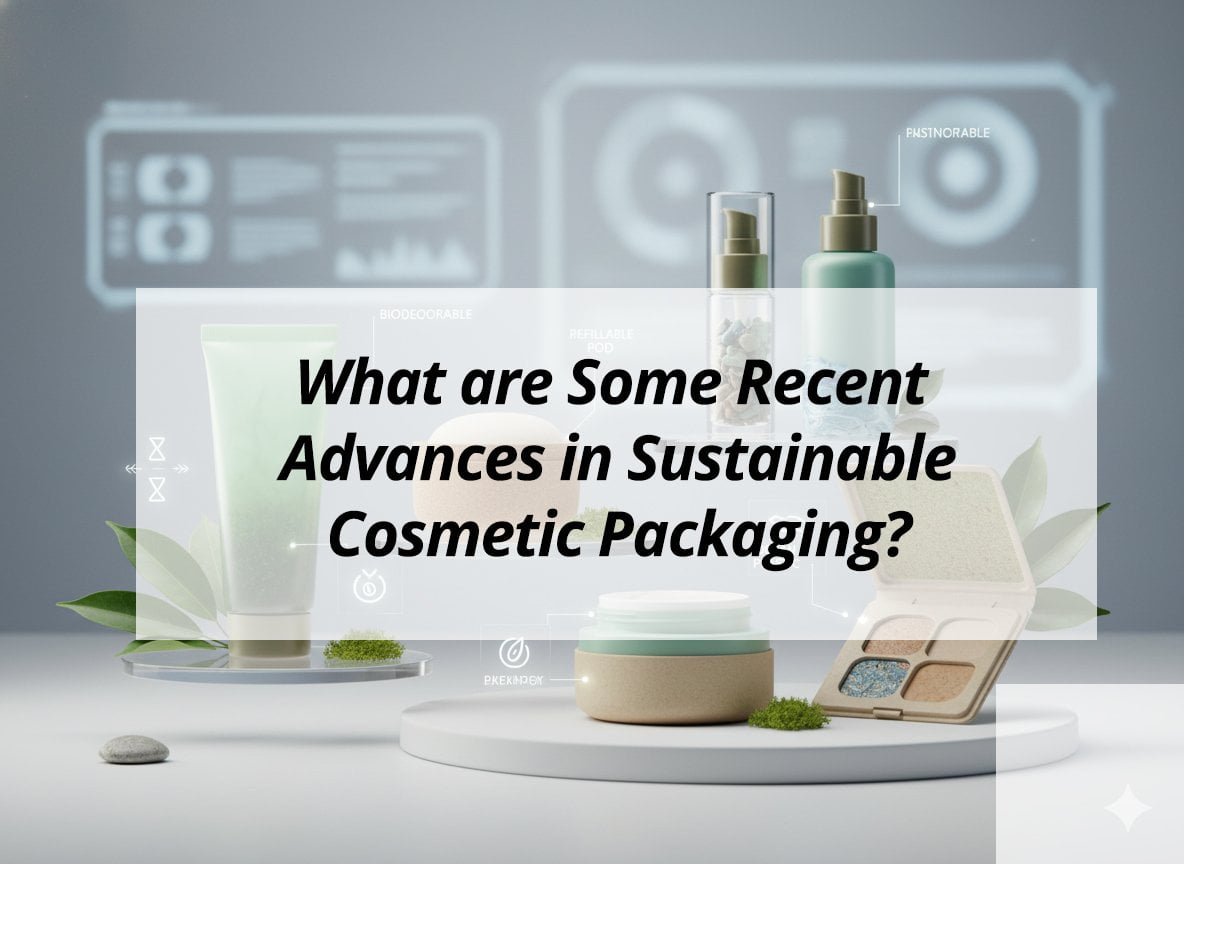
Sustainability in the cosmetic industry is more crucial than ever. With growing environmental concerns, innovations in packaging play a vital role. Let’s explore these cutting-edge advancements.
Recent advances in sustainable cosmetic packaging highlight eco-friendly materials and practices, minimizing environmental impact while satisfying consumer demand for sustainable solutions. Innovative designs and materials reduce waste and enhance brand reputation.
As businesses strive to remain competitive and environmentally conscious, understanding these trends helps brands align with consumer expectations and environmental goals.
What are the latest innovations in sustainable packaging for cosmetics and how do they address environmental concerns?
From recycled materials to innovative designs, recent advancements are reshaping the industry.
Innovations in cosmetic packaging focus on biodegradable materials, recyclability, and minimalistic design. Bioplastics and bamboo reduce waste, while refillable packaging limits disposal. These innovations address environmental concerns and align with consumer demand for sustainability.
Packaging Innovations
Recent innovations in sustainable cosmetic packaging address ecological concerns through various techniques and materials:
-
Bioplastics and Plant-based Materials: Derived from renewable sources, these materials replace traditional plastics. They are biodegradable and reduce dependency on fossil fuels.
-
Bamboo Packaging: Known for its rapid growth and renewability, bamboo is used in everything from containers to lids, offering a sustainable alternative to plastic.
-
Refillable and Reusable Designs: By encouraging consumers to refill containers, brands reduce waste significantly. This includes everything from eco friendly dropper bottles to skincare jars.
-
Minimalistic Approaches: Reducing packaging complexity lowers material use, appealing to eco-conscious consumers and reducing production waste.
| Material/Approach | Benefit |
|---|---|
| Bioplastics | Renewable and biodegradable |
| Bamboo | Fast-growing, sustainable resource |
| Refillable Designs | Waste reduction through reuse |
| Minimalistic Design | Lower material use and production waste |
Which is the most recent new trend in packaging and labeling?
Keeping up with trends helps businesses stay competitive and responsive to consumer preferences.
The latest trend in packaging involves smart design and labeling, incorporating digital elements. QR codes and NFC technology provide transparency about product sourcing and environmental impact, enhancing consumer engagement and trust.
Trends in Packaging and Labeling
Trends in packaging are not just about aesthetics; they're about technology and consumer interaction:
-
Digital Integration: QR codes and Near Field Communication (NFC) connect customers to digital content. This might include detailed product information, environmental impact statements, or usage instructions, offering a transparent and interactive experience.
-
Eco-friendly Labeling: Labels are now made from sustainable materials, such as recycled paper or plant-based inks, ensuring every part of packaging adheres to eco-friendly principles.
-
Minimal Design: Consumers prefer sleek, simple designs that convey elegance and sustainability, fitting the Cool beauty packaging aesthetic, a trend set to dominate beauty packaging trends 2025.
| Trend | About |
|---|---|
| Digital Integration | Enhances transparency and interaction |
| Eco-friendly Labeling | Uses sustainable materials |
| Minimal Design | Simple, elegant, and sustainable aesthetic |
What are the 7 R's of sustainable packaging?
Adherence to these principles ensures packaging aligns with sustainability goals.
The 7 R's of sustainable packaging are: Rethink, Refuse, Reduce, Reuse, Recycle, Replace, and Respect. These principles guide sustainable practices, reducing environmental impact while addressing consumer expectations and regulatory demands.
Dive deeper into the 7 R's
The 7 R's form the foundation of sustainable packaging strategies:
-
Rethink: Innovate new ways to create and use packaging, considering environmental and economic impacts.
-
Refuse: Avoid unnecessary packaging or non-sustainable materials, opting for Plastic free cosmetic packaging1.
-
Reduce: Minimize material usage in packaging design, supporting efficiency and waste reduction.
-
Reuse: Design packaging that encourages multiple uses, proven effective in Eco friendly cosmetic containers wholesale2.
-
Recycle: Utilize materials that can be efficiently recycled, such as recyclable skincare packaging.
-
Replace: Swap harmful materials with sustainable alternatives, like bamboo and recycled plastics.
-
Respect: Appreciate the ecosystem, designing with environmental care and minimal impact in mind.
| Principle | Description |
|---|---|
| Rethink | Innovate and consider environmental impacts |
| Refuse | Avoid non-sustainable choices |
| Reduce | Minimize material use |
| Reuse | Encourage multiple use cycles |
| Recycle | Promote recycling of materials |
| Replace | Substitute with sustainable alternatives |
| Respect | Appreciate and care for the ecosystem |
What is the new packaging for 2025?
Anticipating future trends helps businesses prepare and be proactive.
The new packaging for 2025 will emphasize smart technologies, sustainable materials, and personalized designs. Trends like Beauty packaging trends 2025 focus on interactive, minimalistic, and eco-friendly solutions, aligning with consumer preferences and environmental needs.
Dive deeper into 2025 Packaging Trends
What can we expect from the future of packaging?
-
Smart Packaging: Interactive elements will allow consumers to engage with products digitally, enhancing personalization and traceability.
-
Sustainable Materials: Continued innovation in materials like biodegradable plastics and renewable resources will dominate, reducing ecological impact.
-
Minimalistic Aesthetics: Simple yet elegant designs will be key in capturing consumer attention, reflecting the industry's shift towards sustainability.
-
Customization: Personalized packaging will cater to individual consumer needs, strengthening brand loyalty and consumer engagement.
| Future Trend | Description |
|---|---|
| Smart Packaging | Interactive, engaging, and personalized |
| Sustainable Materials | Emphasizing eco-friendly and renewable solutions |
| Minimalistic Aesthetics | Simple, attractive, and reflective of sustainability |
| Customization | Catering to individual preferences |
My insights: The Some Recent Advances in Sustainable Cosmetic Packaging
Worried about the environmental impact of your cosmetic packaging? Explore recent sustainable advancements like biodegradable materials and refillable designs that could transform your brand's eco-footprint.
Recent advances in sustainable cosmetic packaging include biodegradable materials like PLA and PHA, refillable designs, plant-based inks, and post-consumer recycled plastics. These innovations reduce environmental impact, enable circularity, and meet growing consumer demand for eco-friendly solutions.
Exploring Innovations in Eco-Friendly Cosmetic Packaging
Biodegradable and Bio-based Materials:
Emerging materials such as PLA, PHA, and cellulose-based options present biodegradable solutions that decompose more readily, reducing long-term environmental impact. These materials support a circular economy by offering sustainable end-of-life options.
Refillable and Reusable Designs:
Brands are shifting towards refillable systems that minimize waste. These designs involve durable outer containers with refill packs or concentrates, allowing multiple uses and aligning with consumer preferences for sustainable options.
Recycled Content Integration:
Incorporating post-consumer recycled (PCR) plastics into packaging, especially HDPE and PET, decreases the reliance on virgin plastics. This approach also diverts waste from landfills, supporting sustainability goals.
| Innovation | Description |
|---|---|
| Biodegradable Materials | PLA, PHA, and cellulose enhance disposal outcomes |
| Refillable Designs | Durable containers with refill options reduce single-use waste |
| Recycled Content | PCR plastic usage diminishes reliance on new plastic production |
Exploring these advances can significantly green your brand, tapping into the eco-conscious consumer market and contributing to global sustainability efforts.
Conclusion
Advancements in sustainable cosmetic packaging reflect a vital shift in the industry towards eco-friendly solutions. These innovations not only meet environmental concerns but also enhance brand appeal and consumer trust.