Do you find yourself overwhelmed by the variety of lipstick containers available today? Let's dive into the world of cosmetic packaging to help you make informed and strategic choices.
Lipstick containers include designs like tubes, sticks, and pots. These options meet diverse needs by enhancing brand identity, functionality, and consumer preferences. They offer a blend of aesthetic appeal and usability, making them suitable for various markets and boosting product differentiation and consumer satisfaction.
Let’s explore each type to see how they align with marketing goals and captivate your audience.
What are the different types of lipgloss containers?
Have you ever wondered why there are so many different lipgloss containers? Understanding these formats can optimize brand strategies and consumer satisfaction.
Lipgloss containers1 range from squeeze tubes and wands to pots and rollerballs. Each type caters to different user preferences and application methods, providing flexibility in branding and user engagement.
Exploring these options allows brands to tailor their products to specific audiences. Container styles influence presentation, usage ease, and overall consumer experience, playing a vital role in brand perception and loyalty.
Types of Lipgloss Containers
-
Squeeze Tubes: Offering convenience and portability, squeeze tubes are perfect for on-the-go application, making them popular among busy consumers.
-
Wand Applicators: Known for providing precise and stylish application, wands are ideal for professional and chic finishes, appealing to makeup enthusiasts and artists.
-
Pots: These containers deliver a classic, versatile look, often used for multitask products like balms and glosses, appealing to trendsetters.
-
Rollerballs: Less common but perfect for even application, rollerballs offer a unique user experience, often suitable for special edition products.
| Type | Benefits | Ideal Use |
|---|---|---|
| Squeeze Tubes | Convenient, Portable | Everyday Use |
| Wand Applicators | Precise, Stylish | Professional Finish |
| Pots | Classic, Versatile | Trendy or Diverse |
| Rollerballs | Unique, Even Application | Special Editions |
What is a container of lipstick called?
Are you confused about the terminology for lipstick containers? Let’s clarify the naming conventions and why each type matters in branding and functionality.
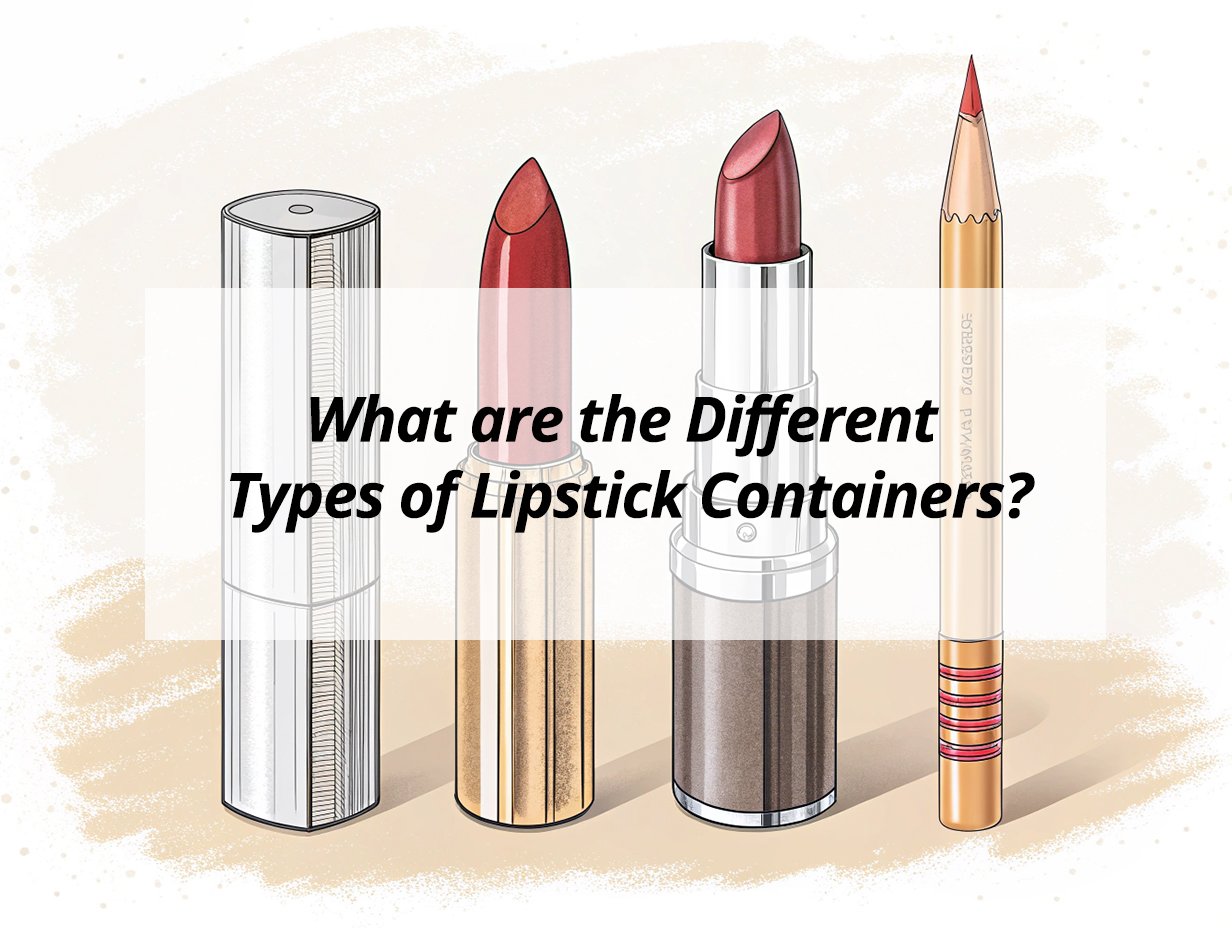
A container of lipstick is typically referred to as a tube, bullet, or stick. These terms describe the design that houses the lipstick and affect application methods and branding strategies.
Understanding these terms aids in identifying products and selecting packaging that aligns with your brand’s story. Different styles foster consistency and consumer trust, making brand recognition seamless.
Lipstick Container Styles
-
Tubes: The traditional format offers convenient use and secure packaging. It’s often preferred for easy application and maintaining product integrity.
-
Bullets/Sticks: Define the shape of the lipstick, often associated with premium and high-end brands, conveying sophistication and elegance.
-
Refillable Cartridges: Emerging as an eco-friendly option, refillable cartridges attract consumers looking for sustainable practices without compromising on luxury.
Choosing the right term and packaging style supports the marketing narrative, creating a consistent and recognizable brand experience. The packaging becomes a vessel of brand identity, telling the story with each application.
What are the different types of cosmetic containers?
Navigating the vast landscape of cosmetic containers is essential for aligning them with your product line and branding strategy.
Cosmetic containers2 include jars, bottles, pumps, and compacts. Each type is suited to different products, enhancing functionality and aesthetics, ultimately driving consumer satisfaction and brand loyalty.
Selecting appropriate containers ensures that packaging complements the product, enhancing user experience and supporting branding efforts across diverse categories.
Categories of Cosmetic Containers
-
Jars: Best suited for creams and solid products, offering wide openings for easy access while showcasing a tactile, luxurious appearance.
-
Bottles: Ideal for liquid formulations, supporting efficient dispensing and sophisticated presentations that appeal to a broad demographic.
-
Pumps: Provide hygienic, precise usage, perfect for serums and lotions, often preferred by consumers seeking practicality and elegance.
-
Compacts: Crafted for powders, compacts deliver functionality with an added layer of visual appeal, enhancing brand presence in point-of-sale displays.
Understanding the function of each container type allows for strategic alignment with product needs, consumer expectations, and market trends. As packaging innovates, adapting to these changes ensures ongoing success in competitive markets.
What are the different types of packages?
Different packaging types serve strategic roles in product presentation and logistics. How do they align with your branding and functional needs?
Packages can be classified as primary, secondary, or tertiary, each serving unique roles in protection, display, or transportation. Selecting the right type enhances both aesthetics and functionality within your product's lifecycle.
Choosing the right packaging often reflects more than practicality; it’s a statement of brand positioning, ethics, and values. Each layer serves as an opportunity to communicate with your consumer base.
Packaging Roles
-
Primary Packaging: Directly contains and protects the product, providing the first consumer interaction. This layer is crucial for conveying initial brand experience and ensuring product quality.
-
Secondary Packaging: Protects during shipping but also acts as a marketing tool, offering decorative appeal and reinforcing brand identity, critical for grabbing attention in retail environments.
-
Tertiary Packaging: Facilitates transportation and storage, ensuring efficient distribution. Though often overlooked, well-designed tertiary packaging is vital for maintaining logistical efficiency and minimizing environmental impact.
| Package Type | Function | Importance |
|---|---|---|
| Primary | Direct contact, protection | Consumer interaction |
| Secondary | Retail display, branding | Marketing appeal |
| Tertiary | Logistics, protection | Efficient distribution |
Understanding each packaging type’s role enhances decision-making and aligns packaging with broader business objectives. These choices influence perceptions and drive market success.
My Insights: The Different Types of Lipstick Containers
Ever wondered why lipstick packaging varies so much? The type of container can drastically influence the user experience and brand perception—let's explore the fascinating world of lipstick packaging.
Lipstick containers3 come in various types, including traditional twist-up tubes, liquid lipstick tubes with applicators, and eco-friendly options like refillable and biodegradable cases. These choices affect product branding, user convenience, and sustainability.
Lipstick Container Types
1. Traditional and Functional
| Type | Details |
|---|---|
| Twist-up Tubes | Ideal for solid lipsticks; features a rotating mechanism. |
| Liquid Tubes | Includes wands for precise application of liquid formulas. |
2. Eco-Friendly Choices
- Refillable Tubes: Promote sustainability by allowing insert replacements.
- Biodegradable Cases: Opt for materials like bamboo or paper.
3. Premium and Innovative
| Type | Details |
|---|---|
| Magnetic Metal Cases | Provide a luxury feel with secure closure. |
| Slimline Tubes | Offer sleek design for high-end brands. |
Choosing the right lipstick container involves aligning with brand values, product format, and consumer expectations, balancing between aesthetics, functionality, and sustainability.
Conclusion
Lipstick and cosmetic packaging choices are vital for branding, consumer satisfaction, and product functionality. By understanding different types, you ensure your products stand out and effectively serve their intended purposes.
-
Explore the various lipgloss container types to understand how they cater to user preferences and enhance brand strategies. ↩
-
Explore the various cosmetic container types and how they enhance functionality and aesthetics. ↩
-
Get insights into the various lipstick container types and their impact on branding and application. ↩