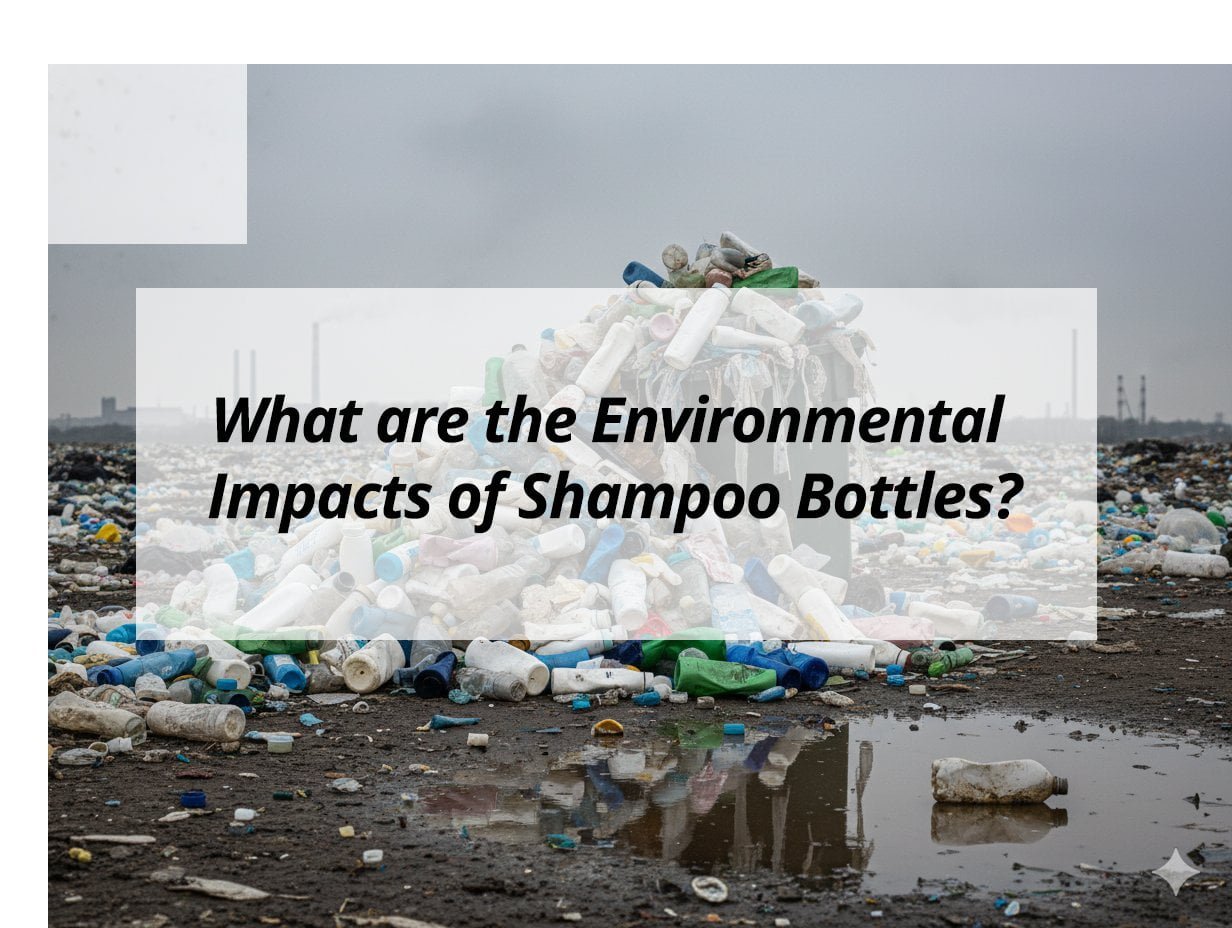
Plastic shampoo bottles significantly affect the environment. Their production, use, and disposal create pollution. This leads to long-term ecological damage.
Plastic shampoo bottles harm the environment. They create landfill waste and pollution. This uses more energy and natural resources. Choosing refillable options, solid shampoo bars, or packaging made from recycled materials can help lessen this impact.
Understanding the full scope of these impacts is crucial. This article explores how these common items interact with our planet.
Are shampoo bottles bad for the environment?
Yes, shampoo bottles1 are detrimental to the environment. They are predominantly made from plastic. This material is resistant to natural degradation processes.
Shampoo bottles are harmful to the environment because of their plastic composition. Most plastics do not decompose easily. They persist in landfills for extended periods. This persistence causes widespread pollution and poses threats to ecological balance.
The environmental issues associated with plastic shampoo bottles are diverse. The current consumption and disposal patterns exacerbate these concerns.
The Environmental Concerns of Plastic
Plastic, while versatile, carries significant environmental burdens.
- Longevity: Plastic materials endure for centuries. They do not naturally break down within human timescales.
- Resource Consumption in Production: Manufacturing plastic requires substantial fossil fuel input. This process releases greenhouse gases. These emissions contribute to global climate change.
- Chemical Leaching: Certain plastics contain chemical additives. These substances can leach into surrounding soil and water systems.
The Lifecycle of a Shampoo Bottle's Environmental Footprint
The environmental impact of a shampoo bottle spans its entire existence.
| Stage | Environmental Impact |
|---|---|
| Manufacturing | Uses fossil fuels, emits greenhouse gases |
| Transportation | Requires fuel for shipping, contributes to air pollution |
| Consumer Use | Leads to eventual disposal, often in unsustainable ways |
| Disposal | Accumulates in landfills or oceans, contaminates ecosystems |
Landfill Accumulation and Its Consequences
A majority of shampoo bottles are ultimately discarded in landfills.
- Space Utilization: Landfills occupy extensive land areas. The continuous influx of waste reduces available space.
- Pollutant Release: Plastics within landfills can release chemical compounds. These compounds can infiltrate groundwater. This contaminates water sources.
- Formation of Microplastics: Over time, plastics fragment into microscopic particles. These microplastics are difficult to remediate and disperse widely.
Therefore, the environmental impact of shampoo bottles is substantial, contributing to various ecological challenges.
What are the environmental impacts of shampoo?
The shampoo product itself, beyond its packaging, also has environmental consequences. These stem from its chemical composition and manufacturing processes.
The environmental impacts of shampoo are linked to its ingredients. Chemicals can contaminate aquatic environments. Shampoo production demands energy and resources. This contributes to water pollution and atmospheric carbon emissions.
The substances rinsed down drains ultimately affect broader ecosystems.
Chemical Constituents and Aquatic Effects
Many shampoo formulations contain chemicals with potential environmental risks.
- Sulfates: These agents create lather. However, they can pose concerns for aquatic organisms if released into water bodies.
- Parabens: Used as preservatives, parabens can enter water systems. Some research indicates potential endocrine disruption in wildlife.
- Phthalates: These compounds are often used to enhance fragrance longevity. They are detectable in various water sources.
Water Contamination from Shampoo Runoff
Upon rinsing, shampoo enters drainage systems and subsequently larger water bodies.
| Type of Pollution | Source | Effect |
|---|---|---|
| Nutrient | Phosphates, if present in certain shampoo formulations | Can trigger excessive algae growth in freshwater ecosystems. |
| Chemical | Diverse synthetic ingredients and detergents | Can be toxic to fish and other aquatic species. |
| Organic Load | Biodegradable components, if in high concentrations | Can deplete oxygen in water, harming aquatic life. |
Energy Intensity in Shampoo Manufacturing
Producing shampoo is an energy-intensive process. This energy often originates from carbon-emitting sources.
- Heating and Mixing Operations: Ingredients require heating and thorough mixing. This consumes considerable electrical energy.
- Packaging and Filling: The processes of filling bottles and sealing them also demand energy input.
- Logistics: Transportation of raw materials and finished goods consumes fossil fuels.
These cumulative energy demands contribute to the overall carbon footprint associated with shampoo products.
How many shampoo bottles end up in landfills?
An enormous quantity of shampoo bottles is discarded into landfills annually. This represents a significant portion of plastic waste.
Millions of shampoo bottles are deposited in landfills each year. A substantial number are not recycled. This amplifies plastic waste accumulation. These bottles persist in landfills for centuries, contributing to environmental degradation.
The scale of this waste stream highlights a considerable environmental challenge.
The Magnitude of Plastic Packaging Waste
The volume of plastic waste generated globally continues to rise. Shampoo bottles form a notable component of this increase.
- Global Consumption: Billions of plastic packaging units are consumed worldwide each year. A considerable percentage of these are personal care bottles, including shampoo containers.
- Recycling Efficiency: Recycling rates for plastics vary and are often suboptimal. Even when placed in recycling systems, not all plastics are successfully processed. Factors such as contamination or mixed plastic types complicate recycling.
Obstacles to Effective Plastic Recycling
While recycling is a crucial strategy, it faces several limitations.
| Issue | Explanation |
|---|---|
| Product Residue Contamination | Bottles frequently contain residual shampoo. This can contaminate entire batches of recyclable materials. |
| Varied Plastic Types | Shampoo bottles can be composed of multiple plastic polymers. These require separation for efficient recycling, which is technically challenging. |
| Economic Disincentives | The cost of producing virgin plastic can be lower than processing recycled plastic. This reduces market demand for recycled materials. |
| Inadequate Infrastructure | Many regions lack comprehensive or efficient recycling facilities. Access to recycling services varies widely. |
These challenges collectively contribute to the high rates of shampoo bottles ending in landfills.
How do bottles affect the environment?
Bottles, particularly those made of plastic, exert multifaceted environmental impacts. They harm wildlife, contaminate ecosystems, and exacerbate climate change.
Plastic bottles severely affect the environment. They endanger wildlife through entanglement and ingestion. They pollute terrestrial and aquatic ecosystems. Furthermore, their production and disposal phases contribute to global climate change.
The environmental consequences of plastic bottle proliferation are extensive and interconnected.
Detrimental Effects on Wildlife
Plastic bottles pose direct threats to animal populations.
- Entanglement Risks: Animals can become trapped in plastic debris. This impedes their movement, feeding, and breathing. Marine animals and birds are frequently affected.
- Ingestion Hazards: Wildlife often mistakes plastic fragments for food. Ingested plastic can fill their digestive tracts, leading to starvation despite a feeling of fullness.
Ecosystem Contamination
Plastic bottles contribute to pollution across diverse ecosystems.
| Ecosystem | Impact of Bottles |
|---|---|
| Marine | Plastic accumulates in vast ocean gyres. It breaks down into persistent microplastics, affecting marine food webs. |
| Freshwater | Bottles flow into rivers and lakes, clogging waterways and degrading water quality. |
| Terrestrial | Plastic litter degrades natural landscapes. It can release chemicals into the soil, altering its composition. |
Contribution to Global Climate Change
The entire lifecycle of a plastic bottle contributes to greenhouse gas emissions.
- Raw Material Extraction: Plastic production relies on crude oil and natural gas. Their extraction processes cause environmental disruption and release greenhouse gases.
- Manufacturing Processes: Industrial facilities convert raw materials into plastic products. These operations consume substantial energy, often derived from fossil fuels, emitting carbon dioxide.
- End-of-Life Emissions: Landfills are sources of methane gas. Methane is a potent greenhouse gas, and its release from decomposing waste accelerates climate change.
These integrated impacts underscore the environmental burden of plastic bottles.
My Insights: Understanding the Environmental Impact of Shampoo Bottles
Worried about the environmental toll of shampoo bottles? Discover their impact and how you can make eco-friendly choices.
Shampoo bottles significantly impact the environment due to their plastic composition, leading to landfill waste and pollution. While recyclable, challenges like contamination and multi-material designs hinder effectiveness. Eco-conscious choices and packaging innovations can reduce these impacts.
Exploring the Lifecycle and Solutions for Shampoo Bottles
Lifecycle and Environmental Impacts
-
Production: Made from PET, HDPE, or PP, which are derived from fossil fuels, contributing to carbon emissions. Manufacturing and transport also add to their carbon footprint.
-
Waste and Pollution: Annually, over 550 million bottles end up in landfills, taking centuries to decompose and contributing to ocean plastic pollution.
Recycling Challenges
- Recyclability Issues: Bottles are often recyclable, but low rates, contamination, and mixed materials hinder processes.
Reducing Environmental Impact
- Sustainable Alternatives: Smaller, lighter bottles and concentrated formulas reduce waste. Using single-material designs enhances recyclability.
| Aspect | Description | Impact/Alternative |
|---|---|---|
| Production | Made from fossil-based plastics | High carbon emissions |
| Waste | Long decomposition time in landfills | Landfill waste, ocean pollution |
| Recyclability | Theoretical recyclability | Limited by contamination and design |
| Solutions | Smaller bottles, solid shampoo bars, mono-materials | Reduce waste and improve recyclability |
Shifting to eco-friendly practices and supporting sustainable brands can drive positive change in reducing the environmental footprint of shampoo bottles.
Conclusion
Shampoo bottles present substantial environmental challenges. They contribute to pollution, waste accumulation, and ecological damage. Sustainable alternatives and improved waste management are necessary.
-
Explore the environmental impact of shampoo bottles and learn about sustainable alternatives. ↩