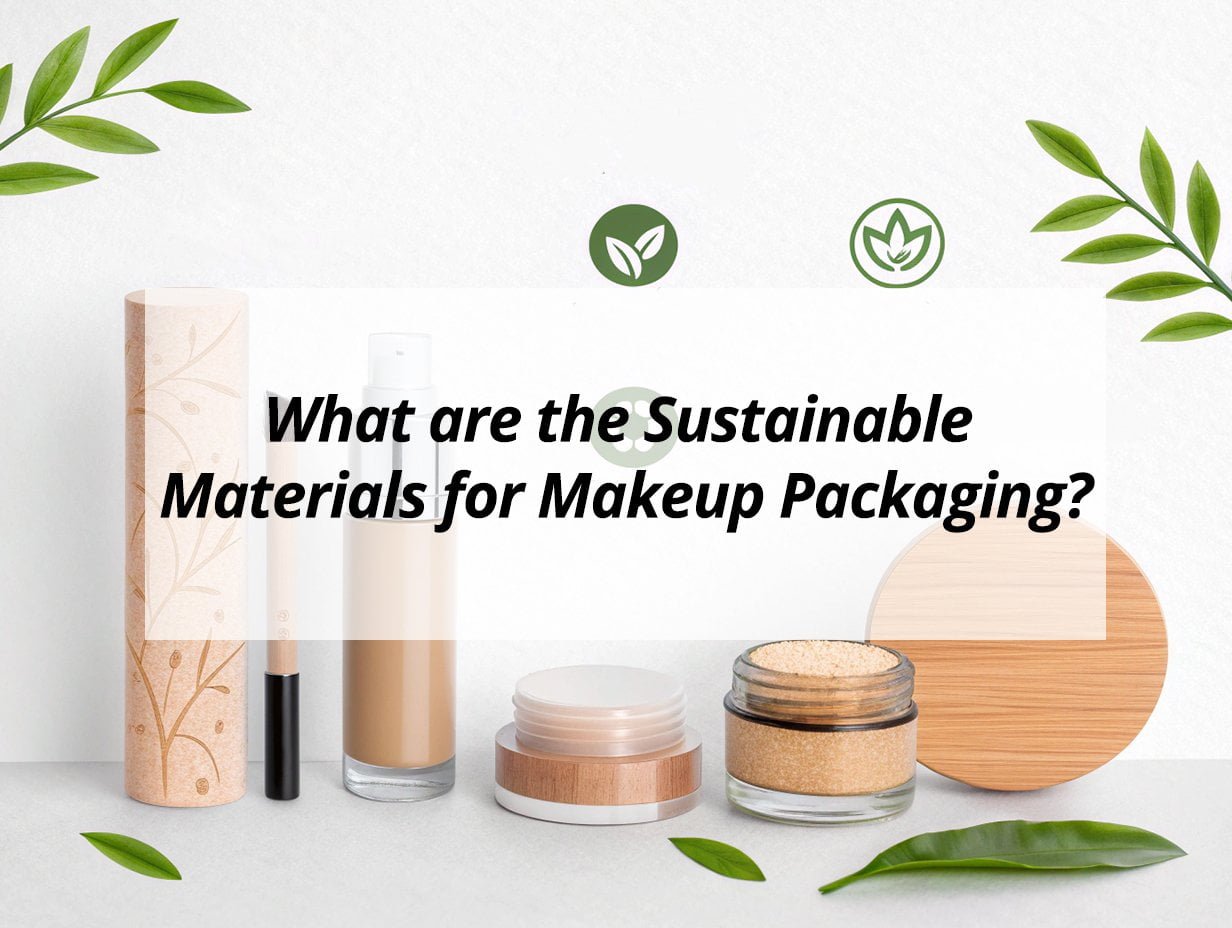
In a world where eco-consciousness is more crucial than ever, the beauty industry is turning to sustainable packaging solutions to satisfy growing consumer demands. As an advocate for eco-friendly practices, I've seen firsthand how these changes impact both the industry and the planet.
Sustainable materials for makeup packaging include recycled plastics, glass, bamboo, aluminum, and biodegradable paper. These materials focus on reducing environmental impact through recyclability, renewability, and reusability, promoting a circular economy within the cosmetics industry.
Sustainability isn’t just a trend; it’s a necessary evolution. By understanding and leveraging the available materials, packaging can become both a functional and eco-friendly choice. Let’s explore these sustainable solutions further.
What are the sustainable materials for cosmetic packaging?
Eco-conscious consumers are pushing the demand for sustainable packaging makeup1. It’s not just about what's inside but how it's encased. This trend influences decisions for eco-friendly cosmetic packaging2 manufacturers and the industry's future direction.
Common sustainable materials for cosmetic packaging include recycled plastics, glass, bamboo, bioplastics, and cardboard. Emphasizing renewability and recyclability, these options aim to reduce carbon footprints and waste.
These materials reveal their unique benefits and challenges:
Recycled Plastics
Recycled plastics, particularly post-consumer recycled (PCR) materials, shift the demand away from virgin resources. They reduce waste and support a circular packaging loop, crucial for recycled cosmetic packaging. However, quality consistency is key. Manufacturers must meticulously manage the recycling process to ensure durability and appearance. When executed correctly, recycled plastics are a staple in sustainable packaging makeup, balancing ecological responsibility with practical application.
Glass
Glass is celebrated for its endless recyclability and reusability. Used often in premium packaging, it exudes elegance while supporting eco standards. Yet, it's heavier than alternatives, affecting transportation energy. This makes glass ideal for stationary products. Its long lifespan also makes it an excellent candidate for reusable containers in the eco cosmetic packaging sector.
Bamboo
Bamboo packaging offers a renewable, biodegradable option. Its rapid growth and minimal agricultural footprint make it a favorite among eco-friendly cosmetic containers wholesale suppliers. Bamboo's natural aesthetic appeals to environmentally-conscious consumers3. Yet, sustainability must be ensured through supply chain transparency, as the cultivation and processing of bamboo must be managed responsibly to prevent ecological degradation.
What is the most sustainable material for packaging?
Determining the most sustainable material requires weighing factors like recyclability, production energy, and lifecycle impact. It's more than just being eco-friendly; it's about being responsible and efficient.
Glass, aluminum, and bamboo are considered top contenders for sustainable packaging due to their recyclability, durability, and biodegradability, respectively. They promote ecological balance and sustainability in the beauty industry.
Let’s unpack why these materials stand out:
Key Features
| Material | Recyclability | Durability | Biodegradability | Energy Efficiency |
|---|---|---|---|---|
| Glass | High | High | No | Moderate |
| Aluminum | High | High | No | Low |
| Bamboo | Moderate | Moderate | High | High |
Glass and Aluminum
-
Glass: It's endlessly recyclable, and its use in refillable systems promotes zero-waste practices. Yet, its weight can be a logistical concern for large shipments.
-
Aluminum: Lightweight and durable, aluminum's recycling requires relatively low energy. Its impermeable nature makes it suitable for a variety of products, offering a protective barrier while being eco-friendly.
Bamboo
-
Biodegradability: Bamboo fibers break down naturally, aligning with compostable product lines.
-
Aesthetic Appeal: Its natural look provides a unique edge, connecting product quality with environmental ethics.
What is the alternative to plastic in cosmetic packaging?
Alternatives to conventional plastic are pivotal in reducing the environmental footprint of cosmetic packaging. With more consumers demanding plastic-free cosmetic packaging, innovation is key.
Alternative materials include bamboo, cork, and plant-based bioplastics, which offer eco-friendly, biodegradable packaging solutions without compromising functionality and aesthetics.
Exploring these alternatives provides insight into their potential:
Bamboo and Cork
Both bamboo and cork provide unique advantages. While bamboo is sustainable due to rapid regrowth, cork is renewable with natural insulating properties. These materials cater to consumers seeking plastic-free cosmetic packaging solutions without sacrificing style or usability.
Benefits Comparison
| Feature | Bamboo | Cork |
|---|---|---|
| Growth Rate | Rapid | Moderate |
| Insulating | No | Yes |
| Aesthetic Appeal | High | Moderate |
| Cost Efficiency | Moderate | High |
Plant-Based Bioplastics
Bioplastics derived from renewable resources decrease fossil fuel reliance. Although compostability varies, they represent a significant shift towards sustainable packaging. For brands, incorporating bioplastics offers a way to be at the forefront of innovation while supporting environmental goals and biotechnology that supports sustainable cosmetics packaging.
What are the 5 packaging materials?
A diverse material selection aids in crafting packaging that aligns with sustainability goals. Let’s discuss these essential materials.
The five core materials in sustainable cosmetic packaging are glass, aluminum, bamboo, recycled plastics, and paper/cardboard. They each offer distinct environmentally-friendly benefits that cater to diverse product needs.
Breaking down these materials highlights their unique properties:
Glass and Aluminum
-
Glass: Offers elegance and endless recyclability, vital for eco-conscious luxe branding.
-
Aluminum: Provides lightweight durability, suitable for compact products requiring premium protective qualities.
Bamboo and Recycled Plastics
-
Bamboo: Ideal for biodegradable applications, combines aesthetic appeal with environmental ethics.
-
Recycled Plastics: Effectively lowers emissions, especially in high-volume packaging needs.
Paper and Cardboard
Responsible sourcing is crucial, ensuring these materials remain compostable and recyclable. They're favored for their versatility in both primary and secondary packaging, supporting a minimalist design philosophy while emphasizing eco values.
Material Characteristics
| Material | Recyclability | Environmental Impact | Common Use |
|---|---|---|---|
| Glass | High | Low | Perfume bottles, jars |
| Aluminum | High | Low | Compacts, lip balm containers |
| Bamboo | Moderate | Very Low | Outer casings |
| Recycled Plastics | Moderate | Low | Bottles, tubes |
| Paper/Cardboard | High | Moderate | Boxes, outer packaging |
My Insights: The Sustainable Materials for Makeup Packaging
Want to make your makeup brand eco-friendly? Sustainable packaging is the key to reducing your environmental footprint. Here's what you need to know.
Sustainable makeup packaging materials include bamboo, glass, recycled paper, aluminum, and bioplastics. These materials provide eco-friendly alternatives by being renewable, recyclable, or biodegradable.
Exploring Sustainable Materials
Core Materials
-
Bamboo
- Biodegradable and renewable, ideal for caps and decorative accents.
-
Glass
- Fully recyclable and reusable, perfect for high-end containers.
-
Aluminum
- Infinitely recyclable with excellent barrier properties.
| Material | Advantages | Best For |
|---|---|---|
| Recycled Paper | Reduces waste and energy consumption | Outer boxes, cartons |
| Sugarcane-Based Plastics | Biodegradable alternative | Bottles and jars |
Design Strategies
-
Refillable Systems
- Reduce waste through repeat usage, enhancing sustainability.
-
Minimal Plastic Usage
- Optimize design to lower material footprint.
Consider material compatibility with formulations and choose certified, recyclable options to maximize environmental benefits. Collaborating with suppliers offering environmentally verified materials can further align your packaging with sustainable goals, such as sustainable skincare packaging4 in Australia.
Conclusion
Sustainable packaging isn't a passing trend. By embracing eco-friendly materials, the beauty industry can lead in environmental stewardship and innovation. This change is not only possible but necessary for a greener future.
-
Explore how sustainable packaging can enhance brand image and attract eco-conscious consumers. ↩
-
Discover the key features that make cosmetic packaging eco-friendly. ↩
-
Understand the preferences of eco-conscious consumers in the beauty industry. ↩
-
Explore the latest trends in sustainable packaging for skincare products. ↩