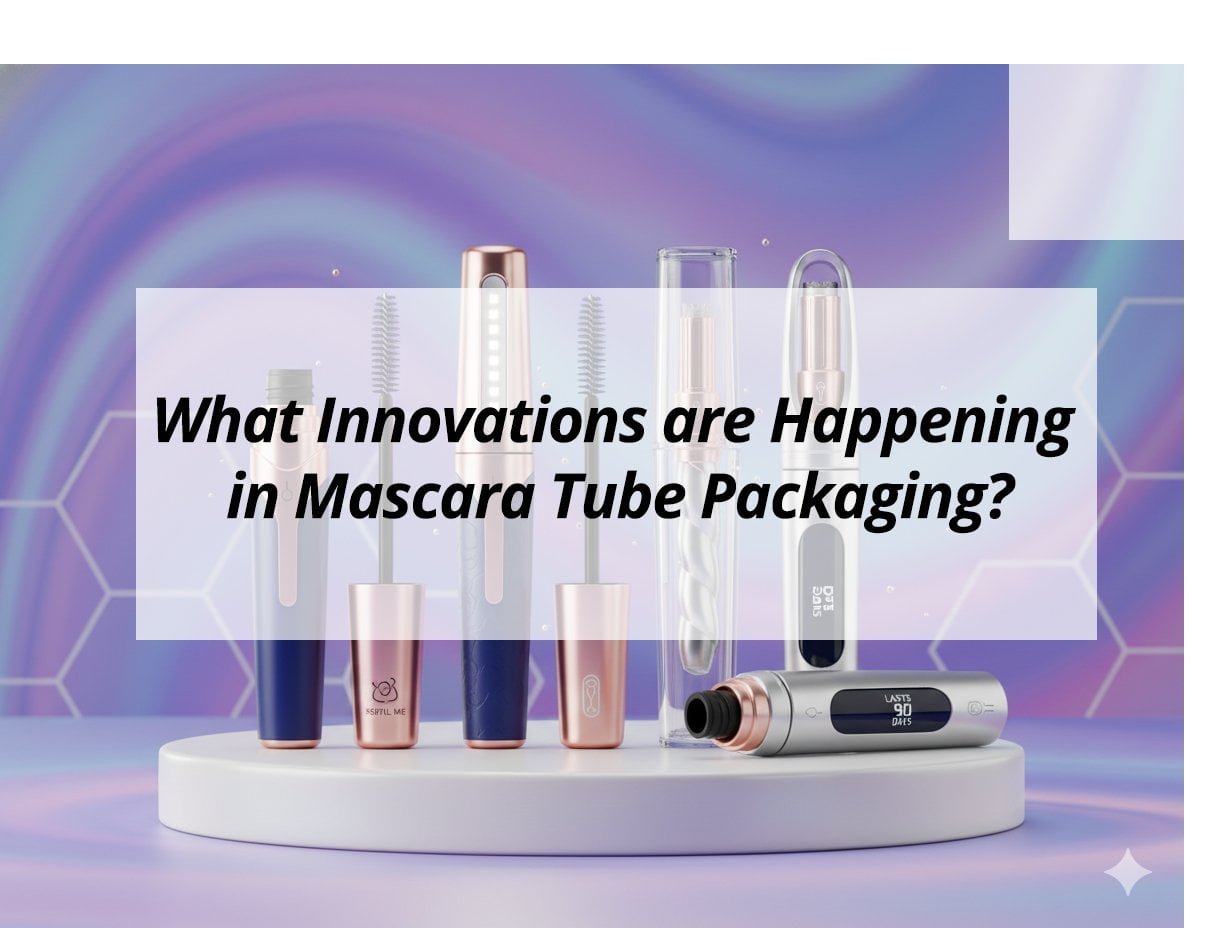
In a world where environmental concerns are paramount, exploring innovations in mascara tube packaging is vital. How are these changes shaping the future?
Mascara tube packaging is evolving with eco-friendly materials and refillable designs, addressing environmental concerns by minimizing waste. These innovations not only reduce environmental impact but also promote ethical beauty choices, offering environmentally conscious consumers sustainable options in their cosmetic routines.
The ongoing transition to sustainable packaging is more than just a trend. It’s a movement redefining the industry and emphasizing the importance of eco-conscious choices.
What are the latest innovations in sustainable packaging for cosmetics and how do they address environmental concerns?
Sustainability is not just a buzzword; it's a necessity. How are cosmetic companies innovating to meet this demand?
Recent innovations in sustainable cosmetic packaging focus on biodegradable materials, refillable components, and reduced plastic use. These efforts are creating products that not only appeal aesthetically but also minimize environmental impacts significantly.
Companies are embracing green methodologies. Let’s dive deeper into the key developments and understand how these align with the broader goal of sustainability.
Sustainable Innovations
Cosmetic packaging is evolving to prioritize planet-friendly options. Here is how the industry is adapting:
-
Biodegradable Materials1: The industry is turning to materials that break down naturally. This reduces landfill waste and lowers environmental impact.
-
Refillable Options2: These allow consumers to reuse mascara tubes by simply replacing the product inside. This practice reduces the need for constant production of new packaging, cutting down on resource use.
-
Reduced Plastic3: Many brands are opting for alternative materials like bamboo or glass, which are more sustainable than traditional plastics.
Impact and Implications
Sustainable packaging4 is not just about being environmentally friendly; it has a profound impact on brand image and consumer trust. As consumers become increasingly aware of ecological issues, brands that invest in sustainability can gain a competitive edge. Furthermore, research into cost-effective, sustainable materials continues to push the industry forward, providing more options without sacrificing performance or aesthetics.
| Innovation | Description |
|---|---|
| Biodegradable | Decomposes naturally, minimizing waste. |
| Refillable | Enables reuse, promoting long-term usage. |
| Reduced Plastic | Introduces alternatives like bamboo, cutting plastic use. |
By adopting these innovations, brands not only align with consumer values but also pave the way for a more sustainable beauty industry.
How to get the most out of your mascara tube?
Mascara is a makeup staple, but how can you maximize its use effectively?
Optimizing mascara tube usage involves proper storage, thorough application techniques, and regular cleaning of the wand. These practices ensure product longevity and uniform application, enhancing user satisfaction.
Let's explore practical steps to increase the lifespan and effectiveness of your mascara.
Maximizing Mascara Use
Enhancing mascara usage is about more than just applying it. Consider these strategies:
-
Proper Storage: Keep mascara closed tightly and stored in a cool, dry place to maintain consistency. This prevents the product from drying out, which can happen when it is improperly sealed.
-
Application Techniques: Using slow, even strokes and rotating the wand while applying ensures the mascara is evenly distributed. This prevents clumping and provides a more natural look.
-
Regular Cleaning: Clean the wand regularly to remove dried mascara. This ensures a smoother application and prevents bacteria build-up, which can lead to eye infections.
Practical Tips for Preservation
By adopting meticulous habits, users ensure optimal performance from their mascara. These practices not only enhance the final makeup look but also extend the mascara's usability.
- Storage: Keep it dry and tight to avoid drying out.
- Application: Use slow and even strokes for the best results.
- Cleaning: Regularly clean the wand to maintain hygiene and performance.
These methods ensure that every application achieves the best possible look, maximizing the tube's utility and user satisfaction.
What are the new trends in packaging?
Packaging trends are ever-evolving. What innovations are currently shaping the market?
Current packaging trends focus on minimalism, smart packaging, and customization. These trends address consumer desires for simplicity, technology integration, and personalized experiences, driving brand loyalty.
Understanding these trends can provide insights into future packaging directions and consumer preferences.
Packaging Trends
Packaging is more than protection; it's about expression and innovation. Here are the latest trends:
-
Minimalism: Brands are opting for clean, simple designs that convey elegance and sophistication. This trend reflects a shift towards clarity and functional design.
-
Smart Packaging: Incorporating technology like QR codes and augmented reality into packaging helps enhance consumer interaction. These features allow brands to provide a richer, more interactive experience.
-
Customization: Personalized packaging options allow brands to connect with consumers on a deeper level. This trend is driven by consumer demand for unique, tailored experiences.
Market Influence and Adoption
These trends are not just about aesthetic improvements; they significantly impact brand identity and consumer engagement. As these elements become more integral to packaging design, businesses are redefining how they connect with consumers, ensuring that products are not only functional but also engaging and memorable.
| Trend | Description |
|---|---|
| Minimalism | Simple, clean designs conveying elegance. |
| Smart Packaging | Tech integration enhances consumer interaction. |
| Customization | Personalized options build consumer connection. |
These trends signify a shift towards consumer-centric packaging, where individuality and functionality coalesce, creating stronger brand loyalty.
What are the 4 C's of packaging?
The four C's are crucial in packaging design. What do they encompass and why are they important?
The 4 C's of packaging—Cost, Convenience, Communication, and Compatibility—guide design strategies, ensuring products meet customer needs effectively. They encompass criteria essential for both consumer satisfaction and product protection.
Comprehending the 4 C’s can lead to more informed design decisions in packaging strategy.
The 4 C's
Understanding these principles provides a blueprint for effective packaging. Here's a breakdown:
-
Cost: Measures to balance quality with affordability are essential. Efficient packaging can reduce production costs while maintaining product quality, attracting budget-conscious consumers.
-
Convenience: Packaging should simplify use and transport. This involves considerations for portability, user-friendly design, and storage that enhance the consumer experience.
-
Communication: Effective packaging conveys brand messaging and necessary product information, which is crucial for consumer awareness and brand identity.
-
Compatibility: Ensures that packaging is suitable for the product's physical and environmental requirements, which include factors like shelf life and transport conditions.
Strategic Importance
By focusing on these aspects, brands can create packaging that not only resonates with consumers but also sustains product integrity. The 4 C's facilitate practical solutions that meet everyday needs while enhancing user experience and satisfaction.
| Aspect | Functionality |
|---|---|
| Cost | Balances budget and quality. |
| Convenience | Simplifies use and transport. |
| Communication | Conveys essential info and branding. |
| Compatibility | Matches product and environment. |
Adhering to the 4 C's ensures packaging is not only functional but also enhances user experience, fostering loyalty and satisfaction.
My insights: The Innovations are Happening in Mascara Tube Packaging
Struggling with the sustainability of beauty packaging? Discover how mascara tube innovations are leading the way in eco-friendly and efficient design.
Innovations in mascara tube packaging focus on sustainability and functionality, including refillable systems, mono-material recyclables, and biodegradable options. These advancements reduce waste, improve application, and enhance the user experience with smart wands and eco-friendly materials.
Exploring Sustainable Innovations in Mascara Packaging
Sustainability and Materials:
- Refillable Systems: Durable outer shells with refillable pouches reduce plastic waste and carbon emissions.
- Mono-Material Designs: Using PP/PE materials allows easy recycling, minimizing environmental impact.
Advanced Features:
- Brush and Applicator Innovations: Incorporating 3D-printed and dual-function brushes for precise application.
- Wiper Technology: Enhancements ensure even application and reduce product waste.
Comparative Overview:
| Innovation Type | Description | Benefit |
|---|---|---|
| Refillable Systems | Outer shell with refillable cartridge | Reduces plastic, reusable design |
| Mono-Material Design | Uses single material for all components | Simplifies recycling |
| Advanced Brushes | 3D-printed and multifunctional designs | Enhances application efficiency |
As the mascara industry prioritizes sustainability, these innovations pave the way for eco-friendly packaging solutions that meet consumer demands for greener beauty products while maintaining high performance and user satisfaction.
Conclusion
Innovations in mascara tube packaging highlight a shift towards sustainability and smart design, laying the groundwork for an eco-friendly future in cosmetics.
-
Explore how biodegradable materials can significantly reduce landfill waste and environmental impact. ↩
-
Learn about refillable options that promote sustainability and reduce resource consumption in cosmetics. ↩
-
Discover the advantages of using alternative materials like bamboo and glass over traditional plastics. ↩
-
Understand the importance of sustainable packaging and its impact on brand image and consumer trust. ↩