Cosmetic packaging often uses various materials. Acrylic jars are a popular choice. Understanding what they are and their properties is essential.
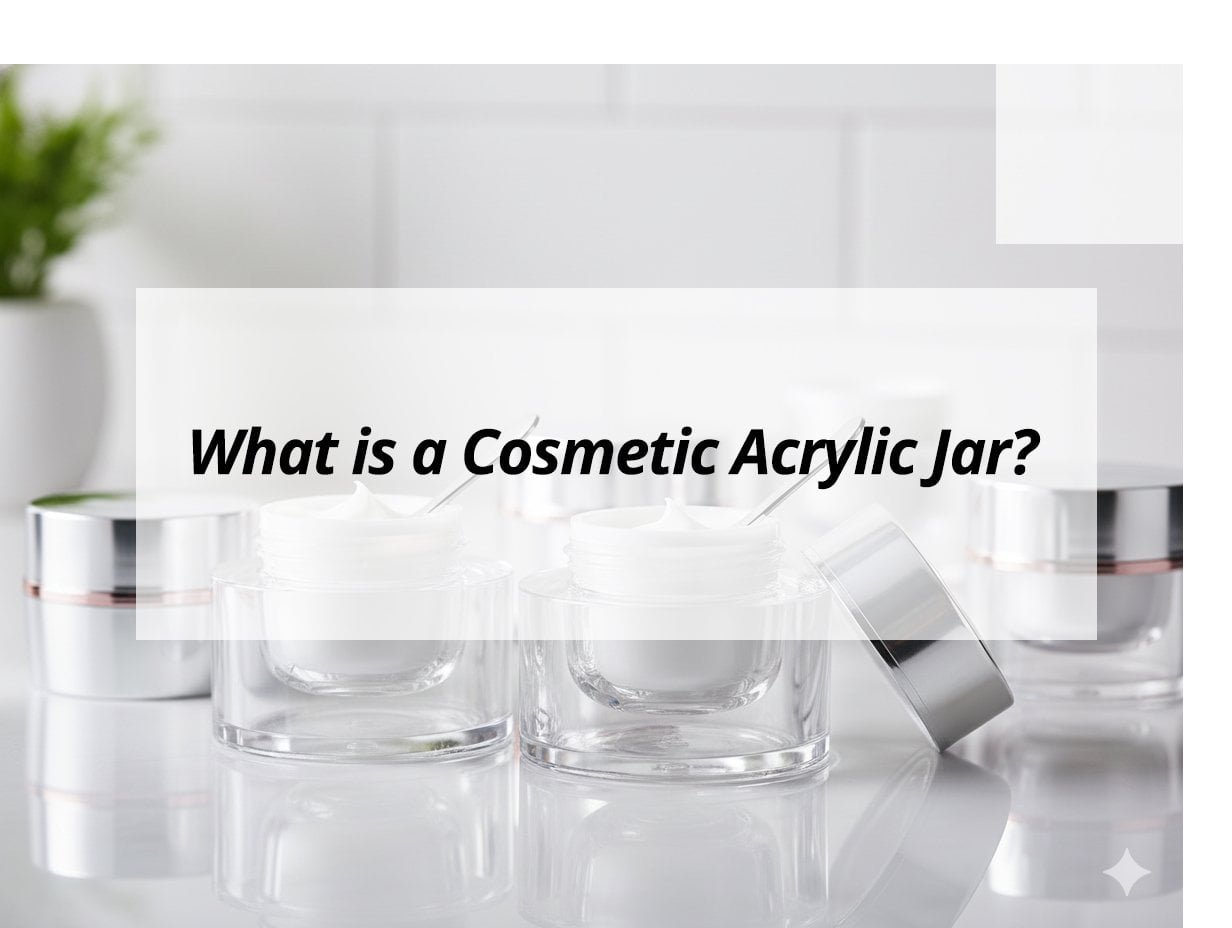
A cosmetic acrylic jar is a container made from polymethyl methacrylate (PMMA) plastic. It provides a clear, glass-like appearance with enhanced durability and lighter weight. These jars are widely used for creams, lotions, and other viscous cosmetic products due to their aesthetic appeal, chemical resistance, and ability to protect formulations.
Acrylic jars offer a balance of elegance and practicality. They are a common sight in the beauty industry.
What is an acrylic jar?
Acrylic jars1 are frequently seen in cosmetic displays. Their sleek look often mimics glass. But, they are distinct from glass in their composition and properties. Understanding what acrylic means helps clarify their role in packaging.
An acrylic jar is a container made from acrylic plastic, specifically polymethyl methacrylate (PMMA). These jars are valued for their high transparency, impact resistance, and lightweight nature. They offer a premium, glass-like aesthetic without the fragility and heavy weight of glass. Acrylic jars are commonly used for creams, gels, and balms in the cosmetic industry.
This material provides a versatile option for brands seeking both visual appeal and practical durability.
Composition of Acrylic Plastic
Acrylic plastic is a synthetic polymer. Its chemical name is polymethyl methacrylate, often shortened to PMMA. This material is a type of thermoplastic. This means it becomes pliable when heated and solidifies upon cooling. This property allows it to be easily molded into various shapes, including jars. PMMA is known for its clarity. It also has good weather resistance.
Properties of Acrylic Jars
Acrylic jars have several key properties that make them suitable for cosmetics.
- High Transparency: Acrylic offers excellent clarity. It is often as clear as glass. This allows consumers to see the product inside. This visual appeal is important for many cosmetic products.
- Lightweight: Acrylic is much lighter than glass. This reduces shipping costs. It also makes the product easier for consumers to handle.
- Durability and Impact Resistance: Acrylic is more shatter-resistant than glass. It can withstand drops better. This reduces breakage during transport and use. This makes it a safer packaging option.
- Chemical Resistance: Acrylic is resistant to many chemicals. This helps protect cosmetic formulations from degradation. However, its chemical resistance is not universal. Some strong solvents can affect it.
- Aesthetic Appeal: Acrylic jars can be molded into various shapes and sizes. They can also be colored or frosted. This allows for diverse design options. The smooth surface accepts printing and decoration well.
Manufacturing Process
Acrylic jars are typically made through injection molding. In this process, acrylic pellets are heated until molten. The molten plastic is then injected into a mold cavity under high pressure. Once cooled and solidified, the jar is ejected. This method allows for precise detailing and consistent production.
Common Uses in Cosmetics
Acrylic jars are popular for packaging a wide range of cosmetic products.
- Creams and Lotions: Face creams, body lotions, and moisturizers are often found in acrylic jars.
- Gels and Balms: Hair gels, lip balms, and various ointments also use this type of packaging.
- Powder Products: Some loose or pressed powders are packaged in acrylic compacts or jars.
Characteristics of Acrylic Jars
| Characteristic | Description | Benefit in Cosmetic Packaging |
|---|---|---|
| Material (PMMA) | Clear, rigid thermoplastic polymer | Glass-like aesthetic, durable |
| Transparency | High optical clarity | Product visibility, premium appearance |
| Weight | Lighter than glass | Reduced shipping costs, easier handling |
| Impact Resistance | More shatter-resistant than glass | Safer, less breakage during transport and use |
| Design Versatility | Moldable into various shapes, colors, finishes | Diverse aesthetic options, brand differentiation |
These features make acrylic jars a valuable asset in cosmetic packaging.
Is a bottle made from acrylic?
While acrylic is commonly used for jars and compacts in cosmetics, its use for bottles is also quite prevalent. The properties that make it ideal for jars often extend to bottle applications. However, there are specific considerations for acrylic bottles.
Yes, bottles can be made from acrylic. Acrylic plastic (PMMA) is used to create clear, rigid bottles, especially for high-end cosmetic products like serums, toners, and foundations. Acrylic bottles offer a luxurious, glass-like appearance with the added benefits of being lighter and more shatter-resistant, enhancing both aesthetic appeal and user safety.
The choice to use acrylic for bottles is usually driven by a desire for premium aesthetics and enhanced durability.
Properties of Acrylic Bottles
Acrylic bottles share many characteristics with acrylic jars.
- Glass-like Clarity: Acrylic bottles provide excellent transparency. This allows the product inside to be clearly seen. This is often desired for premium products where visual appeal is important.
- Premium Feel: The rigid nature and smooth surface of acrylic give bottles a high-end feel. This contributes to the perception of luxury, similar to glass but without its weight.
- Durability and Safety: Acrylic bottles are more resistant to breakage than glass bottles. This makes them safer to handle and transport. This reduces the risk of leaks or injuries.
- Lightweight: Being lighter than glass, acrylic bottles reduce transportation costs. They also make the product more convenient for consumers.
- Design Versatility: Acrylic can be molded into various elegant and complex bottle shapes. It can also be colored, frosted, or decorated with different finishes. This allows for unique branding opportunities.
Common Applications in Cosmetics
Acrylic bottles are favored for specific types of cosmetic products.
- Serums and Essences: High-value skincare serums and essences are often packaged in clear acrylic bottles. This showcases the product's texture and color.
- Foundations and Liquid Makeup: Some liquid foundations, primers, and other makeup products use acrylic bottles, especially those with pump dispensers.
- Toners and Mists: Certain toners and facial mists are also housed in acrylic bottles where clarity and a premium look are desired.
Limitations of Acrylic Bottles
Despite their advantages, acrylic bottles have some limitations.
- Cost: Acrylic is generally more expensive than other common plastics like PET or PP. This can increase packaging costs.
- Chemical Compatibility: While resistant to many chemicals, some strong solvents, essential oils, or fragrances can cause acrylic to craze or degrade. Compatibility testing is always necessary.
- Recyclability: While technically recyclable, PMMA (acrylic) is less commonly recycled in municipal streams compared to PET or HDPE. This can make its end-of-life management more challenging.
Comparing Acrylic Bottles to Other Materials
| Feature | Acrylic Bottles | Glass Bottles | PET Plastic Bottles |
|---|---|---|---|
| Appearance | High clarity, glass-like, premium | Very high clarity, luxury | High clarity, can be slightly softer look |
| Weight | Lighter than glass | Heaviest | Very lightweight |
| Durability | Shatter-resistant | Fragile, prone to breakage | Flexible, impact resistant |
| Cost | Mid to high | High | Low to mid |
| Chemical Resistance | Good (but some limitations) | Excellent (inert) | Good (but some limitations) |
| Recyclability | Less common in mainstream recycling | Infinitely recyclable | Widely recyclable |
Acrylic bottles provide a good bridge between the luxury of glass and the practicality of common plastics.
What is the use of plastic jar?
Plastic jars are ubiquitous in the packaging world, especially within the cosmetic industry. Their versatility and practical benefits make them suitable for a vast array of products. Understanding their utility clarifies their importance.
Plastic jars are widely used in cosmetics for packaging various viscous products like creams, lotions, and balms. Their primary uses include providing durable, lightweight, and cost-effective containment. They protect formulations from external contaminants and offer design flexibility for aesthetic appeal. Plastic jars are also convenient for consumer use and safe due to their shatter-resistant nature.
This broad utility makes plastic jars a staple in cosmetic packaging strategies.
Versatile Product Containment
Plastic jars are ideal for containing a wide variety of cosmetic products.
- Creams and Lotions: Face creams, body lotions, and hand creams are often packaged in plastic jars due to their easy access for dispensing.
- Balms and Waxes: Lip balms, hair waxes, and solid perfumes are well-suited for plastic jars, offering convenient application.
- Masks and Scrubs: Facial masks and body scrubs often come in larger plastic jars, allowing for easy scooping.
- Powders: Loose powders and glitters can also be stored in plastic jars with sifter inserts.
Their wide mouth design allows for easy scooping or direct application of products.
Protection and Preservation
Plastic jars provide effective protection for cosmetic formulations. They shield contents from exposure to air, light, and contaminants when properly sealed. The material choice (e.g., PP, PET, HDPE, Acrylic) determines the specific barrier properties against moisture and oxygen. This protection helps maintain product stability, efficacy, and extends shelf life.
Durability and Safety
One of the significant advantages of plastic jars is their durability. Unlike glass, plastic jars are shatter-resistant. This reduces the risk of breakage during transit and handling. This makes them safer for both manufacturers and consumers. This is especially important for products used in bathrooms or for travel.
Lightweight and Cost-Effectiveness
Plastic jars are lightweight. This contributes to lower shipping costs and a reduced carbon footprint during transportation. The manufacturing process for plastic jars is also generally efficient and less expensive than for glass. This results in cost-effective packaging solutions. This allows brands to offer competitive prices.
Design Flexibility and Aesthetic Appeal
Plastic is a highly versatile material for design. Plastic jars can be molded into countless shapes, sizes, and colors. They can be opaque, translucent, or even mimic the look of glass (like acrylic jars). Various printing and decoration techniques can be applied. This allows brands to create unique and appealing packaging that aligns with their brand image.
Consumer Convenience
Plastic jars are convenient for consumers. Their wide openings make it easy to access the product. They are also portable and less fragile for travel. The material's feel can also be optimized for user experience.
Key Uses and Benefits of Plastic Jars
| Aspect | Description | Benefit in Cosmetic Packaging |
|---|---|---|
| Product Versatility | Suitable for creams, lotions, balms, masks, powders | Wide range of cosmetic applications |
| Protection | Shields from air, light, contaminants | Maintains product integrity, extends shelf life |
| Durability & Safety | Shatter-resistant, prevents breakage | Reduces product loss, safer for consumers |
| Lightweight & Cost-Effective | Low weight, efficient manufacturing | Lower shipping costs, competitive pricing |
| Design Flexibility | Diverse shapes, colors, finishes | Unique branding, aesthetic appeal |
| Consumer Convenience | Easy access, portability | Enhanced user experience |
Plastic jars fulfill many roles in cosmetic packaging due to their balanced set of features.
Does acrylic paint stick to glass jars?
This question moves beyond the industrial use of acrylic in packaging. It touches on a common craft or DIY interest. Understanding the properties of acrylic paint and glass is key to knowing if they are compatible.
Yes, acrylic paint can stick to glass jars, but often requires proper preparation and sealing for long-lasting adhesion. Glass is a non-porous surface, so the paint needs a primer to create a better bond. Using a suitable sealant after the paint dries also protects the finish and prevents chipping or scratching.
For cosmetic packaging2, this means acrylic paints can be used for decoration. However, industrial methods ensure durable finishes.
Properties of Acrylic Paint
Acrylic paint is a fast-drying paint made of pigment suspended in an acrylic polymer emulsion.
- Water-based: It is water-soluble when wet, but becomes water-resistant when dry.
- Flexible: Once dry, it remains flexible, which helps prevent cracking.
- Adhesive: It has good adhesive qualities and can stick to many surfaces.
Properties of Glass Jars
Glass is a hard, brittle, non-porous material.
- Smooth Surface: Its very smooth surface can make it challenging for paint to adhere to without preparation.
- Non-porous: It does not absorb liquids, which means paint sits on the surface rather than soaking in.
Adhesion Challenges on Glass
Because glass is non-porous and smooth, acrylic paint may not adhere perfectly or permanently on its own. It can scratch or chip off relatively easily if not prepared or sealed. The paint needs something to "grip" onto.
Steps for Successful Adhesion
For acrylic paint to stick well and last on glass jars, these steps are recommended:
- Clean the Surface: Thoroughly wash the glass jar with soap and water. Remove any grease, dirt, or fingerprints. Then, wipe it with rubbing alcohol for a perfectly clean surface.
- Prime the Glass: Apply a thin layer of primer specifically designed for glass or non-porous surfaces. This creates a slightly textured surface that the acrylic paint can grip onto. Let the primer dry completely.
- Apply Acrylic Paint: Once the primer is dry, apply thin, even coats of acrylic paint. Allow each coat to dry before applying the next. Multiple thin coats usually adhere better than one thick coat.
- Cure the Paint (Optional but Recommended): For better durability, some acrylic paints can be "cured" in a conventional oven. Follow the paint manufacturer's instructions for temperature and time. This process bakes the paint onto the glass.
- Seal the Paint: After the paint is completely dry and cured (if applicable), apply a clear, waterproof sealant or varnish. Use one suitable for glass or multi-surface use. This protects the painted surface from scratches, moisture, and wear.
Industrial vs. DIY Application
In cosmetic packaging manufacturing, if acrylic paint or similar coatings are applied to glass, specialized industrial processes are used. These involve high-adhesion paints, advanced primers, and curing methods (like UV curing or heat treatment). This ensures the decoration is highly durable and meets industry standards. For DIY projects, the steps above help achieve good results.
Compatibility Table: Acrylic Paint on Glass
| Factor | Description | Recommendation |
|---|---|---|
| Surface Porosity | Glass is non-porous | Use a primer |
| Cleanliness | Grease/dirt reduce adhesion | Thorough cleaning with alcohol |
| Paint Layers | Thin layers adhere better than thick ones | Apply multiple thin coats |
| Curing | Baking can enhance durability for some paints | Follow manufacturer's instructions for oven curing |
| Protection | Paint can scratch/chip without protection | Apply a clear sealant/varnish |
So, while possible, simply painting acrylic onto glass without preparation often leads to a less durable finish.
My Insights: Understanding Cosmetic Acrylic Jars
Need elegant yet durable packaging for your beauty products? Discover why cosmetic acrylic jars are the top choice for premium aesthetics and practicality.
Cosmetic acrylic jars are high-quality plastic containers offering crystal-clear transparency and impact resistance. Suitable for creams, balms, and more, they provide versatile design options, making them ideal for premium beauty products.
Features and Benefits of Cosmetic Acrylic Jars
Basic Definition:
Cosmetic acrylic jars, typically crafted from acrylic or polymethyl methacrylate (PMMA), provide a glass-like, premium appearance with high clarity. They usually feature wide mouths, secure lids, and inner seals to protect contents.
Common Uses:
Ideal for facial creams, moisturizers, and balms, they also hold powders and small accessories. Their versatility makes them popular for various semi-solid formulations.
Key Features:
- Durable: Impact-resistant and shatter-proof, perfect for travel.
- Aesthetic: High transparency with customizable options like colors and accents.
- Customizable: Available in different shapes, sizes, and decoration methods such as silkscreen printing.
Advantages Over Glass and Other Plastics:
Acrylic jars are lighter and less breakable than glass yet offer a similar glossy look. Often, they include inner liners of other plastics for improved formula compatibility.
Typical Sizes and Formats:
Available in volumes from 5–15 ml samples to larger 30–100 ml jars, they come in single-wall or double-wall constructions, with the latter enhancing insulation and a premium feel.
| Feature | Benefits |
|---|---|
| Transparency | Provides premium, clear aesthetics |
| Impact Resistance | Suitable for travel and retail display |
| Customization | Supports brand identity and differentiation |
Cosmetic acrylic jars blend beauty and function, offering an exceptional solution for premium beauty packaging.
Conclusion
Cosmetic acrylic jars offer a blend of aesthetic appeal and practicality. They are lightweight, durable, and provide a clear, glass-like look for creams and lotions. While bottles can also be made from acrylic, and plastic jars are versatile, proper preparation is key if acrylic paint is applied to glass.